What Is an Attic Ladder and Why Does It Matter More Than You Think
An attic ladder is a retractable or fold-down staircase built into a hatch in your ceiling that provides access to your attic space. It sounds simple enough, but homeowners tend to overlook it until something goes wrong, and by then it is usually a squeaking hinge, a broken spring, or a rung that gives way under pressure. The attic ladder is one of those home features that quietly does its job until it does not, and when it fails, it creates a real safety risk. Whether you use your attic for storage, HVAC access, or just the occasional seasonal swap, understanding how this system works and how to keep it functional is genuinely useful information.
How an Attic Ladder System Actually Works
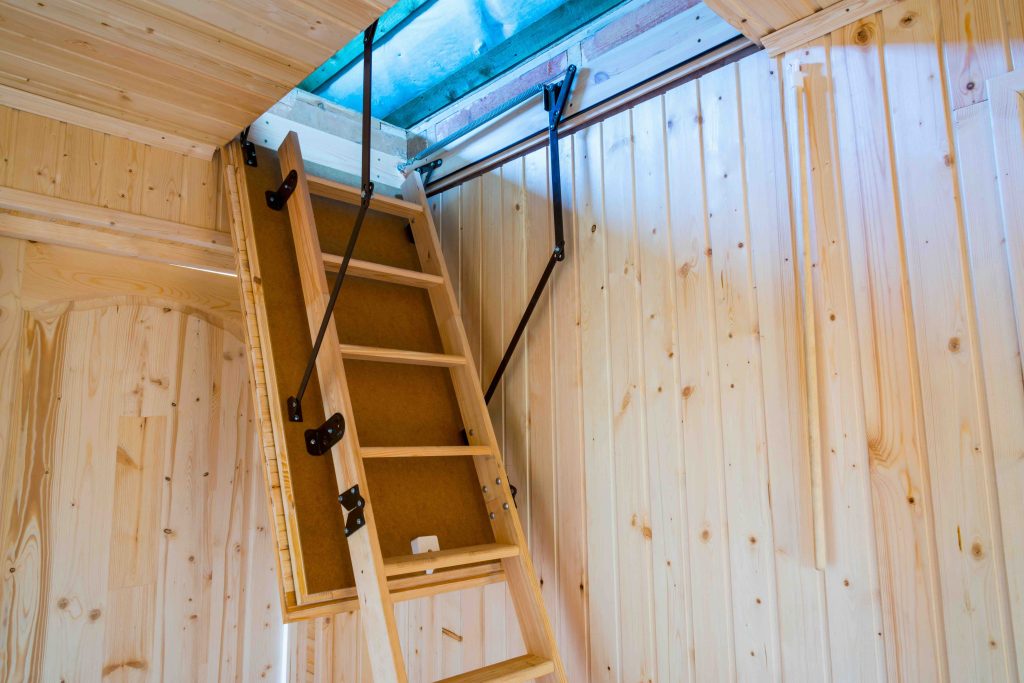
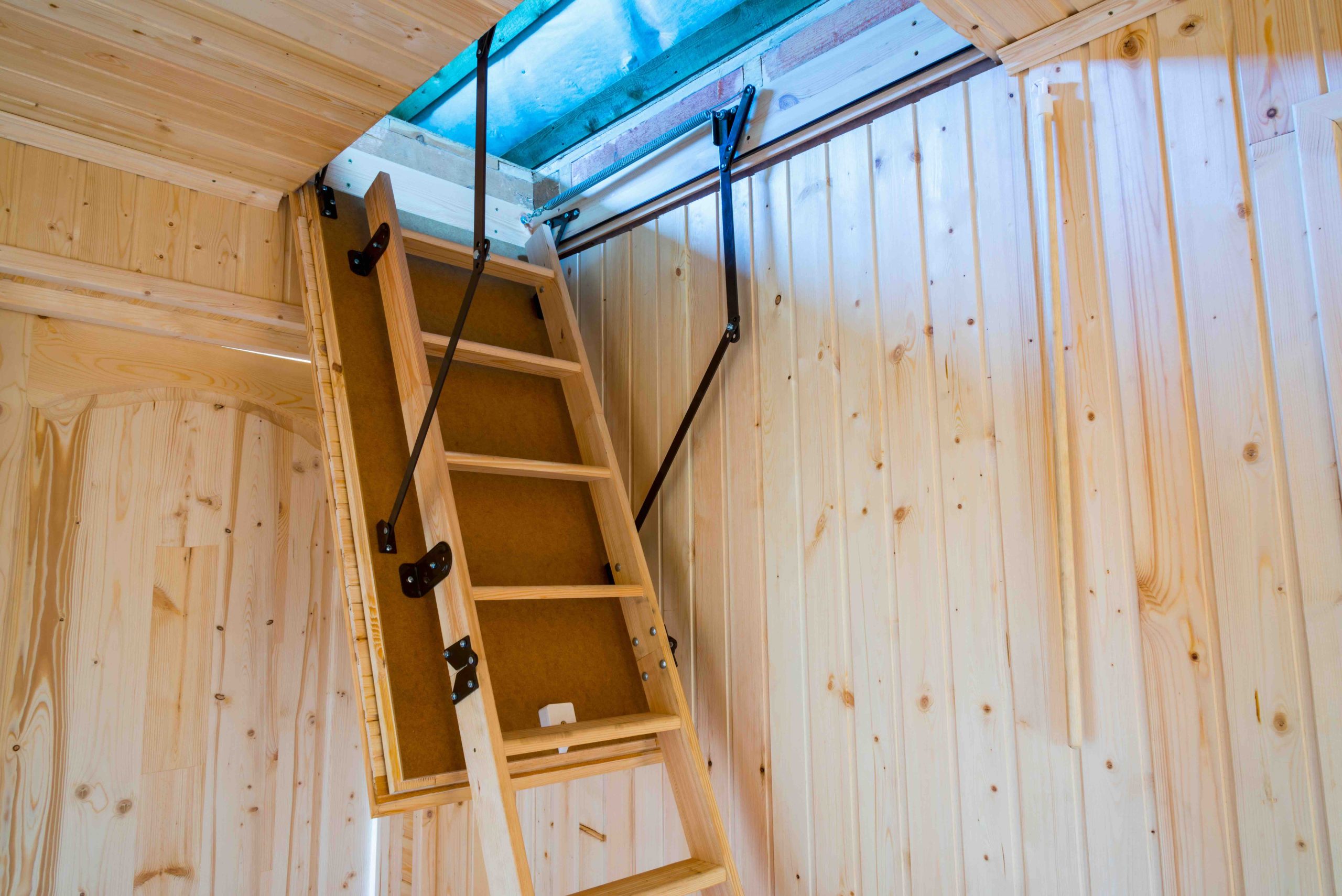
Most attic ladders operate through a spring-loaded or scissor-hinge mechanism that allows the ladder to fold or slide into a compact position when not in use. When you pull the access door open, typically with a cord or hook, the springs assist with controlled deployment so the ladder does not come crashing down. The door itself is usually framed into the ceiling joist structure with a wood frame or metal housing. Some models telescope, meaning the sections slide out from one another, while others have folding sections that unfold in stages. The mechanism seems low-tech, but it involves a fairly precise balance of spring tension, hinge alignment, and structural anchoring. When any one of those elements degrades, the whole system becomes unreliable.
Common Types of Attic Ladders Found in Homes
Not all attic ladders are built the same, and knowing what type you have matters when repairs or replacements come up. The three most common varieties found in residential homes include the following:
- Folding wooden attic ladders, which are the most common and consist of two or three hinged wood sections that fold against each other
- Telescoping metal attic ladders, which use aluminum or steel sections that retract into the attic frame and tend to be more durable
- Scissor attic ladders, which use a crisscross folding mechanism and are often used in spaces with lower ceiling heights
Each type has its own set of wear points. Wooden ladders are prone to warping, cracking, and hinge deterioration. Metal ladders tend to hold up longer but can suffer from spring failure or corroded hardware. Scissor ladders involve more moving parts, which means more opportunities for mechanical fatigue over time.
Signs That Your Attic Ladder Needs Repair
A failing attic ladder does not always announce itself dramatically. More often than not, the warning signs are subtle and easy to dismiss until they compound into something more urgent. Creaking or squeaking during deployment is usually the first indicator that hinges or springs are under undue stress. If the ladder feels heavier than usual when pulling it down, spring tension may be weakening. Wobbly rungs, visible cracks in wooden sections, misaligned hinges, or a hatch door that does not seal flush against the ceiling are all signs worth addressing. In some cases, homeowners notice that the ladder shifts laterally when weight is applied, which points to frame anchoring issues rather than the ladder hardware itself. Any of these symptoms should prompt a closer inspection before the problem escalates into a safety hazard.

Key Advantages of a Well-Maintained Attic Ladder
When an attic ladder is in good shape, it offers real functional value to a home. Safe and consistent attic access means you can actually use that overhead storage space without dreading every trip up. It also makes routine home maintenance far more manageable, since many HVAC components, insulation systems, and electrical junction points are accessed through the attic. A properly sealed attic hatch door also contributes to your home’s energy efficiency by reducing conditioned air loss into the attic cavity. Some insulated attic ladder covers or doors include weather stripping and foam insulation that meaningfully reduce heat transfer, which is something many homeowners do not realize until they see the seasonal difference in their utility bills.
The Real Drawbacks Homeowners Do Not Often Anticipate
For all its utility, the attic ladder comes with a handful of frustrating limitations. The most common complaint is that standard attic ladders are not built to last indefinitely, especially the wood versions bundled with builder-grade construction. They are often installed to meet code requirements rather than to provide long-term durability. Beyond that, attic ladders are not always the safest design in terms of angle and rung spacing, particularly for older homeowners or anyone carrying bulky items. Replacement parts like springs, hinges, and hardware can also be surprisingly difficult to source once a ladder is no longer in current production. And then there is the installation complexity if full replacement is needed, which often requires cutting into ceiling framing and working overhead in tight spaces.
DIY Repairs Versus Professional Service: Where the Line Is
Some attic ladder repairs are genuinely manageable for a moderately handy homeowner. Lubricating hinges, tightening loose screws, replacing worn rubber feet, or swapping out a broken rung falls within reasonable DIY territory. However, spring replacement is a different situation. Attic ladder springs are under significant tension, and improper handling can result in serious injury. Frame reanchoring, structural reinforcement, and full ladder replacement all carry enough technical and physical complexity that professional installation is the smarter call. The cost of professional attic ladder repair or replacement typically ranges from a few hundred dollars on the low end to over a thousand dollars for a full system replacement with insulated housing, depending on the materials and labor market in your area.
Practical Maintenance Tips to Extend the Life of Your Attic Ladder
Routine care can meaningfully extend the functional life of an attic ladder. A few consistent habits go a long way toward avoiding sudden failures:
- Lubricate hinges and pivot points annually using a dry lubricant or silicone-based spray to reduce friction and prevent metal fatigue
- Inspect all bolts and fasteners at the ceiling frame attachment points twice a year, especially after temperature extremes that cause wood expansion and contraction
- Check the ladder rungs for cracking, splitting, or loose fasteners before each use during heavy-use seasons like spring and fall
- Test the spring tension by observing how smoothly the ladder deploys and retracts, replacing springs at the first sign of sluggish movement
- Ensure the attic hatch door closes flush and latches securely to prevent air loss and minimize seasonal wear on the frame
When Repair Becomes Replacement and How to Choose the Right Ladder
There is a point where continuing to repair an aging attic ladder stops making financial sense. If the frame has structural damage, if the wood sections are severely warped, or if the spring mechanism has failed more than once, full replacement is usually the more cost-effective path forward. When shopping for a replacement, look for ladders rated for a load capacity that exceeds the heaviest anticipated use, typically 250 to 375 pounds for residential applications. Aluminum models offer a strong balance of durability and weight. For homes in climates with significant seasonal temperature swings, an insulated attic door panel paired with the new ladder is worth the added cost. Always verify that the replacement unit fits your existing rough opening dimensions before purchasing.
How a Home Warranty Can Protect You When Attic Ladder Repairs Come Up
Attic ladder repairs have a way of surfacing at the worst possible times, right before a move, at the start of a heavy storage season, or when HVAC technicians need attic access. That is exactly the kind of inconvenient, moderately expensive repair that a solid home warranty is designed to absorb. Armadillo home warranty coverage for structural and built-in home components is designed to cover the systems and features homeowners rely on daily, without the runaround that tends to frustrate people about traditional warranty providers. Armadillo takes a straightforward approach to claims, transparent pricing, and coverage that actually matches real homeowner needs. If you want to stop absorbing every unexpected repair cost out of pocket, get a free home warranty quote to protect your home’s built-in systems and components and see what a reasonable plan looks like for your specific property. A home warranty does not eliminate the need for maintenance, but it significantly softens the financial impact of repairs you did not see coming.

Frequently Asked Questions About Attic Ladder Repair and Maintenance
Below are answers to the questions homeowners most commonly have about attic ladders, from diagnosing problems to understanding coverage options.
How do I know if my attic ladder springs need to be replaced?
If the ladder feels unusually heavy when pulling it down, drops too quickly, or does not stay fully deployed without sagging, the springs have likely lost their tension and need to be replaced by a qualified technician.
Can I replace attic ladder springs myself?
It is not recommended. Attic ladder springs are under high tension and can cause serious injury if handled incorrectly. This is a repair that should be performed by a professional with the appropriate tools and experience.
How long does an attic ladder typically last?
A wood attic ladder in a typical residential home lasts between 15 and 25 years with routine maintenance. Aluminum and metal ladders can last longer, often 30 or more years, depending on usage frequency and environmental conditions.
What is the standard rough opening size for an attic ladder?
The most common rough opening size for residential attic ladders is 22.5 by 54 inches, but sizes vary by model. Always measure your existing opening before purchasing a replacement unit to ensure compatibility.
Does a home warranty cover attic ladder repair?
Coverage depends on the specific home warranty plan. Some plans include built-in structural components and access systems. Reviewing your policy terms or speaking with your warranty provider directly is the best way to confirm what is included.
Is it worth insulating an attic ladder door?
Yes. An uninsulated attic hatch can be a significant source of energy loss. Adding an insulated cover or replacing the hatch door with an insulated model helps maintain conditioned air in your living space and reduces heating and cooling costs over time.
How much does it cost to repair an attic ladder?
Minor repairs such as hinge replacement or hardware tightening typically cost between 75 and 200 dollars. Spring replacement and more involved repairs range from 150 to 400 dollars. Full attic ladder replacement can run from 300 to over 1,200 dollars depending on materials and labor.
What weight capacity should I look for in an attic ladder?
Most residential attic ladders are rated for 250 to 375 pounds. For households where the attic is used for frequent or heavy storage, selecting a ladder rated at the higher end of that range provides a safer margin of use.
Why does my attic ladder not close flush with the ceiling?
This is usually caused by warped wood sections, misaligned hinges, or a frame that has shifted over time due to settling. It can also result from a worn or missing weather strip around the hatch door frame. Inspection by a carpenter or handyman can identify the specific cause.
How often should I lubricate my attic ladder hardware?
Once a year is generally sufficient for most climates. If your home experiences significant temperature swings or high humidity, lubricating hinges and pivot points twice a year will help prevent corrosion and reduce mechanical wear on moving parts.