Window AC Units: What Every Homeowner Should Know Before Buying
Summer heat has a way of making appliance decisions feel urgent. One day you are comfortable, and the next you are standing in front of a big-box store staring at a wall of window air conditioners wondering which one is worth your money. Window AC units are one of the most affordable and accessible cooling solutions available to homeowners, and understanding how they work can save you from buyer’s remorse and unexpected repair bills down the road. This guide breaks it all down in plain terms so you can make a confident, informed choice.
What Is a Window AC Unit and How Does It Work
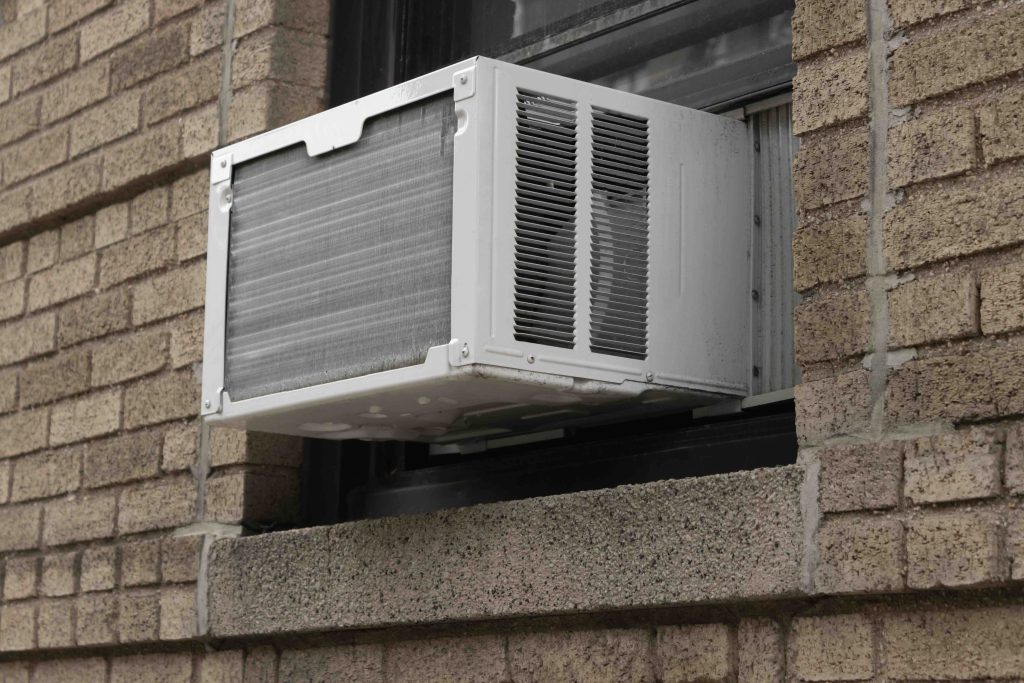
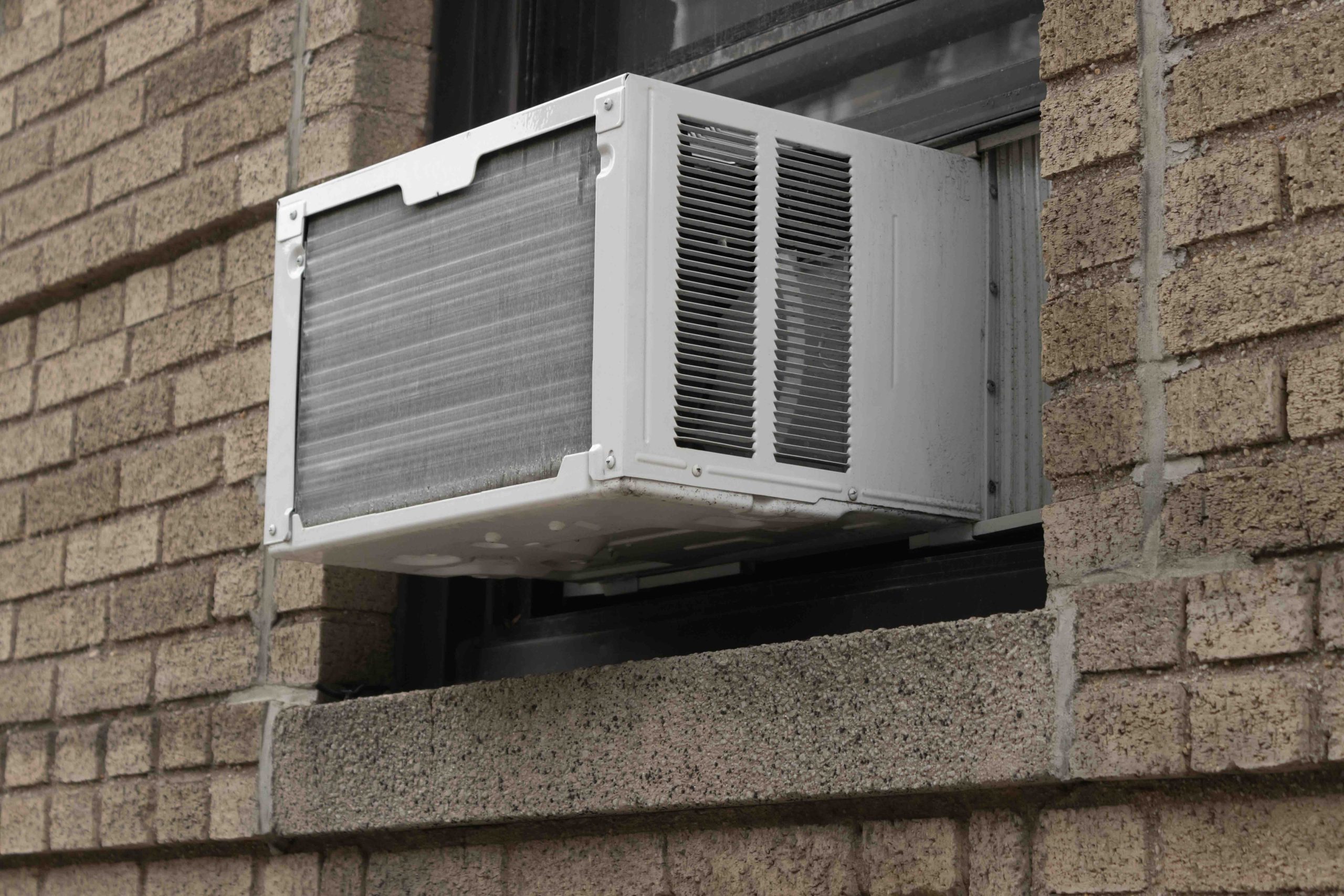
A window air conditioner is a self-contained cooling appliance designed to fit inside a standard window frame. Unlike central air systems that require ductwork, a window unit houses all of its components in a single box. Inside that box, you have a compressor, a condenser coil, an evaporator coil, a fan, and refrigerant. The unit pulls warm air from your room, passes it over the cold evaporator coils to remove heat and humidity, and then pushes cooled air back into your space while venting the heat outside through the rear of the unit. It is a relatively simple process, but it is remarkably effective for single-room or zone cooling needs.
Best Price Ranges for Window AC Units in Today’s Market
Price is often the first question homeowners ask, and for good reason. Window AC units span a wide range depending on cooling capacity, brand, and energy efficiency rating. Generally speaking, here is what you can expect to pay:
- Budget-friendly models (5,000 to 8,000 BTU): typically range from $150 to $300 and work well for smaller rooms up to 350 square feet
- Mid-range models (10,000 to 14,000 BTU): typically fall between $300 and $600 and are suited for medium-sized rooms or open living areas
- Premium and smart models (15,000 BTU and above): can range from $600 to over $1,000 and offer advanced features like Wi-Fi connectivity and dual inverter technology
Shopping during late summer or early fall often yields the best discounts, as retailers discount seasonal inventory. Energy Star certified units may cost slightly more upfront but deliver meaningful savings on your monthly utility bills over time.
Key Advantages of Choosing a Window Air Conditioner
Window AC units have remained popular for decades because they genuinely solve a real problem without requiring a major financial commitment. Installation is typically a DIY-friendly project, meaning you do not need to hire a contractor or schedule a multi-day installation process. You plug it in, secure it in the window, and you have cool air within minutes. They are also portable in the sense that you can remove them at the end of the season and reinstall them the following year. For renters, apartment dwellers, or homeowners who only need to cool specific rooms rather than an entire house, window units offer a practical, cost-effective solution that central air simply cannot match at that price point.

Common Drawbacks You Should Consider Before Purchasing
No appliance is perfect, and window AC units come with real limitations worth thinking through before you buy. They are designed for single-room use, so cooling an open-plan home or multiple rooms with one unit is not realistic. They also require a compatible window, which rules them out for certain casement or sliding window styles without a special kit. Noise is another consideration since older or lower-quality models can be disruptive, especially in bedrooms. From a security standpoint, a unit installed in a first-floor window can create a potential entry point if not properly secured. Finally, window units have a finite lifespan, typically between 8 and 12 years, and repairs can sometimes cost nearly as much as a replacement unit.
How to Choose the Right Size Window AC for Your Space
Choosing the correct BTU rating for your room size is one of the most important decisions you will make in this process. An undersized unit will run constantly without ever reaching your target temperature, while an oversized unit will cool too quickly without properly reducing humidity, leaving the room feeling cold and clammy. A general rule of thumb is to allocate roughly 20 BTUs per square foot of living space. However, rooms with high ceilings, significant sun exposure, or poor insulation may require a higher BTU rating to compensate. Many manufacturers provide room size charts on their product pages, and those are worth consulting before finalizing your purchase.
Energy Efficiency and What the EER Rating Actually Means
When comparing window AC units, you will often encounter the term EER, which stands for Energy Efficiency Ratio. This number represents the cooling output divided by the power consumption. The higher the EER, the more efficient the unit. A unit with an EER of 12 or higher is considered highly efficient. Energy Star certified models must meet specific EER thresholds set by the EPA, and choosing one of these models can translate to 10 to 15 percent lower energy consumption compared to non-certified alternatives. Over the course of a full cooling season, that adds up to meaningful savings on your electricity bill.
Installation Tips to Get the Most Out of Your Window Unit
Proper installation directly impacts how well your window AC unit performs. Start by ensuring your window opening is structurally sound and free of gaps around the unit. Even small air leaks allow hot outside air to seep in and force the unit to work harder. Most units come with accordion-style side panels to fill gaps, and adding foam weatherstripping around the edges provides an additional seal. The unit should be installed with a slight tilt toward the outside to allow condensation to drain properly. Always verify that your electrical outlet can handle the unit’s amperage, since larger units may require a dedicated circuit to operate safely.
Maintenance Practices That Extend the Life of Your Window AC
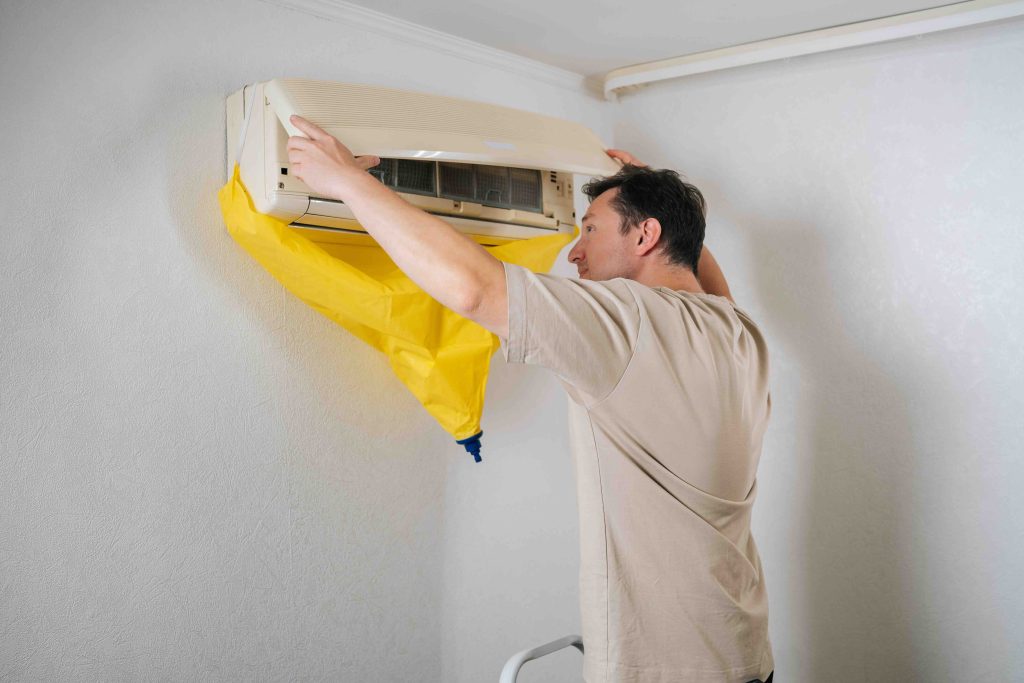
Routine maintenance is the single most effective way to extend the working life of your window air conditioner and avoid costly repairs. At a minimum, you should clean or replace the air filter every 30 days during active use. A clogged filter restricts airflow and forces the compressor to overwork, which accelerates wear. You should also clean the evaporator and condenser coils annually using a soft brush or coil cleaner spray. At the start and end of each season, inspect the unit for signs of refrigerant leaks, unusual noises, or reduced airflow. Storing the unit properly during winter months, either covered in the window or removed and stored indoors, also helps preserve the components.
How a Home Warranty Can Protect Your Window AC Investment
Here is where things get practical in a way that can genuinely save you money. Window AC units, like any home appliance, can break down unexpectedly. Compressor failures, fan motor issues, and electrical faults are common problems that carry repair costs ranging from $150 to $500 or more. Without a home warranty, those costs come entirely out of pocket. With the right plan in place, a covered breakdown becomes a service call rather than a financial disruption. Armadillo home warranty plans designed for appliance and system coverage are built to address exactly this kind of situation, giving homeowners a straightforward safety net for the appliances they rely on most. If you are looking to protect your cooling equipment alongside other major home systems, you can get a customized home warranty quote for window AC and appliance protection in just a few minutes. The peace of mind alone tends to be worth it, especially heading into a long cooling season.

Frequently Asked Questions About Window AC Units
Here are answers to the questions homeowners ask most often when researching window air conditioners.
What is the best BTU size for a window AC unit in a 300 square foot room?
For a 300 square foot room, a window AC unit with approximately 6,000 BTUs is generally sufficient. If the room receives heavy direct sunlight or has poor insulation, consider stepping up to 8,000 BTUs for more consistent cooling performance.
How long does a window AC unit typically last?
Most window air conditioners last between 8 and 12 years with proper maintenance. Units that are cleaned regularly, stored correctly during off-seasons, and operated within their designed capacity tend to reach the higher end of that range.
Is it cheaper to run a window AC unit or central air?
Running a window AC unit is generally less expensive than central air when you only need to cool one or two rooms. Central air systems cool the entire home, which increases energy consumption significantly if most of that space is unused.
Can a window AC unit be installed without a window?
Standard window AC units require a window opening for proper ventilation. However, some models are designed for wall installation through a sleeve kit, which allows placement through an exterior wall without using a window.
Do window AC units need to be removed in winter?
Removing the unit during winter is recommended because it eliminates drafts, improves insulation, and protects the appliance from cold weather damage. If removal is not practical, covering the exterior portion with an insulated cover helps reduce heat loss.
What causes a window AC unit to stop cooling effectively?
The most common causes include a dirty or clogged air filter, low refrigerant levels, a frozen evaporator coil, or a failing compressor. Checking and cleaning the filter first is the simplest starting point before calling for a repair service.
Are smart window AC units worth the extra cost?
Smart window AC units offer Wi-Fi connectivity, app-based control, and scheduling features that can improve energy efficiency by ensuring the unit only runs when needed. For homeowners who travel frequently or have irregular schedules, the added cost often delivers real value.
Does a home warranty cover window air conditioner repairs?
Coverage depends on the specific home warranty plan. Many providers offer appliance coverage that includes window AC units, but it is important to review the terms carefully to confirm that components like the compressor and fan motor are included.
What is the ideal temperature setting for a window AC unit to save energy?
Setting your window AC unit to 78 degrees Fahrenheit when you are home and raising it to 85 degrees when away is widely recommended by energy experts as a balance between comfort and efficiency. Using the unit’s built-in timer or sleep mode further reduces unnecessary energy use.
How often should I clean my window AC unit filter?
During periods of regular use, cleaning or replacing the air filter every 30 days is standard practice. If the unit runs in a dusty environment or if anyone in the household has allergies, cleaning it every two to three weeks is a better approach.