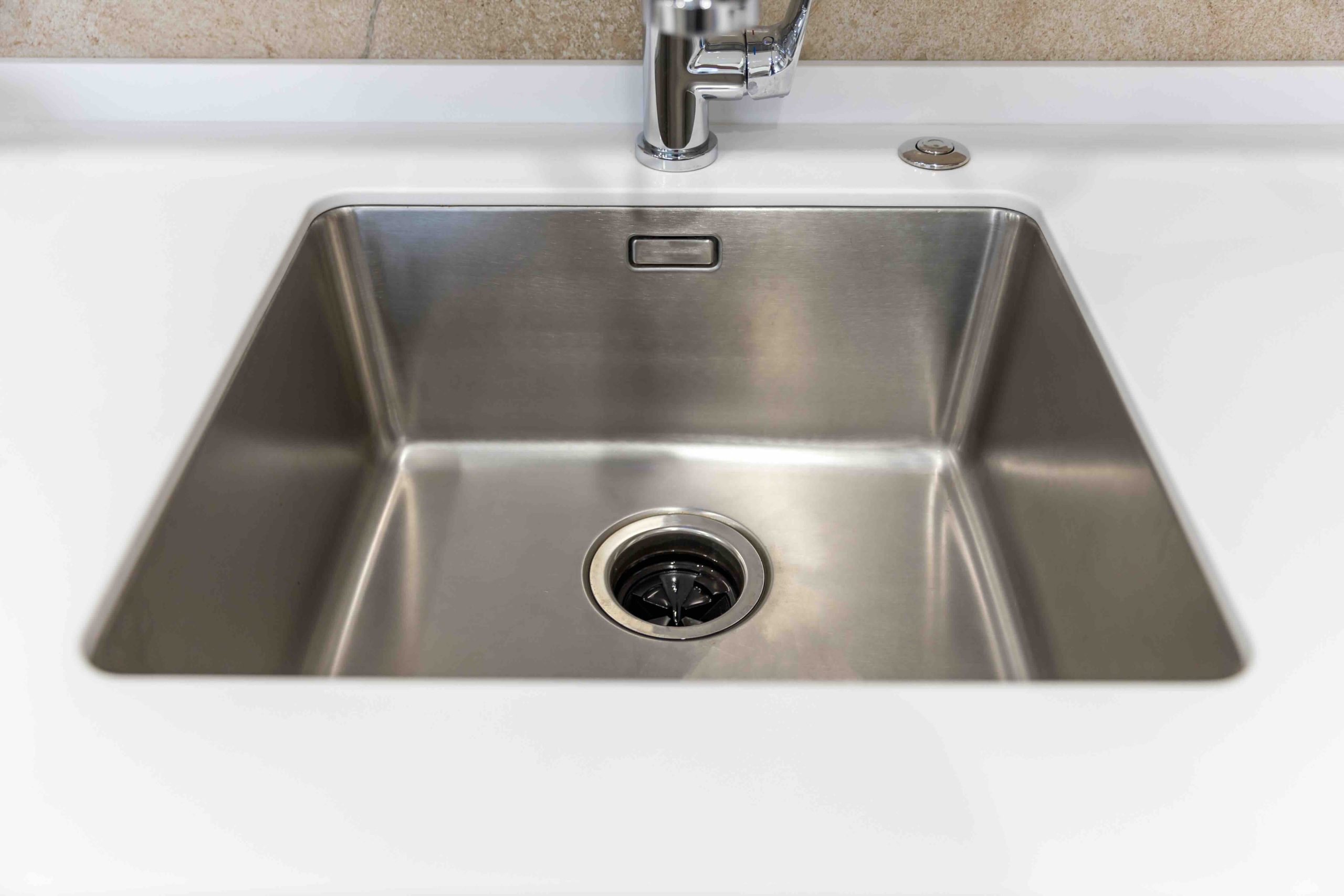
Why Does Your Garbage Disposal Smell So Bad?
If you have ever walked into your kitchen and been hit with a wave of something that smells like a swamp crossed with last week’s leftovers, your garbage disposal is probably the culprit. It is one of those appliances that works hard every single day and gets almost zero attention until something goes wrong. The smell is usually the first sign that things have gotten out of hand inside that unit. And here is the thing most homeowners do not realize: the odor is not actually coming from inside the drain pipe. It is coming from food residue, grease, and bacteria that have built up inside the disposal itself, on the splash guard, and along the grinding components. Understanding where the smell comes from is step one. Getting rid of it and keeping it away is where things get a little more interesting.
How a Garbage Disposal Actually Works
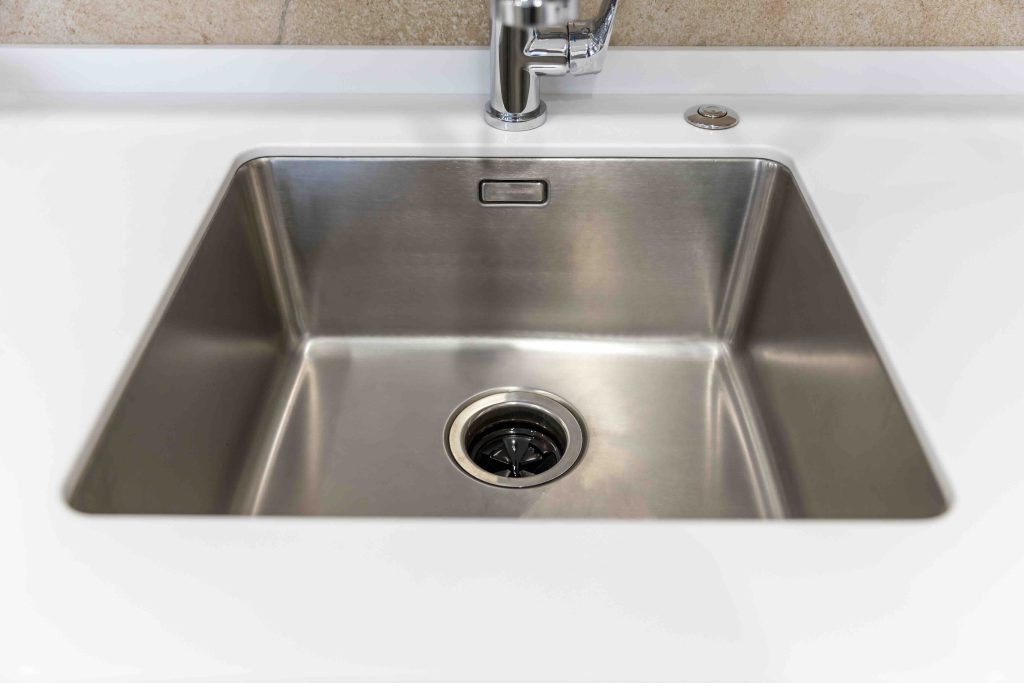
Before jumping into fixes, it helps to understand what is happening inside that unit under your sink. A garbage disposal is an electrically powered appliance mounted beneath the kitchen sink drain. When you run water and flip the switch, a motor spins a rotating plate called an impeller. That plate uses blunt lugs, not sharp blades like most people imagine, to fling food waste against a stationary grind ring. The friction and force break the food down into tiny particles small enough to pass through your plumbing system. The whole process takes a few seconds. The problem is that food particles, grease, and organic matter do not always make a clean exit. They linger on surfaces inside the grinding chamber, underneath the rubber splash guard, and along the underside of the drain opening. Over time, bacteria colonize those deposits and produce the sulfur-like, rotting smell that becomes impossible to ignore.
Common Causes of Garbage Disposal Odors
Not all disposal odors come from the same source, and figuring out what you are dealing with helps you target the right solution. The most frequent causes include the following:
- Food buildup on the splash guard: The rubber flap that sits in the drain opening traps grease and food underneath it, and it rarely gets cleaned.
- Grease and fat deposits: Pouring cooking grease down the disposal coats the grinding chamber and creates a sticky film that traps bacteria.
- Fibrous or starchy food waste: Items like potato peels and celery can create a thick paste that adheres to internal surfaces.
- Infrequent use: A disposal that sits idle dries out and allows residue to harden and ferment.
- Standing water: If water is not running long enough after use, particles settle and decompose.
DIY Odor Removal Methods That Actually Work
There are quite a few home remedies that circulate online, and some of them are genuinely effective. Ice and salt is a popular one. Running a cup of ice cubes and a handful of coarse salt through the disposal while it runs helps scrub the interior surfaces without damaging them. Citrus peels are another solid option. Grinding lemon or orange peels releases natural oils that neutralize odors and leave a noticeably fresher scent. Baking soda and vinegar is the classic combination that creates a fizzing reaction inside the grinding chamber, which helps loosen buildup. Pour half a cup of baking soda down the drain, follow it with a cup of white vinegar, let it fizz for a few minutes, and then flush with hot water. These methods work best when used regularly, not just when the smell has already gotten out of control.

The Splash Guard Is Probably the Worst Offender
Most homeowners clean the visible surfaces of their kitchen regularly and completely forget about the rubber splash guard sitting in the drain opening. Flip it up or pull it out if your model allows, and take a look at the underside. What you find there is usually the primary source of the odor. The grooves and folds in the rubber trap food particles and grease, and because that area stays dark and moist, bacteria thrive there. Cleaning it is straightforward. Use an old toothbrush or a small scrub brush with dish soap and hot water to scrub both sides thoroughly. Do this once a week during your regular kitchen cleaning routine and the difference in odor is noticeable almost immediately. Some splash guards can be removed entirely for a more thorough cleaning, and replacement guards are inexpensive if yours is too degraded to clean effectively.
What You Should Never Put Down the Disposal
Preventing odors is significantly easier than eliminating them after the fact. Certain foods and substances should never go into a garbage disposal because they create the exact conditions that cause smells and mechanical problems. Grease and cooking oil coat every surface inside the unit and solidify as they cool, trapping bacteria. Fibrous vegetables like celery, artichokes, and asparagus wrap around the impeller and create a paste-like buildup. Starchy foods such as rice, pasta, and potato peels expand with moisture and form a thick sludge. Coffee grounds seem harmless but accumulate in the trap and drain over time. Eggshells are debated, but the membrane inside the shell can wrap around grinding components. Being mindful of what goes in makes a significant long-term difference in how your disposal smells and performs.
When Cleaning Is Not Enough: Signs of a Bigger Problem
Sometimes the odor persists even after a thorough cleaning, and that can indicate something beyond simple residue buildup. A persistent sewage smell, for example, might point to a dry P-trap, which is the curved pipe section beneath the sink that holds water to block sewer gases. If the disposal has not been used in a while, that water can evaporate. Running water for a minute usually resolves it. A consistently foul smell despite regular cleaning could also indicate a cracked grinding chamber, a deteriorating motor seal, or even a partial clog further down the drain line. If you are regularly cleaning the unit and the splash guard and the smell keeps returning within a day or two, it is worth having a plumber or appliance technician take a look. Some issues are not DIY territory.
Maintenance Habits That Prevent Odors Long-Term
The most effective odor prevention strategy is consistent, simple maintenance. Run cold water before, during, and for at least thirty seconds after using the disposal. Cold water helps solidify grease so it moves through the system rather than coating internal surfaces. Clean the splash guard weekly. Run ice and salt through the unit every couple of weeks to scrub the grinding chamber. Use citrus peels periodically to freshen the interior. Avoid the food items mentioned earlier. And run the disposal regularly even when you do not have food waste to grind, simply to keep components moving and prevent residue from drying and hardening. These habits take almost no time and add up to a meaningfully cleaner, better-functioning appliance over months and years.
How a Home Warranty Connects to Your Garbage Disposal
Here is where things get practical for homeowners thinking about the bigger picture. A garbage disposal is a relatively modest appliance on its own, but it is part of a larger plumbing and kitchen system that can become expensive to repair or replace when things go wrong. When a disposal motor burns out or the unit stops working entirely, replacement costs can range from a modest inconvenience to a surprising expense depending on the model and labor involved. That is precisely the kind of situation a home warranty is designed to address. Armadillo home warranty coverage for kitchen appliances and plumbing systems is built around protecting homeowners from exactly these moments, the ones that show up without warning and land outside the household budget. With a plan in place, a failed disposal is a covered service call rather than an out-of-pocket emergency. If you are ready to stop guessing what the next repair will cost, get a free home warranty quote to protect your garbage disposal and home systems and see what coverage looks like for your home. Armadillo keeps it straightforward, transparent, and genuinely useful for real homeowners.

Frequently Asked Questions About Garbage Disposal Odors
Homeowners tend to have a lot of the same questions when it comes to disposal smells. Here are clear answers to the most common ones.
Why does my garbage disposal smell even after I clean it?
The odor likely persists because the splash guard underside has not been cleaned, grease has built up on internal components, or there is a partial clog further down the drain line that is allowing decomposing material to produce gas that travels back up through the disposal.
Is it safe to pour bleach down a garbage disposal to kill odors?
Bleach is not recommended for garbage disposals. It can damage rubber components like the splash guard and seals, and it does not effectively remove the food buildup that causes odors. Baking soda, vinegar, and citrus are safer and more effective alternatives.
How often should I clean my garbage disposal?
A light cleaning with baking soda and vinegar or citrus peels once a week is a good baseline. A more thorough cleaning of the splash guard and grinding chamber should happen at least every two weeks, especially in households that use the disposal frequently.
Can I use commercial disposal cleaning tablets?
Yes, commercial disposal cleaning products are generally safe and can be effective for routine maintenance. They are not a substitute for physically cleaning the splash guard, but they help manage residue buildup between more thorough cleanings.
Why does my disposal smell like sewage specifically?
A sewage smell is often caused by a dry P-trap beneath the sink rather than the disposal itself. Running water for a minute or two typically resolves it by refilling the trap. If the smell continues, a plumber should inspect the drain line for blockages or ventilation issues.
Does running hot water help with garbage disposal odors?
Actually, cold water is preferable during and after disposal use. Hot water can liquify grease inside the unit, allowing it to coat surfaces and solidify further down the drain. Cold water keeps grease solid so it passes through more effectively.
Can a smelly garbage disposal indicate a plumbing problem?
Yes. Persistent odors that return quickly after cleaning can indicate a partial drain clog, a venting issue in the plumbing system, or a failing component within the disposal itself. If cleaning does not resolve the issue within a few cycles, a professional inspection is a reasonable next step.
Is a garbage disposal covered under a standard home warranty?
Coverage varies by provider and plan. Many home warranty plans include garbage disposals as part of their kitchen appliance or plumbing coverage. It is worth reviewing your specific plan documents or speaking with your warranty provider to confirm what is included.
How long does a garbage disposal typically last before needing replacement?
With proper maintenance, a garbage disposal generally lasts between eight and fifteen years. Units that receive regular cleaning and are not subjected to improper use tend to perform closer to the upper end of that range.
What is the best natural remedy for garbage disposal odor?
A combination of baking soda and white vinegar followed by a hot water flush, paired with regular citrus peel grinding, is among the most effective natural approaches. Cleaning the splash guard manually with a scrub brush and dish soap is equally important and often overlooked.