Why Does Smoke Smell Linger in a House — and What Can You Actually Do About It?
Smoke smell in a house is one of those problems that seems simple on the surface but turns into a full-on project the moment you start digging in. Whether it came from a kitchen fire, a fireplace that backdrafted, a previous owner who smoked indoors, or a wildfire that crept too close, the odor has a way of settling into every corner of your home like it belongs there. It does not. And getting rid of it takes more than cracking a window and lighting a candle. Here is a grounded, practical breakdown of what smoke smell actually is, why it sticks around, how your home systems play into all of it, and what you can do to take back your air.
What Smoke Smell Actually Is and Why It Bonds to Your Home
Smoke is not just a smell — it is a chemical event. When materials combust, they release thousands of compounds including carbon, formaldehyde, acrolein, and polycyclic aromatic hydrocarbons. These particles are incredibly fine, which means they travel through your air and embed themselves into porous surfaces like drywall, wood, carpet, upholstery, and insulation. The smell does not just sit on top of your belongings; it chemically bonds to them. That is why wiping down surfaces with a damp cloth does almost nothing. You are addressing the surface, but the odor source is deeper — inside your walls, your ductwork, your flooring layers. This is also why ventilation alone rarely solves the problem. You need a multi-layered approach that targets both the surfaces and the air systems moving through your home.
The Role Your HVAC System Plays in Spreading Smoke Odor
Here is something that surprises a lot of homeowners: your HVAC system can be one of the primary reasons smoke smell keeps coming back. When smoke enters a home, it gets pulled into the return air vents and travels through the ductwork. The ducts themselves — typically made of sheet metal, flexible material, or fiberglass board — can absorb smoke particles. Every time your system runs after a smoke event, it is essentially redistributing that odor throughout the house. The filter catches some particles, but a standard filter is not rated for the chemical compounds in smoke. If your HVAC has been running since a smoke event occurred in or near your home, the ductwork, evaporator coil, and air handler may all need to be addressed before you can consider the odor truly eliminated.
Step-by-Step: How to Get Smoke Smell Out of a House
Removing smoke smell from a house is not a one-afternoon task. It is a process, and skipping steps usually means the smell comes back. Here is a logical sequence that actually works:
- Start by ventilating the space as much as possible — open windows and doors, use fans to create cross-ventilation, and let the home breathe before you start cleaning anything.
- Replace HVAC filters immediately, and consider switching to a high-MERV rated filter designed to capture finer particles. MERV 11 or higher is a reasonable starting point for smoke events.
- Clean all hard surfaces with a mixture of white vinegar and water, or a commercial odor-neutralizing cleaner. Do not skip ceilings — smoke rises and deposits heavily overhead.
- Wash all fabrics you can launder, including curtains, throw blankets, and cushion covers. For upholstery you cannot wash, use a baking soda treatment or an enzyme-based odor eliminator.
- Place bowls of activated charcoal or baking soda in affected rooms for several days — both absorb airborne odor compounds passively.
- Have your air ducts professionally cleaned, especially if smoke entered the HVAC system during the event.
- Consider an air purifier with both HEPA and activated carbon filtration for ongoing air quality management post-cleanup.

Air Purifiers and Filtration: What Works and What Does Not
Not every air purifier is built for smoke. A HEPA-only unit will capture particulate matter, but it will not touch the volatile organic compounds (VOCs) and gaseous chemicals that make smoke smell so persistent. For smoke odor specifically, you need an air purifier that combines a true HEPA filter with a substantial activated carbon filter. The carbon layer adsorbs gaseous compounds rather than just trapping particles. Units with thin carbon pre-filters — which is most budget models — will not perform well over time. Look for a unit with at least two to four pounds of activated carbon media if smoke odor is your primary concern. Whole-home air purification systems, which integrate directly with your HVAC, offer the most comprehensive solution for larger square footage.
Surface Cleaning and Sealing: When Paint and Primers Come Into Play
In cases of heavy smoke exposure — think house fires, long-term indoor smoking, or significant wildfire infiltration — surface cleaning alone will not cut it. The smoke compounds have penetrated past the paint layer and into the drywall or wood substrate beneath. In these situations, the professional recommendation is to apply an odor-blocking primer, such as a shellac-based product, before repainting. These primers create a barrier that seals in the residual compounds and prevents them from off-gassing back into the living space. If you skip the sealer and paint directly over smoke-affected walls, you will likely still smell it within weeks, especially when humidity rises. Painting over smoke damage without proper priming is one of the most common and costly mistakes homeowners make during a smoke remediation project.
When to Call a Professional Smoke Remediation Company
There is a point where DIY approaches hit a ceiling, and knowing that threshold saves you time, money, and frustration. If the smoke source was a structural fire, even a minor one, professional remediation is not optional — it is necessary. Certified smoke and fire restoration companies use industrial-grade ozone generators, hydroxyl machines, and thermal fogging equipment that penetrate surfaces in ways consumer products simply cannot replicate. Ozone treatment, for example, generates reactive oxygen molecules that chemically break down odor compounds at the molecular level. It is extremely effective, but also requires the home to be vacated during treatment. If you have tried thorough cleaning, duct service, and air purification and the smell persists, that is your signal to bring in the professionals rather than continuing to spend money on products that are not resolving the root issue.
Hidden Sources of Smoke Smell Homeowners Frequently Miss
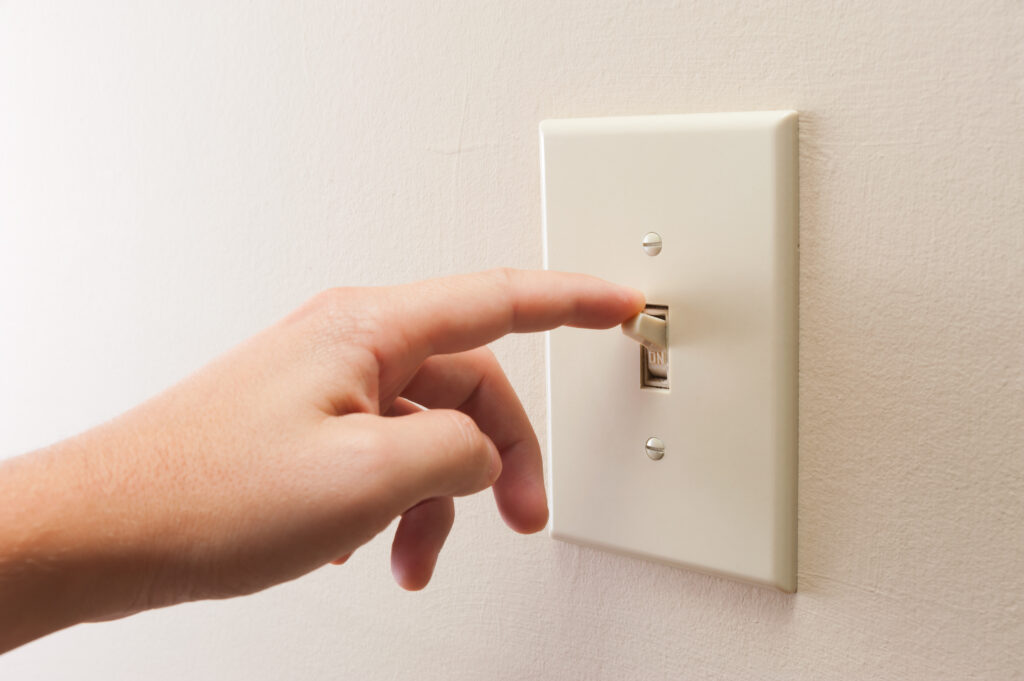
Some of the most stubborn smoke odor sources are the ones nobody thinks to check. Insulation inside walls and attic spaces can harbor smoke compounds for years without anyone touching them. Fireplace components including the damper, firebox walls, and smoke shelf are notorious odor holders that only get noticed when the heat of summer warms the chimney and the smell seeps back into the home. Subflooring beneath carpet is another overlooked area, particularly in homes where previous occupants smoked indoors for extended periods. Electrical outlet covers and switch plates — small and easy to ignore — can also trap smoke residue. When doing a smoke remediation, checking and if necessary replacing these components is worth the extra effort. Leaving even one significant source untouched can undermine everything else you have done.
How Home Systems Aging and Wear Connect to Smoke Issues
Older HVAC systems, aging ductwork with gaps and leaks, and worn chimney components all increase a home’s vulnerability to smoke infiltration and odor retention. Ducts that have never been sealed or insulated properly allow smoke to enter the system more easily and hold onto it longer. A deteriorating chimney liner can cause smoke to backdraft into living spaces during certain wind conditions or when barometric pressure drops. Aging air handlers with dirty coils are less efficient at filtering and circulating air, which means they do a poorer job of helping clear an odor event. This is the connection point between smoke remediation and the broader conversation about home system maintenance. Keeping your systems in good working order is not just about efficiency — it is about resilience against exactly these kinds of events.
Why Armadillo Belongs in Your Smoke Recovery Plan
When smoke damage triggers failures in your HVAC system, your ductwork, or other covered home systems, having a reliable home warranty already in place changes the conversation entirely. Instead of scrambling to find a contractor and negotiate repair costs in the middle of an already stressful situation, you have a plan that activates when you need it most. Armadillo home protection plans for homeowners dealing with system failures are designed to cover the kinds of breakdowns that can follow events like smoke infiltration — including HVAC components that have sustained damage from smoke exposure. If you are thinking about what it means to be truly prepared before the next unexpected event, now is a smart time to get a home warranty quote that covers your HVAC and home systems after smoke damage. Armadillo makes the process fast, transparent, and genuinely useful — not a stack of fine print you have to decode at the worst possible moment.

Frequently Asked Questions About Getting Smoke Smell Out of a House
Real questions homeowners ask — answered clearly and without the runaround.
How long does smoke smell last in a house?
Without active remediation, smoke smell can linger in a home for months or even years. Porous materials like carpet, drywall, and insulation hold odor compounds indefinitely unless they are cleaned, treated, or replaced. The timeline depends heavily on the severity of the smoke event and how quickly cleanup begins.
Does painting over smoke-damaged walls get rid of the smell?
Standard paint will not seal in smoke odor. You need to apply a shellac-based or oil-based odor-blocking primer first. Without that sealing layer, smoke compounds will continue to off-gas through the paint and the smell will return, sometimes within just a few weeks.
Can an air purifier remove smoke smell from a house?
An air purifier with both a true HEPA filter and a substantial activated carbon filter can significantly reduce smoke odor in the air. However, it will not address smoke compounds that are embedded in surfaces, ductwork, or building materials. Air purification works best as one component of a broader remediation approach.
Should I run my HVAC after a smoke event?
Running your HVAC immediately after a smoke event can spread odor-laden air throughout the home and pull smoke particles deeper into the ductwork. If possible, switch to ventilation-only mode using open windows and fans until your filters are replaced and ducts are inspected or cleaned.
Does ozone treatment actually work for smoke smell?
Yes, professional ozone treatment is one of the most effective methods for neutralizing smoke odor at the molecular level. Ozone machines generate reactive molecules that chemically break down odor compounds. The home must be unoccupied during treatment, and all plants, pets, and people need to stay out until the space is fully aired afterward.
How do I get smoke smell out of my HVAC system?
Start by replacing the air filter with a high-MERV rated option. Then have the ducts professionally cleaned and inspected for smoke residue. The evaporator coil and air handler should also be checked, as smoke particles can coat these components and continue to circulate odor every time the system runs.
Is smoke smell in a house a health hazard?
Yes, residual smoke compounds including VOCs and fine particulates can pose real health risks, particularly for children, elderly individuals, and people with respiratory conditions. Prolonged exposure to smoke-contaminated indoor air has been associated with respiratory irritation, headaches, and other symptoms. Remediation is both a comfort and a health issue.
Will a home warranty cover HVAC damage caused by smoke?
Coverage depends on your specific home warranty plan and the cause of the damage. Many home warranty providers cover mechanical failures of HVAC components regardless of cause. It is important to review your plan’s terms and contact your warranty provider promptly after a smoke event to understand what repairs may be eligible for coverage.
What household items absorb smoke smell naturally?
Activated charcoal, baking soda, and white vinegar are among the most effective natural odor absorbers. Placing open containers of activated charcoal or baking soda in affected rooms over several days can help reduce airborne odor. These are best used as supplemental tools alongside deeper cleaning, not as standalone solutions for significant smoke events.
When should I hire a professional for smoke smell removal?
If the smoke source involved a structural fire of any size, if you have completed thorough DIY cleaning without lasting results, or if the smell is coming from inside walls or the HVAC system, it is time to hire a certified smoke and fire restoration professional. The cost of professional remediation is almost always less than the cumulative expense of ongoing DIY attempts that do not fully resolve the problem.