What Does It Mean to Hide an Air Conditioner in the Wall?
If you have ever looked at a window unit hanging halfway out of your home or a bulky through-wall air conditioner jutting into your living space, you already understand the appeal of something cleaner. Hiding an air conditioner in the wall is exactly what it sounds like — integrating a cooling unit into your wall so that it sits flush, out of the way, and far less visually disruptive than traditional options. This concept covers a few different installation methods, including through-wall AC units, in-wall mini-split systems, and concealed ductless setups. Each approach has its own requirements, costs, and tradeoffs. Before you start cutting drywall, it helps to understand what you are actually getting into.
How a Wall-Integrated Air Conditioner Actually Works
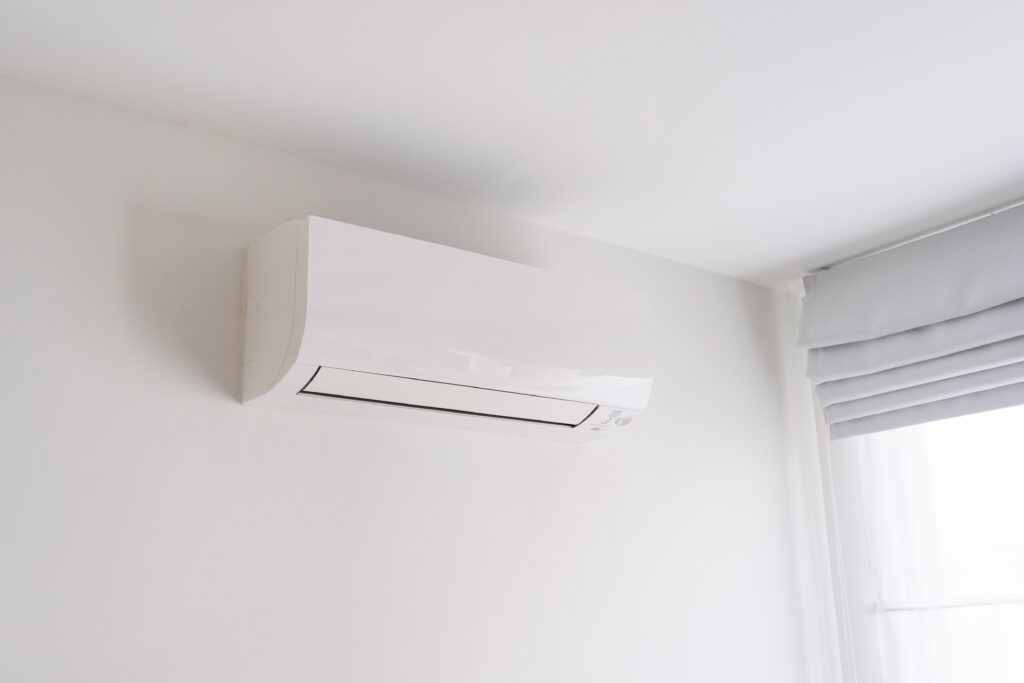
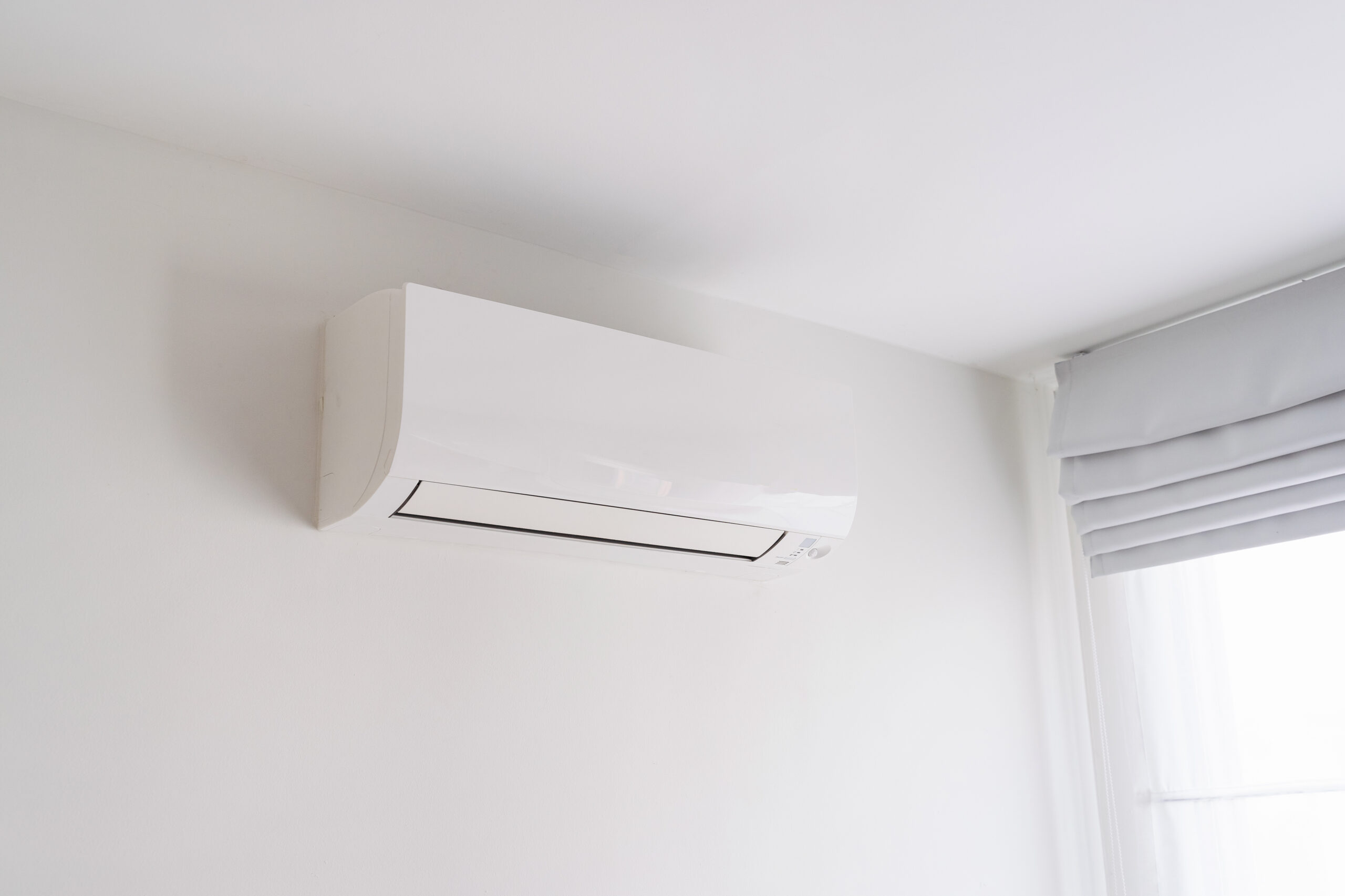
The core idea is straightforward. A cooling unit is installed directly through an exterior wall, with the front panel sitting flush or recessed into the interior wall surface and the rear portion exposed to the outside air. Refrigerant cycles between an evaporator coil on the interior side and a condenser on the exterior side, pulling heat out of the room and releasing it outside. Depending on the system type, there may be a visible grille on the inside wall, a recessed cabinet flush with the drywall, or in more involved installations, a completely concealed cassette system with only a ceiling or wall vent visible. Mini-split systems can be configured with concealed air handlers that sit behind the wall entirely, with only slim vents indicating the unit is there at all. The compressor unit still lives outside, connected through a small conduit run through the wall.
Key Advantages of Hiding Your AC in the Wall
There are several genuine reasons homeowners pursue this route, and not all of them are about aesthetics — though that is usually the starting point.
- Cleaner interior appearance with no bulky window unit blocking light or views
- More consistent airflow distribution when the unit is properly placed at wall height
- Improved energy efficiency compared to older window units when using modern inverter-driven systems
- Permanent installation that does not need to be removed seasonally
- Better security since there is no window left partially open or compromised by a unit
- Less exterior noise intrusion compared to window-mounted options
The aesthetic gain alone is enough to justify the project for many homeowners, particularly in spaces where design matters — home offices, primary bedrooms, or finished basements where a window AC would feel out of place.
Common Drawbacks You Should Know Before Starting
This kind of installation is not without its complications. Cutting into an exterior wall is a significant undertaking, and once the hole is made, there is no simple reversal. Structural considerations matter — you need to avoid load-bearing elements, electrical runs, plumbing lines, and insulation layers that may be disrupted during installation. Beyond the physical work, permits may be required depending on your municipality. The upfront cost is also considerably higher than a window unit. A concealed mini-split system with professional installation can run anywhere from two thousand to five thousand dollars or more for a single zone. There is also the matter of ongoing maintenance — hidden units still need filter cleaning, coil inspections, and refrigerant checks, and accessing those components can be more involved when the unit is recessed or concealed behind finished surfaces.

Types of Wall-Hidden AC Systems Explained
Not all in-wall air conditioner setups are the same. Through-wall units are the most common entry point — these are purpose-built systems designed to slide into a wall sleeve. They look similar to window units but install permanently into the wall cavity. Ductless mini-split systems with concealed air handlers are the more premium option. The air handler mounts inside the wall or ceiling cavity, and only slim linear diffusers or vents are visible. These are ideal for spaces where full concealment is the goal. There are also ducted mini-split systems that connect to small duct runs hidden above drop ceilings or within wall cavities, distributing air through standard vents that blend with the rest of the home. Each system type has different installation complexity, different maintenance access needs, and different price ranges.
What the Installation Process Actually Looks Like
For a through-wall unit, installation begins with selecting the right wall — ideally an exterior wall without electrical, plumbing, or structural conflicts. A sleeve is framed into the wall opening, insulated around the edges, and the unit slides in. Exterior finishing typically includes a protective louver or grille. For concealed mini-split installations, the process is considerably more involved. The air handler cavity must be framed within the wall or ceiling structure, refrigerant lines must be run through the wall to the exterior compressor, condensate drain lines must be routed to a proper discharge point, and electrical work must meet code. This is not a weekend DIY project for most homeowners. Hiring a licensed HVAC contractor is strongly recommended, and in many cases required, particularly for refrigerant handling which requires EPA certification.
Maintenance Considerations for Hidden AC Units
Out of sight does not mean out of mind. Hidden air conditioning systems still require regular upkeep, and in some configurations, that maintenance becomes more complicated. Filters need to be cleaned or replaced regularly — some concealed systems have access panels built into the wall or ceiling for this purpose. Condensate drain lines in concealed systems need periodic flushing to prevent clogs and potential water damage inside the wall cavity. Annual professional inspections are wise for any refrigerant-based system, and concealed units are no exception. Evaporator coils can accumulate debris over time, and without regular servicing, efficiency drops and component wear accelerates. Building a maintenance schedule into your home ownership routine is the difference between a system that lasts fifteen years and one that fails at the eight-year mark.
Cost Expectations and Budgeting for the Project
Cost is one of the most common questions, and the range is genuinely wide. A basic through-wall AC unit with professional installation might run between eight hundred and two thousand dollars total. A single-zone concealed mini-split system with full installation typically falls between two thousand and five thousand dollars. Multi-zone systems covering several rooms scale up from there, often reaching ten thousand dollars or more for larger homes. Permits, wall patching, painting, and any structural modifications add to the total. If your wall requires significant framing work or if insulation must be upgraded, those costs are separate. The efficiency gains from a quality inverter mini-split system can help offset the investment over time, particularly in climates where cooling demand runs high for much of the year.
Is a Hidden AC System Right for Your Home?
The honest answer depends on your specific situation. If you are in a rental property, this is likely off the table entirely. If you own a home with existing central air, adding a hidden wall unit might make sense for a specific room that runs hot or a newly finished space not connected to the duct system. For homeowners building an addition, renovating a basement, or finishing an attic, incorporating a concealed AC system from the start is the smartest and most cost-effective approach since the walls and ceilings are already open. For existing finished spaces, the disruption and cost of retrofitting is real, but so is the long-term payoff in comfort and aesthetics. Evaluate your goals, your budget, and the specific demands of the space before committing.
How Armadillo Protects the Systems Keeping Your Home Comfortable
When you invest in a hidden or concealed air conditioning system, you are making a meaningful financial commitment to your home’s comfort — and that investment deserves protection. Whether it is a through-wall unit or a fully concealed mini-split, these systems are mechanical, and mechanical things eventually break. That is where a quality home warranty makes all the difference. Armadillo home warranty plans designed for HVAC systems and home cooling equipment are built to cover the kinds of failures that catch homeowners off guard — compressor failures, refrigerant issues, mechanical breakdowns that come at the worst possible time. Rather than absorbing the full cost of an unexpected repair on a system that is already embedded in your walls, you have coverage working behind the scenes. If you are ready to take that next step, get a free home warranty quote for your cooling system and home appliances and see how straightforward protecting your home can actually be. Armadillo keeps it simple, honest, and built around what homeowners actually need.

Frequently Asked Questions About Hiding an Air Conditioner in the Wall
Can any air conditioner be installed inside a wall?
No. Only units specifically designed for through-wall installation or ductless mini-split systems with concealed air handlers are appropriate for in-wall mounting. Standard window units are not engineered for this use and should not be adapted for wall installation.
Do I need a permit to install an in-wall air conditioner?
In most jurisdictions, yes. Any work that involves cutting through an exterior wall, modifying structural elements, or handling refrigerants typically requires a permit. Check with your local building department before beginning any installation.
How much wall space is needed to install a through-wall AC unit?
Most through-wall units require a rough opening of approximately 13 to 16 inches in height and 24 to 28 inches in width, though this varies by manufacturer and unit capacity. Always consult the installation specifications for the specific unit you are purchasing.
Will hiding an AC unit in the wall affect my home warranty coverage?
It depends on the warranty provider and the terms of the plan. Some home warranties cover concealed or built-in HVAC systems the same as standard units. Reviewing your coverage details or speaking with your warranty provider before installation is the smart move.
How do I access a concealed AC unit for maintenance?
Most concealed mini-split air handlers include an access panel built into the wall or ceiling near the unit. For filter cleaning, this panel is typically designed to be user-accessible. For deeper maintenance like coil cleaning or refrigerant checks, a licensed HVAC technician should handle the work.
What is the lifespan of a wall-integrated air conditioning system?
With proper maintenance, a quality through-wall unit typically lasts 10 to 15 years. Concealed mini-split systems from reputable manufacturers can last 15 to 20 years when serviced annually and operated within their designed load capacity.
Is a concealed mini-split more energy efficient than a through-wall unit?
Generally, yes. Modern inverter-driven mini-split systems are among the most energy-efficient cooling options available, with SEER ratings frequently exceeding 20. Standard through-wall units tend to be less efficient, though newer models have improved significantly compared to older designs.
Can a hidden wall AC unit also provide heat?
Yes. Many ductless mini-split systems operate as heat pumps, providing both cooling and heating from the same unit. This makes them particularly versatile for rooms without existing heating infrastructure.
What happens if a concealed AC unit leaks water inside the wall?
A clogged condensate drain is the most common cause of water leaks in concealed systems. If water backs up and leaks into the wall cavity, it can cause mold growth and structural damage. Regular drain line maintenance is critical to preventing this scenario.
Does hiding an AC unit affect its cooling performance?
When properly installed with appropriate airflow clearances and correctly sized for the space, a concealed unit performs comparably to a visible one. Improper installation — particularly inadequate clearance around the air handler or obstructed return air paths — can reduce efficiency and performance.