Why Your Carpet Smells and What You Can Actually Do About It
Carpet is one of those home features that quietly does a lot of work. It cushions your steps, insulates your floors, absorbs sound, and honestly makes a room feel more complete. But carpet also holds onto things — pet dander, moisture, food particles, dust, and over time, all of those things start to tell a story through smell. If you have walked into your home and noticed something a little off, something stale or musty or just not quite right, there is a good chance your carpet is the culprit. The good news is that making your carpet smell fresh and clean is more achievable than most people realize, and it does not require a professional crew or expensive equipment every single time.
Understanding Why Carpet Absorbs Odors in the First Place
Before diving into solutions, it helps to understand the problem. Carpet fibers are designed to grip — that is part of what makes carpet feel soft and comfortable underfoot. But that same gripping quality means carpet holds onto particles that carry odor. Moisture from humidity or spills gets trapped deep in the fibers and the padding beneath. Pets leave behind dander, oils, and accidents. Foot traffic grinds in dirt and organic material. Even cooking odors and cigarette smoke can settle into carpet over time. This is not a design flaw exactly, it is just physics. Porous materials absorb things, and carpet is among the most porous surfaces in any home.
Everyday Habits That Keep Carpet Smelling Fresh
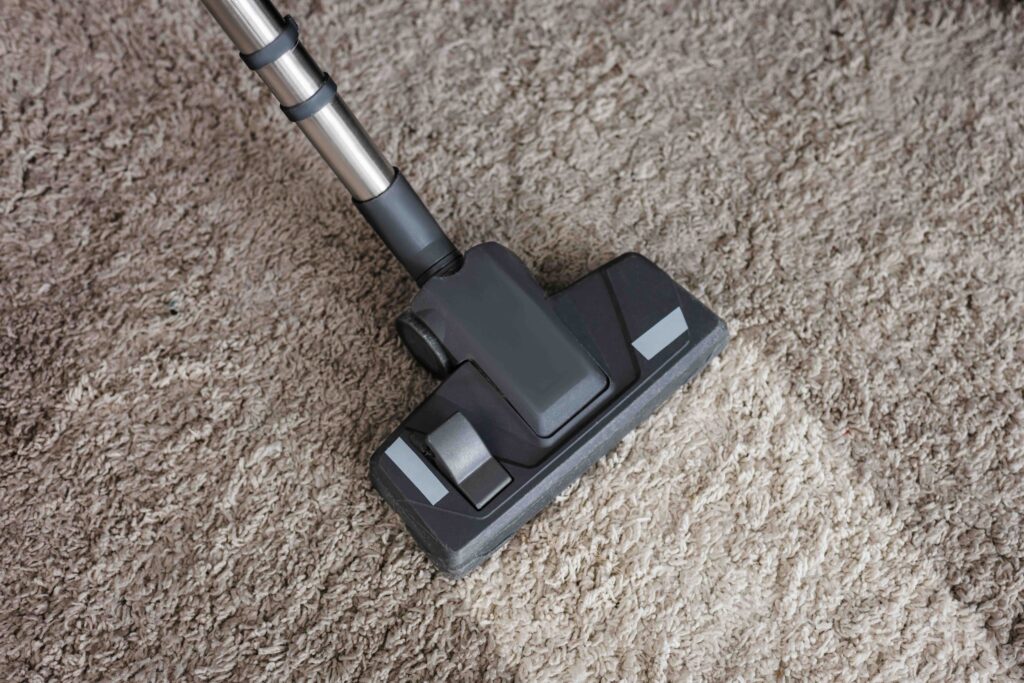
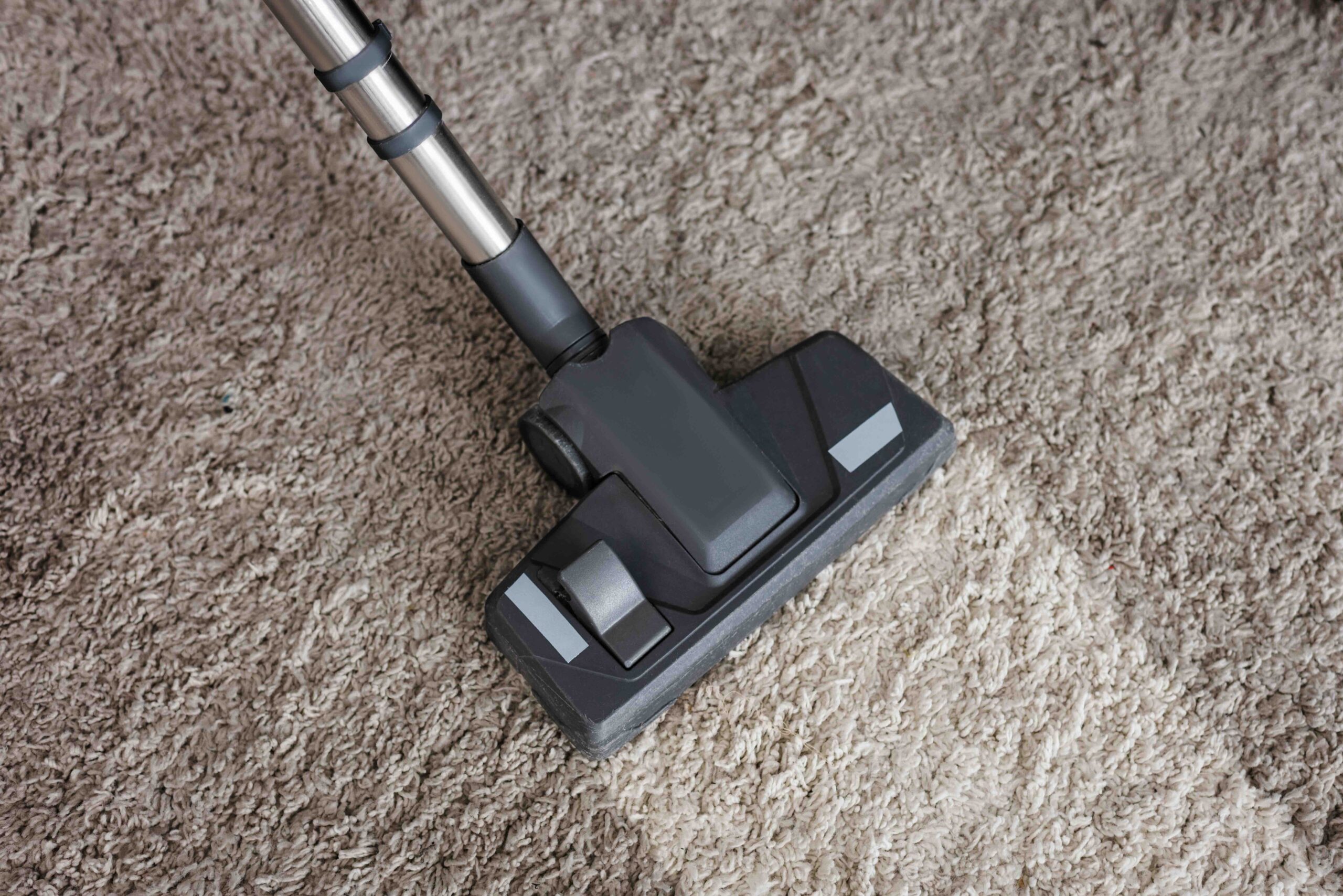
Consistent maintenance is genuinely the most effective strategy for carpet odor prevention. It sounds simple because it is, but many homeowners skip the basics and then wonder why deeper interventions are needed more often. Vacuuming at least once or twice per week removes the surface-level buildup before it has a chance to work its way deeper into the fibers. Using a vacuum with a HEPA filter makes a meaningful difference because it traps finer particles rather than recirculating them. Removing shoes at the door is another underrated habit — outdoor shoes carry in an astonishing amount of material from sidewalks, parking lots, and lawns, all of which contribute to carpet odor over time. Addressing spills immediately rather than letting them sit prevents moisture from reaching the padding, which is where the most persistent odors tend to live.
Natural Remedies That Actually Work
Baking soda is the most widely recommended natural carpet deodorizer, and the reputation is earned. Sprinkling a generous layer of baking soda across your carpet, letting it sit for at least thirty minutes, and then vacuuming it up thoroughly pulls odors out of the fibers without introducing chemicals or artificial fragrances. For stronger odors, leaving the baking soda overnight yields better results. White vinegar diluted with water in a spray bottle is another effective option, particularly for pet odors or areas where biological material has been present. The vinegar smell dissipates as it dries, taking other odors with it. Essential oils can be added to baking soda before application to leave behind a light, pleasant scent — lavender, eucalyptus, and tea tree are popular choices that also carry mild antimicrobial properties.

Commercial Products Worth Considering
When natural remedies are not cutting through a stubborn odor, commercial carpet deodorizers and enzyme-based cleaners step in. Enzyme cleaners are particularly effective for pet urine because they break down the uric acid crystals that cause the smell rather than simply masking it. This matters because uric acid does not dissolve in water alone, which is why regular cleaning sometimes leaves the odor behind even after the stain appears to be gone. Carpet deodorizing powders available at most home improvement retailers work similarly to baking soda but often include fragrance compounds and additional odor-neutralizing agents. When selecting any commercial product, check that it is safe for your specific carpet type, especially if you have wool, sisal, or other natural fiber carpets that can be damaged by certain chemicals.
Deep Cleaning Methods for Persistent Odors
Periodic deep cleaning goes beyond what vacuuming and surface treatments can accomplish. Hot water extraction, commonly called steam cleaning, is the most thorough method available for residential carpet. It forces hot water and cleaning solution deep into the fibers and then extracts the moisture along with the dislodged particles and contaminants. Professional steam cleaning services typically recommend treating carpets this way every twelve to eighteen months, though households with pets or heavy foot traffic may benefit from more frequent sessions. Rental steam cleaners are available at many grocery and hardware stores if you prefer a DIY approach, though professional equipment generally has stronger suction and leaves less residual moisture, which matters because improperly dried carpet can develop mildew and compound the odor problem.
Addressing the Padding Beneath Your Carpet
This is the part most homeowners overlook. When spills or pet accidents soak through carpet fibers, they reach the padding and sometimes the subfloor beneath. Padding is highly absorbent and not easily cleaned in place. If you have treated a stain repeatedly and the odor returns whenever the area gets warm or humid, the padding is likely the source. In these cases, the most effective solution is removing and replacing the affected section of padding, and in more severe situations, treating the subfloor as well before reinstalling new material. This is an investment, but it addresses the problem at the source rather than managing symptoms indefinitely. A flooring professional can assess the extent of the issue and recommend whether spot replacement or broader intervention is needed.
When Carpet Replacement Becomes the Better Option
Carpet has a lifespan. Most residential carpet is designed to last somewhere between five and fifteen years depending on the quality, the level of traffic, and how well it has been maintained. When odors persist despite thorough cleaning, when fibers are matted and worn beyond recovery, or when the padding has been compromised in multiple areas, replacement often makes more financial and practical sense than continued remediation. New carpet installation also gives you an opportunity to select materials better suited to your household’s needs. There are carpet options with built-in stain and odor resistance, and padding materials that are more moisture-resistant than standard foam, which can help extend the time before odor issues develop again.
Key Factors That Affect Carpet Odor Over Time
- Humidity levels in your home, as moisture accelerates bacterial growth in carpet fibers
- Pet presence and the frequency of accidents or shedding
- The age and condition of the carpet and underlying padding
- How promptly spills and stains are addressed after they occur
- Ventilation throughout the home, including whether windows are opened regularly
- The type of carpet fiber, with synthetic fibers generally more resistant to odor retention than natural fibers
How a Home Warranty Fits Into the Bigger Picture of Home Care
Keeping your home smelling clean and feeling well-maintained is really a reflection of a broader approach to home ownership — one where systems and surfaces are cared for before small issues become expensive ones. Carpet care is a meaningful piece of that, but it connects to the larger systems that keep your home healthy. Moisture problems that affect carpet often trace back to HVAC systems that are not dehumidifying properly, plumbing that has minor leaks, or appliances that are not functioning as designed. That is exactly the kind of overlap where having reliable home warranty coverage becomes valuable. Armadillo home warranty plans for homeowners who want whole-home protection are built to cover the systems and appliances that, when they fail, can create ripple effects throughout your home — including the kind of moisture and air quality issues that end up living in your carpet. If you are ready to stop reacting to problems and start being protected ahead of them, get a free home warranty quote to protect your home’s systems and appliances today and find out how straightforward coverage can actually be.

Frequently Asked Questions About Making Carpet Smell Fresh
How often should I deodorize my carpet?
For most households, applying a baking soda treatment or light deodorizing product once a month is sufficient. Homes with pets or high foot traffic may benefit from doing this every two to three weeks.
Does baking soda actually remove odors from carpet or just cover them up?
Baking soda neutralizes odors through a chemical process rather than masking them with fragrance. It absorbs acidic and alkaline odor compounds, which is why it is effective against a wide range of smells.
Why does my carpet smell worse when it is wet or when humidity rises?
Bacteria and mold that have settled into carpet fibers and padding become more active in the presence of moisture. Heat and humidity accelerate this activity, releasing odor compounds that are less noticeable when the carpet is dry.
Can I use essential oils directly on my carpet?
Direct application of undiluted essential oils is not recommended because the concentration can stain or damage carpet fibers. Mixing a few drops into baking soda before application is the safer and more effective method.
How long should I leave baking soda on carpet before vacuuming?
A minimum of thirty minutes is effective for light odors. For stronger or more embedded smells, leaving baking soda on overnight before vacuuming produces noticeably better results.
Is professional steam cleaning worth the cost?
For most homeowners, professional steam cleaning every twelve to eighteen months is worth the investment. It reaches depths that consumer vacuums and surface treatments cannot, and it significantly extends the usable life of the carpet.
Can carpet odors indicate a bigger problem in my home?
Yes. Persistent musty or mildew smells in carpet can indicate elevated indoor humidity, a plumbing leak nearby, or HVAC performance issues that are allowing excess moisture to accumulate. It is worth investigating the source rather than treating the carpet symptom alone.
How do I get pet urine smell out of carpet permanently?
Enzyme-based cleaners are the most effective solution because they break down the uric acid crystals responsible for the odor. If the urine reached the padding or subfloor, those materials may need to be replaced to fully eliminate the smell.
When should I replace carpet instead of cleaning it?
If carpet is more than ten years old, visibly worn or matted in high-traffic areas, and continues to smell after multiple deep cleanings, replacement is likely the more cost-effective and practical decision.
Does vacuuming more frequently really prevent carpet odors?
Vacuuming twice per week prevents organic material from working its way deeper into the fibers where it is harder to remove and more likely to produce odors. Consistent vacuuming is one of the highest-return habits for long-term carpet freshness.