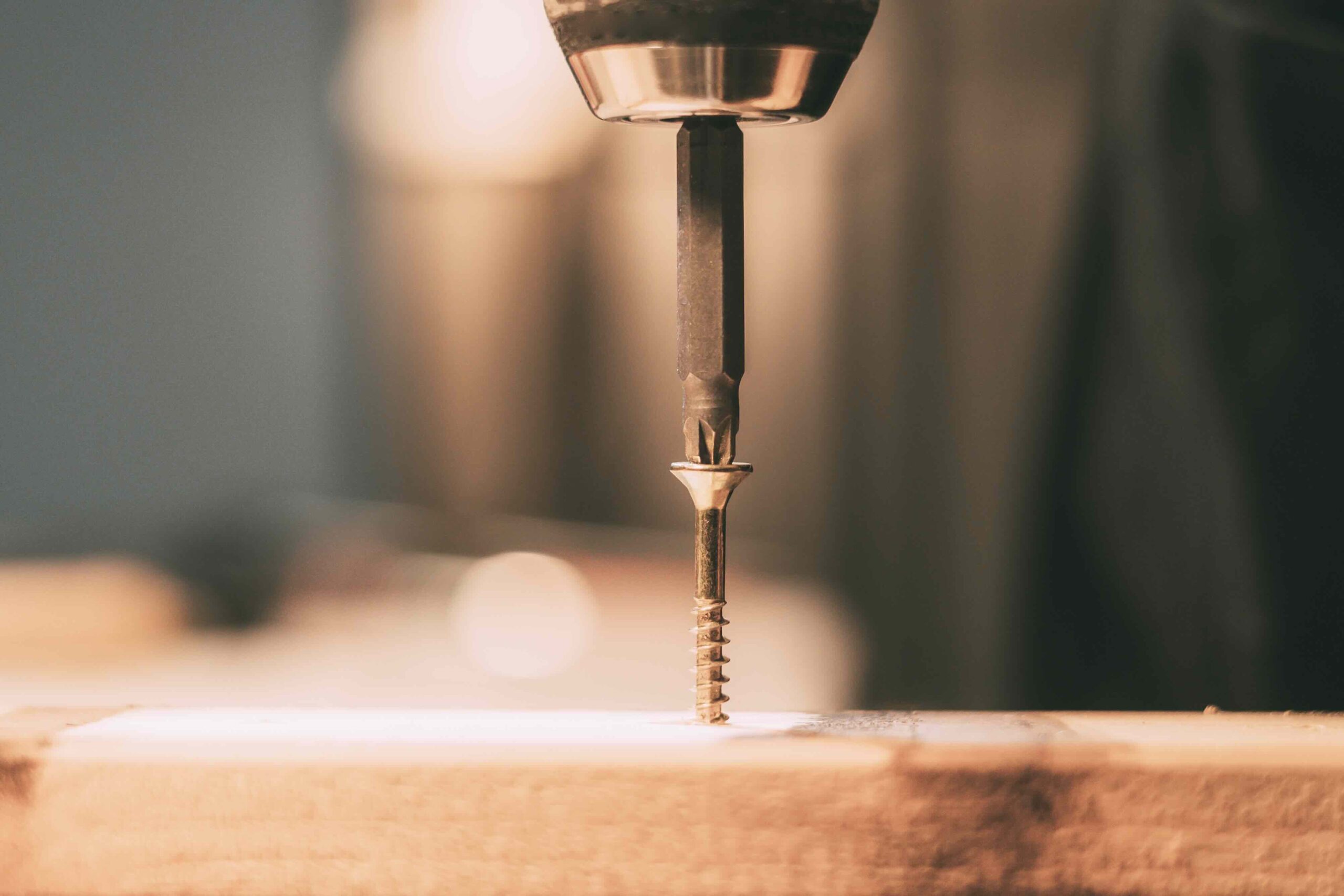
When Screws Won’t Budge: What Every Homeowner Should Know
There is a specific kind of frustration that comes with staring at a screw that simply will not move. The head is worn down, the slot is gone, and your screwdriver keeps slipping. Stripped screws are one of those small home repair problems that feel minor until they are not. Whether you are trying to replace a light switch cover, fix a cabinet hinge, or disassemble an appliance for repair, a stripped screw can bring the whole project to a halt. The good news is that there are reliable methods to remove them, and understanding how each one works can save you a significant amount of time, money, and aggravation.
What Is a Stripped Screw and Why Does It Happen
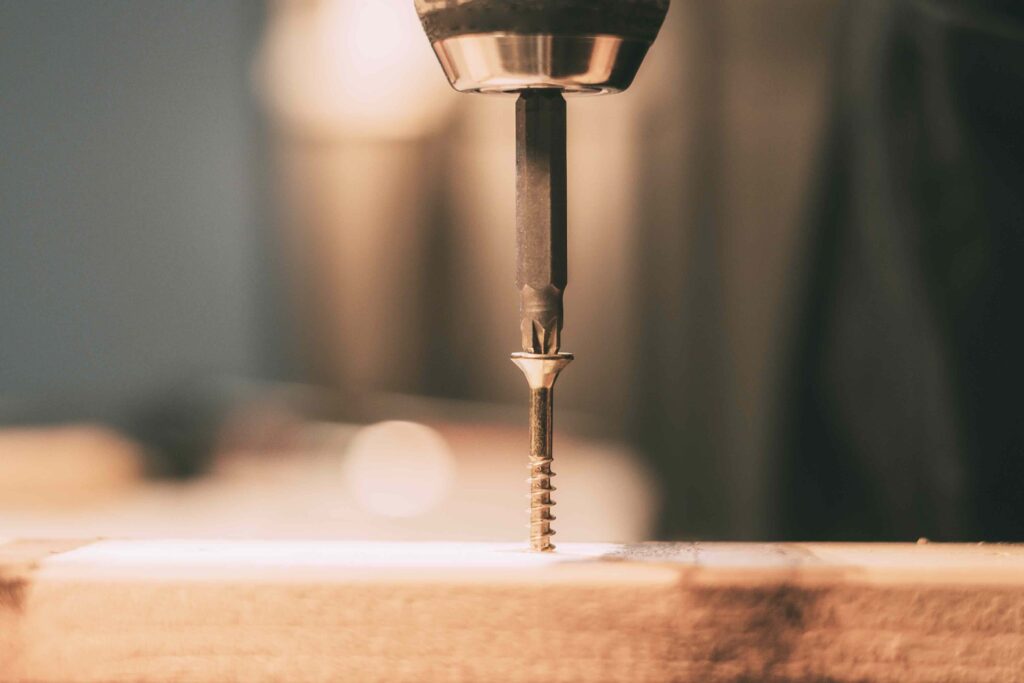
A stripped screw is one where the drive recess — the slot, cross, or star-shaped indentation in the screw head — has been worn down to the point where a standard screwdriver can no longer grip it. This usually happens through a combination of using the wrong size screwdriver, applying too much speed with a power drill, working with low-quality screws, or simply the wear that comes with time and repeated use. Screws in high-traffic areas of the home, like cabinet hardware, outlet plates, and appliance panels, are especially prone to stripping over years of normal use. It is a mechanical failure that is genuinely common, and knowing how to handle it is a practical skill every homeowner benefits from having.
The Rubber Band Trick and Other Low-Tech Fixes
Before reaching for specialized tools, there are a few surprisingly effective low-tech solutions worth trying. Placing a wide rubber band between the screwdriver and the screw head creates additional friction and grip, which is sometimes all that is needed to get a mildly stripped screw moving. Steel wool works similarly. A flathead screwdriver pressed firmly into the stripped head of a Phillips screw can also work if the damage is not too severe. These methods are best suited for screws that are only lightly stripped, but they are worth a try because they require nothing more than items already in most households.

Tools Designed Specifically for Stripped Screw Removal
When friction-based tricks fall short, purpose-built tools become essential. Screw extractor bits are perhaps the most effective option for seriously stripped screws. These reverse-threaded bits grip into the screw head as they turn counterclockwise, essentially threading themselves in as they extract the screw out. They are available at most hardware stores and work with a standard drill. Another effective tool is the screw extractor kit with a specialized damaged-screw socket, which fits around the outside of the screw head rather than into it. This approach is especially useful when the head is still intact but the drive recess is completely gone. Having a basic extraction kit on hand is a worthwhile investment for any homeowner who regularly takes on minor repairs.
Cutting a New Slot Into the Screw Head
One of the more creative solutions involves using a rotary tool or a small hacksaw to cut a new flat slot directly across the top of the screw head. Once the slot is created, a flathead screwdriver can engage with it and provide enough torque to back the screw out. This method requires a steady hand and a bit of patience, but it works well on screws that are accessible and not recessed too deeply into a surface. It does carry some risk of surface damage, so protecting the surrounding material with painter’s tape before cutting is a smart precaution. For screws on appliance panels or inside cabinets, this is a practical, tool-efficient approach.
Using Pliers When the Screw Head Is Exposed
If any portion of the screw head is protruding above the surface, locking pliers or standard needle-nose pliers can provide enough grip to manually rotate the screw out. This is one of the fastest solutions available when the conditions are right. The challenge is that many screws sit flush with or below the surface, making pliers difficult to use. But in cases where the screw is slightly raised — say, on a metal appliance panel or a hinge plate — pliers are highly effective and require no specialty tools at all. The grip they provide is direct and mechanical, and there is very little that can go wrong with this method when applied correctly.
When Drilling Out the Screw Becomes Necessary
Sometimes a stripped screw is so thoroughly damaged that extraction is not feasible, and drilling it out is the only remaining option. This involves using a drill bit slightly smaller than the screw shaft and drilling directly through the center of the screw head. This separates the head from the shaft and allows the material being fastened to be removed. The threaded shaft still remains embedded in the base material and may need to be removed with pliers or left in place depending on the application. Drilling out screws is a last resort because it risks damaging the surrounding surface, but it is an important technique to know when repairs involve stuck screws in structural or mechanical contexts.
Common Household Areas Where Stripped Screws Become a Real Problem
Stripped screws tend to appear in very specific locations around the home, and knowing where to watch for them helps with early intervention. The most common problem areas include:
- Cabinet hinges and drawer hardware, which are opened and closed thousands of times over the years
- Electrical outlet and switch covers, especially in older homes where the screws have been painted over multiple times
- Appliance access panels, including on dishwashers, washing machines, and HVAC equipment
- Light fixture mounting hardware, which often uses small screws that strip easily
- Door hardware including locks, knobs, and strike plates
Recognizing these high-risk locations gives homeowners an opportunity to use proper tools and techniques from the start, reducing the chance of stripping in the first place.
Prevention Is Always Better Than Extraction
Avoiding stripped screws starts with a few basic habits that are easy to build into regular home maintenance. Using the correct screwdriver size is critical — a bit that is even slightly too small will slip and chew up the drive recess quickly. When using a power drill, keeping the speed moderate and applying consistent downward pressure reduces cam-out, which is the technical term for when a screwdriver tip slips out of the head under torque. Choosing higher-quality screws when making repairs also matters; cheap fasteners are made from softer metal that strips more easily. A small investment in a quality screwdriver set with multiple bit sizes covers the vast majority of home repair scenarios and pays for itself quickly.
How a Home Warranty Connects to Screw-Level Repairs and Bigger System Failures
Stripped screws might seem too small to connect to something like a home warranty, but they often signal the beginning of a larger repair conversation. Accessing the internal components of a dishwasher, HVAC unit, or washing machine almost always involves removing fasteners — and when those fasteners are stripped, repair technicians spend extra time and resources just getting inside the unit. For homeowners who rely on covered appliance and system repairs, having a trusted home warranty provider for appliance and system coverage means that when a technician shows up, the costs associated with accessing and repairing a covered component are handled without unexpected out-of-pocket expenses. Armadillo specializes in clear, straightforward coverage that supports real-world repair scenarios exactly like this. If your home systems and appliances are aging and repair calls are becoming more frequent, now is a good time to get a personalized home warranty quote that covers your appliances and major systems before the next repair becomes a financial surprise.

Frequently Asked Questions About Removing Stripped Screws
Homeowners frequently have questions about stripped screws, the tools involved, and how to handle them in common repair situations. The following answers address the most common concerns directly.
What is the easiest way to remove a stripped screw at home?
The rubber band method is one of the simplest starting points. Place a wide rubber band flat over the screw head, press your screwdriver firmly into it, and turn slowly. The rubber adds friction that can be enough to remove lightly stripped screws without any specialty tools.
Do screw extractor kits actually work?
Yes, screw extractor kits are highly effective for moderately to severely stripped screws. They use reverse-threaded bits that dig into the damaged head as they rotate counterclockwise, pulling the screw out as they go. They work best when used at a low drill speed with steady pressure.
Can I drill out a stripped screw without damaging the surrounding surface?
It is possible to minimize damage by using a drill bit that matches the screw shaft diameter closely and by working slowly. Applying painter’s tape around the area adds some surface protection. That said, drilling out a screw always carries some risk of cosmetic or structural damage and should be a last resort.
Why do screws strip so easily in older homes?
Older homes often have screws that have been painted over, corroded, or simply worn through decades of use. The screws themselves may be made from softer metals that were common in earlier manufacturing. Both factors make them significantly more prone to stripping during removal.
What type of screwdriver is least likely to cause stripping?
A screwdriver with a properly fitting tip — specifically one that fills the drive recess completely — is least likely to cause stripping. Magnetic tips help maintain contact and reduce slipping. For power tools, using a clutch-controlled driver set to a lower torque setting reduces cam-out significantly.
Is it safe to leave a broken screw shaft inside a wall or appliance?
In most cases, a small remnant shaft left in a non-structural location will not cause immediate harm, but it depends heavily on the context. Inside an appliance or electrical box, leftover metal fragments can create issues. A technician should assess whether removal is necessary based on the specific location.
How do I remove a stripped screw from a cabinet hinge without replacing the hinge?
Try the rubber band method first. If the screw is too damaged, use a screw extractor bit with a hand drill on a low setting. Once the screw is removed, the hole may need to be filled with a wooden toothpick and wood glue before re-driving a new screw to ensure it holds properly.
Can a home warranty cover repairs that require accessing components with stripped screws?
Home warranties typically cover the cost of repairing or replacing covered systems and appliances, including the labor involved in accessing those components. If a technician needs to address stripped fasteners as part of a covered repair, that work generally falls within the scope of the service call.
What is cam-out and how does it cause stripped screws?
Cam-out occurs when a screwdriver tip slips out of the drive recess under rotational force. It happens most often when the bit does not fit the screw perfectly or when too much speed is applied. Each cam-out event removes a small amount of metal from the recess, progressively stripping the screw over time.
When should I call a professional instead of trying to remove a stripped screw myself?
If the stripped screw is part of an electrical panel, a load-bearing structural component, or a major appliance that is still under warranty, calling a professional is the safer choice. Attempting DIY extraction in sensitive areas can create safety hazards or void existing coverage.