Why Replacing a Kitchen Faucet Is More Significant Than You Think
The kitchen faucet is one of those fixtures that quietly works overtime every single day. Coffee, dishes, handwashing, filling pots — it handles it all without much recognition. So when it starts dripping, losing pressure, or just looking like it belongs in a different decade, replacing it becomes a priority pretty fast. The good news is that a kitchen faucet replacement is one of the more manageable home improvement projects out there. The slightly more complicated news is that there is still quite a bit to understand before you pick one up off a shelf or click buy. This guide breaks it all down so you can approach this project with real confidence.
How a Kitchen Faucet Actually Works
At its core, a kitchen faucet controls the flow and temperature of water coming from your home’s supply lines. Inside the faucet body, there is a valve — typically a ball valve, cartridge, or ceramic disc — that regulates how water moves and mixes. When you turn the handle, that valve opens or restricts water flow. Hot and cold supply lines connect to the faucet from below the sink, and the spout directs water where you need it. Spray functions, pull-down heads, and touchless sensors are all additional components layered onto that basic framework. Understanding this helps when you are shopping, because the internal mechanism type affects both durability and future repair needs significantly.
Signs It Is Time to Replace Your Kitchen Faucet
Not every drip means you need a full replacement, but several signs do point clearly in that direction. Knowing what to look for saves you from spending money on repairs when a replacement would serve you far better in the long run.
- Persistent dripping even after replacing washers or cartridges
- Visible rust, corrosion, or mineral buildup that will not clean off
- Cracked faucet body or base causing leaks around the sink deck
- Squeaking, stiff, or unresponsive handles
- Severely reduced water pressure despite clean aerators
- Outdated finish that clashes with a recently updated kitchen
If two or more of those apply to your current faucet, replacement is almost certainly the smarter financial call compared to ongoing repairs that only buy you a few more months.
Choosing the Right Replacement Faucet
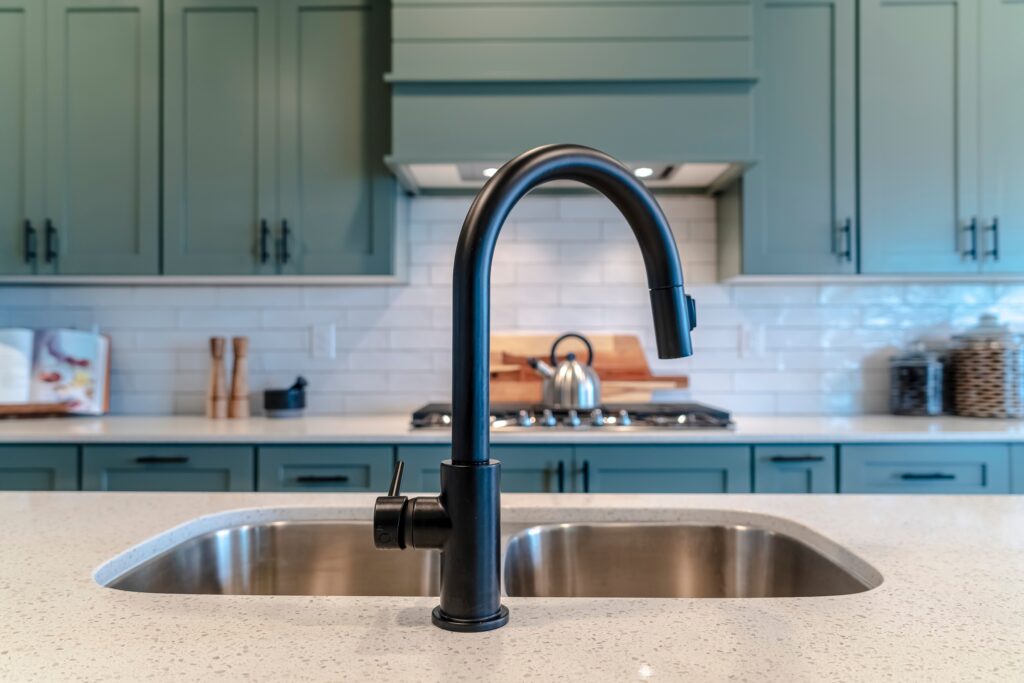
This is where a lot of homeowners slow down, and honestly that is the right instinct. Faucet selection involves more than picking a finish you like. You need to match the number of holes in your sink deck — most sinks have one, two, or three holes — and confirm the faucet you select is compatible. Single-hole faucets are clean and minimal. Three-hole configurations typically accommodate a separate sprayer or soap dispenser. You also want to think about spout height and reach, especially if you wash large pots regularly. Pull-down and pull-out faucets offer flexibility but require enough cabinet depth below for the hose to retract properly. Finish durability matters too — brushed nickel and matte black tend to hold up better against fingerprints and daily wear than polished chrome in high-traffic kitchens.

The Step-by-Step Replacement Process
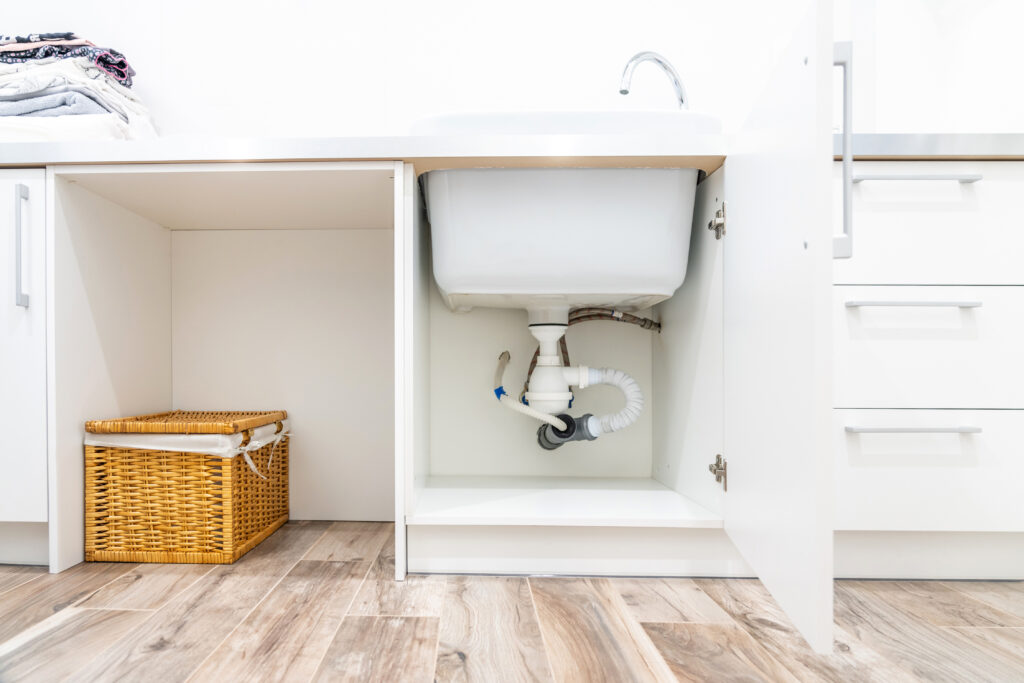
Replacing a kitchen faucet is a project most handy homeowners can handle in two to four hours. Start by shutting off the hot and cold supply valves under the sink — turn them clockwise until they stop. Turn on the faucet to release any remaining water pressure in the lines. Place a bucket or towels under the work area because residual water will drip. Disconnect the supply lines from the faucet using an adjustable wrench, then remove the mounting nuts or hardware securing the faucet to the sink deck. Some older faucets use a large plastic nut that may require a basin wrench to reach in tight spaces. Once the old faucet is removed, clean the sink surface thoroughly before positioning the new unit. Thread the supply lines through the sink holes, attach mounting hardware per the manufacturer’s instructions, reconnect the supply lines, and slowly turn the water back on to check for leaks. Run both hot and cold water, check all connections, and test the spray function if applicable.
Key Advantages of Replacing Your Kitchen Faucet
The benefits of a new faucet go well beyond aesthetics, though a visual upgrade is certainly a welcome outcome. A new faucet can improve water efficiency significantly — many modern models are WaterSense certified, meaning they use less than 1.8 gallons per minute without sacrificing pressure. That adds up over time on your water bill. You also gain improved functionality, whether through a pull-down sprayer, built-in filtration compatibility, or touchless technology that reduces germ transfer during food prep. From a home value perspective, updated kitchen fixtures are one of the small details buyers notice and appreciate. It is a relatively low-cost upgrade with a disproportionately positive visual and functional impact.
Common Drawbacks and Complications to Know About
Fair warning: this project does not always go smoothly, especially in older homes. Corroded or stripped supply line connections can complicate removal significantly. If the shut-off valves under the sink have not been used in years, they may not close completely — or at all — which means you could be dealing with a larger plumbing issue before the faucet is even off. Older homes may also have non-standard sink configurations that limit your replacement options. Budget for a plumber if you run into corroded fittings or valves that fail during the project, because forcing connections in tight spaces without the right experience can lead to leaks you did not start with. It is also easy to underestimate how much time the under-sink work takes when cabinet access is limited.
What a Home Warranty Does and Does Not Cover for Faucets
Here is where home warranty coverage becomes relevant. Many homeowners assume a home warranty will handle any plumbing issue that comes up — and that is partially true, but faucet coverage varies by plan and provider. Most home warranty plans cover the internal components of plumbing systems, including valves and supply line connections, when they fail due to normal wear and tear. However, cosmetic upgrades, code upgrades, and faucet replacements driven purely by preference typically fall outside coverage. What this means practically is that if your faucet fails mechanically — the cartridge cracks, the valve stops functioning, or an internal component breaks down — a good home warranty plan may help offset the repair or replacement cost. Always read your specific plan terms carefully and ask your provider directly what plumbing coverage includes before assuming anything.
Practical Tips to Extend the Life of Your New Faucet
- Clean the aerator every three to six months to prevent mineral buildup from reducing pressure
- Wipe down the faucet body after use, especially in hard water areas, to prevent calcium deposits
- Avoid using abrasive cleaners on the finish, which can strip protective coatings over time
- Check under the sink periodically for slow drips at connection points before they become larger leaks
- Do not overtighten the handle — it stresses the cartridge and shortens its lifespan
Why Armadillo Is the Right Coverage Partner for Homeowners Like You
When something goes wrong with your home’s plumbing — whether it is a faucet that finally gives out or a supply line that decides to fail on a Sunday evening — you want to know you have a plan in place. That is exactly what Armadillo home warranty coverage for kitchen plumbing and appliances is designed to deliver. Armadillo offers straightforward, transparent protection for the systems and components that power your home daily, without the confusing fine print or the runaround when you actually need to use your plan. If you have been thinking about what it would cost to protect your plumbing, appliances, and major home systems against unexpected breakdowns, now is a good time to take action and get a free home warranty quote for your kitchen and plumbing systems in just a few minutes. Faucet projects are manageable. The surprises that come after them do not have to be.

Frequently Asked Questions About Replacing a Kitchen Faucet
These are the questions homeowners ask most often when tackling a kitchen faucet replacement for the first time.
How long does it take to replace a kitchen faucet?
Most kitchen faucet replacements take between one and four hours depending on the condition of the existing connections and the complexity of the new faucet being installed.
Do I need a plumber to replace a kitchen faucet?
Not necessarily. Many homeowners with basic tool familiarity can complete this project independently. However, corroded connections, failing shut-off valves, or non-standard plumbing configurations may require a licensed plumber.
How much does it cost to replace a kitchen faucet?
Faucet costs range from around $50 for basic models to several hundred dollars for premium pull-down or touchless options. Professional installation typically adds $100 to $250 in labor, depending on your location and the complexity of the job.
Will a home warranty cover my kitchen faucet replacement?
Home warranty plans may cover internal plumbing components that fail due to normal wear and tear. Cosmetic replacements or upgrades by choice are generally not covered. Review your specific plan terms for details.
What is the best type of faucet valve for longevity?
Ceramic disc valves are generally considered the most durable and require the least maintenance over time. They are resistant to wear and handle frequent use without developing drips as quickly as ball or cartridge valves.
Can I replace a two-handle faucet with a single-handle faucet?
Yes, but you need to account for the additional holes in your sink deck. A single-handle faucet with a deck plate can cover unused holes, making this swap possible in most cases without modifying the sink itself.
How do I know what faucet size fits my sink?
Measure the distance between the supply line holes in your sink deck and count the number of holes. Most faucet product listings specify the hole configuration they require, making it straightforward to match.
What causes a kitchen faucet to drip after replacement?
Post-replacement dripping is usually caused by a loose connection at the supply lines, an improperly seated cartridge, or a manufacturing defect in the new faucet. Check all connections first before assuming the faucet itself is faulty.
How often should a kitchen faucet be replaced?
A quality kitchen faucet installed correctly can last 15 to 20 years. Factors like water quality, frequency of use, and finish maintenance all influence how long a faucet remains in reliable working condition.
Does replacing a kitchen faucet increase home value?
Updated kitchen fixtures, including faucets, contribute positively to buyer perception during home showings. While a faucet alone will not dramatically shift appraised value, it signals a well-maintained home, which matters in competitive markets.