What Does It Mean to Reset a Garage Door — And Why Should You Care?
Your garage door works quietly in the background, day after day, opening and closing on command. Then one morning, nothing happens. Or maybe it starts moving and reverses for no obvious reason. Before assuming something is seriously broken, there is a good chance a simple reset is all it needs. Resetting a garage door — or more accurately, its opener system — is one of those underrated maintenance tasks that most homeowners never think about until something goes wrong. Understanding what it means, how it works, and when to do it can save you a service call and a fair amount of frustration.
How a Garage Door Opener System Actually Works
Let us start with the basics. A garage door opener is a motorized device mounted to the ceiling of your garage that uses a drive mechanism — typically a chain, belt, or screw — to raise and lower the door along a track. The motor is triggered by a wall-mounted button, a handheld remote, or a keypad. Most modern openers also connect to a home Wi-Fi network, allowing smartphone control. Inside the system, there are limit switches and force settings that tell the motor how far to travel in each direction and how much resistance is acceptable before reversing. These settings can drift over time, get knocked out of alignment, or simply need recalibration after a power surge or other disruption.
Common Reasons a Garage Door Needs to Be Reset
Not every garage door problem is a mechanical failure. Several everyday scenarios call for a reset rather than a repair. Knowing the difference matters, both for your time and your wallet.
- Power outages or voltage surges that scramble the opener’s internal memory
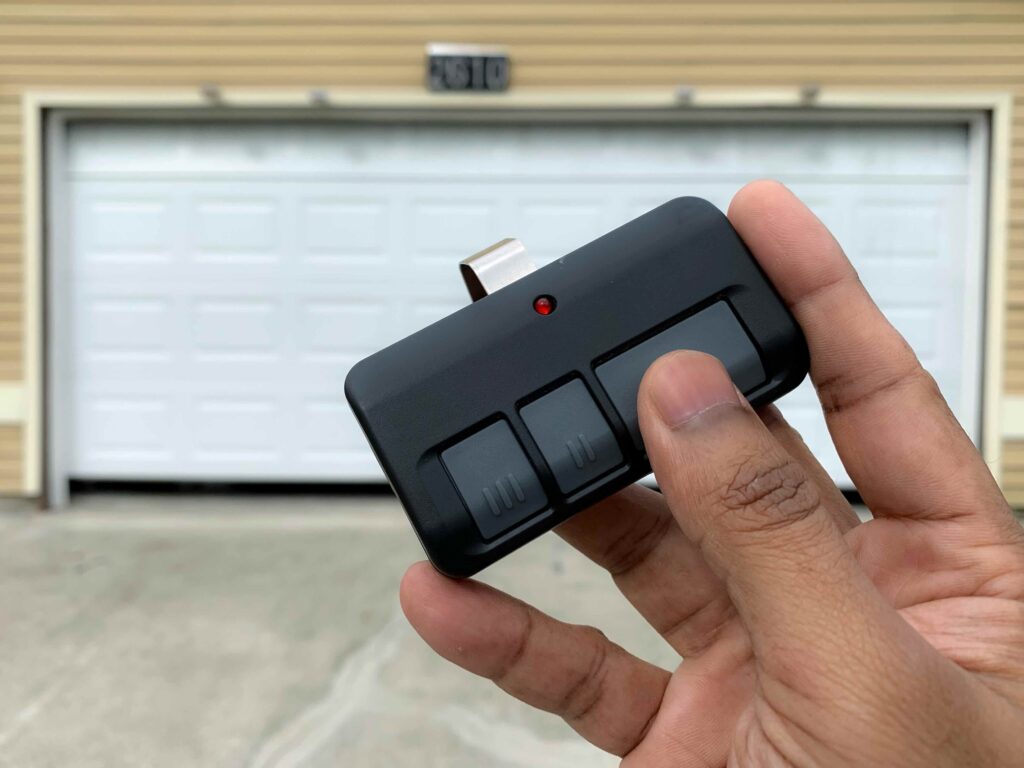
- A remote or keypad that stops responding after a battery change or signal interference
- The door reversing before fully closing or stopping short of fully opening
- After installing a new remote or adding a vehicle with a built-in HomeLink system
- Following a physical adjustment or repair to the door’s springs, cables, or tracks
- When moving into a previously owned home and you want to clear all old codes
How to Reset a Garage Door Opener: The General Process
The specific steps vary depending on the brand and model of your opener, but the general process follows a consistent pattern. Most openers have a Learn button — sometimes called a Program button — located on the back or side of the motor unit, often near the antenna wire. Pressing and holding this button for several seconds will erase all previously programmed remotes and codes from the system’s memory. This is the equivalent of a factory reset for your remote access. Once cleared, you reprogram each remote by pressing the Learn button briefly, then pressing the button on the remote you want to pair until the opener’s light blinks or you hear two clicks, confirming the connection. For limit and force adjustments, which affect how far the door travels and how hard the motor works, there are typically adjustment screws or digital settings accessible through the opener’s menu. These should be approached carefully, and the manufacturer’s guide is your best reference here.
Resetting vs. Reprogramming: Understanding the Difference
These two terms get used interchangeably, but they are not quite the same thing. A reset wipes the opener’s memory — clearing all paired devices and sometimes restoring factory default settings. Reprogramming is the act of re-entering your remotes, keypads, or smart home devices after that reset. You will almost always do both in sequence. Some homeowners only need to reprogram without a full reset — for instance, when adding a new remote to an existing setup. A full reset becomes necessary when troubleshooting persistent issues or when security is a concern, such as after losing a remote or moving into a new home.

Key Advantages of Knowing How to Reset Your Garage Door
There is real value in understanding this process, and it goes beyond just saving a service call. First, there is the security angle. Clearing old codes when moving into a new home means previous owners, their contractors, and anyone else who ever had a remote can no longer access your garage. Second, it gives you diagnostic power. If your door is behaving erratically, attempting a reset and reprogram helps you determine whether the issue is software-based or a sign of a mechanical problem that actually needs professional attention. Third, it is a fast fix for a frustrating situation. When a remote stops working and you have already replaced the battery, a quick reprogram often resolves it in under two minutes.
Potential Drawbacks and Limitations to Keep in Mind
Resetting a garage door opener is not a cure-all. There are situations where it will not solve the problem — and pushing ahead without recognizing those situations can lead to wasted effort or overlooked issues. If your door is reversing because of misaligned safety sensors near the floor, no amount of resetting will fix that. If a spring is broken or a cable has snapped, the door simply will not function correctly regardless of what the opener’s programming says. Limit switch adjustments, if done incorrectly, can cause the door to over-travel or fail to seal at the bottom, creating gaps that affect both security and energy efficiency. And for smart openers with complex Wi-Fi configurations, a factory reset may require you to re-enter your home network credentials and re-link third-party apps, which adds time to the process.
When to Call a Professional Instead
There is a clear line between a reset and a repair, and it is worth knowing where it falls. If the door is visibly off its tracks, making grinding or scraping noises, or showing uneven movement — stop. Do not attempt a reset as a workaround. Those are signs of mechanical issues that require a trained technician. Torsion springs in particular are under extreme tension and should never be adjusted or replaced without proper tools and expertise. The same applies to cables and drums. Resetting the opener controls nothing mechanical — it only manages the motor’s behavior and remote access. Understanding that distinction protects both your door and your safety.
Maintenance Tips to Reduce How Often You Need to Reset
A well-maintained garage door system is far less likely to need frequent resets or repairs. Small, consistent habits go a long way toward keeping things running reliably over the long term.
- Lubricate the chain, belt, or screw drive every six months using a product designed for garage door openers
- Test the auto-reverse safety feature monthly by placing a two-by-four flat on the ground in the door’s path
- Check that the photo-eye sensors are aligned and clean — dust and spider webs are surprisingly common culprits
- Inspect the weatherstripping at the bottom of the door for cracks or gaps that affect the door’s seal and closure behavior
- Replace remote batteries proactively rather than waiting for them to fail mid-use
Why Garage Door Coverage Through Armadillo Makes Sense for Homeowners
Understanding your garage door system is empowering, but even the most prepared homeowner cannot prevent every mechanical failure. Components wear down, motors burn out, and sensors fail — sometimes without warning. That is where having the right home warranty coverage becomes genuinely valuable. Armadillo’s home warranty plans for garage door systems and openers are built with real homeowners in mind — transparent coverage, no confusing fine print, and fast access to qualified technicians when you actually need one. If your garage door opener fails beyond what a reset can fix, the last thing you want is a surprise repair bill. When you are ready to protect your home’s systems the right way, get a free garage door home warranty quote from Armadillo today and find out how simple coverage can actually be.

Frequently Asked Questions About Resetting a Garage Door
Here are answers to the most common questions homeowners have about resetting and reprogramming their garage door openers.
What does resetting a garage door opener actually do?
Resetting a garage door opener clears all programmed remotes, keypads, and access codes from the unit’s memory. Depending on the model, it may also restore the opener’s default limit and force settings, essentially returning it to the state it was in when first installed.
How do I find the Learn button on my garage door opener?
The Learn button is typically located on the back or side panel of the motor unit, which is the box mounted to the ceiling of your garage. It is often near the light bulb housing and the hanging antenna wire. It may be labeled as Program or simply identified by a small colored button.
Will resetting my opener delete all my remotes?
Yes. A full reset erases all paired devices, including handheld remotes, wall-mounted keypads, and any vehicle HomeLink systems you have programmed. You will need to reprogram each device after completing the reset.
How long does it take to reset and reprogram a garage door opener?
The reset itself takes only a few seconds. Reprogramming one or two remotes typically takes less than five minutes total, assuming you have the devices on hand and follow the correct pairing sequence for your specific opener model.
Why is my garage door reversing before it closes all the way?
This is most commonly caused by misaligned photo-eye sensors near the base of the door, incorrect limit settings, or an obstruction in the door’s path. A reset can sometimes resolve a limit setting issue, but misaligned sensors require physical realignment rather than reprogramming.
Do I need to reset my garage door opener when I move into a new home?
Yes, and it is strongly recommended. Performing a full reset clears any remotes or codes that previous occupants, real estate agents, or contractors may still have active access through. It is a straightforward security measure that takes less than a minute.
Can a power outage cause my garage door opener to need a reset?
It can, particularly if the outage was accompanied by a power surge. Some openers lose their programming or experience erratic behavior after electrical disruptions. If your opener acts strangely after a storm or outage, a reset and reprogram is a reasonable first step before calling for service.
What is the difference between resetting and reprogramming a garage door opener?
Resetting clears the memory entirely, removing all stored access codes. Reprogramming is the process of re-entering your remote controls and keypads after a reset, or simply adding a new device to an existing setup without wiping everything else. Both steps are usually performed together.
Does resetting a garage door opener fix mechanical problems?
No. A reset only affects the opener’s electronic settings and stored device memory. It does not address broken springs, damaged cables, worn gears, bent tracks, or motor failures. If the problem is mechanical, a reset will not resolve it and professional repair is needed.
Is a garage door opener covered under a home warranty?
Many home warranty plans include garage door openers as part of their coverage, though the specifics depend on the provider and the plan. Coverage typically applies to mechanical and electrical failures of the opener unit itself, rather than cosmetic damage or issues caused by physical impact or neglect.