When Your Outdoor Outlet Goes Dead: What It Means and What to Do
You plug in the holiday lights, the power washer, or the patio speaker, and nothing happens. No hum, no power, no response at all. The outlet just sits there, completely unresponsive, and suddenly your weekend project is on hold. Before you assume the worst or call an electrician, there is a good chance the fix is simpler than you think. Outdoor outlets are designed with built-in safety features that can trip under certain conditions, and resetting them is something most homeowners can do in under five minutes. Understanding how these outlets work, why they fail, and what role a home warranty plays in the bigger picture can save you time, money, and a lot of unnecessary stress.
What Is an Outdoor Outlet and Why Is It Different from Indoor Outlets
Outdoor electrical outlets are not the same as the ones inside your home. They are specifically designed to handle exposure to moisture, temperature swings, and debris. The most important distinction is that outdoor outlets are required by code to be GFCI-protected. GFCI stands for Ground Fault Circuit Interrupter. This technology monitors the flow of electricity through the circuit and shuts everything down the instant it detects an imbalance, which often signals a dangerous fault condition. That response time is measured in milliseconds. The GFCI mechanism is what makes outdoor outlets safer near water sources, wet ground, and humid air. It is also what causes them to trip and stop working when something sets them off.
Why Outdoor Outlets Stop Working in the First Place
There are several reasons an outdoor outlet might go dead. Knowing which one applies to your situation will help you fix it faster and prevent it from happening again. The most common causes include the following:
- Moisture intrusion from rain, sprinklers, or condensation inside the outlet cover
- Overloading the circuit by plugging in too many devices at once
- A ground fault triggered by a faulty appliance or damaged power cord
- A tripped GFCI outlet, either at the outdoor location or at an indoor outlet connected to the same circuit
- A tripped breaker in the main electrical panel
- Wiring that has deteriorated over time due to weather exposure
The majority of these situations do not require professional intervention right away. The GFCI trip is by far the most common culprit, and resetting it is a straightforward process any homeowner can handle safely.
How to Reset an Outdoor Outlet Step by Step
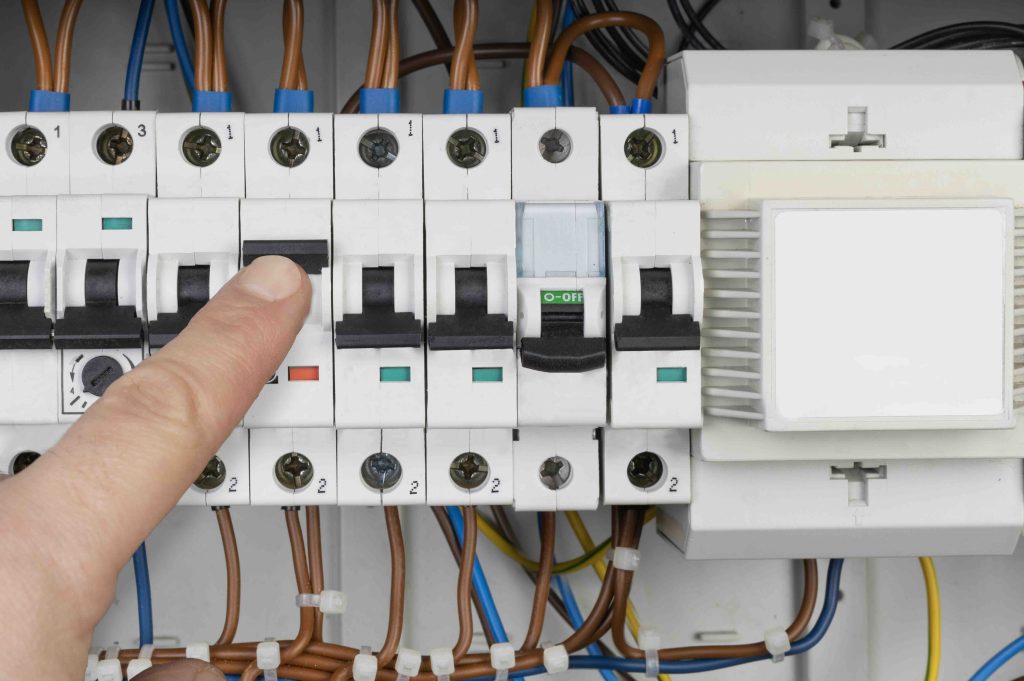
Resetting a tripped outdoor outlet is a practical skill that requires no special tools and very little electrical knowledge. The process is manageable and safe as long as you follow a logical sequence. Start by locating the GFCI outlet. On most outdoor outlets, you will see two small buttons in the center of the outlet face, typically labeled TEST and RESET. If the outlet has tripped, the RESET button may have popped out slightly. Press it firmly until you hear or feel a click. That click confirms the circuit has been restored. If the outlet still does not work after pressing RESET, check whether there is an indoor GFCI outlet that controls the same circuit. Many outdoor outlets are wired downstream from an interior bathroom, kitchen, garage, or basement outlet. Locate those indoor GFCI outlets and check if any of them need to be reset. If resetting the GFCI does not resolve the issue, the next step is checking your main electrical panel for a tripped breaker. A tripped breaker will sit in a middle position between ON and OFF. Switch it fully to OFF first, then firmly back to ON. After resetting the breaker, return to the outdoor outlet and test it again.
What to Do When the Reset Does Not Work
Sometimes the outlet trips again almost immediately after you reset it. That repeated tripping is the electrical system telling you something is wrong beyond a simple fix. Do not keep resetting it and hoping it holds. Repeated tripping usually points to a persistent ground fault, a damaged outlet that needs replacement, wiring damage somewhere along the circuit, or an appliance with an internal fault that is triggering the GFCI every time it is plugged in. Test different devices in the outlet to rule out a faulty appliance. If the outlet trips with multiple devices or with nothing plugged in at all, the problem is in the outlet or its wiring, and that warrants a licensed electrician.

The Role of Weather Covers and Outlet Protection
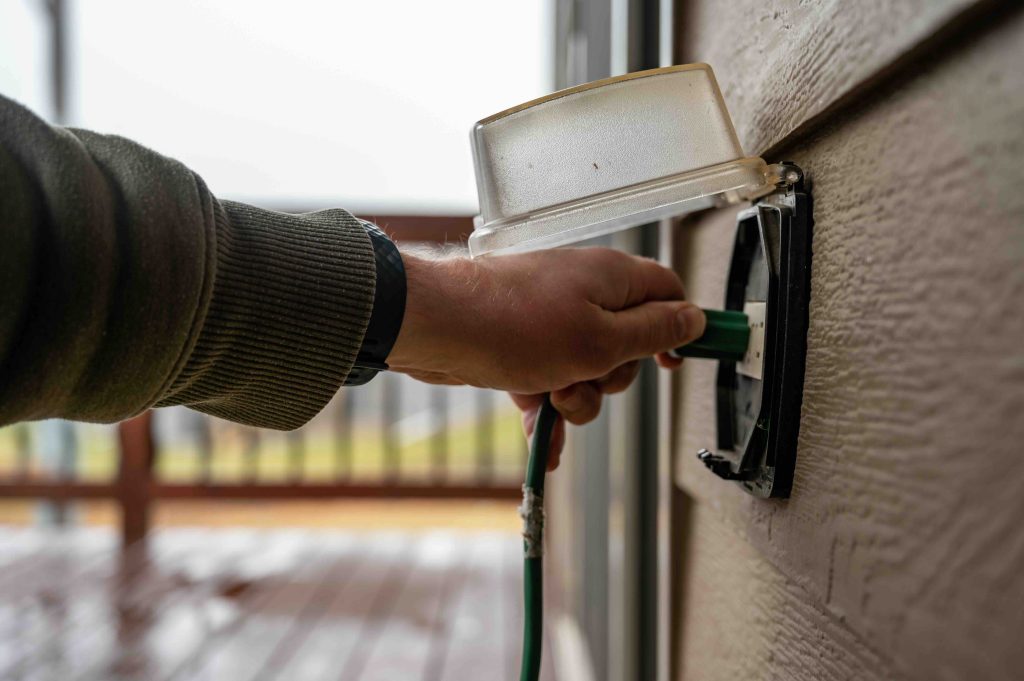
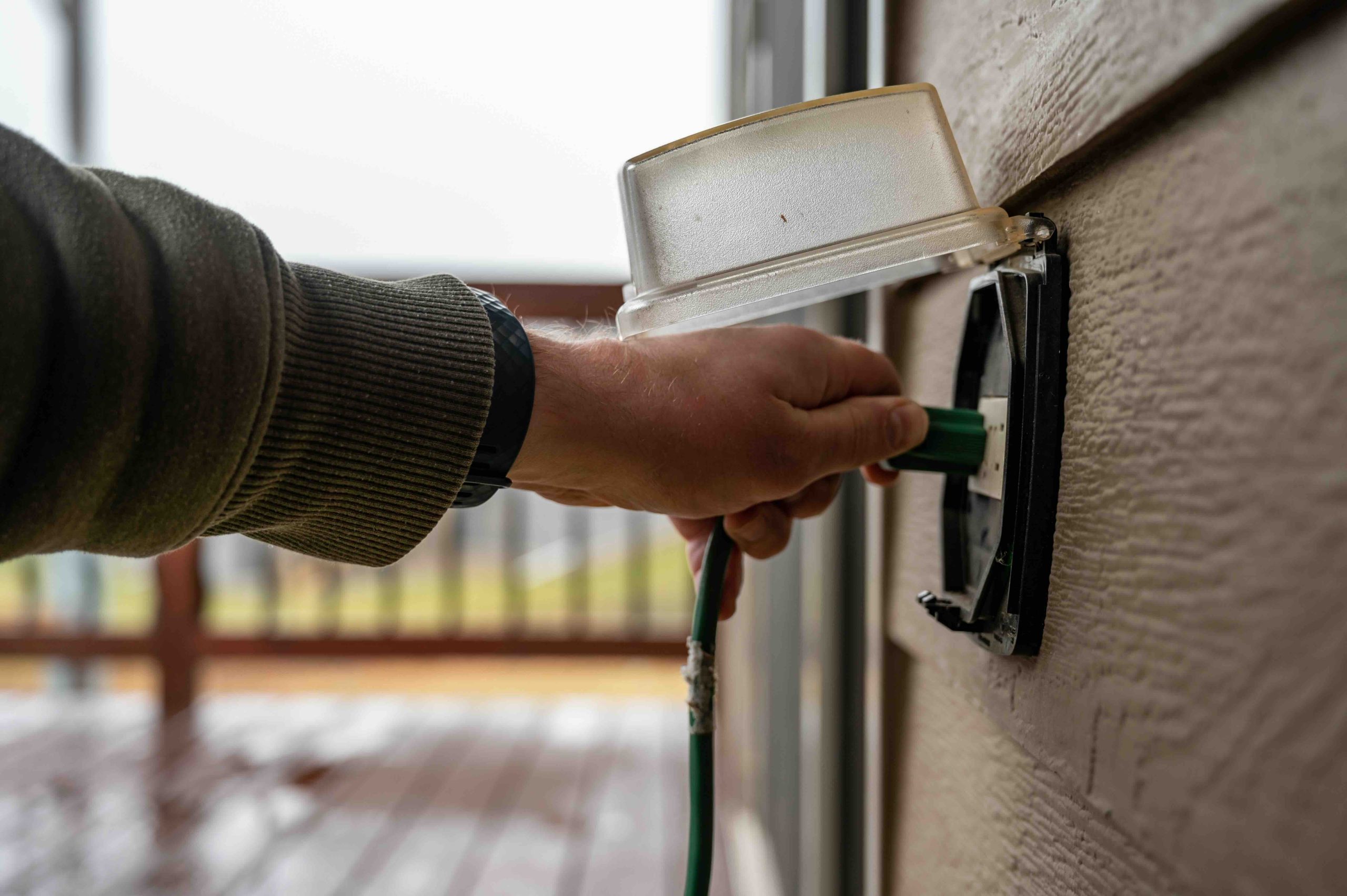
Outdoor outlets are required to have weather-resistant covers, but not all covers are created equal. Standard flip covers offer basic protection when the outlet is not in use. In-use covers, sometimes called bubble covers, extend over the outlet even while a cord is plugged in. These provide substantially better protection in rain and wet conditions. If your outdoor outlet sits in a high-exposure location, an in-use cover is worth the minimal investment. Moisture is one of the top causes of GFCI trips and long-term outlet damage, so reducing its intrusion extends the life of the outlet and reduces unnecessary tripping. Check periodically that your covers are closing fully and that the gaskets are still intact.
Key Advantages of GFCI-Protected Outdoor Outlets
The GFCI protection built into outdoor outlets is not just a regulatory requirement. It is a genuinely useful safety feature that prevents electrocution in environments where water and electricity are in close proximity. Consider the scenario of using an electric tool near a garden hose, or plugging in a string of lights while the ground is wet after rain. Without GFCI protection, a fault in that scenario could be fatal. The technology is fast, reliable, and passive, meaning you do not have to do anything for it to protect you. It activates on its own the moment a dangerous condition is detected. That level of automatic protection is genuinely valuable in a part of the home that sees constant weather exposure and casual daily use.
Common Drawbacks Homeowners Should Know About
GFCI outlets do trip more frequently than standard outlets, which can be frustrating when you simply need to power something outdoors. They can also wear out over time. Most manufacturers recommend testing them monthly and replacing them every ten years or so. If the TEST button no longer trips the outlet or the RESET button does not hold, the outlet itself has failed and needs replacement. Older homes may have outdoor outlets that are not GFCI-protected at all, which is a code violation in most jurisdictions and a genuine safety hazard. Upgrading those outlets is not optional in terms of safety, even if local inspectors are not actively checking.
Practical Tips for Maintaining Outdoor Outlets Year-Round
Consistent, light maintenance keeps outdoor outlets functional and safe for years. A few habits make a real difference over time:
- Test GFCI outlets monthly using the built-in TEST and RESET buttons
- Inspect covers and gaskets seasonally for cracks, warping, or gaps
- Keep outlet covers closed when not in use to limit moisture and insect intrusion
- Avoid daisy-chaining extension cords from outdoor outlets, which can overload circuits
- Replace any outlet that trips repeatedly, fails the TEST function, or shows signs of discoloration or burning smell
These habits take only a few minutes per season and can prevent larger electrical problems from developing quietly in the background.
How a Home Warranty Covers Electrical Systems Including Outdoor Outlets
When an outdoor outlet fails due to normal wear and the repair goes beyond a simple reset, the cost of a licensed electrician adds up quickly. That is where home warranty coverage for electrical systems and outlets becomes genuinely useful. Armadillo offers straightforward home warranty plans that include coverage for electrical systems, meaning that when outlets, wiring, and related components fail through normal use, you are not stuck absorbing the full repair bill. For homeowners who want predictable costs and less stress when something stops working, that kind of coverage is worth serious consideration. If you have been on the fence about protecting your home’s systems, now is a good time to get a home warranty quote for electrical and outdoor outlet protection and see what plan fits your situation. Armadillo keeps things simple, transparent, and built around what homeowners actually need.

Frequently Asked Questions About Resetting Outdoor Outlets
Why is my outdoor outlet not working even after pressing the reset button?
If the outlet is not responding after pressing RESET, check for an indoor GFCI outlet on the same circuit in a bathroom, garage, kitchen, or basement. Also check your electrical panel for a tripped breaker. If none of those resolve it, the outlet itself may be faulty and need replacement.
Where is the GFCI reset button on an outdoor outlet?
The GFCI reset button is located directly on the face of the outlet, typically centered between the two plug slots. It is usually labeled RESET and may be red or black. If the button has popped outward, the outlet has tripped and needs to be reset.
Can moisture cause an outdoor outlet to stop working?
Yes. Moisture is one of the most common triggers for a GFCI trip on outdoor outlets. Water intrusion can create a ground fault condition, which the GFCI detects and responds to by shutting off power. Allow the outlet to dry completely before attempting a reset.
How do I know if my outdoor outlet needs to be replaced rather than reset?
If the outlet trips immediately after being reset, fails to hold a reset, shows discoloration, emits a burning smell, or if the TEST button no longer causes a trip, the outlet has likely reached the end of its functional life and should be replaced by a licensed electrician.
Is it safe to reset an outdoor outlet myself?
Yes, pressing the RESET button on a GFCI outlet is safe and is a normal part of homeownership. You do not need to touch any wiring. If the fix requires opening the outlet box or working with wiring, that work should be handled by a licensed electrician.
How often should I test my outdoor GFCI outlets?
Most manufacturers and electrical safety organizations recommend testing GFCI outlets monthly. Press the TEST button to confirm the outlet trips, then press RESET to restore power. If the outlet does not respond correctly to either button, it needs to be replaced.
Does a home warranty cover outdoor outlet repairs?
Many home warranty plans cover electrical systems, which can include outlets, wiring, and related components. Coverage specifics vary by plan, so it is important to review what is included. Armadillo, for example, offers electrical system coverage as part of its home warranty plans.
Why does my outdoor outlet keep tripping repeatedly?
Repeated tripping usually signals a persistent fault condition. This could be caused by a faulty appliance connected to the outlet, damaged wiring, a deteriorating outlet, or moisture inside the outlet box. Test different devices and inspect the outlet for visible damage before calling an electrician.
What is the difference between a tripped GFCI and a tripped breaker?
A tripped GFCI cuts power only to the specific outlet or circuit segment it protects, and is reset directly at the outlet face. A tripped breaker cuts power to an entire circuit and is reset at the main electrical panel. Both can cause an outdoor outlet to stop working.
How long do outdoor GFCI outlets typically last?
GFCI outlets generally last between ten and fifteen years under normal conditions. Outdoor outlets may wear faster due to temperature extremes, moisture, and UV exposure. Regular monthly testing is the best way to catch a failing outlet before it creates a safety issue.