Can You Wash Tennis Shoes in a Washing Machine? A Homeowner’s Guide
Maintaining a clean home extends beyond countertops and flooring. Your appliances work hard—often silently—to help you manage everything from laundry to meal prep. And when it comes to cleaning everyday items like tennis shoes, many homeowners ask the same question: can you safely wash tennis shoes in a washing machine? The answer is yes, in most cases, but doing so requires a deliberate approach to ensure you don’t damage your footwear or, perhaps more importantly, your washing machine. This guide provides a close-up look at how shoe washing intersects with your appliance usage and why it matters from a homeowner protection standpoint—especially if you have or are considering a home warranty plan.
Understanding Washing Machines as Household Systems
Washing machines are some of the most utilized large appliances in the average household. They rely on synchronized movement, water pressure, drainage, and heating elements to wash garments efficiently. The inner drum rotates clothes through cycles of water and detergent before rinsing and spinning them to remove excess moisture. These internal cycles are tested daily with towels, jeans, and now—tennis shoes. Unlike clothing made of lighter fabrics, shoes place strain on the internal drum due to their shape, rubber soles, and unpredictable movement. While machines are built to be durable, repeated heavy or improperly loaded cycles can affect longevity and mechanical performance over time.
Can Tennis Shoes Go In the Washer? The Practical Mechanics
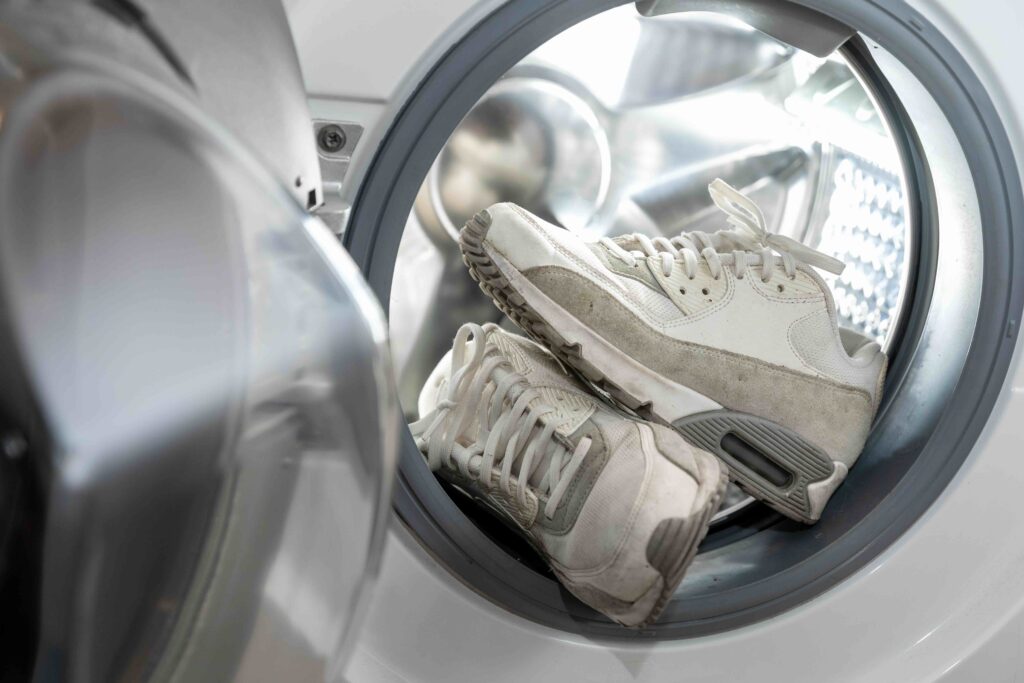
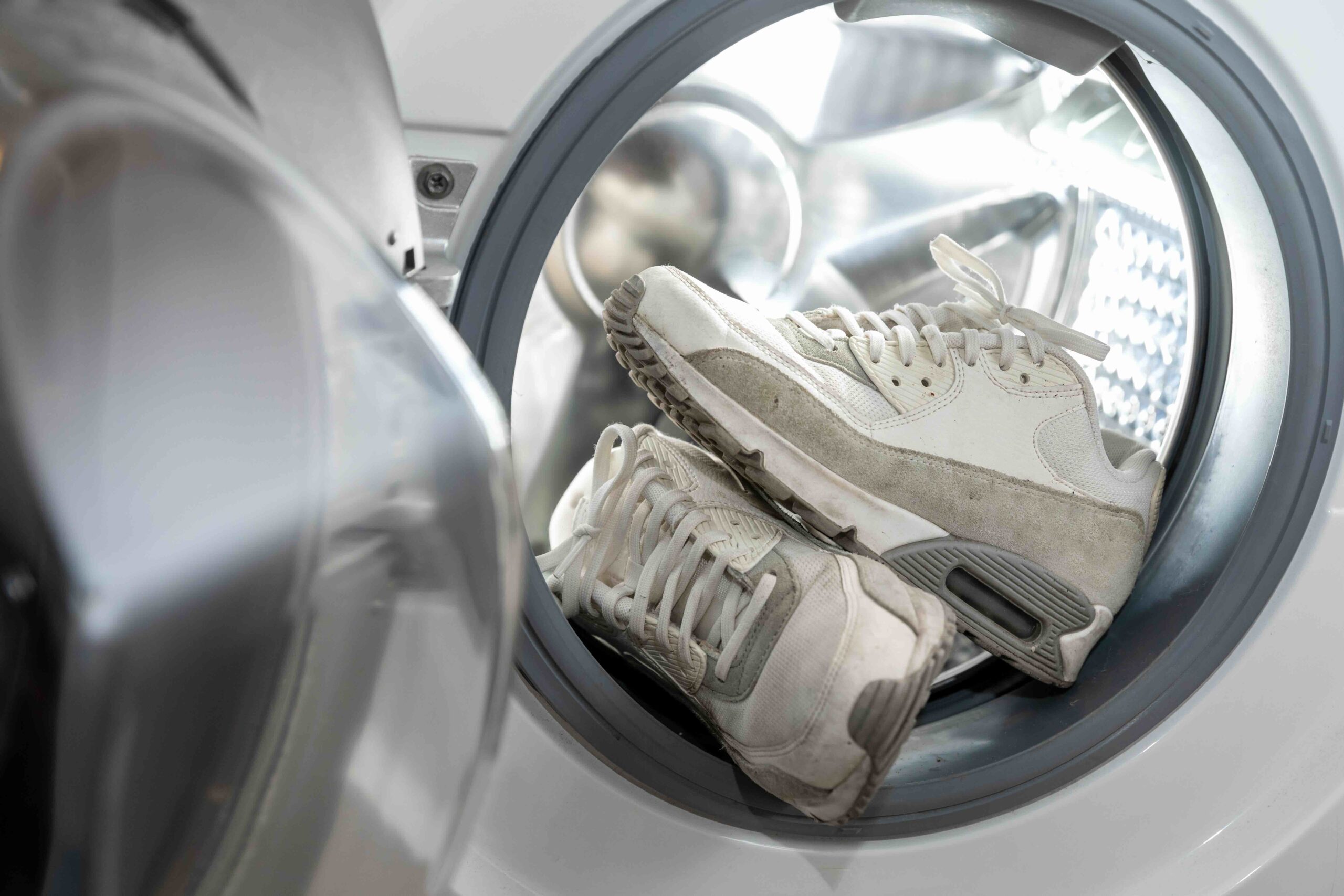
Most tennis shoes made with fabric, canvas, or mesh uppers and rubber soles are safe to clean in a washing machine. The key is preparation—remove the laces and insoles, place the shoes in a washable laundry bag or pillowcase, and add towels to balance the load. This prevents shoes from crashing against the drum which could otherwise destabilize the spin cycle or create prolonged mechanical wear. Cold or warm water with a light detergent on a delicate cycle usually provides a deep clean without compromising materials or stitching. However, avoid frequent cycles, and never machine wash leather, suede, or embellished footwear. Their materials and adhesives degrade under water-based agitation.
How Washing Shoes Affects Your Home Warranty Coverage
Home warranties serve to protect you from costly repairs when your major systems and appliances break down from everyday use. However, misuse or atypical operation may impact your coverage eligibility. For example, if your washing machine suddenly breaks and home warranty technicians identify damage from repeated improper use (like washing heavy, unbalanced loads), your provider may refuse the repair claim. Using the appliance as intended is integral to maintaining your right to service under a home warranty policy. Washing tennis shoes is generally considered safe if done with care, but excessive frequency or improper setup can create unnecessary strain or even component failure—risking both the machine and your warranty eligibility.
Advantages of Machine-Washing Tennis Shoes
The convenience of machine-washing tennis shoes is undeniable. It saves homeowners time, avoids potential manual cleaning errors, and achieves a consistent result. Removing embedded dirt and bacteria is essential for foot health, especially in active households. For families with kids or athletes, it’s a quick way to keep shoes looking and smelling fresh without investing in new pairs. Additionally, the washing machine is often more effective at eliminating unseen odors and residue than hand cleaning with surface-level products. When done properly, the process is safe, hygienic, and more sustainable than running to the store for replacement shoes.
Drawbacks to Keep In Mind
Although cleaning tennis shoes in your washing machine seems straightforward, there are notable risks to be aware of. Over time, the irregular banging and weight distribution can impact the wash drum’s alignment. Even if shoes are cushioned with towels inside a laundry bag, repeated cycles add noise and wear. Additionally, adhesives in the shoe’s sole or trim can loosen, causing performance or safety issues during wear. Water exposure may also warp internal supports inside the shoe, which affects foot ergonomics. And for the washer itself, clogged filters from fabric shedding or debris stuck in drainage systems lead to short-term annoyance and long-term service calls. Every machine has limits, and exceeding them—even unintentionally—can result in premature malfunction.
Tips to Wash Shoes Without Damaging Your Machine
Clean tennis shoes in your machine responsibly with a few intelligent strategies. Always remove any loose dirt from the shoes before the wash—shake out pebbles, rinse mud, and take out insoles. This reduces debris getting into your washing machine. Use a mesh garment bag or tightly tied pillowcase for the shoes and balance the load with towels of similar weight. Choose a slow spin or delicate setting, and opt for cold water to avoid loosening glue or damaging fabrics. Never use bleach, and air dry the shoes afterward—avoid the dryer entirely. High drying temperatures can warp rubber soles and shrink fabric, making the shoes uncomfortable or misshaped. Following these steps helps protect both your appliance and your footwear.
Why Appliance Protection Matters More Than You Realize
We often take our household systems for granted until something goes awry. Washing machines are expensive to replace or repair, yet they’re susceptible to minor missteps modeled as “routine use.” That’s where warranty coverage becomes vital. A reliable home warranty doesn’t just fix what’s broken—it rewards diligent homeowners who use their systems correctly. It offers support and peace of mind when a small mishap, like a vibrating drum caused by an unbalanced shoe load, evolves into a larger issue. By understanding how to use machines responsibly—like learning how and when to wash tennis shoes—you proactively protect your home’s core functions.
Safeguard Your Home Systems with Armadillo
There’s a smarter way to protect your home appliances and systems—especially the ones that get used daily, like your washing machine. Armadillo home warranty plans are built for modern homeowners who want reliability, responsiveness, and real support when something breaks. Whether you’ve just run a heavy sneaker cycle or your machine’s making an unfamiliar sound, Armadillo helps keep your home running smoothly. Get proactive protection without the fine-print migraines. Explore your options today at Armadillo’s homepage or start building your custom plan at our plan builder. Because well-maintained systems deserve equally well-crafted coverage.