A Clogged Sink Is More Common Than You Think
It happens to almost every homeowner at some point. You are standing at the kitchen or bathroom sink, and the water just sits there, draining nowhere. That slow drain or full-on blockage is one of the most common plumbing issues in any home, and most of the time, a plunger is all you need to fix it. The problem is, a lot of people either do not own the right type of plunger or they are not using it correctly. Understanding this simple tool and how it works can save you a service call, some money, and a lot of frustration.
What a Plunger Actually Does
The mechanics behind a plunger are surprisingly straightforward. When you press a plunger down over a drain and push and pull in a rhythmic motion, you are creating shifts in water pressure inside the pipe. The compression pushes water down forcefully, while the suction on the upstroke pulls water back. This back-and-forth action is usually enough to break apart or dislodge soft blockages like hair, soap buildup, and food debris. It is not a miracle device, but for the majority of household clogs, it is genuinely effective when used properly.
Choosing the Right Plunger for the Job
Not all plungers are built for the same purpose, and this is where a lot of homeowners go wrong. There are two main types to know about:
- Cup plungers: These have a flat rubber cup at the bottom and work best on flat surfaces, like sink drains and tub drains. They are the classic red plunger most people picture.
- Flange plungers: These have an extended rubber flap that folds out from the cup. They are designed for toilet drains, where the shape of the bowl requires a better seal.
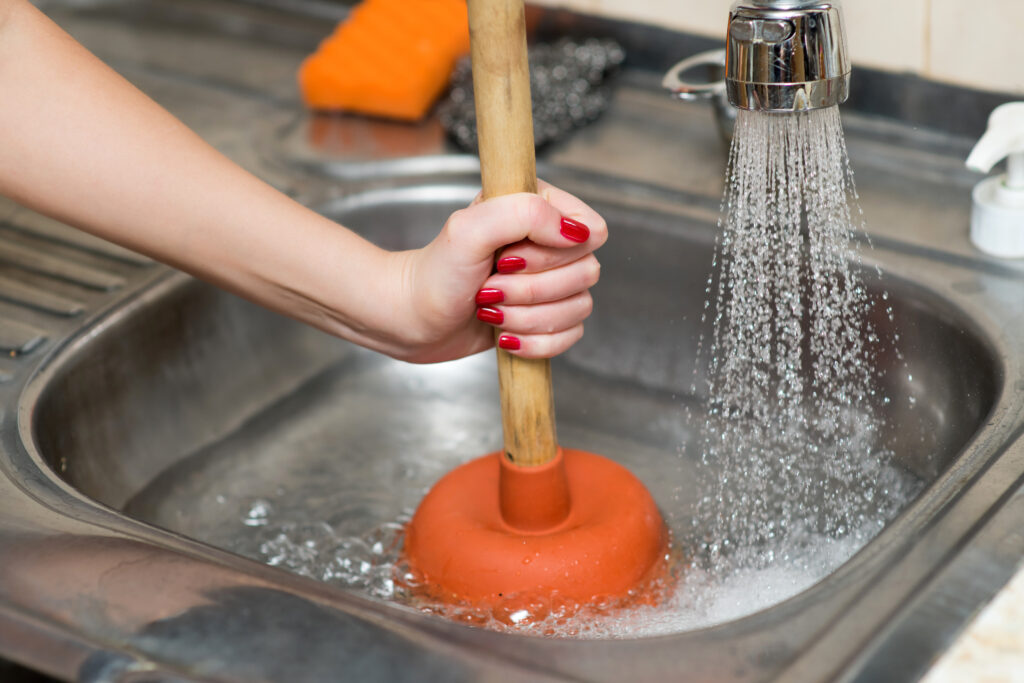
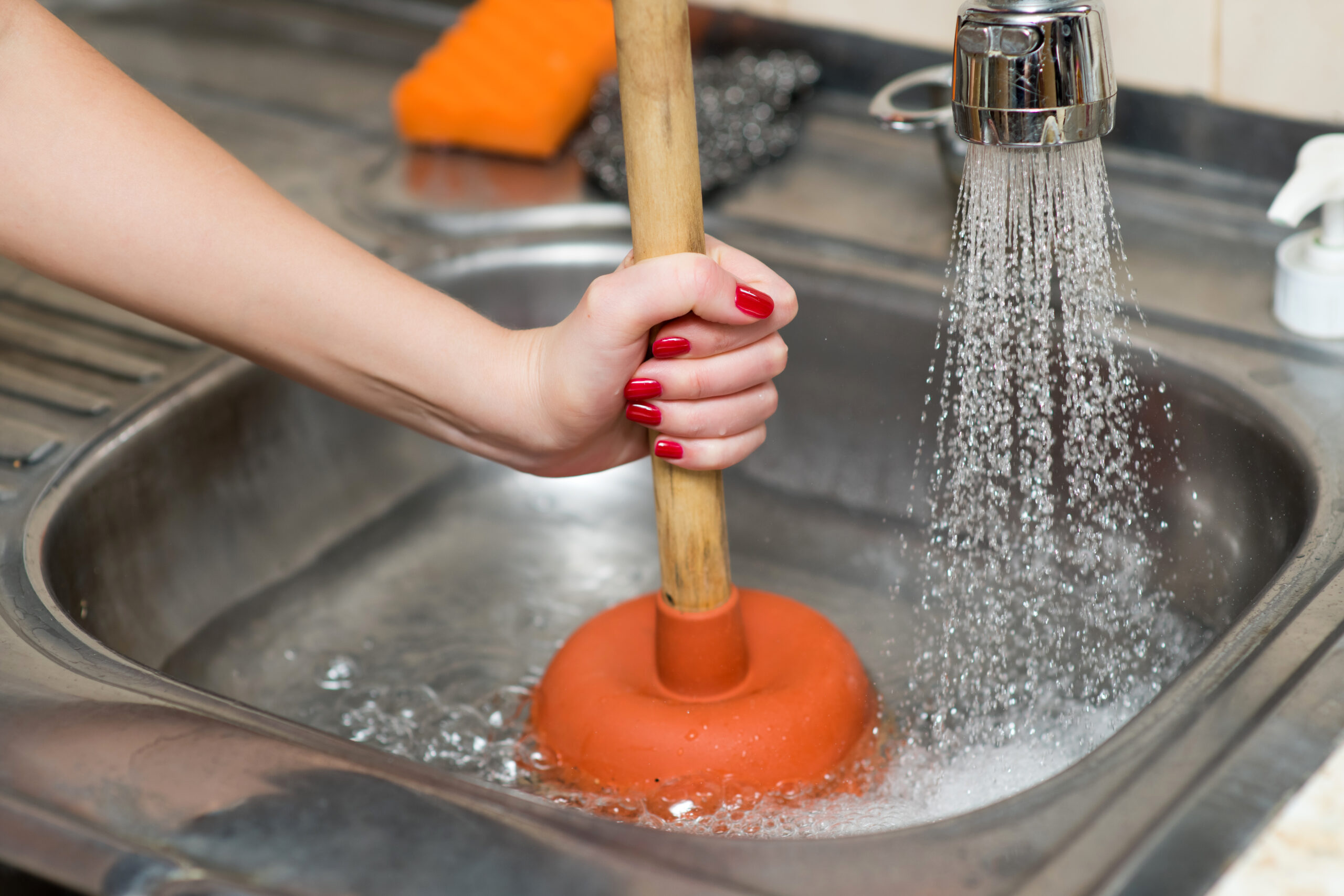
Using a cup plunger on a flat sink drain is the right call. The flat bottom creates a solid seal over the drain opening, which is exactly what you need to build effective pressure. Using the wrong type reduces the seal quality and makes the whole effort far less effective.
How to Unclog a Sink with a Plunger, Step by Step
The actual process is simple, but the details matter. Start by removing any drain stopper or cover if the sink has one. Fill the sink with a couple of inches of water if it is not already backed up. This helps the plunger maintain its seal and gives it something to push against. Position the cup directly over the drain and press down firmly to create a seal. Then, push down and pull up with steady, controlled force, keeping the seal intact. Do this about ten to fifteen times before pulling the plunger away. If the water drains, you have cleared the clog. If not, repeat the process a few more times before trying another approach.
Common Mistakes That Make the Job Harder
There are a few habits that consistently reduce the effectiveness of this method. One of the biggest is breaking the seal too early during the plunging motion. If you lift the plunger completely off the drain on every upstroke, you lose the pressure differential that makes it work. Another common mistake is using a plunger on a completely dry drain. Without water present, the rubber cup cannot form a proper seal. Also, if your sink has an overflow drain, covering it with a wet cloth before plunging helps maintain pressure rather than letting it escape through that secondary opening.
When a Plunger Is Not Enough
A plunger handles soft clogs efficiently, but it has limits. If you have been plunging for several minutes across multiple attempts and the drain is still blocked, the clog may be deeper in the pipe or made up of something more solid. Mineral buildup, tree roots in exterior lines, or objects that have accidentally fallen into the drain are not going to respond to a plunger no matter how long you work at it. At that point, a drain snake or professional inspection may be the next appropriate step. Persistent clogs that resist simple methods often signal a more serious plumbing issue.
Preventing Sink Clogs Before They Start
The best approach to clogged drains is not having to deal with them at all. A few preventative habits go a long way in keeping your pipes clear and your sinks draining properly:
- Install a mesh drain screen to catch hair, food particles, and debris before they enter the pipe.
- Avoid pouring grease or cooking oil down kitchen drains, as these solidify inside pipes over time.
- Run hot water down the drain for thirty seconds after each use to help flush residue through the line.
- Clean drain stoppers regularly, as soap and hair accumulate quickly around them.
Does a Home Warranty Cover Drain Clogs
This is a question worth understanding before a plumbing problem catches you off guard. Home warranties vary by provider, but most standard plans cover the repair or replacement of interior plumbing components when they fail due to normal wear and tear. Drain line stoppages are sometimes included depending on the plan. What is generally not covered is damage caused by misuse, neglect, or pre-existing conditions. Reviewing your coverage details carefully is always worthwhile, and knowing what your plan does and does not include can influence how quickly you call a professional versus attempting a DIY fix first.
Why Armadillo Belongs in Your Home Protection Plan
Sink clogs are one of those home headaches that seem minor until they are not, and that is true of a lot of plumbing issues that escalate when ignored or mishandled. If you want real protection for your home’s systems, Armadillo home warranty coverage for plumbing and essential home systems offers straightforward, honest plans built around what homeowners actually need. No confusing fine print, no surprise runarounds. When something breaks, you should not have to wonder whether you are covered. If you are ready to stop guessing and start protecting your home the smart way, you can get a free home warranty quote for plumbing protection and whole-home coverage in just a few minutes. Armadillo keeps it simple because home protection should not feel like another problem to solve.

Frequently Asked Questions About Unclogging a Sink with a Plunger
These are some of the most common questions homeowners ask when dealing with a clogged sink and trying to figure out the right approach.
What type of plunger should I use on a bathroom or kitchen sink?
A cup plunger is the correct tool for sink drains. It has a flat rubber cup that creates a seal over the flat drain surface, making it effective for pushing and pulling water through the pipe to dislodge a clog.
How long should I plunge a sink before giving up?
Give it three to four rounds of ten to fifteen plunges each. If the clog has not cleared after several consistent attempts, the blockage may be too deep or too solid for a plunger to resolve and may require a drain snake or professional service.
Do I need water in the sink before I start plunging?
Yes. Having at least a couple of inches of standing water helps the plunger form a proper seal over the drain and gives it something to generate pressure against. Plunging a dry drain is significantly less effective.
Why does covering the overflow drain help when plunging?
Sink overflow drains are small openings near the top of the basin that prevent flooding. When you plunge, pressure can escape through that opening instead of building inside the pipe. Covering it with a wet cloth keeps the pressure directed toward the clog.
Can a plunger damage my pipes?
Under normal use, a plunger will not damage pipes. However, using one immediately after pouring chemical drain cleaner down the sink is a serious safety concern, as the chemicals can splash back and cause injury. Always wait and rinse thoroughly before plunging if chemicals have been used.
What causes most sink clogs in the first place?
Bathroom sinks clog most often from accumulated hair and soap scum. Kitchen sinks clog due to food particles, grease buildup, and residue from dish soap. Both types of clogs tend to form gradually near the drain or in the P-trap just below the sink.
Is it safe to use a plunger on a sink with a garbage disposal?
Yes, but you should seal the disposal opening with a cloth or stopper first so the pressure you generate is directed toward the clog in the drain rather than escaping through the disposal. Also, make sure the disposal is off before beginning.
When should I call a plumber instead of using a plunger?
If the clog persists after multiple attempts, if multiple drains in your home are slow simultaneously, or if you hear gurgling sounds from other fixtures, these are signs of a deeper or systemic blockage that requires professional diagnosis.
Does a home warranty cover plumbing clogs and drain issues?
Coverage varies by provider and plan. Some home warranty plans include drain line stoppages as part of their plumbing coverage. It is important to review your specific plan documents to confirm what is and is not included before a problem occurs.
How can I prevent sink clogs from recurring after I clear one?
Use a mesh drain screen to catch debris, avoid putting grease down the drain, run hot water after each use, and clean your drain stopper regularly. These habits significantly reduce the frequency of blockages in both kitchen and bathroom sinks.