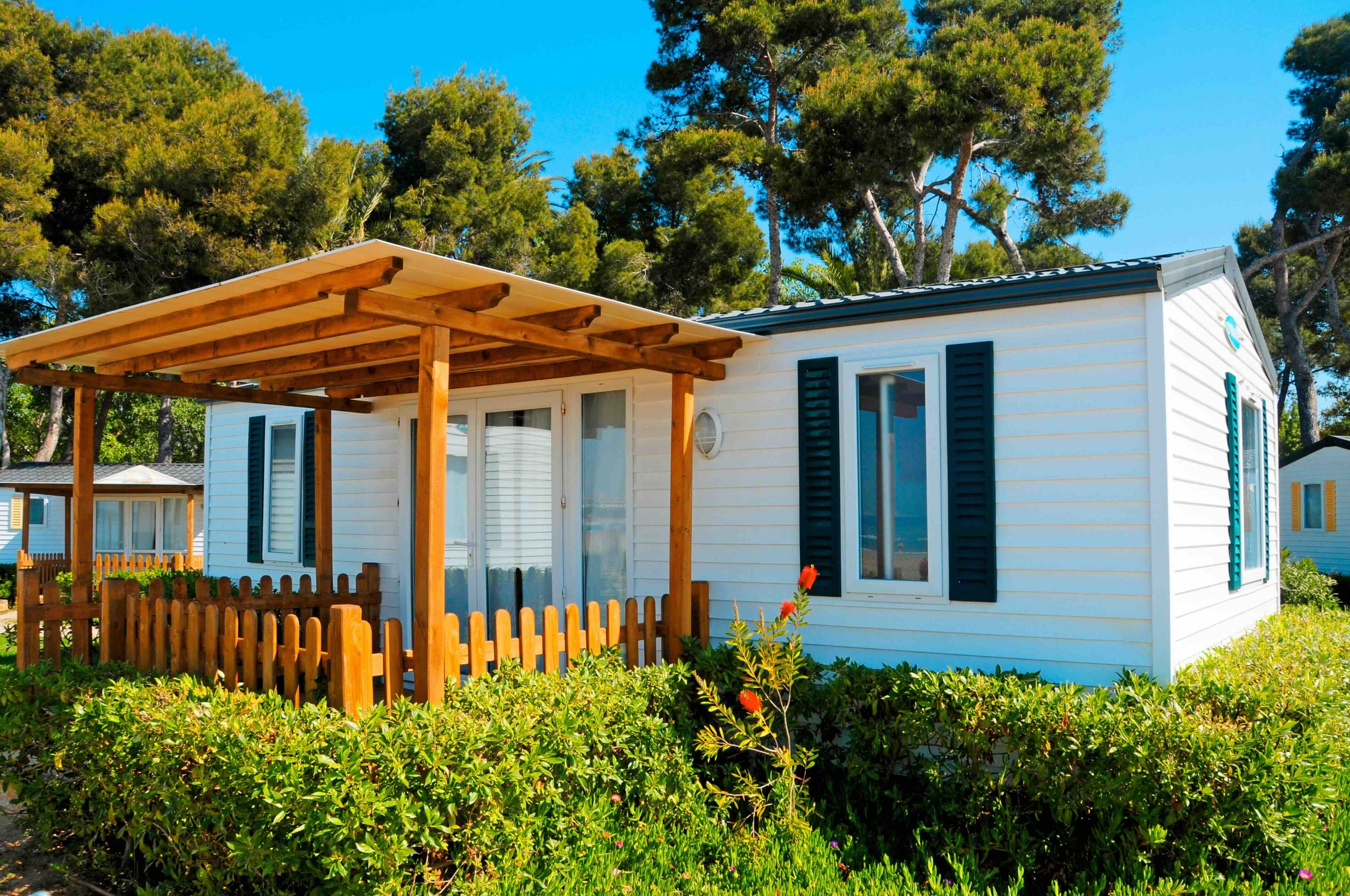
Why Winterizing a Vacant Mobile Home Matters More Than You Think
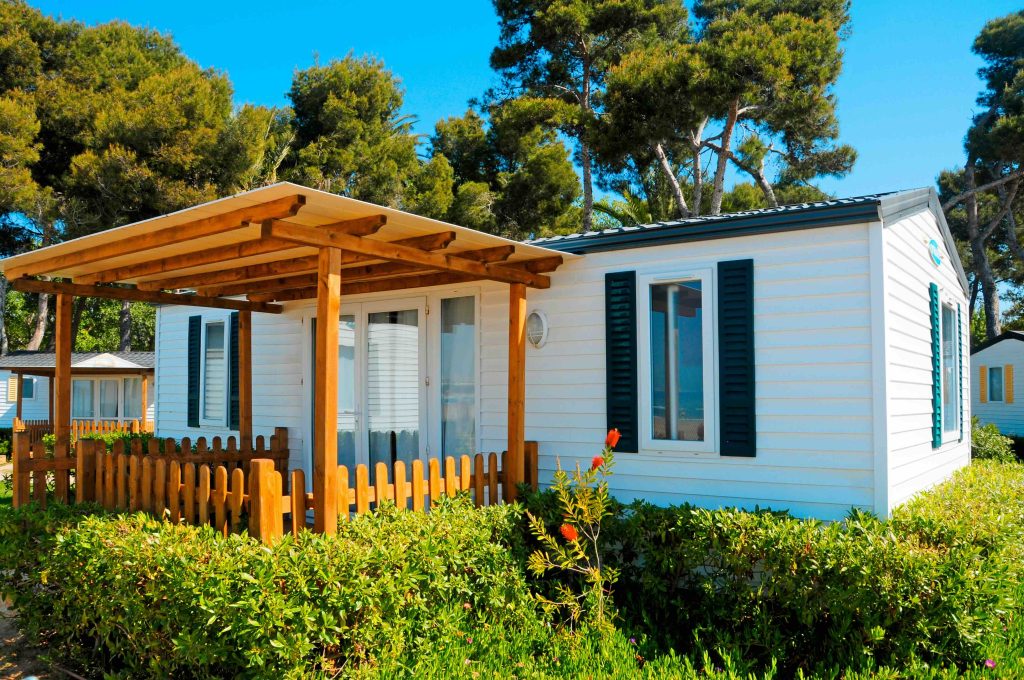
Leaving a mobile home vacant through the winter months is one of those situations that can quietly turn into an expensive disaster if you do not plan ahead. Unlike a traditional site-built home, a mobile home has unique structural characteristics that make it more vulnerable to cold weather damage. The undercarriage is exposed, the plumbing lines run through less-insulated spaces, and the skirting that protects the underbelly can let in drafts that a basement foundation never would. If you own a mobile home that will sit empty this season, winterizing it properly is not optional. It is the single most important thing you can do to protect your investment from freeze damage, moisture intrusion, and the kind of system failures that home warranty claims are made of every single winter.
What Winterizing a Mobile Home Actually Means
Winterizing a home, in the most practical sense, means preparing all of its systems and structural components to survive a period of cold weather with minimal or no active use. For a vacant mobile home specifically, this means shutting down the plumbing system, protecting the water heater, securing the heating system in a safe state, insulating vulnerable areas, and making sure the structure itself is sealed against the elements. The home warranty industry defines winterization as the process of draining and blowing out the water supply and drain lines, disabling the water heater, and adding approved antifreeze to fixture traps. It is a defined procedure, not a general concept, and doing it correctly makes a real difference in what gets covered versus what gets denied on a claim.
The Plumbing System: Your First and Most Urgent Priority
Water damage from frozen pipes is the most common consequence of improper winterization. In a mobile home, the water supply lines are typically routed through the floor cavity or along the underbelly, which is exposed to ambient outdoor temperatures. When water sits in those lines and temperatures drop below freezing, the expansion of ice can rupture PVC, copper, or PEX piping with no warning at all. To winterize the plumbing correctly, you need to shut off the main water supply, drain every supply line, open all faucets to release pressure, and flush the toilets completely. If the home uses a water well, shut off the pump and drain the pressure tank as well. For any water that might remain in trap bends under sinks, bathtubs, and floor drains, pour an appropriate amount of RV-grade antifreeze rated for potable water systems into each trap. This prevents standing water in those curved sections from freezing and cracking the drain assembly.
Water Heater Shutdown Done Right
The water heater is one of those appliances that people forget about during winterization, and it is one of the most costly mistakes you can make. If the water supply has been shut off and drained but the water heater is left energized, the heating element in an electric unit can burn out from running dry. A gas unit can experience pressure issues or pilot light complications if left unattended over an extended period. The correct process is to turn off the power or gas supply to the unit first, then connect a hose to the drain valve at the base of the tank and drain it completely. Leave the drain valve open once it is empty so any residual moisture can escape. In cold climates or unheated spaces, even a small amount of water left inside the tank can freeze and crack the tank lining, which is not a covered repair under most home warranty plans if improper winterization is cited as the cause.
Heating System Preparation for a Vacant Home
Here is where it gets a bit nuanced. For a vacant mobile home, the goal is not to keep the heating system running. The goal is to shut it down safely and protect it from damage during the off-season. If the home uses a gas furnace, have the system professionally inspected before shutdown, turn off the gas supply at the shutoff valve, and change the filter so it does not sit with debris over the winter. If the home uses an electric heat strip system, turn off the breaker. For either system, cover any exterior vents or intake ports loosely with breathable mesh covers to prevent animals, insects, or debris from nesting inside the equipment while it is not in use. Do not seal these completely airtight, as trapped moisture without any ventilation can cause corrosion.
Skirting, Insulation, and Underbelly Protection
The undercarriage of a mobile home is its most exposed surface, and skirting is its primary defense against cold air intrusion. Before winter sets in, inspect the skirting around the entire perimeter of the home for gaps, cracks, or missing panels. Even small openings can allow freezing air to circulate under the floor cavity and directly around the plumbing lines. Common winterization steps for the underbelly include the following:
- Repair or replace any damaged skirting panels and seal the joints with foam weatherstripping or caulk rated for exterior use
- Add insulation to exposed pipe runs in the underbelly using heat tape or pipe wrap insulation, especially near the water entry point
- Install a single ventilation opening on the south-facing side of the skirting to prevent moisture buildup, while keeping the other sides sealed
- Inspect the underbelly wrap itself for tears, and patch any damaged areas with compatible belly board repair tape

Electrical System Safety Before You Walk Away
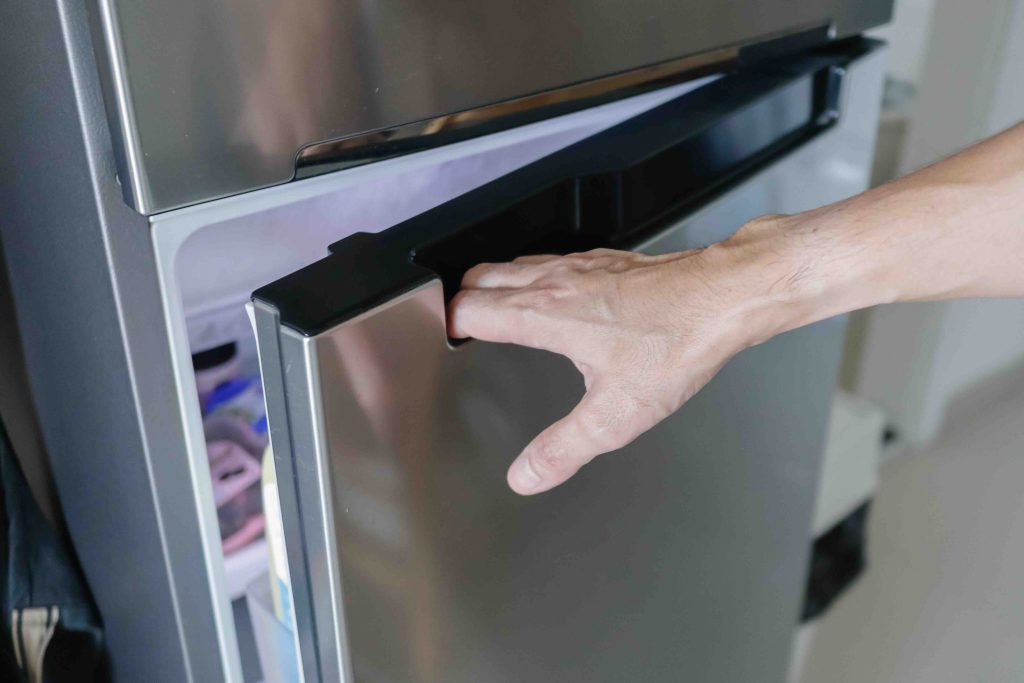
Leaving a vacant home with live electrical circuits is a risk most homeowners underestimate. In a mobile home, the electrical panel is typically compact and houses all the breakers for every circuit in the home. Before winterizing, turn off all individual circuit breakers except for one designated circuit if you are using a low-wattage plug-in alarm system or a smart monitoring device. Then turn off the main breaker. This eliminates the risk of phantom loads, reduces fire risk from any wiring issues that might develop undetected over winter, and protects your appliances from surge events. Make sure all GFCI outlets have been tested and reset before shutoff, and unplug every appliance and device in the home. Refrigerators should be emptied, cleaned, defrosted, and left propped open slightly to prevent mold growth inside the cavity.
Moisture Control and Interior Preparation
Vacant homes are at real risk for mold, mildew, and condensation damage during winter months, particularly in climates with high humidity or significant temperature swings. When a home sits unoccupied and unheated, moisture that enters through small gaps or is already present in the air has nowhere to go. Before closing up the home, take the following steps to manage moisture risk effectively:
- Place moisture-absorbing desiccant packets or buckets throughout the home, particularly in closets, under sinks, and in the bathroom
- Clean all surfaces thoroughly before closing up, paying attention to areas that are prone to mold such as bathroom grout lines and window sills
- Leave interior cabinet doors open so air can circulate around plumbing connections and prevent trapped moisture pockets
- Check all window seals and door weatherstripping and replace anything that has cracked or separated
Exterior Checks That Are Easy to Overlook
The exterior of a mobile home needs attention beyond just the skirting. Walk the entire perimeter and look at the roof line, vents, and any roof-mounted equipment. Clear debris and leaves from the roof surface, and check the condition of any roof coating or sealant, since mobile home roofs are often rubber membrane or metal and can develop small cracks over time. Check all exterior caulking around windows, doors, and utility penetrations and apply fresh caulk wherever there are gaps. If the home has a porch, deck, or awning attached, inspect the connection points to the main structure and make sure nothing has shifted or loosened that could allow water or cold air to enter. Lock all doors and windows securely, and if the home is in an area with wildlife, consider placing steel mesh screens over any ventilation openings in the foundation skirting.
Why Armadillo Home Warranty Is the Smart Coverage Choice for Mobile Home Owners
Winterizing your vacant mobile home protects the structure and its systems during the cold months, but what happens when spring arrives and something fails anyway? Aging appliances, worn-out HVAC components, and plumbing systems that have been through years of seasonal stress do not always cooperate, even when you did everything right. That is exactly where having a reliable home warranty becomes one of the smartest financial decisions a homeowner can make. Armadillo home warranty plans for mobile and manufactured home systems are built to give homeowners straightforward, honest coverage without the fine print gymnastics that leave you paying out of pocket when you thought you were protected. When a covered system fails after a properly completed winterization, Armadillo steps in with a claims process that is actually built around the homeowner’s experience. Whether you are managing a seasonal property, an investment home, or a primary residence that you need to step away from temporarily, you can get a free home warranty quote for your mobile home in minutes and know exactly what you are covered for before the next cold season arrives.

Frequently Asked Questions About Winterizing a Vacant Mobile Home
What is the most important step when winterizing a vacant mobile home?
Draining and blowing out all water supply and drain lines is the single most critical step. Frozen pipes are the leading cause of winterization-related damage in mobile homes, and preventing water from remaining in the lines eliminates the risk entirely.
Do I need to use antifreeze when winterizing a mobile home?
Yes, RV-grade non-toxic antifreeze rated for potable water systems should be added to all fixture traps, including sinks, toilets, bathtubs, and floor drains, to prevent standing water in those curved drain sections from freezing and cracking.
Should I leave the heat on in a vacant mobile home during winter?
For a properly winterized vacant mobile home, you do not need to leave the heating system running. The system should be shut down safely, the gas or power supply turned off, and the unit protected from debris and moisture while not in use.
How do I protect the pipes under a mobile home from freezing?
Repair any gaps in the skirting, wrap exposed pipe runs in the underbelly with heat tape or pipe insulation, and ensure the underbelly wrap is intact and sealed against cold air infiltration along the entire undercarriage perimeter.
Does a home warranty cover damage from improper winterization?
Most home warranty plans, including industry-standard agreements, explicitly exclude coverage for damage resulting from failure to properly winterize. If a pipe bursts because it was not drained before winter, that claim is typically denied on the basis of improper maintenance.
How often should the skirting on a mobile home be inspected?
Skirting should be inspected at least twice a year, once before winter and once in spring after the freeze-thaw cycle has passed. Any gaps, cracks, or missing panels should be repaired immediately to prevent cold air and moisture intrusion.
What should I do with the refrigerator in a vacant mobile home being winterized?
Empty, clean, and defrost the refrigerator completely. Prop the door open slightly to allow air circulation inside the cavity and prevent mold growth. Unplug it and turn off the circuit breaker to eliminate electrical risk during vacancy.
Is it safe to leave a mobile home completely unheated during winter?
Yes, provided the home has been properly winterized with all water systems drained, antifreeze added to traps, appliances shut down, and the structure sealed against moisture and cold air intrusion. An unheated but properly prepared home can safely withstand an entire winter season.
What type of antifreeze is safe to use in a mobile home plumbing system?
Only non-toxic, propylene glycol-based antifreeze rated for potable water and RV systems should be used. Never use automotive antifreeze, which contains ethylene glycol and is toxic to humans and animals.
Can I winterize a mobile home myself, or should I hire a professional?
Many homeowners successfully winterize their own mobile homes by following a structured checklist. However, if the home has complex plumbing, a gas heating system, or any existing mechanical issues, consulting a licensed plumber or HVAC technician is a worthwhile investment to ensure the process is done correctly and documented for warranty purposes.