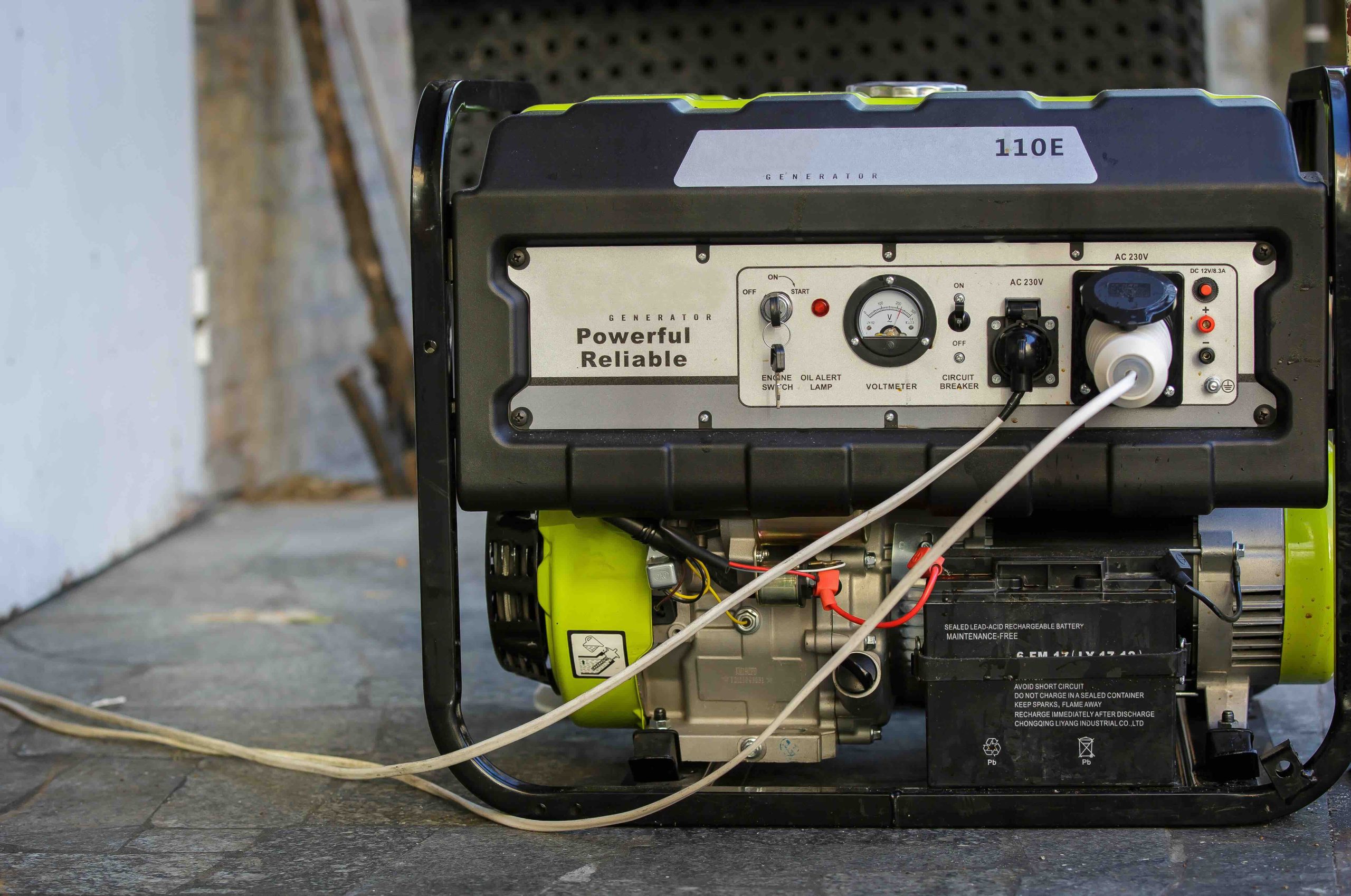
What It Means to Wire a Generator to Your Home
Power outages happen when you least expect them, and for homeowners who have lived through a multi-day blackout, the experience tends to be unforgettable. A portable generator sitting in the garage is a good start, but running extension cords through windows and hoping for the best is not exactly a sustainable plan. Wiring a generator directly to your home is a different level of preparedness entirely. It gives you the ability to power essential circuits, keep your refrigerator running, maintain heating or cooling, and even keep medical equipment operational during an extended outage. Understanding how this works and what it involves is the first step toward making a smart, safe decision for your household.
The Core Component You Cannot Skip: The Transfer Switch
Here is the part that trips up a lot of homeowners when they first start researching this topic. You cannot simply plug a generator into a wall outlet and expect things to work safely. Doing so creates what is called back-feeding, which is a genuinely dangerous condition where electricity flows backward through your meter and out onto the utility lines. That can injure or kill utility workers trying to restore power in your neighborhood. The solution is a transfer switch, and it is non-negotiable. A transfer switch is an electrical device that disconnects your home from the utility grid before connecting it to the generator. This keeps power flowing only in the direction it is supposed to flow. There are two main types to know about: manual transfer switches, which require you to physically flip a switch during an outage, and automatic transfer switches, which detect a power loss and switch over to generator power on their own within seconds.
Manual vs. Automatic Transfer Switches: Which One Makes Sense
The choice between manual and automatic comes down to budget, lifestyle, and the type of generator you already have or plan to purchase. A manual transfer switch is significantly less expensive and works well for homeowners who are usually home during storms and are comfortable with a small hands-on process. An automatic transfer switch, often paired with a standby generator, is the better fit if you travel frequently, have elderly family members at home, or rely on equipment that cannot tolerate even a brief lapse in power. Standby generators connected to an automatic transfer switch can restore power to your home in under 30 seconds. That level of seamless operation comes with a higher upfront cost, but for many households it is worth every dollar.

How the Wiring Process Actually Works
Once you have selected the right type of transfer switch, the installation process involves connecting it to your main electrical panel and designating specific circuits that will be powered by the generator. A licensed electrician will run wiring from your electrical panel to the transfer switch, then from the transfer switch to a dedicated generator inlet box mounted on the outside of your home. When you need to use the generator, you connect it to the inlet box using a heavy-duty power cord, start the generator, and then operate the transfer switch to shift those designated circuits over to generator power. For standby systems, the inlet and automatic switching happen without any manual intervention. The circuits you choose to include typically cover essentials like the refrigerator, sump pump, furnace, select lighting, and any outlet needed for critical devices.
Key Advantages of Wiring a Generator Into Your Home
There are several meaningful benefits to setting up a properly wired generator connection, and they go beyond simple convenience. Homeowners who make this investment tend to feel genuinely more prepared and less anxious when severe weather is in the forecast.
- Safety is the biggest benefit. A properly installed transfer switch eliminates the risk of back-feeding and removes the need for extension cords running through doors or windows, which are both fire and tripping hazards.
- Whole-home or selective coverage means you are not just keeping one lamp on. You can protect appliances, HVAC systems, and sump pumps that prevent flooding in your basement.
- Home value can increase with a permanent standby generator system, as buyers in certain markets view backup power as a meaningful feature.
- Reduced food spoilage and medication storage concerns during extended outages are practical advantages that add up quickly.
Common Drawbacks to Consider Before Committing
Wiring a generator to your home is not without its complications, and being realistic about those upfront is part of making a smart decision. The cost of a professionally installed transfer switch and generator inlet box can range from several hundred to a few thousand dollars depending on the complexity of the work and local labor rates. Standby generators with automatic transfer switches can run into the tens of thousands when you factor in the unit itself and propane or natural gas line installation. Permits are almost always required, and inspections follow. Skipping those steps is a mistake that can create liability issues down the road. Additionally, generators require regular maintenance, including oil changes, fuel management, and periodic test runs, to remain reliable when you actually need them.
Fuel Types and What They Mean for Your Setup
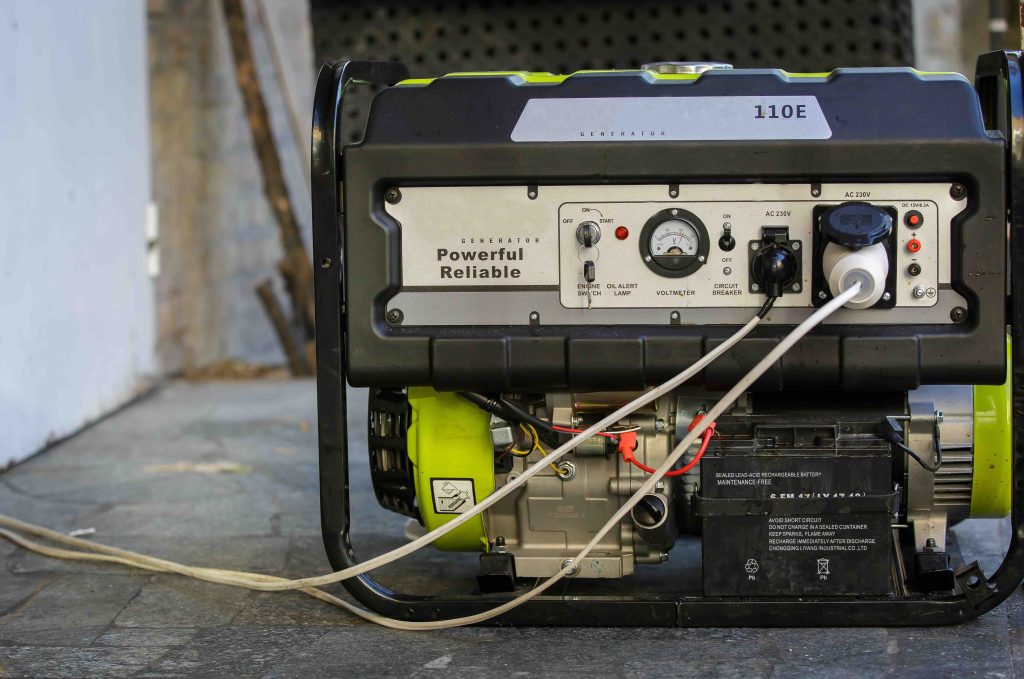
Your fuel choice matters more than people tend to realize when planning a generator wiring project. Portable generators typically run on gasoline, which is widely available but requires storage and has a limited shelf life without fuel stabilizers. Propane-powered generators offer a cleaner burn and longer storage life, but require a propane tank on your property. Natural gas standby generators connect directly to your home’s gas line, eliminating the need to store fuel at all, which makes them the most convenient long-term option for homeowners who want a truly hands-off experience. Each fuel type has different runtime considerations and cost implications, so it is worth discussing your household’s specific needs with a licensed electrician or generator specialist before settling on a configuration.
What Permits and Inspections Look Like in Practice
Most municipalities require a permit before any generator wiring work begins, and the inspection process is actually a good thing for homeowners, even if it feels like extra paperwork. An inspection confirms that the installation meets local electrical codes, which protects your household from fire risks and ensures your homeowner’s insurance policy will not balk at a claim related to generator use. Your electrician should be pulling the permit on your behalf and scheduling the inspection as part of the project. If a contractor suggests skipping permits to save time or money, that is a red flag worth taking seriously. Unpermitted electrical work can complicate home sales and create real problems if something goes wrong.
Why Home Warranty Coverage Matters When Generator Systems Are Involved
Here is where things get interesting from a home warranty perspective. When you have a generator connected to your home’s electrical system, that system is working harder and in more varied conditions than it would be otherwise. Transfer switches, electrical panels, and the internal wiring connected to generator circuits are all subject to wear over time. A home warranty plan that covers electrical systems can help offset the cost of repairing or replacing components that fail due to normal use. It does not cover the generator itself in most cases, but the downstream systems it supports are absolutely worth protecting. Understanding exactly what your warranty covers and how generator use might affect individual component claims is a conversation worth having before something breaks.

Protect Your Home Systems with Armadillo Home Warranty
When you invest in wiring a generator to your home, you are making a smart commitment to keeping your household protected during the unexpected. But the electrical systems, HVAC equipment, and appliances that depend on consistent power deserve protection on the other side of that investment too. That is where Armadillo home warranty coverage for electrical systems and major appliances comes in. Armadillo offers straightforward, no-nonsense home warranty plans built for homeowners who take their systems seriously and want real coverage without the fine print surprises. Whether your transfer switch triggers a downstream electrical issue or your HVAC system takes a hit after a power fluctuation, having a plan in place means you are not facing a repair bill alone. If you are ready to add a smart layer of protection to your home, get a free home warranty quote for generator-connected homes and see exactly what Armadillo can do for your peace of mind.
Frequently Asked Questions About Wiring a Generator to Your Home
These are the questions homeowners ask most often when researching how to safely and effectively connect a generator to their home’s electrical system.
Is it legal to wire a generator directly to my home without a permit?
In most jurisdictions, connecting a generator to your home’s electrical system requires a permit and a licensed electrician. Skipping this step can void your homeowner’s insurance, create liability issues, and result in fines or required removal of unpermitted work.
What size generator do I need to power my whole house?
A whole-home standby generator typically ranges from 20 to 22 kilowatts for an average-sized home. If you only need to power essential circuits, a smaller portable generator between 5,000 and 10,000 watts may be sufficient when paired with a manual transfer switch.
Can I install a transfer switch myself to save money?
While some experienced DIYers attempt this, it is strongly recommended to hire a licensed electrician. Incorrect installation of a transfer switch can result in back-feeding, fire hazards, and serious injury. Most municipalities also require professional installation for permit approval.
How long does it take to install a transfer switch and generator inlet?
A straightforward manual transfer switch installation typically takes a licensed electrician four to eight hours. More complex setups involving automatic transfer switches and standby generators can take one to two days depending on the scope of work and whether gas line connections are required.
Does a home warranty cover my generator?
Most home warranty plans do not cover portable or standby generators themselves. However, many plans do cover the electrical systems, panels, and components connected to and affected by your generator, which is where ongoing protection becomes valuable.
What happens if I run extension cords from my generator instead of wiring it in?
Using extension cords is a temporary and risky approach. It limits what you can power, creates tripping hazards, increases the risk of fire from overloaded cords, and does not protect against back-feeding if someone accidentally connects power to a circuit improperly.
How often should I test or maintain my wired generator system?
Standby generators should be tested monthly and serviced annually. Portable generators should have their oil changed after every 100 hours of use, and fuel should be stabilized or replaced regularly to prevent carburetor issues from stale gasoline.
Will wiring a generator to my home increase my homeowner’s insurance premium?
In some cases, adding a permanent standby generator may affect your insurance premium, though many insurers view it as a risk-reducing feature. Always notify your insurer of significant electrical additions so your coverage accurately reflects your home’s current systems.
Can a generator damage my home’s appliances or electrical system?
Yes, if a generator produces unstable power or is improperly connected, it can damage sensitive electronics and appliances. Investing in a generator with clean power output and ensuring proper installation through a licensed electrician significantly reduces this risk.
What is the average cost to have a generator professionally wired into a home?
For a manual transfer switch and inlet box, homeowners typically spend between 500 and 1,500 dollars including labor. A full standby generator system with an automatic transfer switch and natural gas connection can range from 10,000 to 20,000 dollars or more depending on the generator size and installation complexity.