What Is the Hot Water Heater Reset Switch and Why Does It Matter?
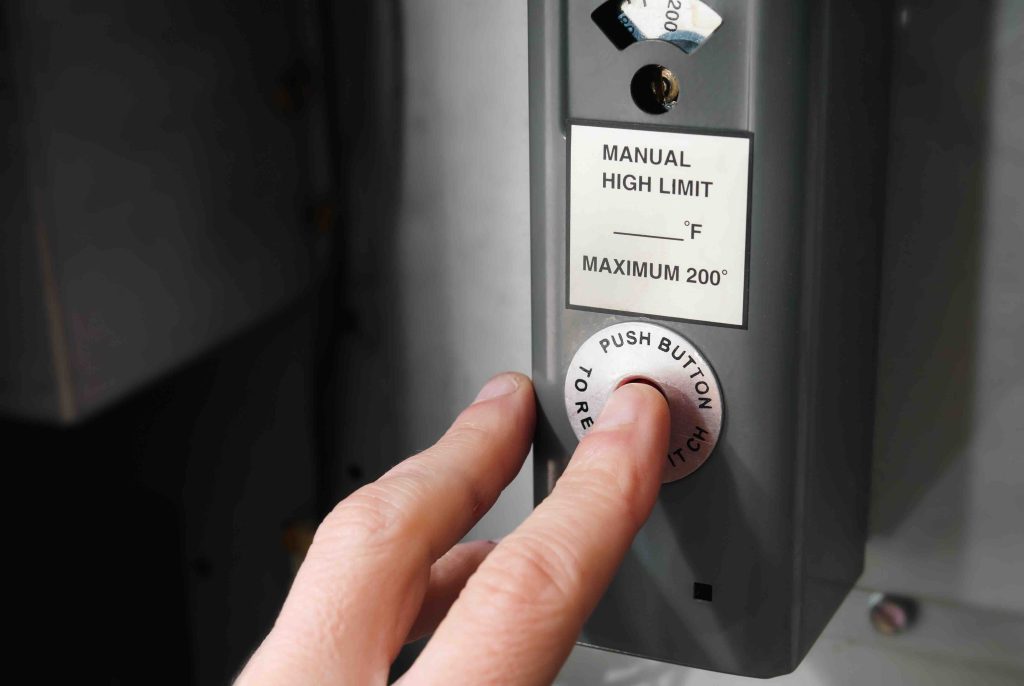
If you have ever walked into your bathroom expecting a hot shower and got a cold surprise instead, there is a decent chance your water heater reset switch played a role in that unpleasant morning. Most homeowners have no idea this small component even exists until the moment it causes a problem. That is actually pretty common. The reset switch, sometimes called the high-limit switch or emergency cutoff switch, is a safety mechanism built into electric water heaters. Its job is straightforward: if the water inside the tank gets too hot, the switch trips and cuts power to the heating elements before anything dangerous can happen. Think of it as the circuit breaker of your water heater, working quietly in the background until something goes wrong.
Where Is the Reset Switch Located and What Does It Look Like?
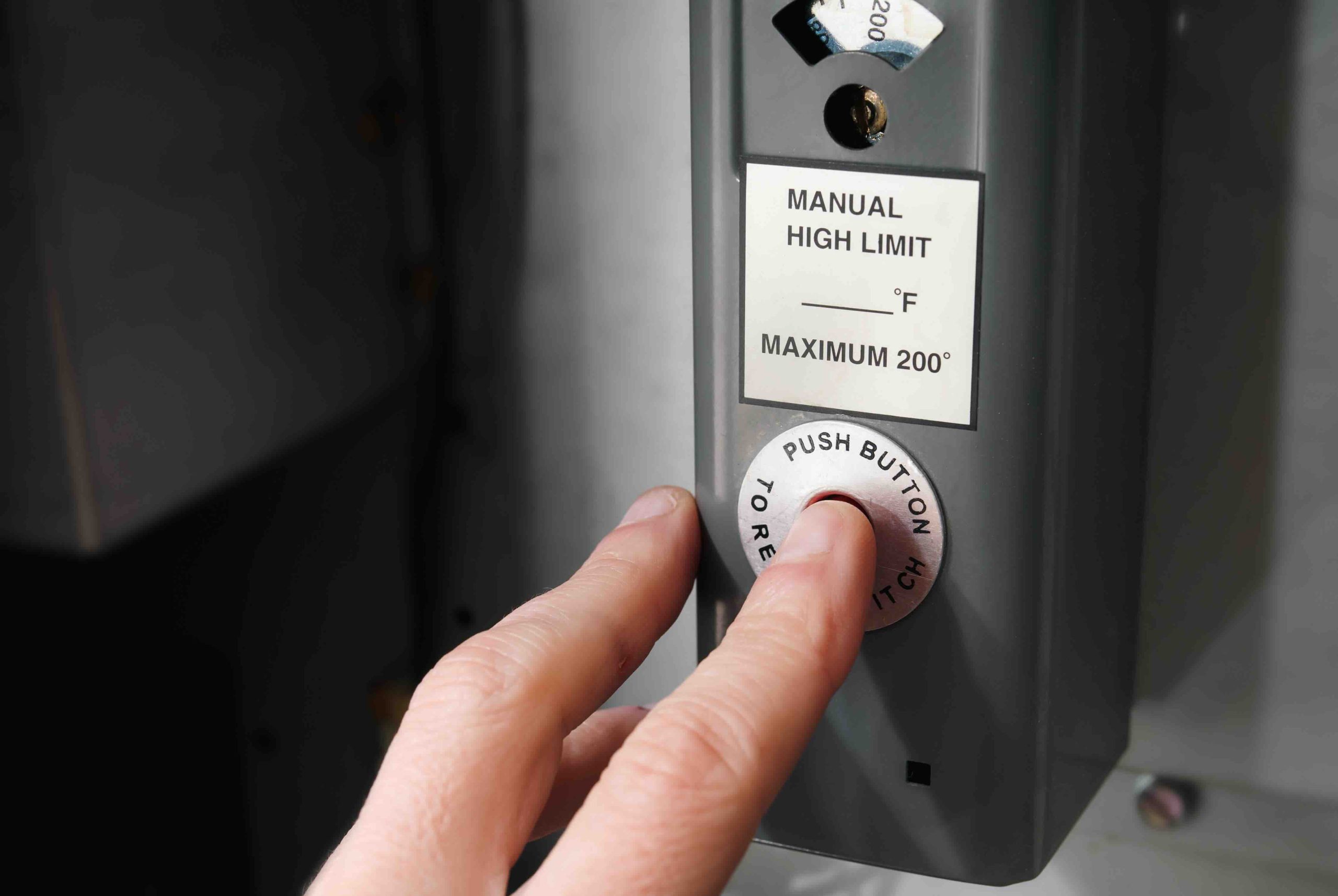
On most standard electric water heaters, the reset switch is a small red button, usually found behind an access panel on the front of the unit. Many tanks actually have two access panels, one near the top and one toward the bottom, because they contain two heating elements. The reset switch is typically positioned near the upper thermostat. It sits flush against the thermostat housing and blends in pretty easily if you are not looking for it. Some models have a secondary reset button near the lower element as well, though that is less common. If your water heater is gas-powered, the reset mechanism works differently and is usually integrated into the gas valve assembly itself rather than being a standalone button.
How the Reset Switch Actually Works
The reset switch is wired directly to the thermostat and the heating elements. When water temperature inside the tank climbs above roughly 180 degrees Fahrenheit, the high-limit switch activates and interrupts the electrical circuit. This stops both heating elements from continuing to warm the water. The switch stays in its tripped position until someone physically presses it to reset the system. Once reset, power flows again and the heater resumes normal operation. The reason this matters is that water heaters are designed to keep water between 120 and 140 degrees for daily use. Anything significantly higher than that creates scalding risks and puts stress on the tank itself, the fittings, and the connected plumbing.

Common Reasons the Reset Switch Trips
A reset switch that keeps tripping is not just an inconvenience. It is a signal. Something in the system is pushing temperatures beyond acceptable limits, and the switch is doing exactly what it was built to do. The underlying cause needs to be identified before the reset switch starts wearing out from repeated cycling. Here are the most frequent culprits behind a tripped reset switch:
- A faulty thermostat that is stuck open and continuously calling for heat
- A defective heating element with a short that causes it to run continuously
- Loose wiring connections that generate excess resistance and heat
- A worn-out reset switch that is becoming overly sensitive and tripping at normal temperatures
- Sediment buildup in the tank creating hot spots around the lower heating element
Each of these issues requires a different repair approach, which is why diagnosing the root cause before simply pressing the button again is always the smarter move.
How to Reset the Switch Safely
Resetting the switch is not complicated, but it should be done carefully. Before touching anything, cut power to the water heater at your home’s main electrical panel. Locate the access panel, typically on the upper portion of the tank, and remove it by unscrewing the cover. You may find insulation tucked behind the panel as well, so set that aside carefully. Look for the small red button, press it firmly until you hear a click, then replace the insulation and panel cover. Restore power at the breaker and give the unit about an hour to reheat. If hot water returns and the switch does not trip again within a day or two, the reset may have been a one-time event related to a minor fluctuation. If it trips again quickly, that is your cue to call a licensed plumber or appliance technician.
When Should You Be Concerned?
A single tripped reset switch is not necessarily alarming. Power surges, a temporary thermostat glitch, or even an unusually high demand period can cause a one-off event. What becomes a real concern is a pattern. If the reset switch is tripping repeatedly over days or weeks, the system is struggling with something more persistent. Ignoring a chronic reset issue can lead to premature tank failure, flooding from a burst pressure relief valve, or in rare cases, serious safety hazards. The reset switch is a protective layer, not a long-term solution. It is meant to buy time, not absorb ongoing stress without consequence.
Advantages of Having a Reset Switch on Your Water Heater
It is worth taking a moment to appreciate what this small component actually does for you. The reset switch exists because water heaters operate under pressure and at temperatures that can become dangerous without proper oversight. Without a functioning high-limit switch, an overheating tank would continue pulling power with no automatic shutoff, creating conditions for tank damage, scalding, or worse. The fact that this safety measure is built into nearly every modern electric water heater is genuinely valuable, especially for homeowners who are not monitoring appliance performance on a daily basis. It adds a meaningful layer of passive protection to one of the most used systems in your home.
Key Drawbacks and Limitations to Understand
The reset switch is not a diagnostic tool and it is not a repair. Pressing it solves nothing if the underlying problem is still present. This is one of the most misunderstood aspects of the component. Many homeowners press the button, get hot water back, and assume everything is resolved. A few days later, they are back in front of the access panel pressing it again. That cycle can mask a deteriorating thermostat or heating element until the failure becomes much more expensive to address. Additionally, the switch itself can degrade over time. A reset switch that has been tripped repeatedly may eventually fail to reset at all, leaving the water heater completely non-functional until the switch is replaced by a technician.
Why Home Warranty Coverage for Your Water Heater Is Worth Considering
Water heater repairs have a way of arriving at the worst possible time, and the costs add up faster than most people expect. A thermostat replacement, a new heating element, or a full unit swap can run anywhere from a few hundred to well over a thousand dollars depending on the nature of the failure and the age of your system. That is where having the right home warranty coverage becomes genuinely useful. Armadillo home warranty plans designed to cover water heater repairs and replacements take the financial unpredictability out of the equation, so a tripped reset switch that turns into a full repair does not derail your month. Armadillo keeps coverage simple, transparent, and actually usable when something goes wrong. If you are ready to stop worrying about what your water heater might cost you next, get a free home warranty quote that includes water heater protection and see exactly what your coverage could look like starting today.

Frequently Asked Questions About the Hot Water Heater Reset Switch
These answers address the most common questions homeowners have about the water heater reset switch, how it works, and what to do when it causes issues.
What does it mean when my water heater reset switch keeps tripping?
A reset switch that trips repeatedly typically indicates an underlying problem such as a faulty thermostat, a defective heating element, loose wiring, or sediment buildup causing localized overheating inside the tank. It should be inspected by a qualified technician rather than simply reset again.
Is it safe to press the reset button on my water heater myself?
Yes, resetting the switch is generally safe for homeowners to do as long as power to the unit is shut off at the breaker panel before accessing the component. If the switch trips again shortly after resetting, professional service is recommended.
How do I know if my reset switch is broken?
If pressing the reset button does not produce a click or if the water heater fails to restore hot water after being reset with no other obvious issue, the reset switch itself may have failed and will need to be replaced by a technician.
Can a tripped reset switch cause water damage?
The tripped switch itself stops power and reduces risk rather than causing damage. However, the underlying conditions that caused it to trip, such as excessive pressure or prolonged overheating, can stress the pressure relief valve and tank, potentially leading to leaks if left unaddressed.
How long does it take for a water heater to reheat after resetting the switch?
Most standard electric water heaters take between 60 and 90 minutes to fully reheat after a reset, depending on tank size and the temperature of incoming water. Smaller tanks may recover faster while larger tanks may take slightly longer.
Does a gas water heater have a reset switch?
Gas water heaters do have a high-limit safety mechanism, but it is typically integrated into the gas valve assembly and not a standalone red button like those found on electric models. Resetting a gas water heater involves a slightly different process outlined in the unit’s manual.
Will my home warranty cover a failed water heater reset switch?
This depends on your specific plan. Many home warranty plans cover key water heater components including thermostats and heating elements, which are often connected to reset switch failures. Reviewing your coverage details or speaking with your provider will clarify what is included.
How much does it cost to replace a water heater reset switch?
The component itself is relatively inexpensive, often under twenty dollars, but labor costs for a licensed technician to diagnose and replace it typically bring the total to somewhere between $100 and $300 depending on your region and service provider.
What temperature causes the reset switch to trip?
Most water heater high-limit switches are calibrated to trip when water temperature reaches approximately 180 degrees Fahrenheit, which is well above the recommended operating range of 120 to 140 degrees for residential use.
Can I prevent my water heater reset switch from tripping in the future?
Regular maintenance helps significantly. Flushing the tank annually to remove sediment, checking thermostat calibration, and having a technician inspect wiring and heating elements every few years reduces the likelihood of overheating events that cause the switch to activate.