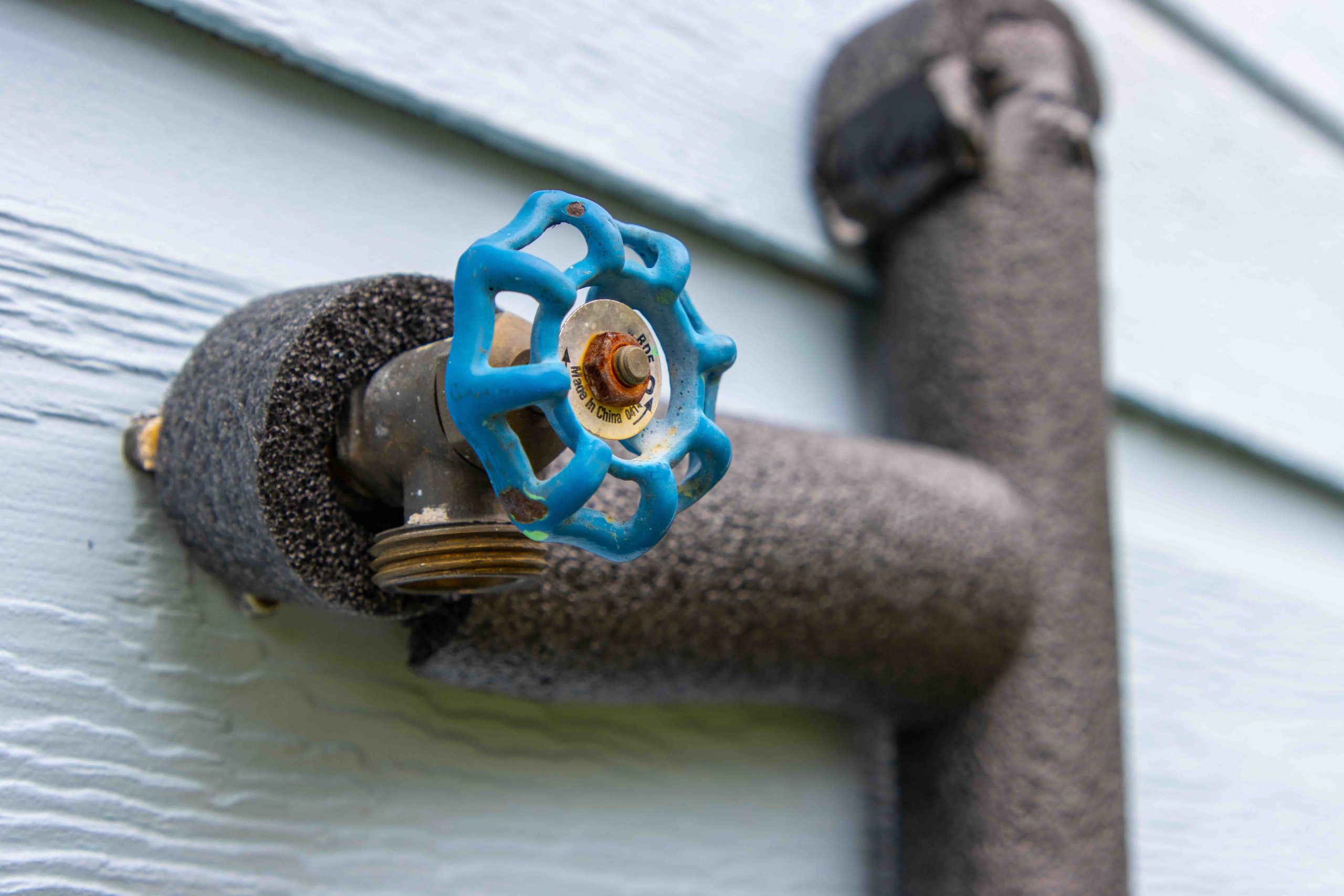
What Is Pipe Insulation and Why Should Every Homeowner Know About It
Pipe insulation is one of those home components that rarely gets any attention until something goes wrong. It sits quietly inside walls, under sinks, in crawl spaces, and along basement ceilings, doing its job without asking for much in return. But once temperatures drop or an energy bill arrives that feels unusually high, pipe insulation suddenly becomes a very relevant topic. Simply put, pipe insulation is a material wrapped around water pipes to regulate temperature, reduce heat loss or gain, prevent condensation, and protect against freezing. It comes in several forms, including foam tubes, fiberglass wrap, rubber insulation, and foil-faced materials, each suited to different applications and pipe types. The wrap-style insulation, in particular, is one of the most versatile options on the market and works well in tight spaces where rigid foam tubes may not easily fit.
How Pipe Insulation Works and What Makes Wrap Insulation Different
All pipe insulation functions on the same basic principle: slow the transfer of heat between the pipe and its surrounding environment. When hot water travels through an uninsulated pipe, it loses heat rapidly as it moves from the water heater to the faucet. That means you are running the tap longer just to get warm water, which wastes both water and energy. Conversely, cold water pipes in warm or humid environments can sweat, causing condensation that leads to moisture damage, mold, and eventual structural issues. Wrap-style insulation differs from pre-formed foam tubes in its flexibility. Instead of a rigid tube that slides over straight pipe runs, wrap insulation comes in a roll or tape format and can be applied around bends, fittings, valves, and irregular surfaces. It adheres tightly and conforms to the pipe shape, which makes it genuinely useful in areas where a standard foam tube simply will not cooperate.
Types of Pipe Insulation Wrap Available to Homeowners
Not all wrap insulation is created equal, and choosing the right type depends on your specific situation. Here is a quick breakdown of the most common options you will encounter:
- Foam pipe wrap tape: Lightweight, easy to apply, and affordable. Best for small DIY jobs and moderate temperature control on both hot and cold pipes.
- Fiberglass pipe wrap: High-temperature rated and commonly used on heating pipes and steam lines. Requires a vapor barrier when used in humid areas.
- Rubber pipe insulation wrap: Flexible, durable, and excellent for condensation control on cold water pipes and refrigerant lines.
- Foil-faced pipe wrap: Reflects radiant heat and is often used on pipes near heat sources or in attic spaces where radiant heat gain is a concern.
- Self-sealing foam wrap: Comes with an adhesive strip that eliminates the need for additional tape. A popular choice for quick installations around plumbing under sinks.
Each material carries its own R-value, which is the measure of thermal resistance. Higher R-values mean better insulation performance, so always check that rating before purchasing for a specific application.
The Key Advantages of Wrapping Your Pipes
The benefits of pipe insulation wrap go well beyond just keeping water warm. Energy efficiency is the most commonly cited advantage, and for good reason. When hot water pipes are properly insulated, water heaters do not have to work as hard to compensate for heat lost during transit. Studies from the U.S. Department of Energy suggest that insulating hot water pipes can raise water temperature by two to four degrees Fahrenheit at the tap, which may even allow homeowners to lower their water heater thermostat setting without sacrificing comfort. Freeze protection is another significant benefit, especially for pipes located in unheated garages, crawl spaces, or exterior walls. When water inside a pipe freezes, it expands with tremendous force. That expansion can split copper, crack PVC, and destroy joints, leading to water damage that can cost thousands to repair. Pipe wrap adds a critical layer of protection that slows the heat loss process and keeps temperatures above freezing longer during cold snaps. Condensation control is equally important in humid climates. Cold pipes that sweat consistently create moisture that damages insulation, drywall, and wood framing over time. Wrapping those pipes eliminates the surface temperature differential that causes sweating in the first place.

Common Drawbacks and Limitations to Be Aware Of
Pipe insulation wrap is genuinely useful, but it is not a perfect solution for every situation. One limitation is longevity. Foam-based wraps in particular can degrade over time when exposed to UV light, moisture infiltration, or physical contact. If the wrap is located in an area where it might be bumped, compressed, or exposed to sunlight, it may need periodic inspection and replacement. Fiberglass wrap, while more durable at high temperatures, requires careful installation with gloves and protective eyewear due to the irritating nature of the fibers. It also needs proper vapor barrier treatment to prevent moisture absorption, which adds steps to the installation process. Another drawback is that wrap insulation is not a substitute for addressing underlying issues. If a pipe consistently freezes despite being wrapped, that is a sign of a larger problem, such as inadequate heating in the space, air leaks in the building envelope, or pipes routed through areas that simply should not contain plumbing. Insulation buys time and provides protection, but it does not fix root causes on its own.
Where to Prioritize Pipe Insulation in Your Home
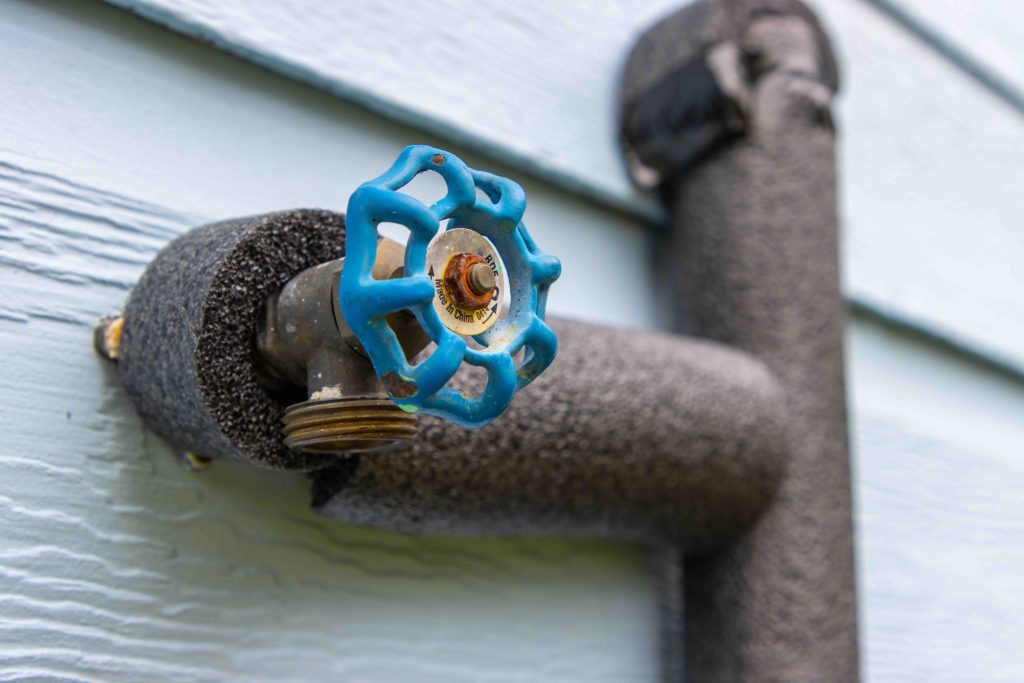
Not every pipe in a home needs insulation, but several locations absolutely deserve attention. Pipes in unheated spaces are the highest priority. Crawl spaces, garages, attics, and the sections of plumbing inside exterior walls are all vulnerable to temperature extremes. Hot water pipes throughout the first six feet leaving the water heater are also worth wrapping to reduce standby heat loss. Under kitchen and bathroom sinks, pipe wrap helps protect against both heat loss and the occasional freeze that can occur near exterior walls. For homes with swimming pools, irrigation systems, or outdoor plumbing, wrapping exposed pipes before winter arrives is simply a non-negotiable step in seasonal maintenance. Condensation-prone cold water pipes in basements and utility rooms benefit from rubber or foam wraps that prevent moisture accumulation and protect surrounding materials.
DIY Installation Tips for Getting It Right the First Time
Installing pipe wrap is a manageable DIY project for most homeowners, but a few preparation steps make the difference between a job that lasts and one that falls apart within a season. Start by cleaning the pipe surface thoroughly. Dust, grease, and moisture prevent adhesive wraps from bonding properly. Measure the pipe diameter before purchasing materials to ensure the wrap fits snugly without gaps. Overlap each layer of wrap by about half the width of the previous layer when using tape-style products to eliminate cold spots. Pay close attention to fittings, elbows, and valves, since these are the areas most likely to be skipped and are often the first points of failure during a freeze. Seal all seams and edges with foil tape rated for the application to lock out moisture and air infiltration. Finally, inspect your work visually once complete and look for gaps, bubbles, or loose sections that could compromise performance.
How Pipe Insulation Connects to Broader Home Health and Maintenance
Pipe insulation is a small investment with a surprisingly wide reach across overall home health. Frozen and burst pipes are consistently among the most expensive emergency repairs homeowners face, with water damage remediation costs frequently running into the tens of thousands of dollars when walls, flooring, and personal property are involved. Preventing that scenario with a few rolls of wrap insulation represents one of the most cost-effective protective measures available to any homeowner. Beyond freeze events, the energy savings from insulating hot water pipes compound over time. A home that runs its water heater more efficiently month after month will see measurable reductions on utility bills across years of ownership. It is the kind of quiet, unglamorous improvement that simply works, and its value becomes especially clear when something goes wrong in a home that skipped it.
Why Armadillo Home Warranty Has Your Back When Pipe Problems Still Happen
Even with perfectly installed pipe insulation, plumbing systems are complex and things can still go sideways. Pipes age, water pressure fluctuates, connections loosen, and components inside the plumbing system wear out regardless of how well-protected the exterior of a pipe happens to be. That is exactly where a home warranty becomes a practical financial tool rather than just a nice idea. Armadillo home warranty plans built for whole-home plumbing protection are designed to cover the kinds of failures that catch homeowners off guard, from internal pipe leaks to water heater breakdowns to plumbing system malfunctions that go well beyond what insulation can prevent. Armadillo operates with a straightforward, no-nonsense approach to home protection, meaning the coverage is clear, the claims process is accessible, and the service network is built around getting your home back in working order without unnecessary delays. If you have done everything right in terms of maintenance and prevention but still want a financial safety net for what you cannot control, get a free home warranty quote and explore pipe and plumbing coverage options that make sense for your home and your budget. Prevention and protection work best together, and Armadillo is built to handle the half that insulation cannot.

Frequently Asked Questions About Pipe Insulation Wrap
Here are answers to the questions homeowners ask most often about pipe insulation wrap, how it works, and how to use it effectively.
What is the best type of pipe insulation wrap for preventing frozen pipes?
Foam pipe wrap tape and rubber pipe insulation are both strong choices for freeze prevention. For pipes in extremely cold environments, a combination of foam wrap and heat tape provides the most reliable protection. Always prioritize pipes in unheated spaces like crawl spaces, garages, and exterior walls.
How do I know what size pipe insulation wrap to buy?
Measure the outer diameter of the pipe before purchasing. Most residential plumbing uses half-inch or three-quarter-inch diameter pipe. The insulation wrap should fit snugly around the pipe without stretching or compressing, which would reduce its effectiveness.
Can I install pipe insulation wrap myself or do I need a plumber?
Most pipe insulation wrap applications are straightforward DIY projects. No specialized tools are required for foam or self-adhesive wrap products. Fiberglass wrap requires protective gear and slightly more care during installation, but it remains within reach for most homeowners comfortable with basic maintenance tasks.
Does pipe insulation wrap actually lower energy bills?
Yes, particularly when applied to hot water pipes. Insulating the first several feet of pipe exiting a water heater reduces standby heat loss and can raise delivery temperature by two to four degrees Fahrenheit. This may allow you to lower your water heater temperature setting, reducing overall energy consumption.
How long does pipe insulation wrap last before it needs to be replaced?
Foam-based wraps typically last between three and five years under normal indoor conditions. Rubber and fiberglass wraps often last longer when properly installed and protected from UV light and physical damage. Annual visual inspections help identify areas that need refreshing before they become a problem.
Will pipe insulation wrap prevent condensation on cold water pipes?
Yes. Condensation forms when the surface of a cold pipe is significantly cooler than the surrounding air. Insulation wrap raises the surface temperature and eliminates that differential, preventing moisture from forming. Rubber pipe insulation is particularly effective for this application in humid environments.
Are there pipes that should not be wrapped with insulation?
Gas lines should never be wrapped with standard pipe insulation without consulting a licensed professional, as certain materials can interfere with leak detection. Pipes that require regular inspection or access for maintenance may also need removable insulation solutions rather than permanent adhesive wraps.
Does pipe insulation wrap help with noise reduction from plumbing?
To a modest degree, yes. Foam and rubber pipe wraps add a small amount of acoustic dampening that can reduce the sound of water moving through pipes. However, if noise is a significant concern, dedicated acoustic pipe lagging products are better suited to that specific goal.
What happens if pipe insulation wrap gets wet?
Foam insulation that becomes saturated loses much of its thermal resistance and can harbor mold if it stays wet. If insulation wrap is exposed to a leak or flooding, it should be removed, the pipe and surrounding area should be dried thoroughly, and fresh insulation should be applied once everything is dry and clean.
Is pipe insulation wrap covered under a home warranty?
The insulation material itself is generally not a covered item under most home warranty plans. However, the pipes and plumbing components that the insulation is meant to protect may be covered depending on the terms of your specific plan. Reviewing coverage details with your home warranty provider will clarify what is and is not included for your plumbing system.