What Happens When Your Basement Floods and Why It Matters
A flooded basement is one of those situations where homeowners tend to freeze up, unsure of where to start. Water where it should not be is stressful, and if you have never dealt with it before, the process can feel completely overwhelming. Whether the flooding came from a heavy rainstorm, a burst pipe, a malfunctioning sump pump, or a backed-up drain, the cleanup approach is largely the same. The key is acting quickly and methodically. Waiting even a few hours can turn a manageable situation into a full-scale disaster involving mold, structural damage, and thousands of dollars in repairs. This guide will walk you through exactly what to do, step by step, so you can protect your home and make smart decisions along the way.
Safety First Before You Step Foot in That Basement
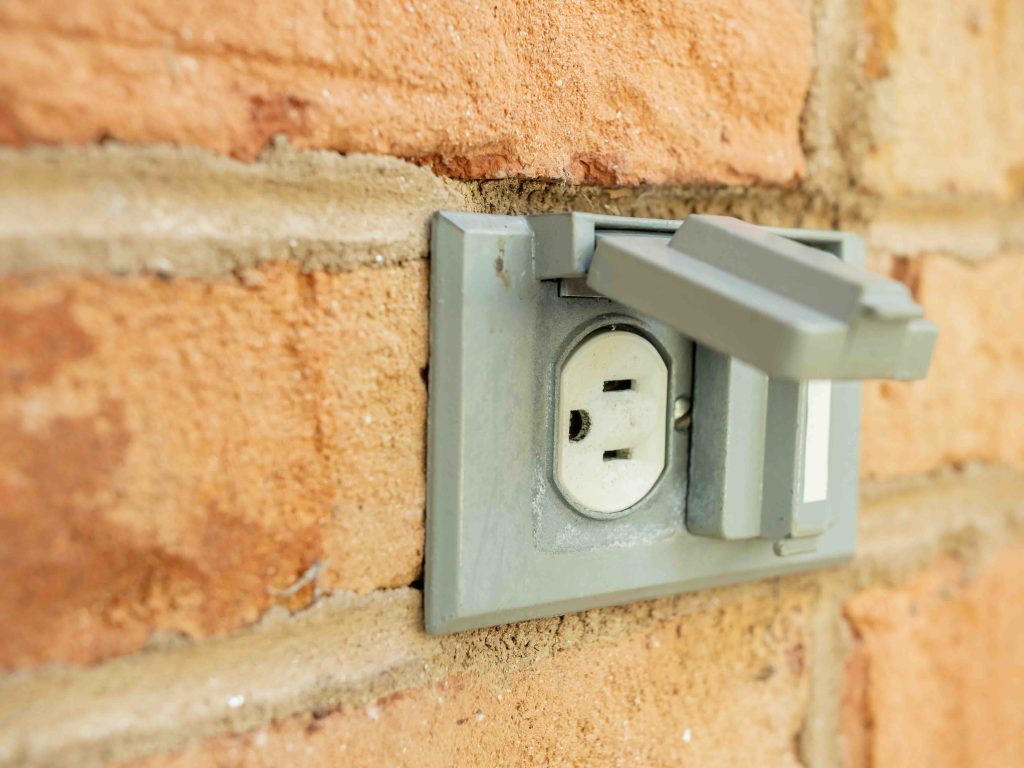
Before anything else, you need to assess whether it is safe to enter the space. This part is non-negotiable. Floodwater and electricity are a dangerous combination, and far too many homeowners skip this step in a panic to save their belongings. Go to your electrical panel and shut off power to the basement before you go near the water. If the panel itself is in the basement or you cannot safely reach it, call an electrician before proceeding. Also consider the source of the water. If you suspect sewage backup, that water is considered contaminated and requires protective gear including rubber boots, gloves, and a mask. Do not take shortcuts here. Your safety is more valuable than anything stored in that basement.
Identify and Stop the Source of Water Intrusion
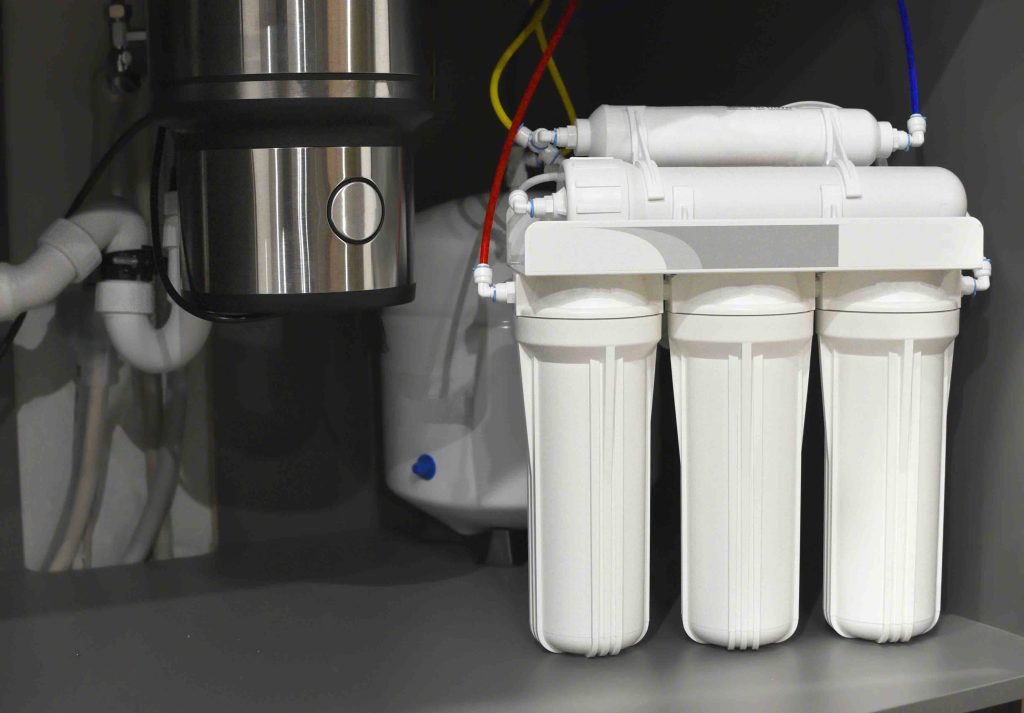
Once you have confirmed it is safe to enter, your next job is to find out where the water is coming from and stop it if you can. Common culprits include a failed sump pump, a cracked foundation wall, a leaking water heater, or a broken pipe. If the source is a plumbing failure, shut off your main water supply immediately. If it is groundwater seeping in through the walls or floor, that is a different problem requiring exterior drainage solutions or professional waterproofing down the line. Understanding the source is not just about solving the immediate problem. It is essential for insurance and warranty claims, and for preventing it from happening again.

Remove the Standing Water as Quickly as Possible
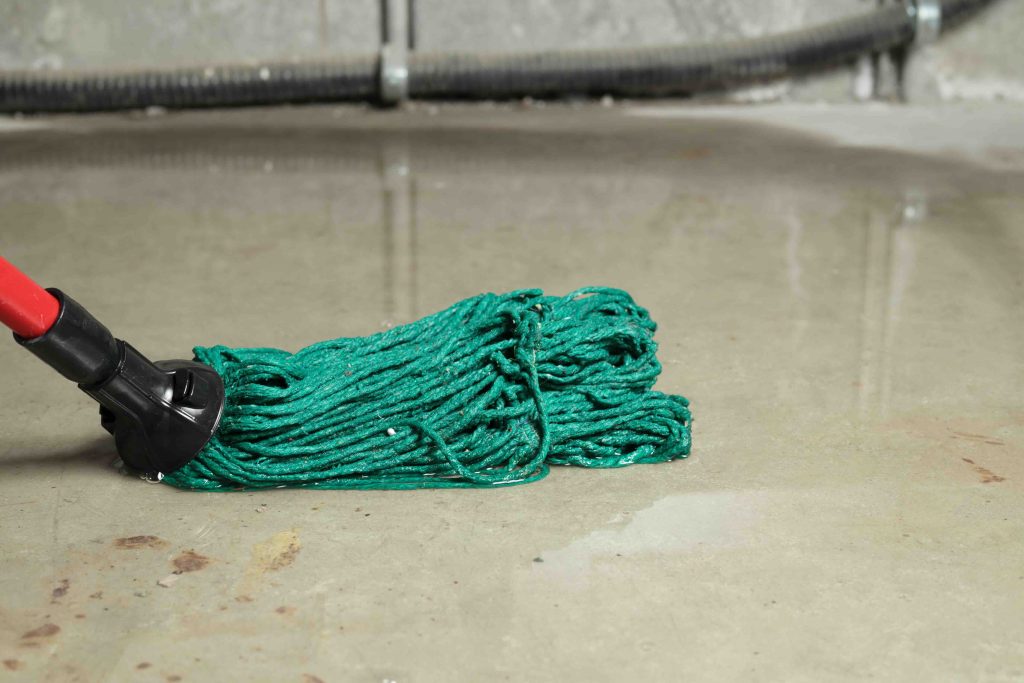
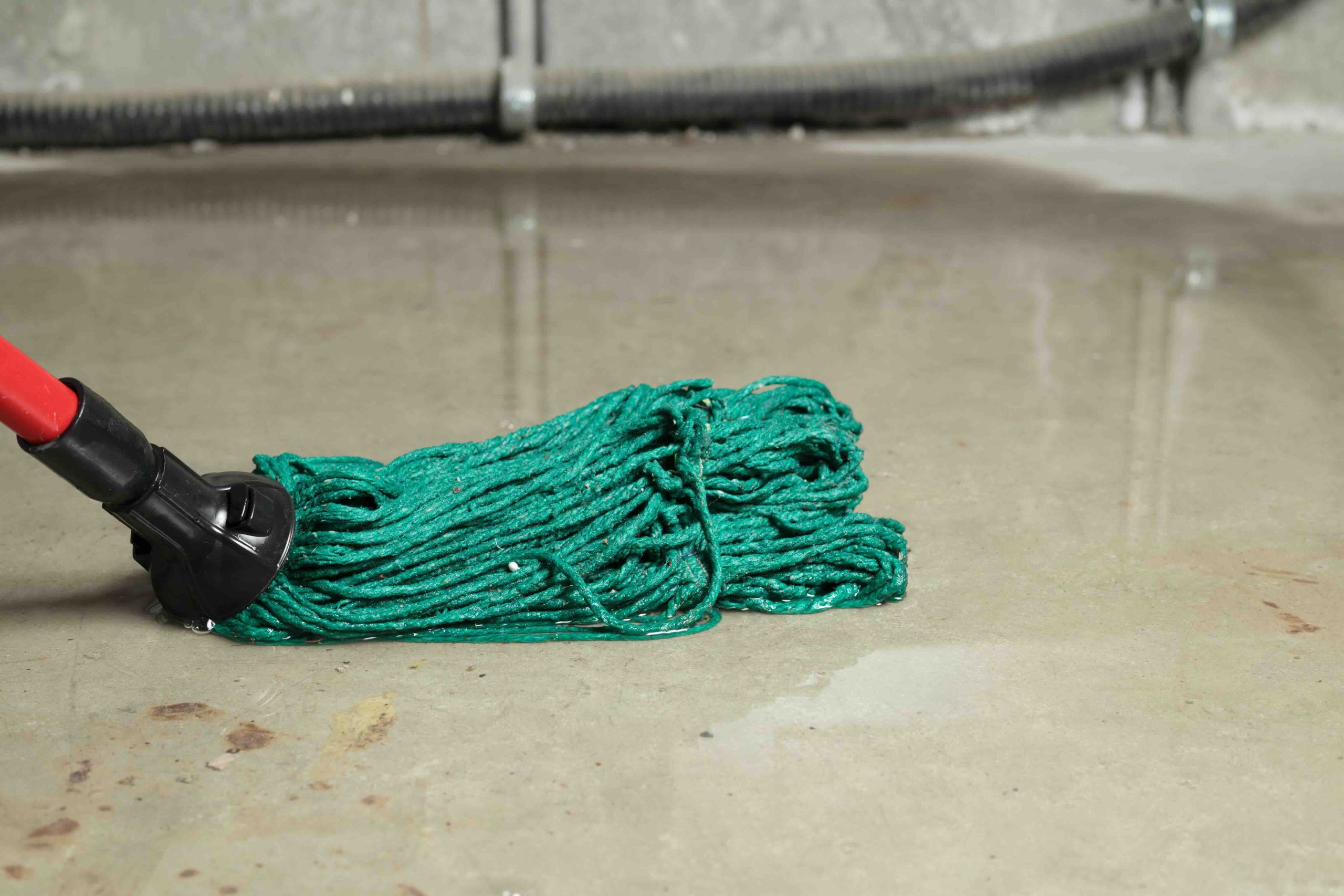
Speed matters more than you might think when it comes to water removal. The longer standing water sits, the deeper it penetrates into flooring, drywall, insulation, and wooden framing. For significant flooding, you will want to use a submersible pump or a wet-dry vacuum designed for water extraction. Rent one from a hardware store if you do not own one. For smaller amounts of water, mops and towels can handle the job but they take longer. Work methodically from one end of the basement to the other, pushing water toward a drain or pumping it out through a hose directed to an appropriate outdoor drainage area. Never pump water out onto a surface where it will simply flow back in.
Dry Out the Space Thoroughly and Aggressively
Getting the visible water out is only half the battle. The moisture that has soaked into surfaces is what will cause mold growth if left unaddressed. Open windows and doors if outdoor humidity allows. Set up industrial fans and dehumidifiers to accelerate the drying process. If you do not own dehumidifiers, they are widely available to rent. Plan on running equipment continuously for at least 24 to 48 hours, and ideally longer depending on how saturated the space became. Use a moisture meter if you have access to one. You want wall cavities, subfloor materials, and concrete surfaces to read as dry before you begin any repairs or move items back in.
Remove Damaged Materials Before Mold Takes Hold
Any porous material that absorbed floodwater and cannot be fully dried within 24 to 48 hours needs to come out. This includes carpet and carpet padding, drywall that has been wet past the midpoint, ceiling tiles, insulation, and cardboard boxes. These materials harbor mold spores and once mold takes hold, you are looking at a remediation project that is far more expensive and disruptive than simply pulling out damaged materials upfront. Cut drywall several inches above the waterline to ensure you are removing all the wet material. Bag everything and dispose of it properly. It may feel drastic, but it is the right call every time.
Clean and Disinfect Every Surface That Touched the Water
After the water is removed and wet materials are pulled out, every surface that came into contact with floodwater needs to be cleaned and disinfected. This is especially critical if the water source involved sewage. Use a diluted bleach solution or a commercial disinfectant rated for flood cleanup on concrete floors, wall framing, and any structural elements that remain. Allow surfaces to dry completely after disinfecting. If you notice a musty smell persisting after cleaning, that is typically a sign that mold has already begun to develop and you may need professional mold remediation before moving forward with repairs.
Common Drawbacks Homeowners Face During Basement Flood Cleanup
Even with the best intentions and a solid plan, basement flood cleanup comes with real challenges worth acknowledging upfront. Here are some of the most common issues homeowners run into:
- Underestimating the extent of moisture damage, especially inside wall cavities and beneath flooring
- Assuming cleanup is complete when surfaces appear dry without using a moisture meter to confirm
- Skipping the disinfection step because the water appeared clean
- Delaying the process due to insurance documentation needs, which can make the damage significantly worse
- Attempting to restore materials like carpet or drywall that are too saturated to salvage, leading to mold growth later
Knowing these pitfalls in advance puts you in a much better position to avoid them. The biggest mistake is always waiting too long to act.
Prevention Measures Worth Investing In After a Flood
Once the basement is clean and dry, the conversation shifts to prevention. A flooded basement is a signal that something in your home’s drainage or plumbing system needs attention. Here are the most practical upgrades and maintenance steps to consider:
- Install or replace your sump pump and consider adding a battery backup in case of power outages during storms
- Have your home’s drainage grading inspected to ensure water flows away from the foundation
- Seal foundation cracks with hydraulic cement or professional waterproofing compounds
- Install a backwater valve on your main drain line to prevent sewage backup
- Inspect and clean gutters and downspouts regularly to prevent water from pooling near the foundation
How Armadillo Helps Protect the Systems That Protect Your Home
Here is the thing about a flooded basement that often gets overlooked: the damage rarely travels alone. A sump pump fails. A water heater cracks. A pipe gives out at the worst possible moment. These are the exact scenarios where having a reliable home warranty makes all the difference. When one system goes down, others tend to follow, and the repair costs pile up fast. That is where Armadillo home warranty coverage for plumbing and home systems steps in. Rather than scrambling to find a contractor and covering the full cost out of pocket, Armadillo connects you with vetted professionals and helps shoulder the financial burden of covered repairs. If you have just dealt with a basement flood and want to make sure you are protected the next time a covered system fails, take two minutes to get a free home warranty quote for basement and plumbing system protection and see what plan fits your home. Peace of mind after a flood is not a luxury. It is a smart investment.

Frequently Asked Questions About Cleaning a Flooded Basement
Homeowners dealing with basement flooding often have the same pressing questions. Here are straightforward answers to the ones that come up most.
How long does it take to dry out a flooded basement?
Most basements take between 24 and 72 hours to dry out with proper equipment running continuously, but heavily saturated spaces can take up to a week or more depending on the extent of water intrusion and ambient humidity levels.
Is it safe to stay in a house with a flooded basement?
In many cases yes, provided the electrical system is secure, there is no sewage contamination, and mold has not yet developed. However, if any of those conditions are present, it is best to vacate until the situation is remediated.
Does homeowners insurance cover basement flooding?
Standard homeowners insurance typically covers sudden and accidental water damage, such as a burst pipe, but does not cover flooding from outside sources like groundwater or storm surge. Flood insurance through a separate policy is required for that type of coverage.
Does a home warranty cover a flooded basement?
A home warranty does not cover flood damage itself, but it can cover the repair or replacement of systems that caused or contributed to the flooding, such as a failed sump pump or a burst pipe, depending on your specific plan terms.
How do I know if my basement has mold after flooding?
Signs of mold include a persistent musty odor, visible dark or discolored spots on walls and flooring, and respiratory irritation in occupants. If you suspect mold, a professional inspection is recommended before completing repairs.
Can I use a regular shop vacuum to remove floodwater?
A wet-dry shop vacuum can work for smaller water volumes, but for significant flooding a submersible pump will remove water far more efficiently. Most equipment rental centers carry both options.
When should I call a professional instead of cleaning the basement myself?
You should call a professional if the water source is sewage-related, if you suspect structural damage, if mold is already visible, or if the water volume is too large to manage safely with consumer-grade equipment.
How do I prevent my basement from flooding again?
The most effective prevention measures include installing a sump pump with a battery backup, sealing foundation cracks, improving exterior grading so water flows away from the home, and adding a backwater valve to prevent drain backup.
What should I throw away after a basement flood?
Any porous material that cannot be thoroughly dried within 48 hours should be discarded, including carpet, carpet padding, insulation, wet drywall, cardboard, and upholstered items that were submerged.
How do I document basement flood damage for an insurance claim?
Take detailed photographs and video of all affected areas before removing anything. Make a written inventory of damaged belongings and keep receipts for any emergency expenses such as equipment rental or temporary housing, as these may be reimbursable.