What Is an Exterior Electrical Socket and Why Does Your Home Need One?
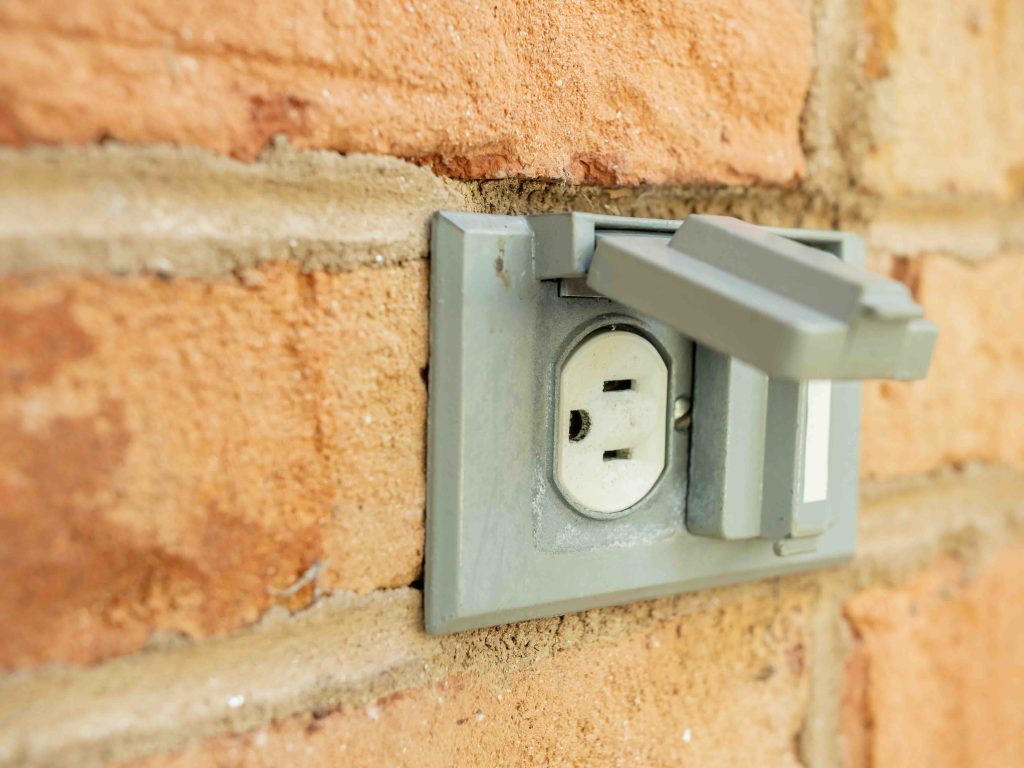
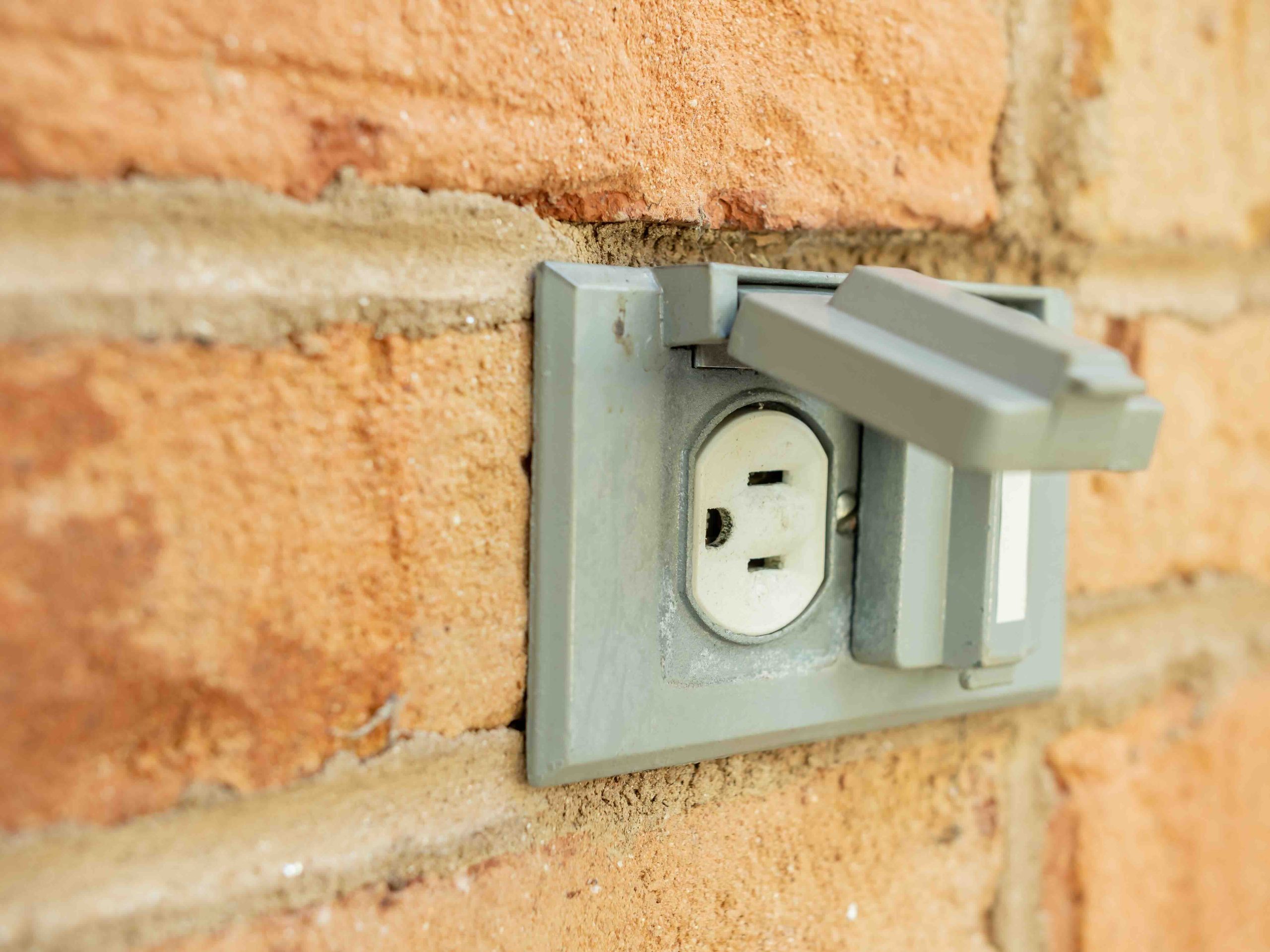
Most homeowners think about outdoor electrical outlets only when they need one and cannot find one. That moment of frustration, usually while dragging an extension cord across the lawn or trying to power holiday lights from a garage receptacle, is when the value of a properly installed exterior electrical socket becomes very clear. An exterior electrical socket, also called an outdoor outlet or outdoor receptacle, is a weatherproofed electrical outlet mounted on the outside of your home. It functions the same way as an indoor outlet but is built to handle exposure to moisture, dust, debris, and temperature fluctuations. If you have never given much thought to the outlets on the outside of your house, now is a great time to start.
How Exterior Electrical Sockets Work
An exterior electrical socket connects to your home’s main electrical panel the same way any interior outlet does. The difference is in how it is protected. These outlets use weatherproof covers, typically a hinged, gasket-sealed cover made from plastic or metal, that shields the receptacle when it is not in use. The National Electrical Code requires outdoor outlets to be GFCI-protected, which stands for Ground Fault Circuit Interrupter. A GFCI outlet monitors the flow of electricity and trips the circuit within milliseconds if it detects an imbalance, which usually means water or another conductor has introduced a path for electricity to travel where it should not. This protection is not optional; it is code, and it is genuinely life-saving. In newer installations, you may also encounter “in-use” covers, which are bubble-shaped covers that allow a plug to remain inserted while still protecting the outlet from rain and weather.
Common Types of Exterior Electrical Outlets
Not all outdoor outlets are the same, and knowing the differences helps you choose the right setup for your specific needs. The type you need depends on what you plan to power and how frequently you plan to use it.
- Standard 15-amp or 20-amp GFCI outlets: Best for general use like power tools, string lights, and small appliances
- Weatherproof in-use covers: Required when a cord will remain plugged in for extended periods, such as for a fountain or outdoor speaker system
- 240-volt outlets: Designed for high-demand equipment like hot tubs, EV chargers, or large power tools
- Tamper-resistant receptacles: Include internal shutters that block foreign objects, recommended for homes with young children
- Recessed outlets: Sit flush with the wall surface, offering a cleaner look and additional protection from physical damage
The Key Advantages of Having Outdoor Electrical Outlets
There is a reason electricians and home inspectors consistently flag the absence of exterior outlets as a functional shortcoming. A well-placed outdoor outlet does more than just add convenience. It expands how you can use your outdoor living space. Imagine running a power washer without needing a 50-foot extension cord, or setting up landscape lighting that plugs directly into a hidden outlet near your garden bed. Outdoor kitchens, patio televisions, outdoor ceiling fans, holiday lighting, inflatable decorations, power tools for yard work, and electric lawn mowers all benefit enormously from accessible exterior power. Beyond convenience, having properly installed and code-compliant outlets can add to your home’s resale value. Buyers notice the details, and a home that already has outdoor power infrastructure is easier to sell and to enjoy.

Common Drawbacks and Risks to Be Aware Of
Outdoor electrical work comes with real risks, and it is worth being honest about them. Water and electricity are a dangerous combination, and even weatherproof outlets can fail if they are not installed correctly or maintained over time. Gaskets dry out, covers crack, and outlets that are exposed to years of weather can develop corrosion inside the receptacle. A tripped GFCI that keeps resetting is often a signal that moisture has already entered the circuit. There is also the risk of overloading a circuit, especially if multiple high-draw devices are plugged into the same outlet simultaneously. Additionally, some homeowners attempt DIY outdoor outlet installation without understanding local permit requirements, which can create liability issues and code violations that surface during a home sale. The upfront cost of hiring a licensed electrician is worth every dollar when you consider what is at stake.
Where Should Exterior Outlets Be Installed?
Placement matters more than most homeowners realize. The NEC requires at least one outdoor outlet at the front and one at the rear of every single-family home. However, that minimum rarely reflects how people actually live and use their outdoor spaces. A more practical approach considers where you spend time, what you power, and how accessible the outlet needs to be. Outlets placed near the driveway support car washing and EV charging. Outlets near the deck or patio power entertainment setups. Outlets near garden beds or the perimeter of the yard support irrigation timers and landscape lighting. Height matters too. Outlets should generally be installed at least one foot above ground level to reduce the risk of water pooling at the base, though local codes may have specific requirements.
How to Maintain Your Exterior Electrical Outlets
Once you have outdoor outlets installed, they do require a minimum level of attention to stay safe and functional. This is not heavy maintenance, but it is the kind of thing that pays off. Check the weatherproof covers at least once a year to make sure the gaskets are intact and the hinges are not cracked or warped. Test your GFCI outlets monthly using the test and reset buttons built into the receptacle. If the outlet does not trip when you press the test button or does not restore power when you press reset, the GFCI may have failed and needs to be replaced. Inspect the outlet face for discoloration, burn marks, or any signs of arcing, which would indicate a serious problem requiring immediate attention. Keep the area around ground-level outlets clear of mulch, soil, and debris that can trap moisture against the outlet cover.
Exterior Outlets and Your Home Warranty: What You Should Know
Many homeowners are surprised to learn that home warranty coverage can extend to electrical systems, including the wiring, panels, and outlets inside and sometimes outside their homes. The specifics depend entirely on the plan and provider, but electrical system coverage is a meaningful benefit when something fails unexpectedly. An exterior GFCI outlet that stops working, a circuit that keeps tripping, or a wiring issue that develops over time can be expensive to diagnose and repair. Having a home warranty in place that covers your electrical system means you are not absorbing that cost out of pocket. Before assuming your current warranty covers outdoor electrical components, read through the terms carefully and ask your provider directly. The details matter.
Signs It Is Time to Upgrade or Repair Your Exterior Outlets
Some warning signs are obvious and others are easy to overlook until a problem grows into something more serious. If you notice any of the following, it is worth scheduling an inspection with a licensed electrician rather than waiting.
- The outlet does not hold a plug firmly or the connection feels loose
- The cover plate is cracked, missing, or no longer seals properly against the wall
- The outlet trips repeatedly without an obvious cause
- There is visible rust, corrosion, or discoloration around the receptacle
- The outlet is the old two-prong ungrounded type, which indicates it needs to be replaced
- There is no GFCI protection on the outdoor circuit
Why Armadillo Is the Right Partner for Home Electrical Protection
Your home’s electrical system, including every outlet from the breaker panel to the exterior wall, works quietly in the background until it does not. When something fails, the diagnosis and repair costs can climb fast, and that is exactly where a solid home warranty earns its value. Armadillo home warranty coverage for electrical systems and major home components is designed to take the financial unpredictability out of homeownership without burying you in exclusions and fine print. Armadillo covers the systems and appliances that actually matter to how you live, and the process of getting protected is straightforward. Whether you are a new homeowner building out your outdoor living space or a long-term owner realizing your electrical infrastructure needs attention, you can get a free home warranty quote online to protect your home’s electrical system today. No pressure, no confusion, just honest coverage from a company that understands what homeowners actually need.

Frequently Asked Questions About Exterior Electrical Sockets
Are outdoor electrical outlets required by code?
Yes. The National Electrical Code requires at least one outdoor outlet at the front and one at the rear of single-family homes. All outdoor outlets must be GFCI-protected and covered with a weatherproof cover plate.
What is the difference between a GFCI outlet and a standard outlet?
A GFCI outlet monitors the electrical current flowing through the circuit and shuts off power within milliseconds if it detects a ground fault, which is often caused by water or another unintended path. Standard outlets do not have this protection.
Can I install an outdoor outlet myself?
Technically yes, but it is not advisable without electrical experience. Outdoor outlet installation often requires a permit, and mistakes can create serious safety hazards. Hiring a licensed electrician is the safer and more code-compliant choice.
How much does it cost to install an exterior electrical outlet?
The cost typically ranges from $150 to $400 per outlet depending on your location, the complexity of the installation, and whether a new circuit is required. Running a new circuit from the panel adds to the overall cost.
What does “in-use cover” mean for an outdoor outlet?
An in-use cover, sometimes called a bubble cover, is a hinged weatherproof cover that remains closed around the cord even when a plug is inserted. This keeps the connection protected from rain and moisture while in use.
How often should I test my outdoor GFCI outlets?
You should test outdoor GFCI outlets at least once a month. Use the test and reset buttons on the receptacle to confirm it trips and restores power correctly. A GFCI that fails this test should be replaced promptly.
Can a home warranty cover outdoor electrical outlets?
Some home warranties include electrical system coverage that may extend to outdoor outlets and wiring. Coverage terms vary by provider and plan, so it is important to review your agreement carefully and ask your provider directly about what is included.
Why does my outdoor outlet keep tripping?
Repeated tripping usually indicates moisture has entered the outlet, the circuit is overloaded, or there is a fault somewhere in the wiring. Stop using the outlet and have a licensed electrician inspect it before attempting to reset it again.
What is the best location for an outdoor electrical outlet?
Placement depends on how you use your outdoor space. Common high-value locations include near the front entrance, along the back patio or deck, near the driveway, and at the corners of the yard to support landscape lighting or tools.
Do outdoor outlets need to be on a dedicated circuit?
Not always, but high-draw equipment like hot tubs, EV chargers, and large power tools do require dedicated circuits. Standard outdoor outlets for general use can often share a circuit with other outlets, provided the total load stays within the circuit’s rated capacity.