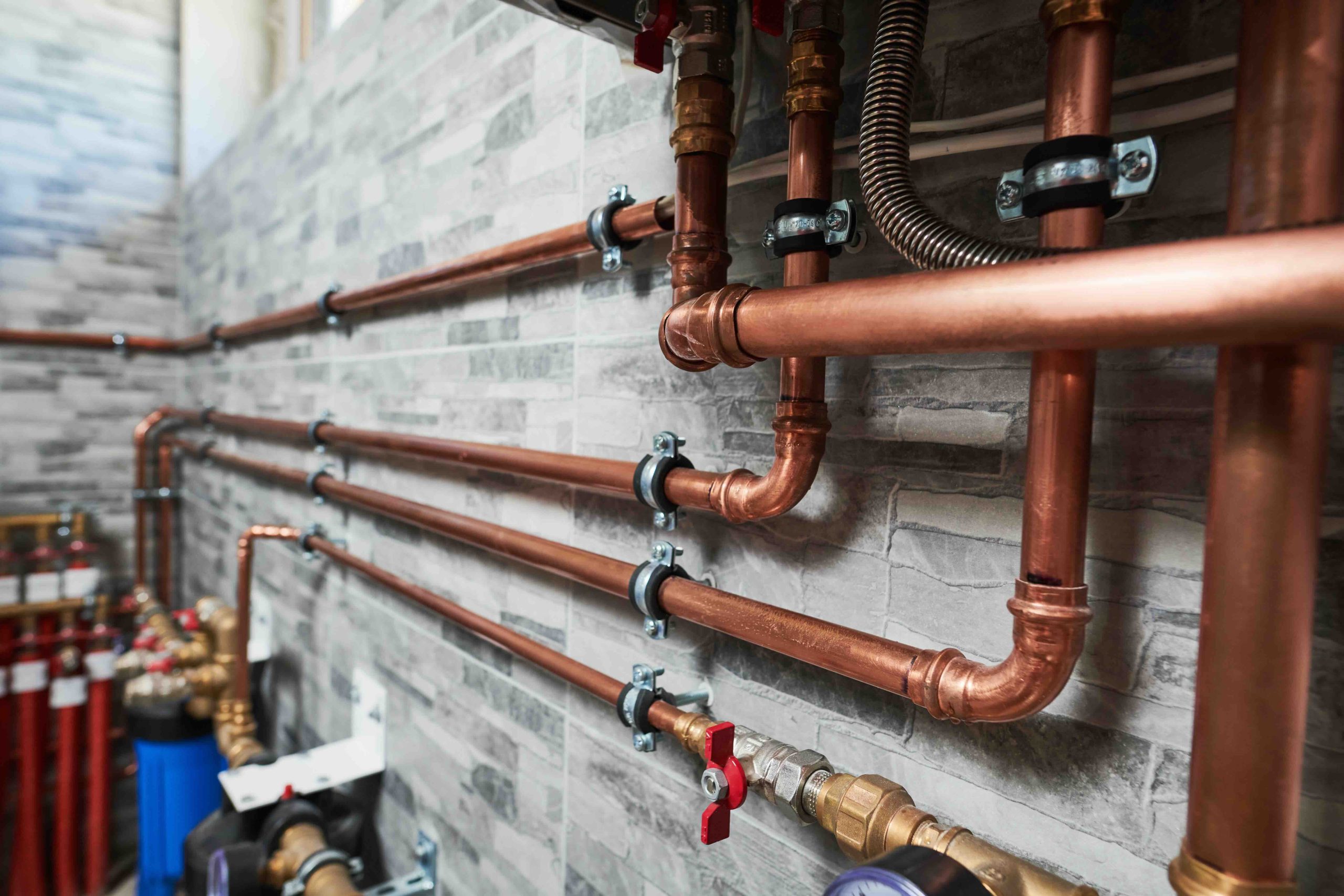
What Is a Home Plumbing System and Why Should You Actually Care About It
Most homeowners do not think about their plumbing until something goes wrong. A slow drain, a dripping faucet, or a water heater that stops working on a cold morning in January. That is usually when the panic sets in. But here is the thing: your home’s plumbing system is one of the most complex and quietly essential systems running through your house every single day. Understanding how it works is not just for plumbers. It is genuinely useful knowledge for anyone who owns a home and wants to stay ahead of expensive surprises.
How a Home Plumbing System Actually Works
Your plumbing system is really two systems operating in tandem. The first brings clean, pressurized water into your home. The second removes wastewater and sends it out through a drain-waste-vent system. Water enters through a main supply line, typically from a municipal source or a private well, and travels under pressure through a network of pipes that branch out to every fixture in your home. Hot water gets routed through your water heater before reaching faucets, showers, and appliances. The drain side of the equation works differently. It relies on gravity rather than pressure, which is why proper pipe slope and venting matter so much. Without adequate venting, drains move slowly, and sewer gases can back up into your living space.
The Key Components You Should Know by Name
Knowing the parts of your plumbing system helps you communicate better with contractors and spot early warning signs before they escalate. Here are the primary components worth understanding:
- Main shutoff valve: Controls the flow of water into your entire home. If a pipe bursts, this is the first thing you turn off.
- Supply lines: Pressurized pipes that carry fresh water from the main line to individual fixtures.
- Water heater: Heats cold water and stores it for use, whether tank-style or tankless.
- Drain pipes: Gravity-fed pipes that carry wastewater away from fixtures toward the sewer or septic system.
- P-traps: The curved sections of pipe beneath sinks that hold standing water to block sewer gases from entering your home.
- Vent stack: A vertical pipe that allows air into the drain system, keeping water flowing properly and preventing pressure buildup.
- Pressure regulator: Reduces incoming water pressure to a safe level, typically between 40 and 80 PSI.
The Biggest Advantages of Understanding Your Plumbing System
There is real value in knowing what you are working with. Homeowners who understand their plumbing can catch problems early, avoid unnecessary service calls for minor issues, and make more informed decisions when a plumber recommends a repair or replacement. For instance, knowing where your main shutoff valve is located could save thousands of dollars in water damage if a supply line fails. Understanding that water pressure above 80 PSI can wear out fixtures prematurely means you know to ask your plumber to check your pressure regulator during a routine visit. Small knowledge gaps lead to big repair bills. Filling them in does not require a plumbing license. It just requires a little curiosity and the willingness to look things up before disaster strikes.

Common Plumbing Problems Homeowners Face and What Causes Them
Plumbing issues rarely appear out of nowhere. They tend to develop slowly, which is what makes routine maintenance so valuable. Leaky faucets are often caused by worn washers or O-rings. Slow drains typically point to buildup of soap scum, grease, or hair in the trap or drain line. Low water pressure can signal a failing pressure regulator, a partially closed valve, or even pipe corrosion in older homes. A running toilet often comes down to a faulty flapper valve. None of these are emergencies on their own, but left unaddressed, they compound. A slow drip wastes thousands of gallons of water annually. A corroded pipe under a sink can go unnoticed until a cabinet full of cleaning supplies is ruined and the subfloor underneath starts to deteriorate.
Plumbing Maintenance Tips That Actually Make a Difference
Routine plumbing maintenance is one of the most straightforward ways to protect your home. The habits that matter most are not complicated, but they do require consistency. Check under sinks every few months for signs of moisture, discoloration, or soft cabinetry. Flush your water heater annually to clear sediment buildup that reduces efficiency and shortens the unit’s lifespan. Test your water pressure with an inexpensive gauge from any hardware store. Inspect exposed pipes in crawl spaces and attics before winter, and make sure they are insulated. Know where every shutoff valve is in your home, not just the main one. Individual shutoffs exist under toilets, beneath sinks, and behind washing machine connections. If a toilet supply line fails at 2 AM, you want to turn it off at the fixture, not run to the basement first.
Common Drawbacks and Limitations of DIY Plumbing Maintenance
There is an important distinction between maintenance and repairs. Homeowners can handle a great deal on the maintenance side, but repairs are a different story. Replacing a flapper valve is manageable. Rerouting a supply line is not. The risk with amateur repairs is not just doing the job wrong. It is doing it in a way that passes visual inspection for months before revealing itself as a slow leak inside a wall. Plumbing also intersects with local building codes, and unpermitted work can complicate home sales and insurance claims. Knowing your limits is not a weakness. It is practical wisdom. Some repairs genuinely require a licensed plumber, and recognizing which ones do will save you both money and stress in the long run.
How Pipe Materials Affect Your Plumbing System’s Longevity
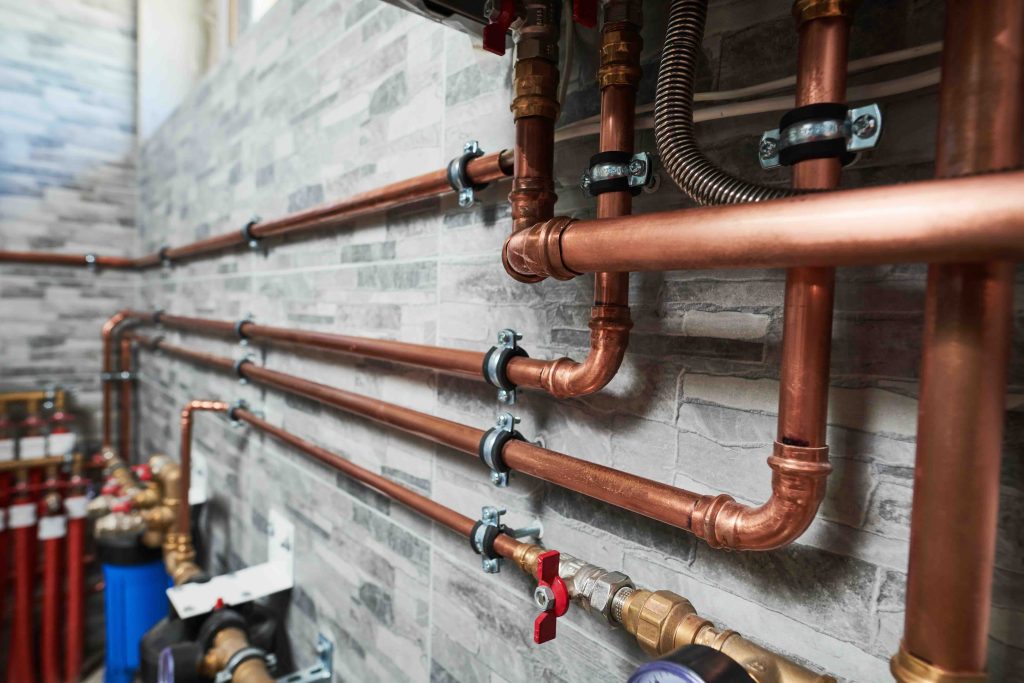
The type of pipes in your home has a significant impact on how long your plumbing system will last and what kinds of problems you are likely to encounter. Older homes may have galvanized steel pipes, which corrode from the inside out over decades, gradually restricting water flow and leaching rust into the water supply. Copper has been a reliable standard for decades, resistant to corrosion and capable of lasting 50 years or more with proper care. PVC and CPVC are common in modern construction, particularly for drain lines, and are durable and relatively affordable. PEX tubing has become popular in newer homes and renovations due to its flexibility, freeze resistance, and ease of installation. Understanding what your home is made of helps you anticipate its maintenance needs and set a realistic replacement timeline.
When to Call a Plumber Versus When to Wait
Not every plumbing issue demands an emergency service call, and not every drip is something you should put off until next month. The judgment call in between is where a lot of homeowners struggle. A slow drain you can clear with a drain snake or enzymatic cleaner is manageable. A gurgling sound coming from multiple drains at once points to a deeper blockage in your main line, and that warrants a professional. Water stains on ceilings below a bathroom are not something to monitor over time. That is an active problem. Discolored water, sudden drops in pressure throughout the house, and the smell of sulfur near faucets are all signals that professional diagnosis is warranted sooner rather than later. When in doubt, the cost of a service call is almost always less than the cost of delayed attention to a growing problem.
Why Armadillo Home Warranty Is the Smart Move for Plumbing Protection
Even the most diligent homeowner cannot prevent every plumbing failure. Pipes age, water heaters wear out, and components fail without warning regardless of how well they have been maintained. That is where a home warranty becomes genuinely useful. Armadillo home warranty coverage for plumbing systems and appliances is designed to step in when the unexpected happens, covering the cost of repairs and replacements that would otherwise hit your budget hard and without mercy. Armadillo keeps things straightforward, with transparent coverage terms and a process that does not make you fight for what you are owed. If your plumbing system is aging, or you simply want the peace of mind that comes with knowing a covered repair is one call away, you can get a free home warranty quote that includes plumbing system protection in just a few minutes. Homeownership comes with enough uncertainty. Your coverage does not have to be one of the unknowns.

Frequently Asked Questions About Home Plumbing Systems
Answers to the questions homeowners ask most often about their plumbing systems, maintenance responsibilities, and coverage options.
What is the most important thing a homeowner can do to maintain their plumbing system?
Knowing the location of your main water shutoff valve and checking under sinks and around fixtures regularly for early signs of leaks are the two most impactful habits a homeowner can develop. Catching a small drip before it becomes water damage is always less expensive than reacting after the fact.
How often should a water heater be flushed?
Most manufacturers and plumbing professionals recommend flushing a tank-style water heater once per year to remove sediment that accumulates at the bottom of the tank. Sediment reduces efficiency, increases energy costs, and accelerates wear on the unit.
What water pressure level is considered safe for a home?
Water pressure between 40 and 80 PSI is considered the acceptable range for residential plumbing. Pressure consistently above 80 PSI can damage fixtures, appliances, and supply lines over time, and a pressure regulator can be installed or adjusted to bring it within a safe range.
How do I know if my pipes are at risk of freezing?
Pipes located in unheated spaces such as exterior walls, crawl spaces, attics, and garages are most vulnerable to freezing. When outdoor temperatures fall below 20 degrees Fahrenheit, exposed or under-insulated pipes are at real risk, and adding foam pipe insulation in those areas is a cost-effective preventive measure.
What causes low water pressure throughout the whole house?
Whole-house low water pressure is often caused by a failing pressure regulator, a partially closed main shutoff valve, or significant mineral buildup inside older pipes. It can also indicate a leak somewhere in the main supply line, which warrants professional investigation.
Is a home warranty worth it for plumbing coverage?
A home warranty can provide significant value for plumbing coverage, particularly in homes with aging systems or older water heaters. When a covered plumbing component fails, the home warranty pays for the repair or replacement rather than the homeowner absorbing the full cost out of pocket, which can easily reach several hundred to several thousand dollars.
What is a P-trap and why does it matter?
A P-trap is the curved section of pipe found beneath sinks, showers, and bathtubs. It holds a small amount of standing water that acts as a seal, preventing sewer gases from traveling up through the drain and into your living space. A dried-out or cracked P-trap can allow those gases to enter the home, which is both unpleasant and a potential health concern.
How long do residential plumbing pipes typically last?
The lifespan of plumbing pipes depends heavily on the material. Copper pipes can last 50 years or more. Galvanized steel pipes typically last between 20 and 50 years before corrosion becomes a problem. PVC and CPVC pipes have an expected lifespan of 25 to 40 years, while PEX tubing is rated for 25 to 50 years under normal conditions.
Can hard water damage a home’s plumbing system?
Yes, hard water, which contains elevated levels of calcium and magnesium, causes mineral scale to build up inside pipes, water heaters, and fixtures over time. This buildup reduces water flow, decreases water heater efficiency, and shortens the lifespan of appliances. A water softener can mitigate these effects significantly.
What should I do immediately if a pipe bursts in my home?
Turn off the main water shutoff valve immediately to stop the flow of water. Then turn on a cold water faucet at a lower level of the home to drain any remaining water from the pipes. Contact a licensed plumber as soon as possible, and document the damage thoroughly with photographs before any cleanup begins, especially if you plan to file an insurance or home warranty claim.