Your Refrigerator Is Working Harder Than You Think
Most homeowners never give the refrigerator a second thought until it stops working. It hums quietly in the corner, keeps food cold, and gets opened and closed dozens of times a day without complaint. But behind that unassuming exterior is a surprisingly sophisticated mechanical system doing continuous, thankless work. At the center of that system is the compressor, and understanding how it functions can help you spot early warning signs, make smarter maintenance decisions, and know exactly when to call for help before a minor issue becomes a costly repair.
What Is a Refrigerator Compressor, Exactly
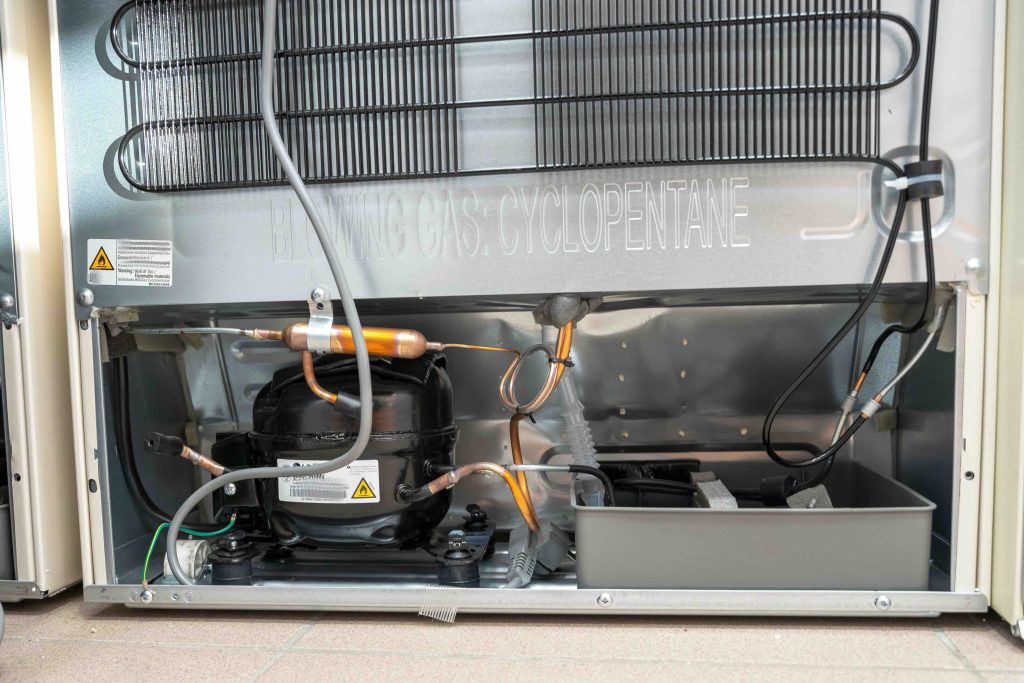
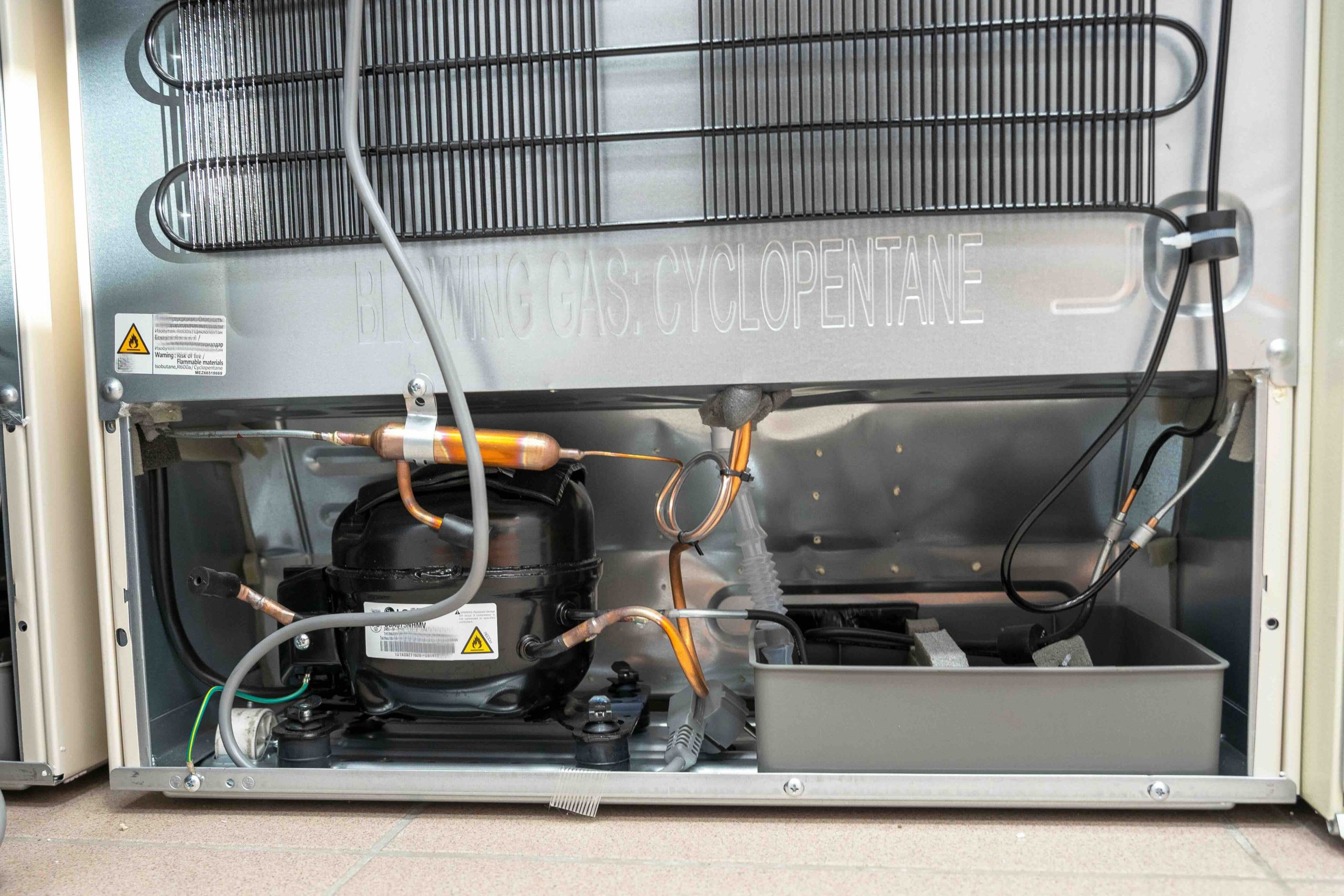
The compressor is essentially the engine of your refrigerator. It is a motorized pump, typically located at the back or bottom of the unit, responsible for circulating refrigerant throughout the cooling system. Without it, the refrigerant stays put, nothing gets cold, and your groceries are on borrowed time. Think of the compressor as the heart of the refrigerator, pumping refrigerant the way the heart pumps blood, keeping everything moving and functioning as it should. It is one of the most mechanically complex components in the appliance and, not surprisingly, one of the most expensive to replace when something goes wrong.
The Refrigeration Cycle, Broken Down Simply
To understand the compressor, you have to understand the refrigeration cycle, because they are inseparable. Refrigerant begins as a low-pressure gas. The compressor pulls that gas in and compresses it, which raises both the pressure and the temperature of the refrigerant. That hot, high-pressure gas then travels to the condenser coils, usually located at the back of the refrigerator, where it releases heat and converts into a liquid. From there, the liquid refrigerant moves through an expansion valve, which causes a rapid pressure drop, and the refrigerant becomes a cold, low-pressure liquid. That cold liquid passes through the evaporator coils inside the refrigerator, absorbing heat from the interior and cooling your food. The refrigerant then evaporates back into a gas, returns to the compressor, and the whole cycle starts again. The compressor is what keeps this loop in motion, every single minute the refrigerator is plugged in.

Types of Refrigerator Compressors
Not all compressors operate the same way, and the type your refrigerator uses affects its efficiency, noise level, and lifespan. Here is a quick breakdown of the most common types found in residential refrigerators:
- Reciprocating compressors: The most traditional type, using a piston mechanism to compress refrigerant. Common, reliable, and widely used in standard refrigerators.
- Rotary compressors: Use a rotating mechanism rather than a piston, which tends to be quieter and more compact.
- Inverter compressors: A newer technology that adjusts motor speed based on cooling demand rather than cycling fully on and off. These are significantly more energy efficient and tend to have longer lifespans.
- Linear compressors: Found in some higher-end models, these use a back-and-forth linear motion that reduces friction and improves efficiency.
Inverter compressors in particular have become a selling point in modern refrigerators because they run quieter, consume less energy, and generate less wear over time compared to traditional single-speed models.
Key Advantages of a Well-Functioning Compressor
When the compressor is healthy and operating as intended, the benefits are easy to take for granted. Consistent internal temperatures protect food from spoiling prematurely. Efficient refrigerant circulation reduces the energy required to maintain those temperatures, which keeps your electricity bill in check. A properly running compressor also means less strain on surrounding components, which extends the overall lifespan of the appliance. Modern inverter-style compressors add to this by running continuously at lower speeds rather than switching on and off repeatedly, which actually reduces mechanical stress and energy consumption at the same time. The compressor, when it is working right, is a quiet and efficient workhorse that supports everything else the refrigerator does.
Common Compressor Problems Homeowners Should Know
The compressor is durable, but it is not indestructible. Over time, wear and tear, refrigerant issues, and electrical faults can compromise its performance. Recognizing the early signs of trouble can save you from a full appliance failure and a ruined refrigerator full of food. Watch for these warning signs:
- Refrigerator not cooling properly despite the compressor running
- Loud clicking, buzzing, or rattling sounds coming from the back of the unit
- The compressor runs constantly without cycling off
- The compressor does not start at all, and you hear a brief clicking sound instead
- Warm spots inside the refrigerator or freezer compartment
- A noticeable increase in your electricity usage without explanation
Many of these symptoms can also point to other refrigerator components like the start relay, condenser fan, or thermostat, which is why a professional diagnosis matters before assuming the compressor itself is the culprit.
How Long Does a Refrigerator Compressor Last
Under normal operating conditions, a refrigerator compressor is designed to last anywhere from 10 to 15 years, and many will push past that range with proper care. The lifespan depends heavily on usage patterns, ambient temperature in the room, how well the coils are maintained, and the quality of the original unit. Refrigerators in hot garages or cramped spaces without ventilation tend to work harder, which accelerates compressor wear. The good news is that routine maintenance, keeping condenser coils clean, ensuring proper airflow around the unit, and not overloading the refrigerator with warm food can meaningfully extend compressor life without any professional intervention required.
The Cost Reality of Compressor Repairs and Replacements
Here is where things get sobering for homeowners. Compressor repairs are among the most expensive refrigerator service calls you can face. A compressor replacement alone, including parts and labor, can range from $300 to over $700 depending on the refrigerator brand, model, and your location. On high-end French door or built-in refrigerators, that number can climb significantly higher. In many cases, the repair cost approaches or exceeds the value of an older refrigerator, which puts homeowners in a difficult position: repair or replace. This is exactly the kind of unexpected expense that catches people off guard, and exactly the kind of situation where having a home warranty in place makes a measurable financial difference.
Practical Maintenance Tips to Protect Your Compressor
The best time to think about your compressor is before it has a problem. A few straightforward habits can extend its life considerably. Clean the condenser coils at least twice a year using a vacuum or coil brush, since dust buildup forces the compressor to work harder. Make sure the refrigerator has at least an inch of clearance on all sides for proper airflow. Check door gaskets regularly and replace them if they are cracked or no longer sealing tightly, as warm air intrusion causes the compressor to cycle more frequently. Avoid placing the refrigerator near heat sources like ovens or direct sunlight. And when adding large amounts of warm food, do it gradually rather than all at once to avoid sudden thermal load spikes that stress the compressor motor.
Why Armadillo Is the Smart Choice for Refrigerator Compressor Coverage
When a refrigerator compressor fails, the repair bill rarely comes at a convenient time. That is not pessimism, it is just how appliance ownership works. Having the right coverage in place before something breaks is the only way to avoid that gut-drop moment when a technician quotes you a number you were not prepared for. Armadillo home warranty plans designed for appliance and system protection are built around exactly these kinds of scenarios, covering the components that homeowners depend on most, including refrigerator systems where the compressor is often the highest-risk and highest-cost failure point. The coverage is straightforward, the claims process is not buried in fine print, and the protection is real. If you want to stop guessing what an unexpected repair will cost you, the smartest move is to get a home warranty quote that covers refrigerator compressor breakdowns and know exactly where you stand before your appliance decides to test your budget.

Frequently Asked Questions About Refrigerator Compressors
Homeowners ask a lot of questions once they start paying attention to how their refrigerator actually works. Here are the answers to the ones that come up most often.
What does a refrigerator compressor do?
The compressor is the pump that circulates refrigerant through the refrigeration cycle. It compresses low-pressure refrigerant gas into high-pressure gas, which kicks off the heat exchange process that ultimately cools the interior of the refrigerator.
How do I know if my refrigerator compressor is failing?
Common signs include the refrigerator not maintaining proper temperature, unusual clicking or humming noises from the back of the unit, the compressor running constantly, or the compressor not starting at all. A qualified appliance technician can confirm the diagnosis.
Can a refrigerator run without a working compressor?
No. The compressor is essential to the entire cooling process. Without a functioning compressor, refrigerant cannot circulate, and the refrigerator cannot maintain cold temperatures.
How long does it take to replace a refrigerator compressor?
A compressor replacement typically takes a trained technician two to four hours, though this varies depending on the refrigerator model and how accessible the component is. The refrigerant system must also be properly evacuated and recharged, which adds to the process.
Is it worth replacing a refrigerator compressor?
It depends on the age and value of the refrigerator. If the appliance is under 7 to 8 years old and otherwise in good condition, a compressor replacement can be cost-effective. On older units where repair costs approach replacement value, buying a new refrigerator often makes more financial sense.
What causes a refrigerator compressor to fail?
Common causes include refrigerant leaks, electrical failures, overheating due to dirty condenser coils or poor ventilation, and general wear over years of use. Manufacturing defects can also play a role, particularly in compressors that fail early in the appliance’s life.
Does a home warranty cover refrigerator compressor repairs?
Many home warranty plans include refrigerator coverage that extends to the compressor, though the exact terms vary by provider and plan. It is important to review what is explicitly covered before a problem occurs rather than after.
What is an inverter compressor and is it better?
An inverter compressor adjusts its speed based on cooling demand rather than turning fully on and off repeatedly. This results in more consistent temperatures, lower energy consumption, reduced noise, and less mechanical wear over time, making it a genuinely superior technology for most homeowners.
How can I extend the life of my refrigerator compressor?
Clean the condenser coils regularly, ensure the refrigerator has adequate ventilation, check door seals for wear, avoid placing the unit near heat sources, and do not overload it with warm food all at once. These steps reduce the workload on the compressor and can meaningfully extend its operational life.
What is the average cost to replace a refrigerator compressor?
Replacement costs typically range from $300 to $700 or more, including parts and labor. Premium refrigerator models, particularly built-in or commercial-style units, can see compressor replacement costs exceed $1,000 in some cases.