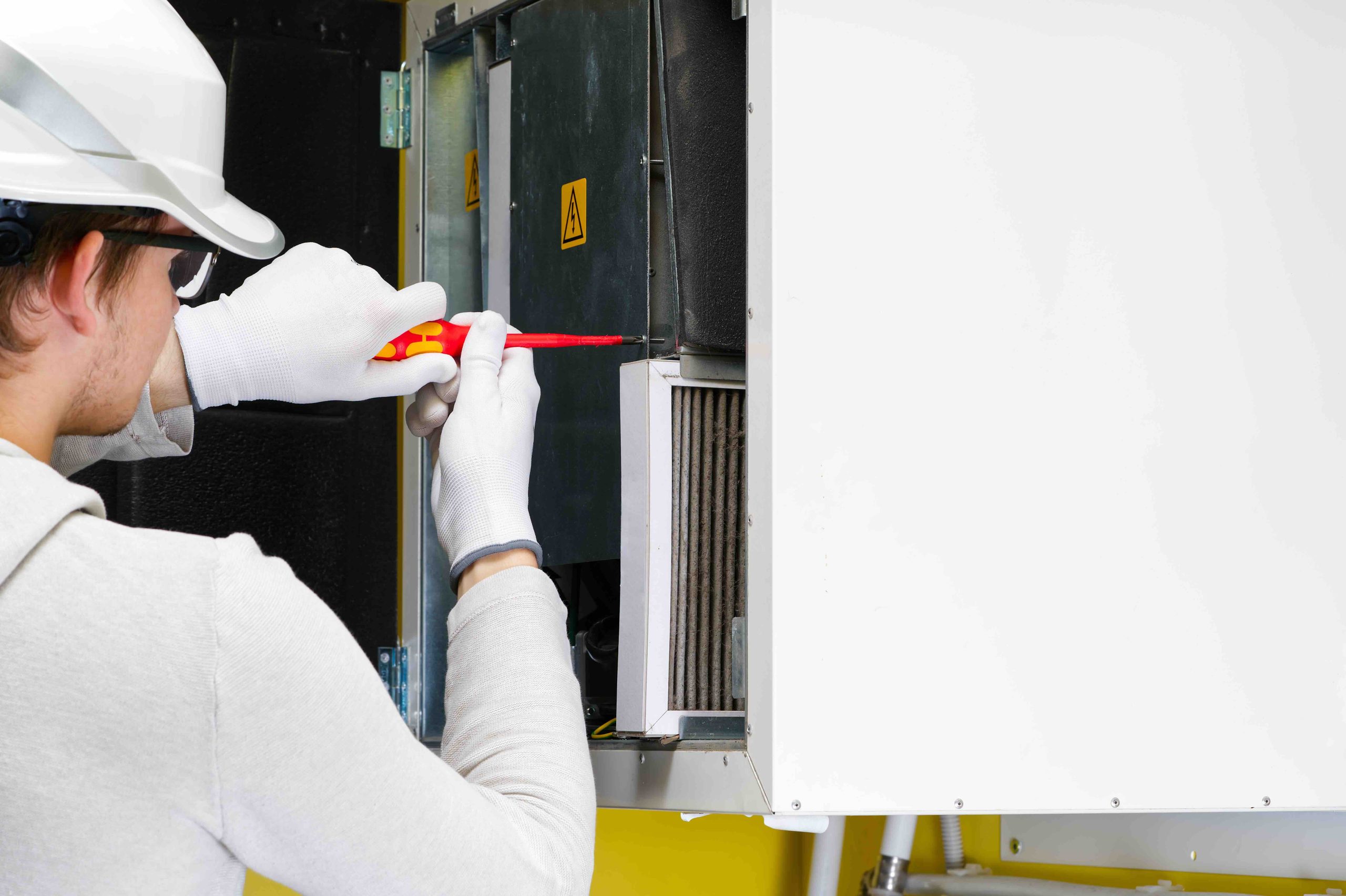
Why a Fall Furnace Tune-Up Is One of the Smartest Things You Can Do Before Winter
There is a particular kind of dread that comes with turning on your furnace for the first time in months and hearing nothing. Or worse, hearing something. Winter has this habit of arriving before anyone feels fully ready, and your heating system is usually the first thing to remind you of that. A fall furnace tune-up is the preventive step that stands between you and an emergency repair call in the middle of January. It is not glamorous, but it is genuinely one of the most practical things a homeowner can do in the September through November window.
What Exactly Is a Furnace Tune-Up
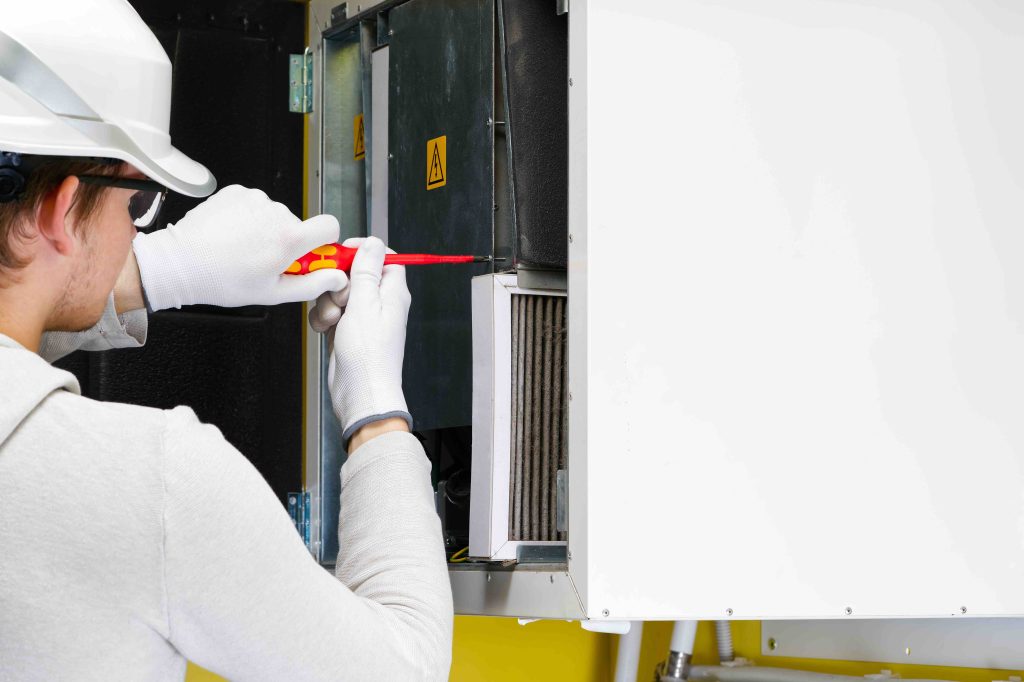
A furnace tune-up is a scheduled maintenance visit during which a licensed HVAC technician inspects, cleans, adjusts, and tests your heating system from top to bottom. It is not a repair visit, though sometimes small issues get caught and corrected during the process. Think of it the same way you think about an oil change for your car. The furnace has been sitting dormant for several months, and components need to be evaluated before you lean on the system hard for the next four to six months. The technician typically works through a checklist that covers everything from the heat exchanger and burners to the blower motor, electrical connections, and thermostat calibration.
What Happens During a Fall Furnace Inspection
Knowing what the technician is actually doing helps you understand the value of the service. A thorough tune-up covers quite a bit of ground and usually takes between one and two hours depending on the age and condition of the system. Here is a general breakdown of what gets checked:
- Inspecting and cleaning the heat exchanger for cracks or corrosion
- Testing and adjusting burner combustion for efficiency and safety
- Checking and replacing the air filter if needed
- Lubricating moving parts including the blower motor and bearings
- Inspecting the flue and venting system for blockages or damage
- Testing safety controls and limit switches
- Calibrating the thermostat and checking electrical connections
- Measuring airflow and checking for duct leaks where accessible
How a Furnace Actually Works
Before you can appreciate what a tune-up does, it helps to understand the basic operation of a furnace. Most homes have a forced-air gas furnace, which pulls cold air from the home through return vents, passes it over a heat exchanger that is warmed by burning gas, and then pushes the heated air back through the ductwork and into living spaces. The combustion process relies on a consistent supply of clean fuel, properly functioning ignition components, and adequate airflow. When any part of that chain is compromised, the furnace either works harder than it should, produces heat inconsistently, or stops working altogether. Annual maintenance keeps all of those components functioning within their designed parameters.
The Real Benefits of Scheduling a Fall Tune-Up
The advantages of fall furnace maintenance are practical and measurable. This is not a feel-good exercise. A well-maintained furnace runs more efficiently, which directly affects your monthly energy bill. The Department of Energy has consistently noted that poorly maintained heating systems can lose a significant percentage of their efficiency over time, meaning you are paying more for less heat. Beyond efficiency, routine maintenance dramatically reduces the likelihood of unexpected breakdowns during peak heating season, when HVAC technicians are stretched thin and service appointments can take days to schedule. A tune-up also extends the functional lifespan of the equipment, which matters when furnace replacement can cost anywhere from three thousand to ten thousand dollars depending on the system and the home.
Common Problems Caught During a Furnace Tune-Up
One of the underappreciated benefits of a fall inspection is early detection. Technicians regularly find issues during routine tune-ups that, left alone, would have become expensive emergencies. Cracked heat exchangers are among the most serious findings because they can allow carbon monoxide to enter the living space. Worn igniter components, failing capacitors, and deteriorating belts are also commonly identified. The filter condition is almost always worth noting, particularly in homes with pets or renovation activity that introduces extra particulate into the air. Catching a thirty-dollar igniter problem in October is considerably better than dealing with a no-heat situation in February.
What a Furnace Tune-Up Costs and What Affects the Price
Pricing for a furnace tune-up varies by region, contractor, and what is included in the service. In most markets, a standard inspection and cleaning runs between seventy-five and one hundred fifty dollars. Some HVAC companies offer service agreements or maintenance plans that bundle annual tune-ups with priority scheduling and discounts on repairs, which can be a worthwhile investment if you want predictable maintenance costs. Age and type of system can also influence the price. Older systems or those with known issues may take longer to inspect thoroughly. Getting at least two quotes from licensed contractors in your area is a reasonable approach, especially if you are establishing a new relationship with an HVAC provider.

Drawbacks and Limitations to Keep in Mind
A tune-up is maintenance, not a guarantee. Even a furnace that receives perfect annual care can experience component failures, particularly as the system ages past the ten to fifteen year mark. There are also limits to what a visual and operational inspection can predict. A heat exchanger that shows no visible cracking today may develop one by midwinter due to ongoing thermal stress. It is important to set realistic expectations. Maintenance reduces risk significantly, but it does not eliminate it entirely. Additionally, a tune-up does not address structural or design issues with the ductwork, and it will not improve a furnace that is fundamentally undersized for the home it is heating. Those are separate conversations.
DIY Tips to Support Your Furnace Between Professional Visits
Professional maintenance once a year is the foundation, but there are things homeowners can do throughout the heating season to support system performance. Checking and replacing the air filter every one to three months is the single highest-impact action a homeowner can take on their own. A clogged filter restricts airflow and forces the blower motor to work harder, which accelerates wear. Keeping supply and return vents unobstructed by furniture or rugs is equally important. Listening for unusual sounds like banging, rattling, or persistent clicking during startup is worth noting and reporting to a technician. And confirming that the area around the furnace is clear of stored materials is both a safety and an efficiency consideration.
How Home Warranty Coverage Connects to Your Furnace
Here is where the bigger picture comes into focus. A furnace tune-up is preventive maintenance, and it is something every homeowner should prioritize in the fall. But maintenance and protection are two different layers of a smart home care strategy. Even a well-maintained furnace can fail, and when it does, the repair or replacement cost can be substantial. That is exactly where a home warranty earns its value. Armadillo home warranty plans built for real homeowner protection are designed to cover the kind of unexpected heating system failures that maintenance cannot prevent, giving you financial backup when a component fails outside of normal wear expectations. If you have been thinking about adding a layer of financial protection to your home systems, there is no better time than fall, when you are already thinking about your furnace. You can get a furnace and HVAC home warranty quote in seconds and find out what coverage makes sense for your home before the heating season is fully underway. Armadillo keeps the process simple, the pricing transparent, and the coverage meaningful.

Frequently Asked Questions About Fall Furnace Tune-Ups
Homeowners tend to have consistent questions when it comes to furnace maintenance. Here are clear answers to the ones that come up most often.
How often should a furnace be tuned up?
Once per year is the standard recommendation from most HVAC manufacturers and industry organizations. Fall is the ideal timing because it prepares the system before the heavy demands of winter heating season begin.
Can I do a furnace tune-up myself?
Homeowners can handle basic tasks like filter replacement and vent cleaning, but a full tune-up requires a licensed HVAC technician with the tools and training to safely inspect combustion components, test gas pressure, and evaluate electrical systems.
How long does a furnace tune-up take?
Most standard tune-ups take between one and two hours. Older systems or those that have not been maintained in several years may take longer due to the additional cleaning and inspection required.
What is the best time of year to schedule a furnace tune-up?
September and October are generally ideal. Scheduling before the first cold snap ensures you beat the seasonal rush for HVAC appointments and gives you time to address any issues before you actually need the heat.
Will a tune-up lower my heating bills?
In most cases, yes. A clean, properly adjusted furnace operates more efficiently than one running with dirty components or out-of-spec settings, which translates to lower fuel consumption and reduced monthly energy costs.
What is the difference between a furnace tune-up and a furnace repair?
A tune-up is preventive maintenance performed on a functioning system. A repair addresses a specific failure or malfunction. Sometimes a tune-up uncovers a problem that requires a repair, but the two services are distinct in purpose and scope.
Is a furnace tune-up covered by a home warranty?
Generally, home warranties cover mechanical failures rather than routine maintenance. Tune-ups are typically the homeowner’s responsibility, while unexpected breakdowns and component failures after maintenance may be covered depending on the plan terms.
What happens if I skip the annual furnace tune-up?
Skipping maintenance increases the risk of unexpected breakdowns, reduces system efficiency over time, and can void manufacturer warranties that require documented annual servicing. It also shortens the overall lifespan of the equipment.
How do I find a reliable HVAC technician for a furnace tune-up?
Look for licensed and insured contractors with verifiable reviews on established platforms. Asking for references or checking with neighbors for recommendations is also a reliable approach. Avoid companies that cannot provide a clear breakdown of what their tune-up service includes.
Does the age of my furnace affect whether a tune-up is worth it?
Age actually makes annual maintenance more important, not less. Older systems are more prone to component wear and efficiency loss. A tune-up on an aging furnace can extend its working life and give you better information about when replacement planning should begin.