What Is a Whole-House Water Filtration System and Do You Actually Need One?
Most homeowners spend a surprising amount of time thinking about what is in their water. And honestly, that instinct is worth paying attention to. A whole-house water filtration system, sometimes called a point-of-entry filtration system, is designed to treat all the water that enters your home before it reaches any faucet, fixture, appliance, or shower head. That means filtered water in the kitchen, the bathrooms, the laundry room, everywhere. It is a fundamentally different approach compared to a simple under-sink filter or a pitcher you keep in the fridge, and for many households, it makes a meaningful difference in water quality, appliance longevity, and daily comfort.
How a Whole-House Water Filtration System Actually Works
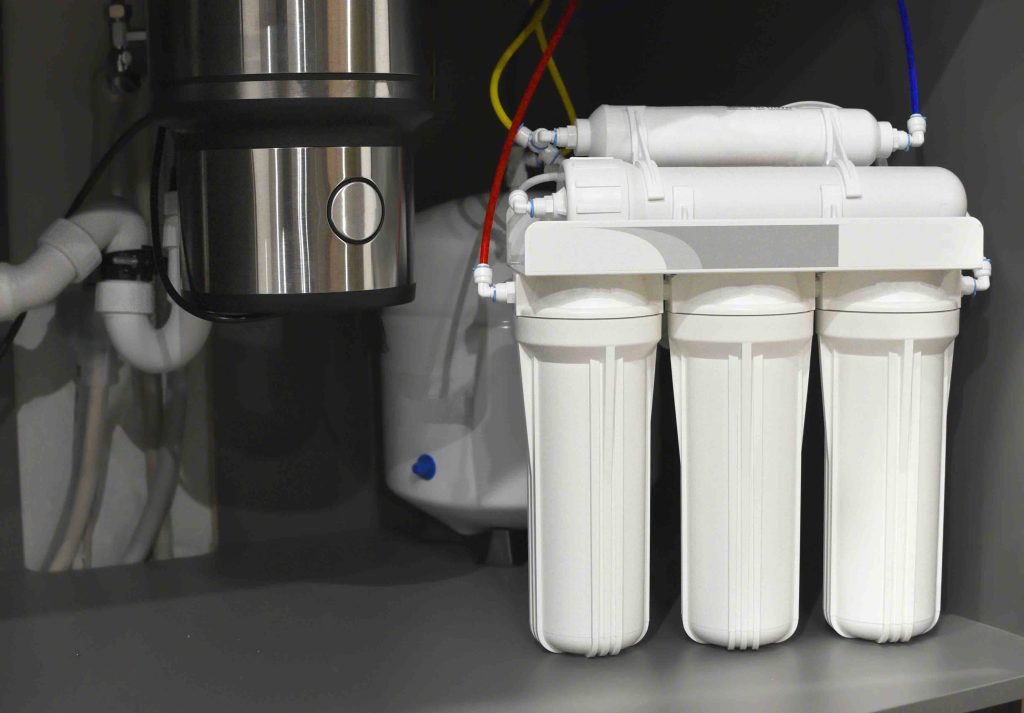
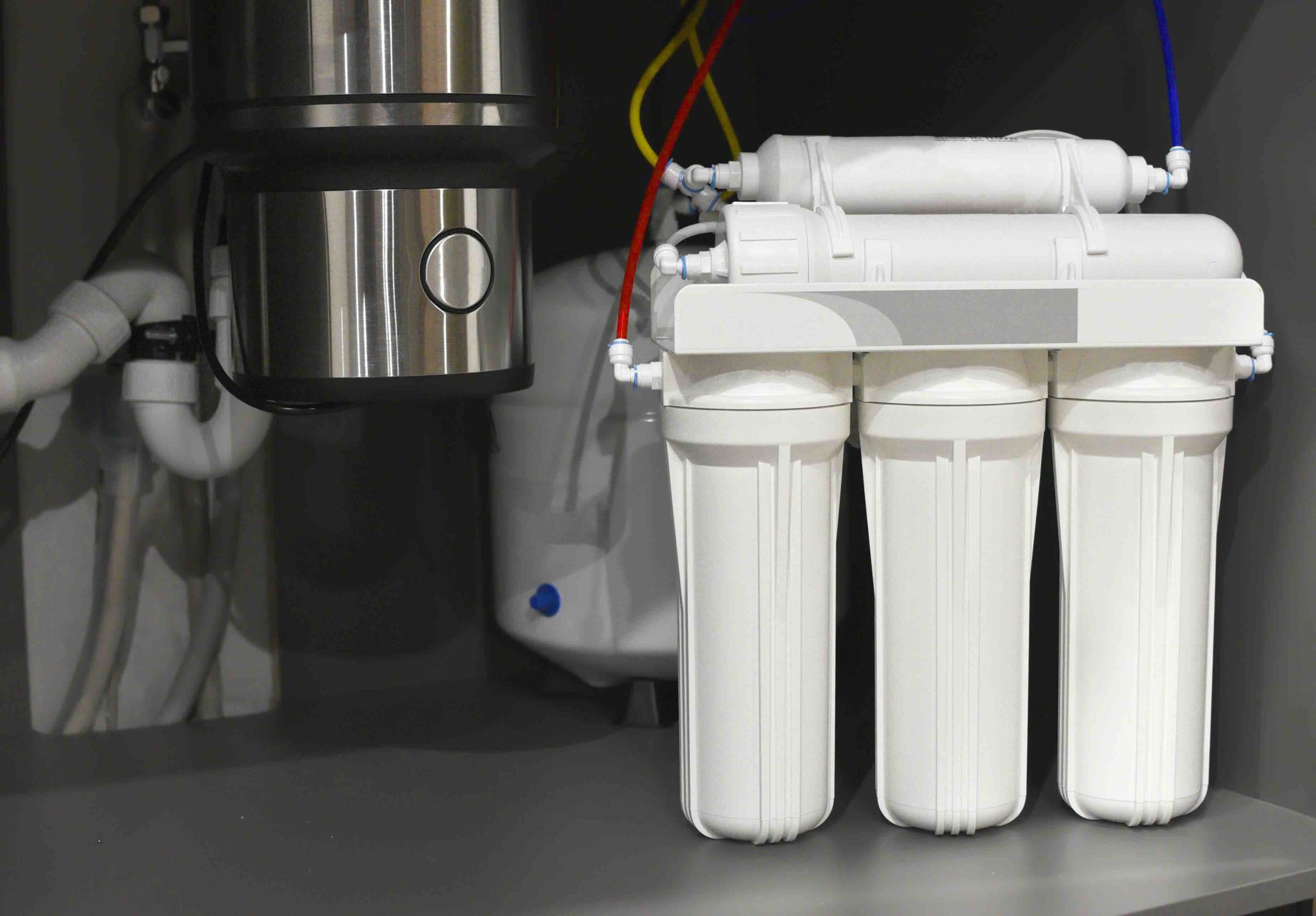
The system is installed at the main water supply line, right where water enters your home. From that single point, every drop of water flowing into your house passes through one or more filtration stages before it goes anywhere else. Depending on the system you choose, those stages might include sediment pre-filters that catch rust, sand, and debris; activated carbon filters that reduce chlorine, chloramines, and certain chemical compounds; and in more advanced setups, media filters or catalytic carbon stages that address harder-to-treat contaminants. Some systems also incorporate water softening or UV purification as additional treatment layers. The result is water that has been processed through multiple barriers before it ever reaches your tap. Installation typically requires a licensed plumber and involves cutting into the main supply line, which is why this is generally considered a professional job rather than a weekend DIY project.
The Core Advantages Homeowners Actually Notice
There are a few benefits that come up consistently when homeowners describe why they invested in whole-house filtration. Some of these are immediately obvious, and some take a little time to appreciate.
- Improved taste and odor in drinking water and cooking water without relying on bottled water or individual filters
- Reduced chlorine exposure during showers and baths, which can affect skin and hair over time
- Extended appliance lifespan because sediment, scale, and mineral buildup are significantly reduced before water ever reaches your water heater, dishwasher, or washing machine
- Softer laundry and cleaner dishes when the system includes a softening component
- Fewer scale deposits on fixtures and shower glass, which means less scrubbing and less wear on finishes
- Peace of mind knowing that water quality is being managed consistently throughout the home, not just at one specific tap
The appliance protection angle is one that often gets overlooked in the conversation about water filtration. Water heaters, in particular, are highly susceptible to sediment accumulation and mineral scale, both of which shorten the unit’s effective lifespan and reduce energy efficiency over time. A whole-house filtration system that addresses sediment and hardness is doing meaningful protective work on systems that cost thousands of dollars to replace.
Common Drawbacks Worth Knowing Before You Commit
No home system is a perfect solution, and whole-house water filtration is no exception. The upfront cost is one of the first things that gives homeowners pause. Depending on the complexity of the system and the quality of the components, installation costs can range from a few hundred dollars on the low end to well over two thousand dollars for more advanced multi-stage systems. That does not include ongoing maintenance, which typically involves filter replacements on a schedule that varies by system type and household water usage. Sediment pre-filters may need replacement every three to six months, while other filter media can last a year or longer. If you skip those replacements, the system loses effectiveness and can even create conditions where water quality degrades. There is also the question of flow rate. Some filtration systems, particularly older or undersized models, can reduce water pressure if they are not properly matched to the home’s demand. A properly sized system installed by a knowledgeable professional should not cause noticeable pressure issues, but it is a real consideration during the selection process.

Understanding Your Water Quality Before You Buy
One of the most useful things you can do before selecting any filtration system is to actually test your water. Municipal water suppliers are required by law to publish annual water quality reports, and those reports give you a solid baseline understanding of what is in your supply. However, those reports reflect water quality at the treatment plant, not necessarily at your tap. Contaminants can enter the supply through aging pipes in the distribution system or through your own home’s plumbing. A home water test kit or a certified laboratory test gives you a far more accurate picture of what you are actually dealing with. Once you know what contaminants are present, you can select a filtration system specifically designed to address those issues rather than buying a general-purpose system that may not target your actual concerns.
Types of Whole-House Filtration Systems and What Sets Them Apart
The market for whole-house filtration has expanded considerably, and the terminology can get confusing fast. The most common categories include sediment filters, which are often used as a first-stage pre-filter; activated carbon systems, which are highly effective for chlorine, taste, and odor issues; catalytic carbon systems, which handle chloramines more effectively than standard carbon; iron filters, which are specifically designed for homes with high iron content that causes staining and odor; and salt-based or salt-free water softeners, which address hardness minerals like calcium and magnesium. Many homeowners opt for a multi-stage system that combines several of these technologies in sequence. The right configuration depends entirely on your water chemistry, your household’s usage patterns, and your budget.
Maintenance Requirements You Should Plan For
Owning a whole-house water filtration system is a commitment to ongoing maintenance. This is not a set-it-and-forget-it installation. Filter cartridges need to be replaced on a consistent schedule, and in some cases, the filter housing itself needs periodic cleaning. Salt-based softening systems require regular salt replenishment. UV systems need their lamps replaced annually to maintain effectiveness. It is worth building these maintenance costs and tasks into your household budget and calendar from day one. Many homeowners find it helpful to set reminders based on the manufacturer’s recommended schedule and to keep spare filter cartridges on hand so a delayed delivery never results in a lapse in filtration.
How Filtration Systems Interact With Your Other Home Systems
This is where things get genuinely interesting from a home systems perspective. Your whole-house filtration setup does not operate in isolation. It has a direct relationship with your water heater, your dishwasher, your clothes washer, your ice maker, and your irrigation system if you have one. Hard water and sediment-heavy water are documented contributors to water heater inefficiency and premature failure. Scale buildup inside a tank water heater acts as an insulating layer over the heating element, forcing the unit to work harder and consume more energy to reach the same temperature. Filtration and softening systems reduce that burden significantly. Likewise, dishwashers and washing machines that operate with softer, cleaner water tend to perform better and show fewer mineral deposits on internal components. From a home inspection and home warranty standpoint, water quality is a silent variable that affects the health and longevity of a remarkable number of systems and appliances throughout the home.
What to Expect During and After Installation
Professional installation typically takes a few hours for a straightforward system, though more complex multi-stage setups or homes with unusual plumbing configurations may take longer. Your plumber will shut off the main water supply, cut into the supply line at the designated point of entry, install the filter housing and any additional treatment components, and restore water service. There may be a brief period of discoloration or air in the lines immediately after installation, which is normal. Once the system is running, most homeowners notice a difference in water taste and clarity fairly quickly. Changes in appliance performance and scale reduction take longer to become visible but tend to show up over weeks and months of consistent use.
Why Protecting Your Water System and Home Appliances Together Makes Sense
Investing in a whole-house water filtration system is a smart step toward protecting your home’s plumbing and appliances. But even the best filtration system cannot prevent every mechanical failure that comes with normal wear and tear. That is where having reliable home warranty coverage becomes equally important. Armadillo home warranty plans for whole-home appliance and system protection are built to cover the mechanical breakdowns that happen regardless of how well you maintain your home. When your water heater fails or your dishwasher stops working, Armadillo steps in so you are not facing a large, unexpected repair bill. If you want to see what coverage would look like for your specific home, you can get a personalized home warranty quote for your water heater and major appliances in minutes. Pairing good filtration with dependable warranty coverage is simply a smarter way to protect the systems you rely on every day.

Frequently Asked Questions About Whole-House Water Filtration Systems
Here are answers to the questions homeowners ask most often when researching whole-house water filtration systems.
What is the difference between a whole-house water filter and a water softener?
A whole-house water filter removes contaminants such as sediment, chlorine, and certain chemicals from the water supply. A water softener specifically targets hardness minerals like calcium and magnesium through an ion exchange process. They address different problems and can be used together in a combined system.
How long does a whole-house water filtration system last?
The filter housing and main components of a quality system can last ten years or more with proper maintenance. Filter cartridges and media have shorter replacement cycles and need to be changed regularly according to the manufacturer’s recommendations.
Does a whole-house filtration system reduce water pressure?
A properly sized and maintained system should not cause a noticeable reduction in water pressure. Pressure issues typically arise from undersized systems, clogged filters that have not been replaced on schedule, or improper installation.
Is whole-house filtration worth it if I already have good municipal water?
Municipal water meets federal safety standards, but those standards do not account for taste preferences, minor contamination from aging distribution pipes, or chlorine levels that affect the smell and feel of water. Many homeowners with good municipal water still find value in filtration for those reasons, as well as for the appliance protection benefits.
Can I install a whole-house water filtration system myself?
Some experienced DIYers successfully install simpler systems, but whole-house filtration requires cutting into the main supply line, which involves shutting off water to the entire home and working with plumbing connections that must be leak-free. Most professionals recommend hiring a licensed plumber to ensure the installation is done correctly and to avoid voiding any manufacturer warranties on the system.
How often do I need to replace the filters?
Replacement schedules vary by system type and household water usage. Sediment pre-filters often need replacement every three to six months. Carbon filters may last six to twelve months. UV lamps typically require annual replacement. Always follow the specific schedule provided by the system manufacturer.
Will a whole-house water filter remove lead from my water?
Some whole-house systems are certified to reduce lead, but not all are. If lead is a concern, look specifically for systems certified by NSF International under Standard 53 or Standard 58, which include testing for lead reduction. A water test will confirm whether lead is actually present in your supply.
Does whole-house filtration affect hot water as well as cold water?
Yes. Because the system is installed at the main supply line before water reaches the water heater, both your hot and cold water are filtered. This includes water that flows through the water heater, which means the heater benefits from reduced sediment and scale as well.
What contaminants does a whole-house water filter remove?
This depends entirely on the type of system installed. Sediment filters address particulate matter. Activated carbon removes chlorine, chloramines, and some volatile organic compounds. Iron filters remove dissolved iron. Reverse osmosis systems, when included as part of a whole-home setup, can address a broader range of contaminants. Testing your water first helps you choose a system that targets what is actually in your supply.
Does a whole-house water filtration system affect my home’s resale value?
A professionally installed, well-maintained filtration system can be a positive selling point, particularly in areas where water quality concerns are common. Buyers who are aware of the benefits tend to view it as a desirable feature, though it is unlikely to dramatically change the appraised value of the home on its own.