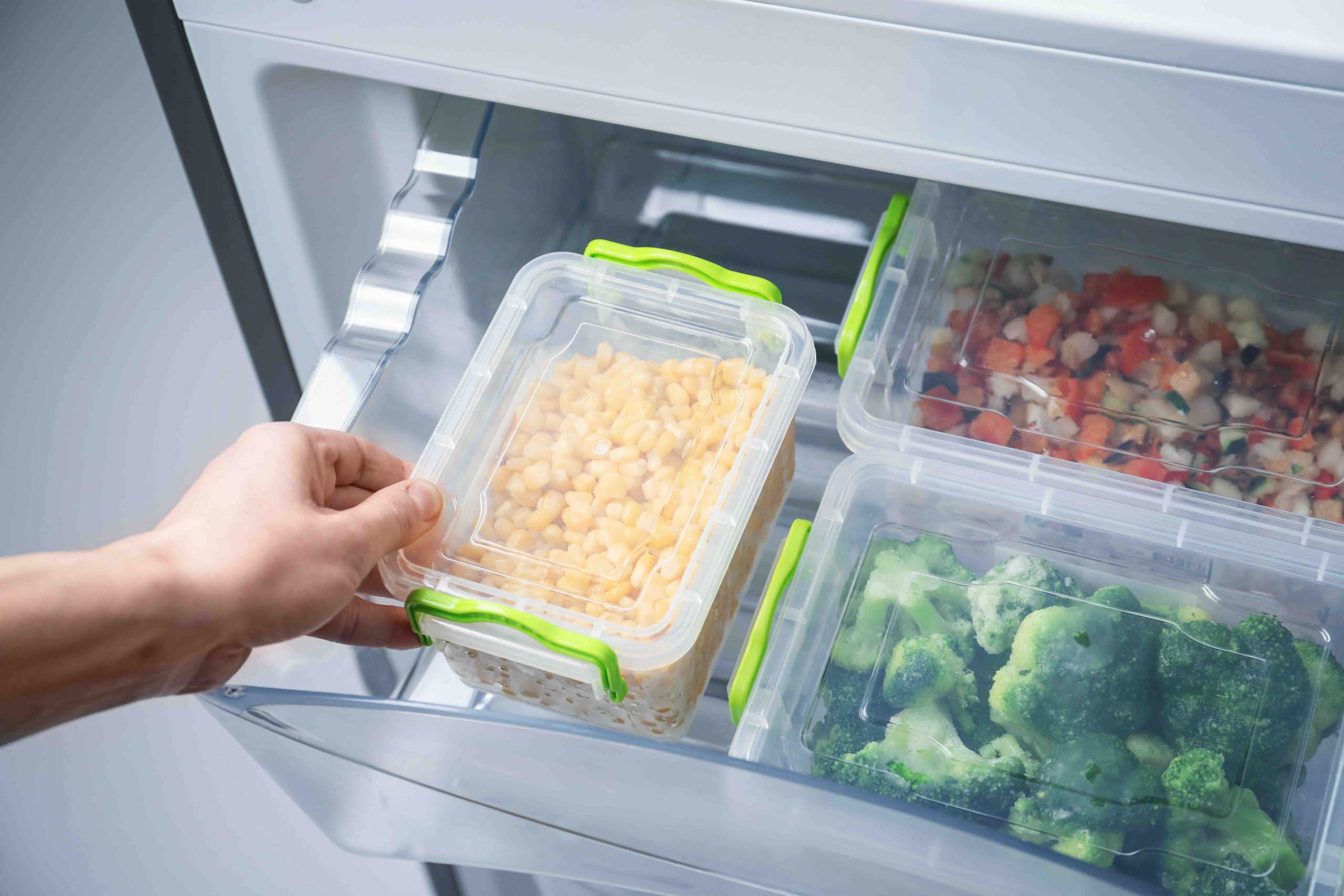
When Your Freezer Stops Keeping Temperature: What Every Homeowner Needs to Know
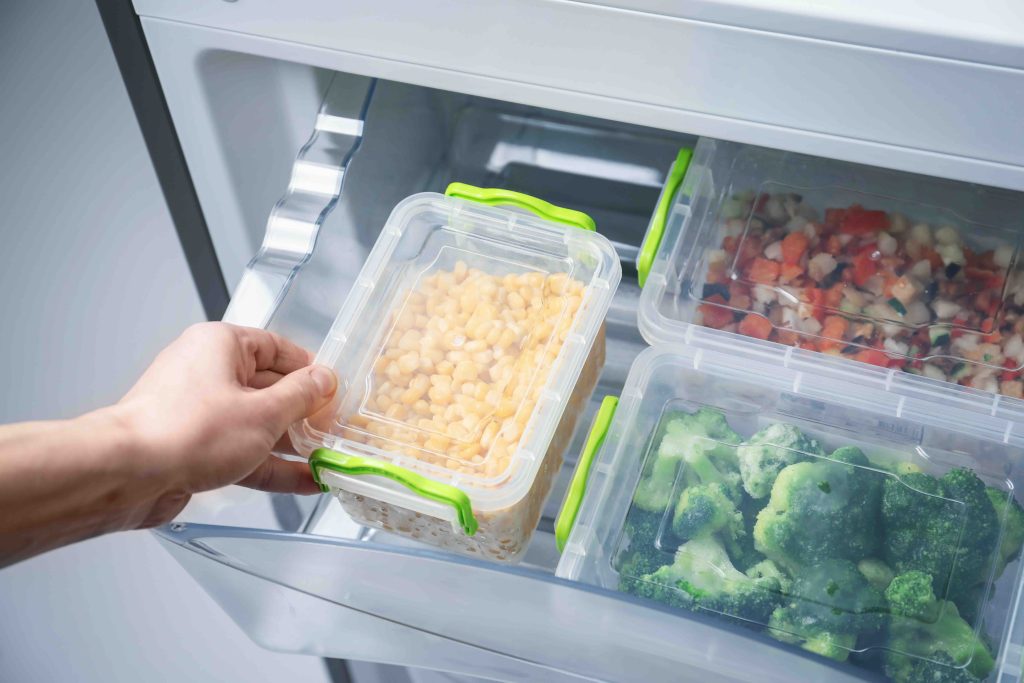
You open the freezer expecting solid ice cream and find a soft, slightly concerning mess instead. That moment of dread is familiar to a lot of homeowners, and it usually kicks off a series of questions: Is this a quick fix? Is the appliance dying? And more importantly, is any of this covered? A freezer that is not keeping temperature is one of those issues that seems minor right up until it is not. Spoiled food, damaged medications, and the cost of a new appliance can add up fast. Understanding what causes this problem and how to handle it is genuinely useful information, so let us get into it.
How a Freezer Actually Works
Most homeowners interact with their freezer daily without ever thinking about what is happening inside it. The mechanics are actually straightforward. A freezer operates using a refrigeration cycle that moves heat out of the unit rather than producing cold air. A compressor pressurizes refrigerant, which then flows through condenser coils where it releases heat. The refrigerant then expands through an evaporator, absorbing heat from inside the freezer compartment and dropping the internal temperature. A thermostat monitors that temperature and signals the compressor to cycle on or off as needed. When every component in that loop is functioning correctly, your freezer maintains a consistent temperature, typically around zero degrees Fahrenheit. When even one part of that system falters, temperature consistency breaks down quickly.
Common Reasons a Freezer Fails to Hold Temperature
There is rarely a single universal explanation for a freezer losing its chill. The cause can range from something embarrassingly simple to a legitimately complex mechanical failure. Knowing the typical culprits helps narrow things down before you call anyone.
- Dirty or blocked condenser coils that cannot release heat efficiently
- A faulty evaporator fan that is not circulating cold air throughout the compartment
- A damaged or worn door gasket allowing warm air to seep in constantly
- A defrost system failure causing frost buildup that blocks airflow
- A malfunctioning thermostat misreading the internal temperature
- Low refrigerant levels due to a leak in the sealed system
- A failing compressor that cannot adequately pressurize the refrigerant
- Overpacking the freezer so air cannot circulate properly around items
Some of these issues are DIY-friendly. Others require a licensed technician, particularly anything involving refrigerant or sealed system components. Knowing the difference matters both for safety and for cost management.
Signs Your Freezer Is Struggling Before It Fully Fails
Appliances rarely fail without giving some kind of warning. A freezer that is losing ground on temperature regulation will often display a few telling signs before things get critical. Ice cream becoming soft or slightly melted at the edges is one of the earliest indicators. You might also notice frost accumulating in unusual patterns or in excessive amounts, which points to a defrost system issue. A freezer that runs constantly without cycling off is another red flag, as is one that makes unfamiliar sounds like clicking, humming, or rattling from the fan or compressor area. If the unit feels warm on the outside around the door frame, the gasket may be compromised. Catching these signs early can mean the difference between a minor repair and a full replacement.

DIY Troubleshooting Steps Worth Trying First
Before scheduling a service call, there are a handful of steps that are worth working through yourself. Start by checking the temperature setting to confirm it has not been accidentally adjusted. Next, inspect the door gasket by closing the door on a piece of paper and trying to pull it out. If it slides out easily, the seal is weak and needs replacing. Clean the condenser coils, which are typically located either underneath or behind the unit, using a vacuum or coil brush. Check that the freezer is not overpacked and that vents inside the compartment are not blocked. If the freezer has a frost-free function, confirm the defrost heater and timer are operational. These basic steps resolve a surprising number of temperature complaints without any professional intervention.
When to Call a Professional Technician
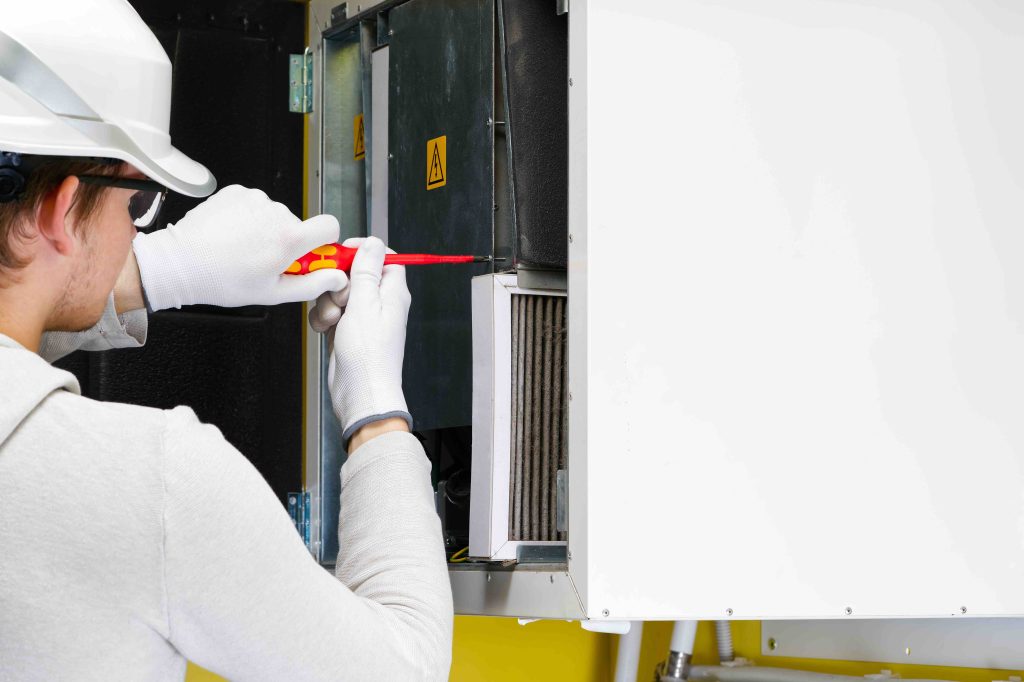
Some freezer problems simply require trained hands and specialized equipment. If you have worked through the basic troubleshooting steps and the unit is still not maintaining temperature, it is time to bring in a professional. Sealed system issues involving refrigerant require EPA certification to handle legally and safely. Compressor replacement is a significant job that often costs nearly as much as a new appliance, making a repair-versus-replace analysis important at that stage. A technician can also properly diagnose a faulty defrost control board or evaporator fan motor. Getting an accurate diagnosis before committing to a repair is always the smarter path, particularly for older units where additional failures may follow shortly after.
Repair Versus Replace: Making the Right Call
One of the harder decisions homeowners face is figuring out when to stop repairing and start replacing. A general guideline in the appliance world is the fifty percent rule: if the cost of a repair exceeds fifty percent of the cost of a comparable new appliance, replacement is usually the more financially sound choice. Freezer age matters here as well. Most standalone freezers and refrigerator-freezer combos have a functional lifespan of roughly ten to fifteen years. A unit approaching that range that requires a major repair is statistically more likely to develop another failure shortly after. Factor in energy efficiency too. Newer models operate at significantly lower energy consumption than older appliances, meaning a replacement can actually reduce your monthly utility costs over time.
How Home Warranties Factor Into Freezer Repairs
This is where a lot of homeowners either feel relieved or realize they have a gap in their coverage. A home warranty is a service contract that covers the cost of repairs or replacement for specific home systems and appliances that fail due to normal wear and use. Most comprehensive home warranty plans include major kitchen appliances such as refrigerators, and many extend that coverage to the freezer component as well. When your freezer stops holding temperature due to a mechanical failure, a home warranty can significantly reduce or eliminate your out-of-pocket repair costs. Instead of paying a technician directly, you file a claim, pay a service fee, and the warranty provider coordinates the repair. For homeowners who want predictable home maintenance costs, this kind of coverage is genuinely valuable.
What Home Warranty Coverage Typically Includes and Excludes
Understanding what a home warranty actually covers for freezer issues helps set realistic expectations. Coverage generally includes mechanical and electrical failures affecting components like the compressor, thermostat, evaporator fan, and defrost system. However, there are common exclusions worth knowing about before you need to file a claim.
- Cosmetic damage or physical damage not related to mechanical failure
- Food spoilage resulting from the appliance failure
- Issues caused by improper installation or misuse
- Pre-existing conditions that existed before coverage began
- Filters, ice makers, and certain ancillary components depending on the plan
Reading the terms of any home warranty plan carefully before purchasing is essential. A plan that appears comprehensive on the surface can still have meaningful gaps if the fine print limits coverage in ways that affect your specific appliances. The best home warranty providers are upfront about what is and is not included, so you can make a genuinely informed decision.
Why Armadillo Is Worth Considering When Your Freezer Lets You Down
When a freezer fails, the last thing you want to deal with is a confusing claims process, vague policy language, or a customer service team that treats you like a ticket number. That is exactly why Armadillo home warranty coverage for kitchen appliances and major home systems is designed with real homeowners in mind. The coverage is straightforward, the process is transparent, and the goal is to actually solve your problem rather than find reasons not to. Appliance failures like a freezer not maintaining temperature are precisely the kind of unpredictable, budget-disrupting events that a home warranty exists to handle. If you are ready to stop worrying about what the next repair bill is going to look like, you can get a free home warranty quote that covers freezer repairs and more in just a few minutes. Protecting your home should feel simple, and with the right plan in place, it genuinely is.

Frequently Asked Questions About Freezers Not Keeping Temperature
What temperature should a freezer maintain to be considered working properly?
A properly functioning freezer should maintain a consistent temperature of zero degrees Fahrenheit or negative eighteen degrees Celsius. Anything consistently warmer than this indicates a performance problem that should be investigated.
How do I know if my freezer’s compressor is failing?
Signs of a failing compressor include the freezer running continuously without achieving the target temperature, unusual clicking or knocking sounds during operation, excessive heat radiating from the back of the unit, and a general inability to keep food frozen even when the thermostat is set correctly.
Can a dirty door gasket really cause a freezer to lose temperature?
Yes. A worn or dirty door gasket allows warm ambient air to continuously enter the freezer compartment. The unit then has to work harder to compensate, and in many cases it simply cannot maintain target temperature under that constant warm air intrusion.
Is it worth repairing an older freezer or should I just replace it?
If your freezer is more than ten years old and the repair cost exceeds half the price of a comparable new unit, replacement is typically the more economical choice. Older units are also less energy efficient, so a new appliance can reduce ongoing utility costs.
Does a home warranty cover food spoilage when a freezer fails?
Most standard home warranty plans do not cover food spoilage resulting from an appliance failure. However, some homeowners insurance policies include limited food spoilage coverage as an add-on or endorsement, so it is worth checking both your home warranty and homeowners insurance documents.
How long does a freezer repair typically take once a technician is involved?
Minor repairs such as replacing a door gasket, thermostat, or evaporator fan can often be completed in a single service visit. More complex repairs involving sealed system components or compressor replacement may require ordering parts, which can extend the timeline to several days.
Can I add refrigerant to my freezer myself if levels are low?
No. Handling refrigerant requires EPA Section 608 certification. Attempting to add or handle refrigerant without proper credentials is illegal and potentially hazardous. A licensed appliance technician or HVAC professional must handle any sealed system refrigerant work.
What should I do with frozen food while my freezer is being repaired?
Transfer high-value or perishable items to a cooler with ice or dry ice as quickly as possible. If a neighbor or family member has freezer space available, that is the most effective short-term solution. Food that has completely thawed and reached above forty degrees Fahrenheit for more than two hours should be discarded for food safety reasons.
Does unplugging and replugging a freezer reset it and fix temperature issues?
Unplugging a freezer for a few minutes can sometimes reset the control board or interrupt a stuck defrost cycle, which may temporarily restore normal operation. However, this is not a lasting fix for an underlying mechanical problem and should be viewed as a diagnostic step rather than a repair.
How does a home warranty claim work when a freezer stops functioning?
You contact your home warranty provider to file a claim, provide details about the appliance and the failure, and pay the applicable service call fee. The warranty company then dispatches an approved technician to diagnose the issue. If the failure is covered under your plan, the provider pays for the repair or, in some cases, arranges for a replacement unit.