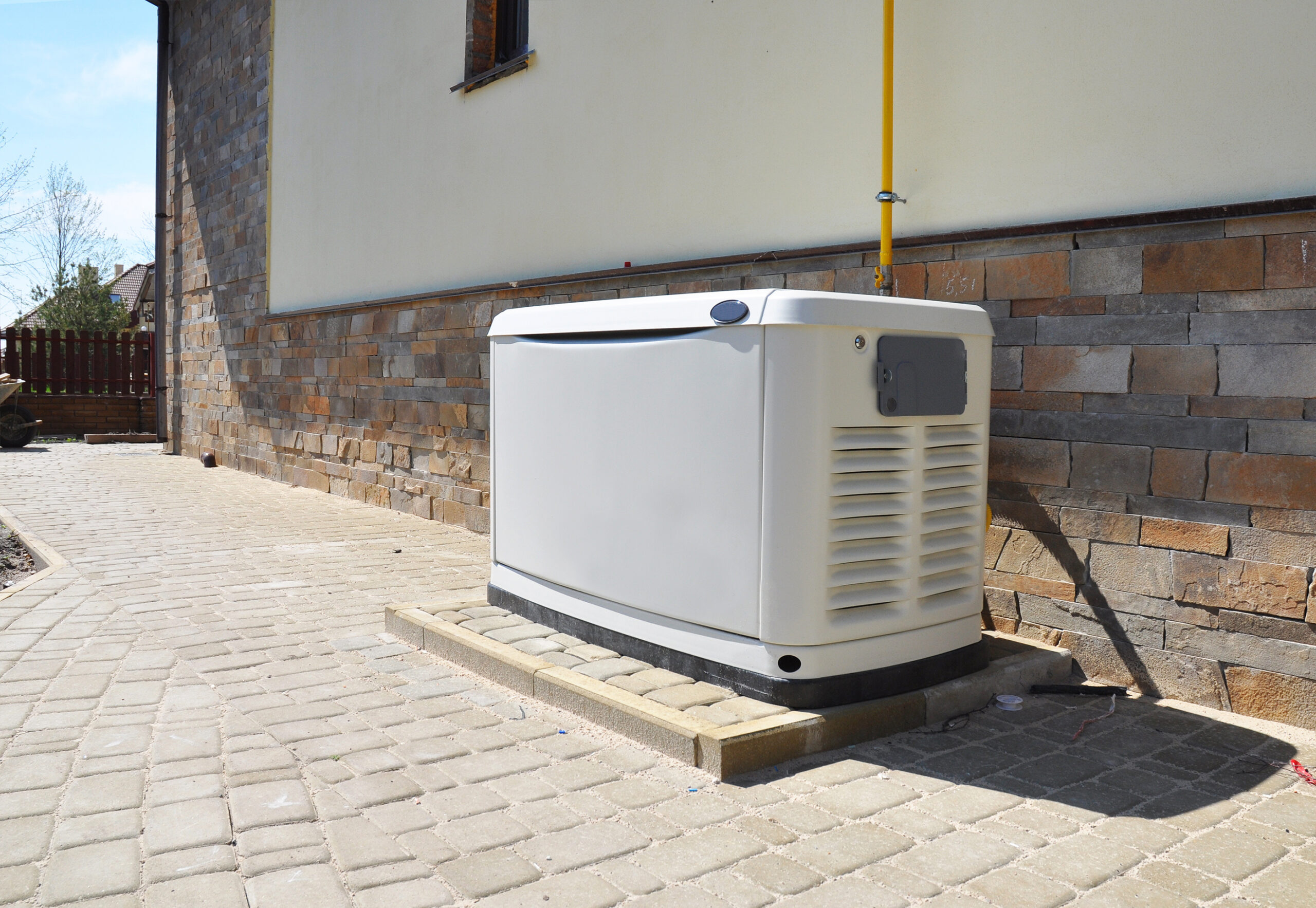
What Homeowners Need to Know About Wiring an Electrical Panel for a Generator
Power outages happen. Sometimes they last an hour. Sometimes they last a week. And if you have ever been in the middle of one — no lights, no refrigerator, no way to charge anything — you already know why whole-home generators have become such a popular investment. But here is the thing most homeowners do not fully realize until they are deep into the process: getting a generator up and running is not just about buying the unit. It is about how that generator connects to your electrical panel. That connection is everything. Done correctly, it is safe, seamless, and genuinely useful. Done incorrectly, it can be dangerous — and in some cases, deadly. This guide breaks it all down without the jargon.
How a Generator Connects to Your Home Electrical Panel
Your home electrical panel — sometimes called a breaker box or load center — is the central hub where electricity from the utility company gets distributed to every circuit in your home. When you wire a generator to that panel, you are essentially creating an alternate power source that can feed electricity into those same circuits. The most critical component in this process is something called a transfer switch. A transfer switch is a dedicated electrical device that connects between your generator and your main panel. Its entire job is to disconnect your home from the utility grid before allowing generator power to flow in. This is not optional. This is the step that prevents what electricians call backfeed — a situation where generator power travels back out through the utility lines and potentially electrocutes a utility worker who thinks the line is dead.
The Two Main Types of Transfer Switches
There are two primary options homeowners encounter when setting up a generator connection, and the right choice depends largely on budget, generator size, and how much of the home you need to power during an outage.
- Manual Transfer Switch: A manual transfer switch requires the homeowner to physically flip the switch when transitioning from utility power to generator power. It is less expensive and works well for standby generators that are used occasionally. The downside is obvious — someone has to be home and alert to make the switch.
- Automatic Transfer Switch (ATS): An ATS monitors the utility power supply and automatically switches to generator power within seconds of detecting an outage. It works with standby generators and is the preferred solution for homes where continuous power is critical — think medical equipment, home offices, or households with young children or elderly residents.
What the Wiring Process Actually Involves
Wiring an electrical panel for a generator is not a weekend DIY project for most homeowners. It involves working inside a live electrical panel, running appropriately sized wiring from the generator location to the panel, installing the transfer switch, and ensuring everything meets local electrical code requirements. A licensed electrician will typically assess the generator’s wattage output, determine the right wire gauge and conduit path, install the transfer switch alongside the main panel, connect the generator’s output to that switch, and verify the entire system with load testing. Permits are almost always required, and in many municipalities, the work must be inspected before the system can legally be used. Skipping this step is a liability risk and, more importantly, a safety risk.

Key Advantages of a Properly Wired Generator Setup
When the installation is done right, the benefits are significant. A properly wired generator system means your home continues to function during extended outages without interruption. Food stays cold. The HVAC system keeps running. Lights work. In households where someone depends on electrically powered medical equipment, this is not a comfort upgrade — it is a necessity. Beyond the immediate convenience, a whole-home generator setup also adds measurable value to your property. Buyers in storm-prone regions frequently look for homes with existing generator infrastructure. And from a pure peace-of-mind standpoint, knowing your home is protected from prolonged outages is hard to put a price on.
Common Drawbacks and Risks to Consider
The benefits are real, but so are the challenges. Generator wiring projects are among the more expensive home electrical upgrades a homeowner can undertake. Between the cost of the generator itself, the transfer switch, permits, and professional labor, total costs can range from a few thousand dollars for a basic manual setup to well over ten thousand for a full automatic standby system with a large-capacity generator. There is also the ongoing maintenance factor. Generators need regular servicing — oil changes, filter replacements, and load tests — to remain reliable when you need them most. A generator that sits idle for two years without maintenance is not a dependable backup. Fuel storage and costs are another consideration, particularly for propane or natural gas units connected directly to a fuel line.
Understanding Electrical Panel Capacity and Generator Sizing
One of the most common mistakes homeowners make is purchasing a generator that is either too small or too large for their actual needs. A generator that cannot handle the electrical load of the circuits it is meant to power will trip repeatedly or fail under demand. Conversely, an oversized generator burns excess fuel and adds unnecessary upfront cost. Proper sizing starts with a load calculation — a review of every circuit or appliance you want the generator to support. Your electrician or generator installer will typically help with this, matching the generator’s kilowatt output to your realistic usage requirements. Your panel’s amperage rating also matters here. Older homes with 100-amp panels may need a panel upgrade before a generator system can be safely integrated.
Permits, Codes, and Inspections You Cannot Skip
Every state and municipality has its own set of electrical codes, and generator installations almost universally require permits and inspections. The National Electrical Code (NEC) provides the baseline standards, but local amendments and enforcement practices vary. Pulling a permit is not just bureaucratic red tape — it is the mechanism that ensures your installation is inspected by a qualified authority and documented on your home’s record. That documentation matters when it comes time to sell the home, file an insurance claim, or make a warranty claim. Unpermitted electrical work is a known trigger for coverage denials across both homeowners insurance policies and home warranty plans.
Practical Tips Before You Start the Project
Before you schedule an electrician or order equipment, there are a few things worth doing on your end as a homeowner. Start by auditing your current panel — note its age, amperage, and how many open breaker slots are available. Contact your local building department to understand the permit requirements in your area. Get at least two quotes from licensed electricians who have specific experience with generator installations. Ask each one how they handle the transfer switch setup and whether they perform load testing after installation. If you are considering a natural gas or propane standby unit, check with your gas utility about line capacity and connection requirements. Being informed going in saves time, money, and frustration.
Why Armadillo Home Warranty Makes Sense for Generator-Ready Homes
Investing in a generator connection and panel upgrade says something important about you as a homeowner — you think ahead, you protect what matters, and you do not leave things to chance. That same mindset is exactly what a home warranty is built for. Armadillo home warranty coverage for electrical systems and major home appliances gives you a financial safety net for the components that keep your home running day to day. Electrical panels, wiring systems, built-in appliances — these are the kinds of covered items that can fail without warning and cost far more than most homeowners budget for. After putting real money into a generator setup, the last thing you want is an unrelated electrical failure draining your reserves. If you are ready to protect your investment from all angles, get a free home warranty quote for generator-ready homes and electrical system coverage and see what a plan built for real homeowners actually looks like.

Frequently Asked Questions About Wiring an Electrical Panel for a Generator
These are the questions homeowners ask most often when navigating the process of connecting a generator to their home electrical panel.
Can I wire a generator to my electrical panel myself?
In most jurisdictions, generator panel wiring must be performed by a licensed electrician and permitted through your local building department. Attempting this work without proper credentials and permits creates serious safety hazards and may void your homeowners insurance or home warranty coverage.
What is a transfer switch and why is it required?
A transfer switch is an electrical device that safely disconnects your home from the utility grid before generator power is introduced. It prevents backfeed, which is a dangerous condition where generator electricity flows back into utility lines and can electrocute workers servicing those lines.
How much does it cost to wire a generator to an electrical panel?
Costs vary based on generator size, switch type, and local labor rates. A manual transfer switch installation typically runs between one thousand and three thousand dollars. Automatic transfer switch setups with larger standby generators can exceed ten thousand dollars when all components and labor are included.
What size generator do I need for my home?
Generator sizing depends on the total wattage of the circuits and appliances you need to power during an outage. A licensed electrician or generator installer can perform a load calculation to match the right kilowatt output to your actual usage. Oversizing and undersizing both create problems.
Does my electrical panel need to be upgraded for a generator?
It depends on the age and amperage rating of your current panel. Older homes with 100-amp panels may need an upgrade to a 200-amp panel before a generator system can be safely installed. Your electrician will assess this during the initial site evaluation.
What is the difference between a portable generator and a standby generator?
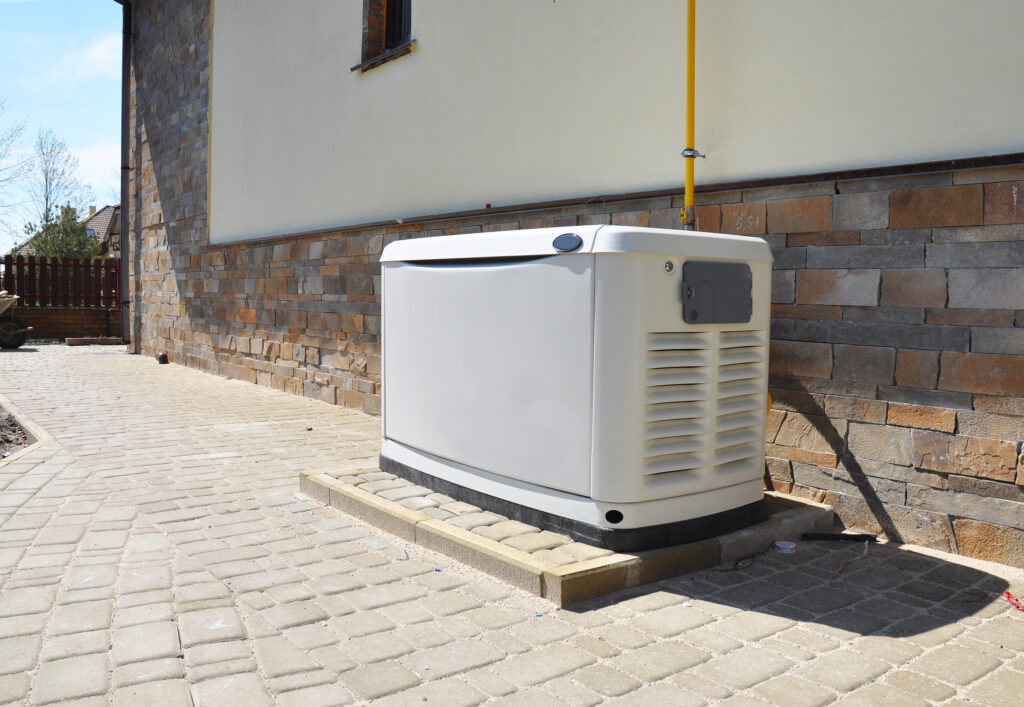
A portable generator is moved into position and manually connected during an outage. A standby generator is permanently installed, connected to a fuel supply, and activates automatically through an automatic transfer switch. Standby units offer greater convenience and capacity but cost significantly more.
Will a home warranty cover my generator or electrical panel?
Home warranty coverage varies by provider and plan. Many home warranty plans cover internal electrical system components including the main panel and wiring. Generators are typically not covered as standard items, but some providers offer optional add-on coverage. Always review the terms of your specific plan carefully.
Do I need a permit to install a generator transfer switch?
Yes, in nearly every municipality a permit is required for generator transfer switch installation. The work will also need to pass an inspection by a local authority. Unpermitted electrical work creates liability issues and can complicate insurance claims, home sales, and warranty coverage.
How do I maintain a generator after it is installed?
Generators require routine maintenance that typically includes oil changes, air filter replacements, spark plug checks, and periodic load testing. Standby generators are often serviced annually by a professional. Neglecting maintenance is one of the most common reasons generators fail during an actual outage.
Can a generator power my entire house?
A sufficiently sized standby generator connected to your full electrical panel can power an entire home. However, many homeowners choose to power only essential circuits — heating, refrigeration, lighting, and outlets — using a smaller unit. A licensed electrician can help you determine the most cost-effective approach based on your priorities.