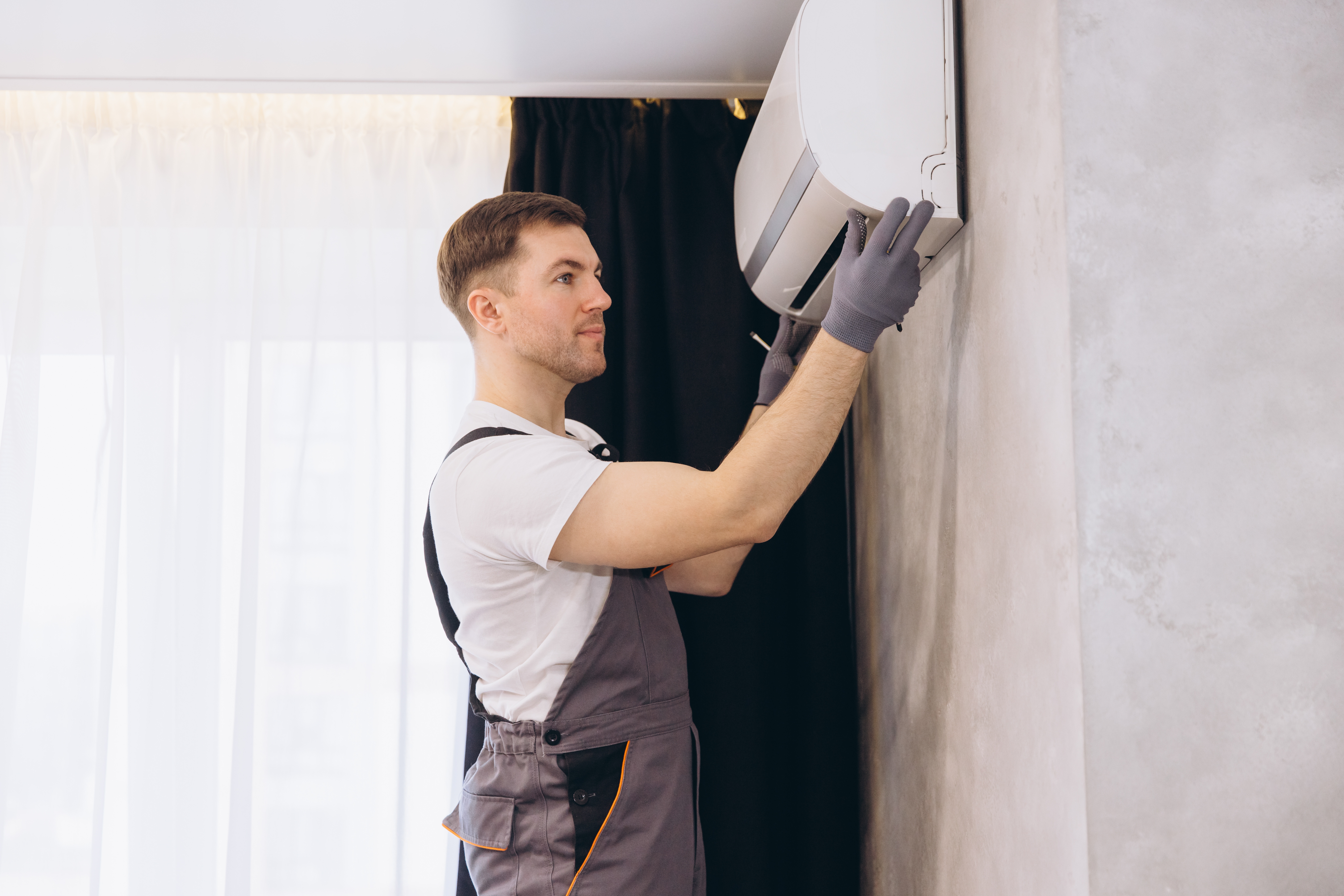
What Is an HVAC System and Why Does It Matter So Much in Your Home?
If there is one system in your home that quietly does the most work while getting the least appreciation, it is the HVAC system. Heating, ventilation, and air conditioning — that is what HVAC stands for — and together, these components are responsible for keeping your indoor environment comfortable, breathable, and livable no matter what is happening outside. Whether you are sweating through a summer heat wave or bracing for a January cold snap, your HVAC system is the reason your home feels like a refuge. Understanding how it works, what it costs, and how to protect it can save you thousands of dollars and a lot of unnecessary stress.
How an HVAC System Actually Works
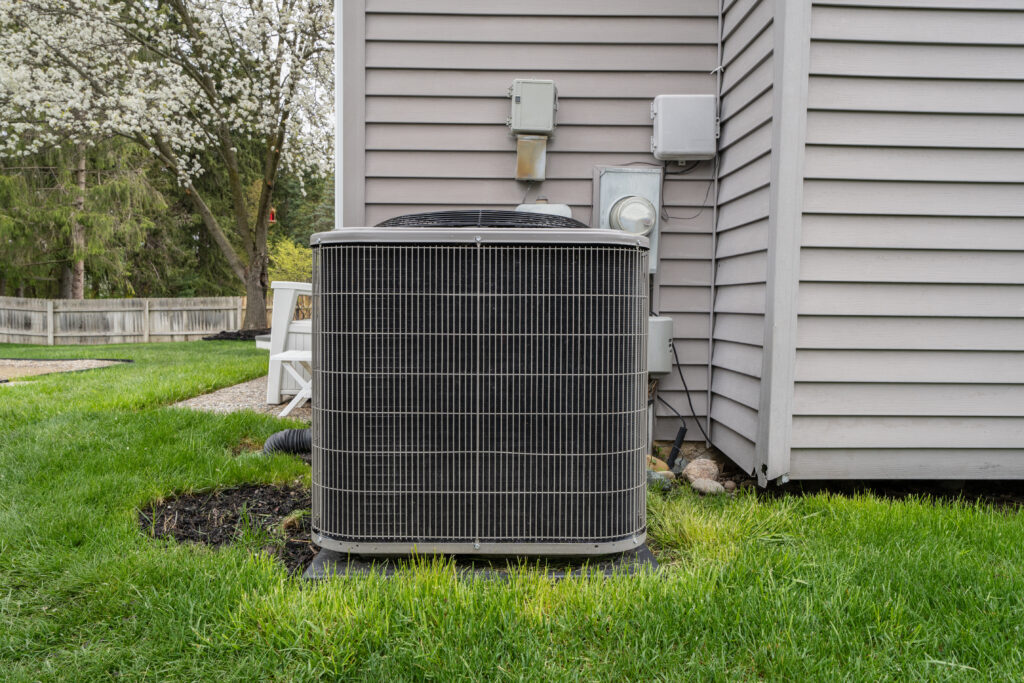
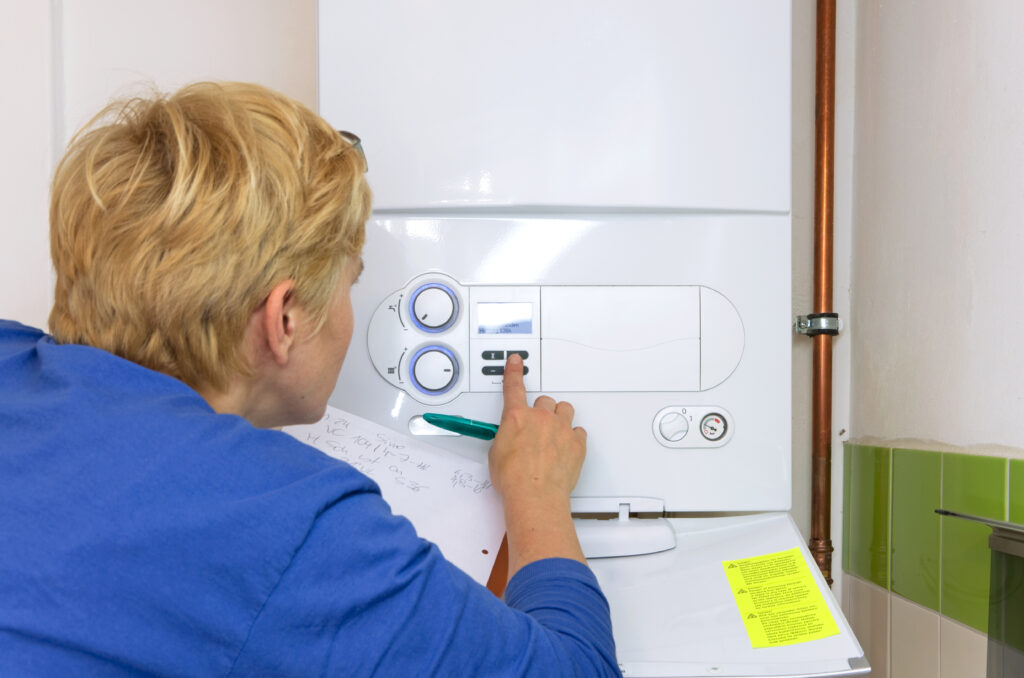
At its core, an HVAC system moves air and adjusts its temperature and humidity before delivering it into your living spaces. The heating side typically relies on a furnace or heat pump to generate warmth, while the cooling side uses a central air conditioner or the same heat pump running in reverse to extract heat from indoor air and release it outside. Ventilation ties it all together by circulating and filtering that conditioned air throughout the home using a network of ducts, registers, and a central air handler. A thermostat acts as the brain of the whole operation, signaling each component when to engage and when to rest. It is a deceptively simple concept executed through a genuinely complex mechanical system.
The Main Types of HVAC Systems Available to Homeowners
Not every home uses the same HVAC setup, and knowing your options helps when you are replacing aging equipment or evaluating what you already have. The most common configurations include:
- Split systems — the traditional setup with separate indoor and outdoor units, found in most single-family homes across the country
- Heat pump systems — highly efficient units that provide both heating and cooling from a single outdoor unit, increasingly popular in moderate climates
- Packaged systems — all-in-one units typically installed on the roof or beside the home, often used in smaller homes or commercial buildings
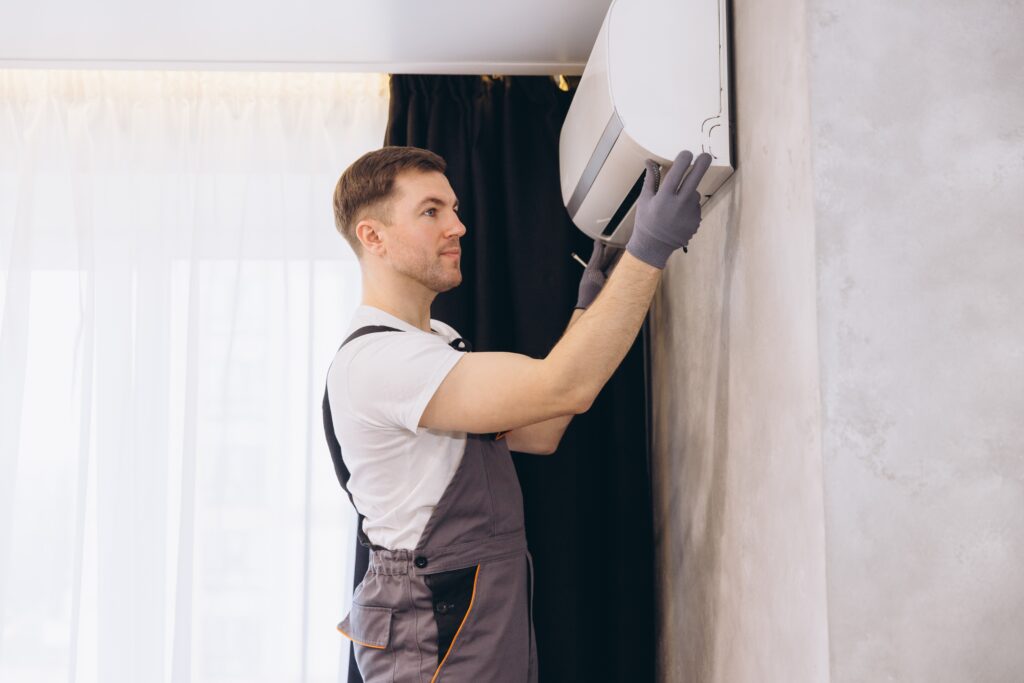
- Ductless mini-split systems — individual wall-mounted units in each room, ideal for homes without existing ductwork
- Geothermal systems — premium systems that use underground temperatures to regulate climate with exceptional efficiency
The right choice depends on your home’s size, existing infrastructure, climate, and budget. Each system has its own cost structure and maintenance requirements, which is worth understanding before making any decisions.
What Does an HVAC System Cost? Breaking Down the Numbers
This is where most homeowners feel the weight of reality. HVAC systems are among the most expensive components in any home, and costs vary widely depending on the type of system, the size of your home, and regional labor rates. A standard central air conditioning unit replacement typically runs between $3,800 and $7,500 installed. A new furnace can cost anywhere from $2,500 to $6,000 depending on efficiency rating and fuel type. Full system replacements — swapping out both the heating and cooling equipment — can land anywhere between $6,000 and $12,000 or more for a mid-size home. Heat pump systems, particularly newer cold-climate models, often push costs toward the higher end of that range. Ductless mini-splits can vary significantly based on the number of zones being installed. These are not small numbers, and they underscore exactly why having a plan in place before something breaks matters enormously.

The Key Advantages of a Well-Functioning HVAC System
A properly installed and maintained HVAC system does far more than regulate temperature. It directly affects air quality, which matters especially for households with allergy sufferers or young children. Modern systems filter out dust, pollen, and other airborne particles with every cycle. They also regulate humidity, which prevents mold growth and protects wood flooring, cabinetry, and structural elements from moisture damage. Energy efficiency is another major benefit — newer systems with high SEER ratings and variable-speed motors can reduce monthly utility bills significantly compared to older equipment running at a fraction of its original efficiency. Comfort, health, and financial savings all intersect here in ways that are easy to underestimate until you experience the difference firsthand.
Common HVAC Problems Homeowners Should Know About
Even the best systems develop issues over time. Refrigerant leaks, failed capacitors, clogged condensate drain lines, and failing blower motors are among the most frequently reported problems. Ductwork issues — including leaks, poor insulation, and disconnected sections — are also surprisingly common and can account for significant energy loss without being immediately obvious. Furnace heat exchangers can crack with age, posing a serious safety concern if left undetected. Thermostats malfunction, sensors fail, and compressors — the most expensive component in the system — can seize up without warning. Many of these failures occur without any advance notice, which is what makes HVAC breakdowns so financially disruptive for unprepared homeowners.
Maintenance Tips That Extend the Life of Your HVAC System
Routine maintenance is the single most effective thing you can do to keep repair costs manageable and extend the lifespan of your equipment. HVAC systems typically last between 15 and 20 years with proper care. Here are the maintenance habits that make the biggest difference:
- Replace air filters every one to three months depending on household conditions and filter type
- Schedule professional tune-ups twice per year — once in spring before cooling season and once in fall before heating season
- Keep the outdoor condenser unit clear of debris, plants, and obstructions
- Check and clean condensate drain lines annually to prevent clogs and water damage
- Inspect ductwork periodically for visible leaks, damage, or separation at joints
- Test your thermostat seasonally to confirm accurate readings and proper system response
None of these steps require specialized knowledge, and most take only a few minutes. The return on that small investment is measured in years of reliable performance and avoided repair bills.
Energy Efficiency and HVAC: What the Ratings Actually Mean
When shopping for HVAC equipment, you will encounter a few key efficiency ratings. For air conditioners and heat pumps in cooling mode, the SEER rating — Seasonal Energy Efficiency Ratio — is the standard measure. Higher numbers indicate greater efficiency. The current federal minimum for most of the country is 14 SEER, though many high-efficiency systems now reach SEER ratings of 20 or above. For furnaces, the AFUE rating — Annual Fuel Utilization Efficiency — tells you what percentage of fuel consumed is converted into usable heat. A 96 AFUE furnace converts 96 cents of every dollar of fuel into warmth. Heat pumps also carry HSPF ratings for heating efficiency. Understanding these numbers helps you evaluate long-term operating costs alongside the upfront purchase price, which is the only honest way to compare equipment.
Why Armadillo Is the Smart Choice for HVAC Protection
An HVAC system is one of the largest investments in your home, and when it fails — and at some point it will — the repair or replacement cost can arrive at the worst possible moment. That is precisely where a home warranty makes a meaningful difference. Armadillo home warranty plans for HVAC systems and major home appliances are built around the reality of how homeowners actually live: unpredictably, and usually without a spare several thousand dollars earmarked for an emergency compressor replacement. Armadillo covers breakdowns due to normal wear and tear, connects you with qualified service professionals, and removes the guesswork from what should happen next when your system stops working in the middle of July. If you want real protection against the true cost of HVAC system failure, take two minutes and get a free HVAC home warranty quote tailored to your home and zip code. It is the kind of decision that feels minor until the moment it is not.

Frequently Asked Questions About HVAC Systems
Answers to the most common questions homeowners have about their heating and cooling systems.
How long does a typical HVAC system last?
Most central air conditioning units last between 15 and 20 years, and furnaces can last up to 20 years or more with consistent maintenance. Heat pumps typically fall in the 15-year range. Age, maintenance history, and local climate all influence how long any specific system remains reliable.
What is the average cost to replace an HVAC system?
A full HVAC system replacement — including both heating and cooling equipment — typically costs between $6,000 and $12,000 for a mid-size home. Costs vary based on system type, home size, equipment efficiency ratings, and regional labor rates.
How often should HVAC filters be replaced?
Standard one-inch filters should be replaced every 30 to 90 days. Thicker media filters can last three to six months. Homes with pets, allergy sufferers, or high dust levels should replace filters on the more frequent end of that range.
What causes an HVAC system to stop cooling effectively?
The most common causes include low refrigerant due to a leak, a dirty or clogged air filter, a failing capacitor, a frozen evaporator coil, or a malfunctioning compressor. A professional diagnostic visit is the most reliable way to identify the root cause.
Is a heat pump more efficient than a traditional furnace and air conditioner?
In moderate climates, heat pumps are generally more energy-efficient than traditional split systems because they move heat rather than generate it. In extremely cold climates, supplemental heating may be needed, but modern cold-climate heat pumps have significantly improved performance in low temperatures.
What does SEER rating mean and why does it matter?
SEER stands for Seasonal Energy Efficiency Ratio and measures how efficiently an air conditioner or heat pump cools over a full season. Higher SEER ratings indicate lower energy consumption per unit of cooling output, which directly reduces monthly utility costs over the life of the system.
Does a home warranty cover HVAC systems?
Many home warranty plans include coverage for HVAC systems, typically covering mechanical failures caused by normal wear and tear. Coverage details vary by provider and plan, so it is important to review what components are included, whether ductwork is covered, and what per-incident limits apply.
What is the best way to reduce HVAC energy costs?
Replacing aging equipment with high-efficiency models, sealing and insulating ductwork, using a programmable or smart thermostat, changing filters regularly, and scheduling professional tune-ups each season are the most impactful steps for reducing HVAC-related energy consumption.
How do I know if my HVAC system needs repair or full replacement?
A general rule used in the industry is the 5,000 rule: multiply the system’s age in years by the estimated repair cost. If that number exceeds $5,000, replacement is typically the more financially sound decision. Systems older than 15 years with recurring breakdowns are strong candidates for replacement regardless of that calculation.
What is the difference between a single-stage and variable-speed HVAC system?
A single-stage system operates at full capacity whenever it runs, cycling on and off to maintain temperature. A variable-speed system adjusts its output continuously to match the actual demand in the home, resulting in more consistent temperatures, quieter operation, better humidity control, and lower energy usage over time.