What Are Incandescent Light Bulbs and Why Do They Still Matter for Homeowners?
Incandescent light bulbs have been around for well over a century, and while newer lighting technologies have taken over much of the market, these bulbs remain a relevant topic for homeowners to understand. Whether you are dealing with fixtures that only accept certain bulb types, navigating lighting decisions during a renovation, or simply trying to make sense of what is covered under your home warranty plan, understanding how incandescent bulbs work and how they compare to alternatives is genuinely useful. This is one of those topics that seems simple on the surface but opens up into a broader conversation about home systems, energy efficiency, and appliance protection.
How Incandescent Light Bulbs Actually Work
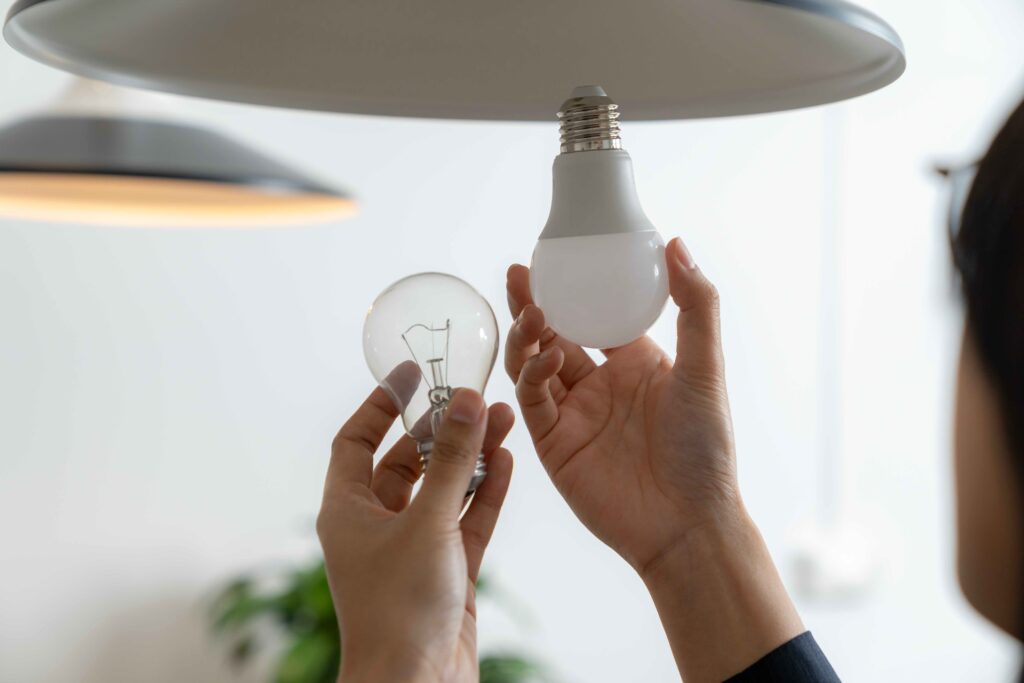
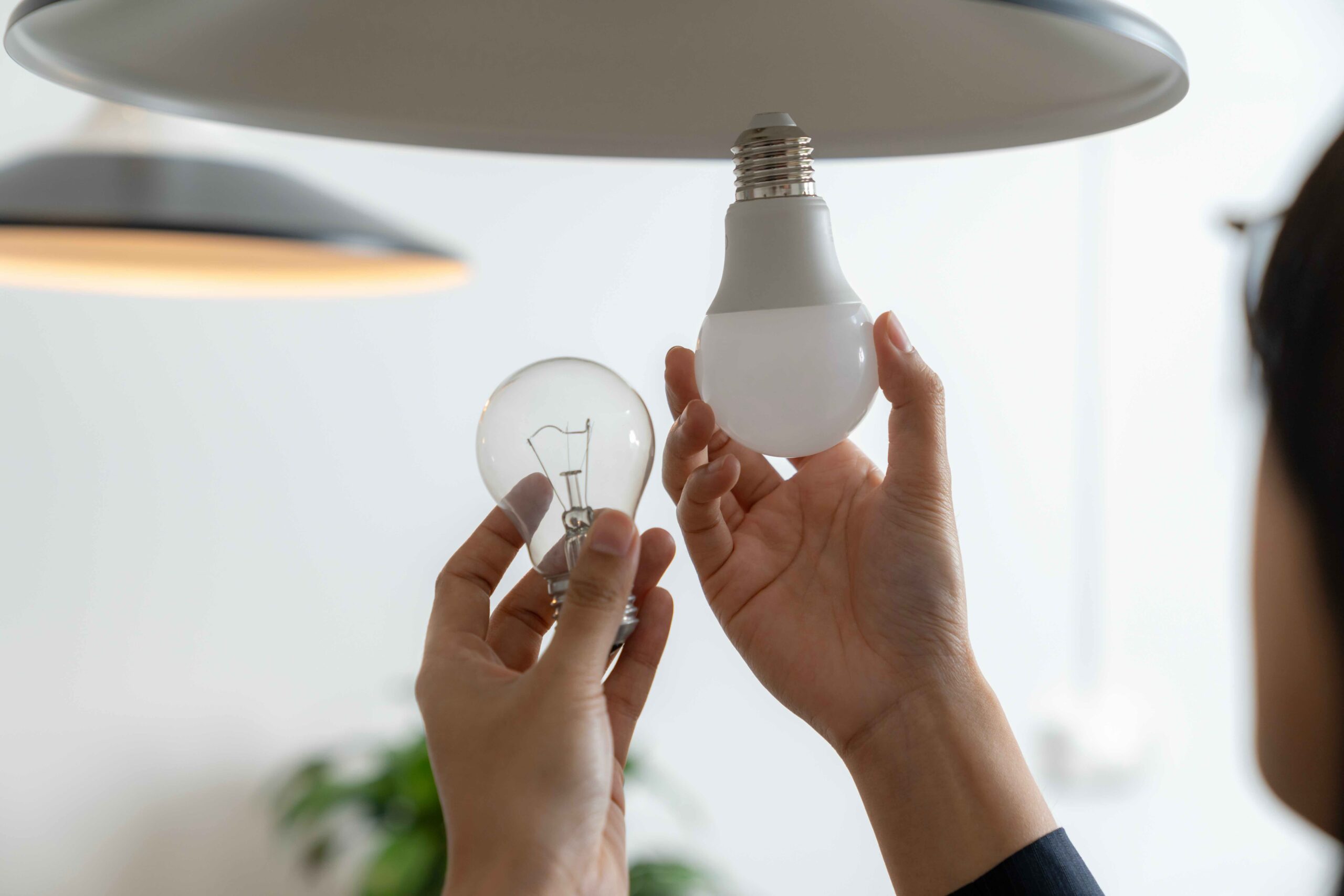
The mechanics behind an incandescent bulb are straightforward, which is part of why the technology lasted as long as it did. Inside the glass globe sits a tungsten filament, a thin wire that heats up when electrical current passes through it. The filament gets so hot that it glows, producing visible light. The glass bulb is typically filled with an inert gas, such as argon, which slows the deterioration of the filament. That is essentially it. The bulb converts electrical energy into light through heat, which also explains one of its biggest drawbacks: most of that energy becomes heat rather than light. In fact, incandescent bulbs convert only about 10 percent of energy consumed into visible light. The rest is lost as thermal energy. Simple concept, real trade-offs.
A Brief History of Incandescent Bulbs in the American Home
For most of the twentieth century, incandescent bulbs were the default lighting solution in virtually every American home. Thomas Edison’s commercially viable version, introduced in 1879, set off decades of widespread adoption. By the mid-twentieth century, these bulbs were embedded in every room, from kitchens and living spaces to garages and basements. They were cheap to produce, easy to replace, and universally compatible with standard fixtures. That accessibility made them the backbone of residential lighting for generations. The shift away from incandescents gained real momentum with the Energy Independence and Security Act of 2007, which introduced efficiency standards that many incandescent bulbs could not meet. Phased rollouts over subsequent years effectively transitioned the market toward compact fluorescent lamps and LED technology.
Key Advantages of Incandescent Lighting
Before dismissing incandescent bulbs entirely, it is worth acknowledging what made them so popular for so long. There are still scenarios where their characteristics are considered advantages.
- Color rendering is exceptional. Incandescent bulbs produce a warm, continuous spectrum of light that is flattering to skin tones and interior finishes. Many homeowners and designers still prefer the quality of light they emit.
- They are fully dimmable. Unlike some LED or CFL options, incandescent bulbs work seamlessly with standard dimmer switches without any compatibility concerns.
- No warm-up time. Incandescent bulbs reach full brightness instantly, which matters in spaces like closets or bathrooms where lights are frequently switched on and off.
- Low upfront cost. The purchase price of incandescent bulbs has historically been lower than alternatives, though that calculation changes significantly over time when factoring in energy and replacement costs.
- No mercury content. Unlike compact fluorescent lamps, incandescent bulbs do not contain mercury, making disposal simpler and safer.
Common Drawbacks You Should Know About
The limitations of incandescent bulbs are well documented, and they are worth understanding clearly. The energy inefficiency is significant. Running incandescent bulbs throughout a home adds measurably to electricity bills over time. Their lifespan is also considerably shorter than modern alternatives, typically ranging from 750 to 1,000 hours compared to the 15,000 or more hours offered by quality LED bulbs. That means more frequent replacements, more trips to the hardware store, and more ongoing cost. The heat they generate also creates minor but real considerations in certain applications, particularly in enclosed fixtures or areas where ambient heat is already a concern. For homeowners focused on reducing energy consumption and long-term costs, these drawbacks add up quickly.

Incandescent Bulbs and Home Fixtures: What Homeowners Should Watch For
One practical area where incandescent bulbs still come up is fixture compatibility. Older homes often have lighting fixtures designed around the dimensions and heat output of standard incandescent bulbs. Swapping those out for LED replacements is usually straightforward, but there are occasional compatibility issues with enclosed fixtures, dimmer switches, and specialty socket types. If a fixture has a maximum wattage rating stamped inside the socket, that rating was almost certainly set with incandescent bulbs in mind. Exceeding it creates a fire risk, while installing an LED that draws far fewer watts is typically fine. Knowing this helps homeowners make smart upgrade decisions rather than running into frustrating surprises mid-project.
Energy Efficiency and the Real Cost Comparison
The numbers here are worth sitting with. A standard 60-watt incandescent bulb costs relatively little upfront but draws 60 watts continuously during operation. An LED equivalent typically draws around 8 to 10 watts while producing comparable light output. Over a single year of average use, that gap translates into meaningful savings per bulb. Multiply that across every light fixture in a typical home, and the cumulative impact on annual energy costs becomes a real financial consideration. This is particularly relevant for homeowners who are actively managing household budgets or preparing a home for sale. Lighting efficiency is increasingly part of how buyers evaluate homes, and it connects to broader conversations about home systems and operational costs.
Regulatory Changes and What They Mean for Your Home Today
In August 2023, the U.S. Department of Energy implemented final rules that effectively ended the sale of most traditional incandescent bulbs in the United States. Retailers were required to stop ordering new stock, and while some bulbs remained on shelves temporarily, the era of incandescent being the default option is functionally over at the retail level. This does not mean homeowners need to immediately strip out every existing incandescent fixture. Bulbs already in use can continue operating until they burn out. But understanding that replacement incandescent options are increasingly unavailable helps homeowners plan accordingly, especially if certain fixtures require specialty incandescent types that may become difficult to source.
Practical Tips for Transitioning Away from Incandescent Bulbs
The transition away from incandescent lighting does not need to be complicated or expensive. A gradual approach works well for most households.
- Replace bulbs as they burn out rather than all at once, spreading the cost of LED upgrades over time.
- Check dimmer switch compatibility before purchasing LED replacements, as older dimmers may not work correctly with certain LED products.
- Look for LED bulbs rated at 2700K to 3000K color temperature to replicate the warm tone that incandescent bulbs produce.
- Verify fixture wattage ratings, particularly in enclosed or recessed fixtures, to ensure any replacement bulb is appropriate for the housing.
- Consider smart LED bulbs for living areas where dimming and ambiance control matter most, since they offer additional functionality beyond what any incandescent could provide.
Why Armadillo Is the Right Home Warranty Partner for Homeowners Navigating These Changes
Lighting transitions are just one small piece of the larger picture of home ownership. Systems fail, appliances break down, and unexpected repair costs have a way of arriving at the worst possible moments. That is where having a reliable home warranty plan becomes genuinely valuable. Armadillo home warranty plans for appliances and home systems are designed to give homeowners straightforward protection without the frustrating fine print that makes traditional warranties feel more like obstacles than benefits. Whether a covered appliance breaks down or a home system needs unexpected attention, Armadillo is built to respond clearly and efficiently. If you are ready to stop guessing what your home protection actually covers, get a free home warranty quote for your house in seconds and see exactly what a plan looks like for your specific home. Protecting a home is a long-term commitment, and working with a warranty provider that treats you like an informed adult makes that commitment considerably easier to manage.

Frequently Asked Questions About Incandescent Light Bulbs and Home Lighting
The following questions address common concerns homeowners have when navigating lighting choices, fixture compatibility, and the broader implications of switching away from incandescent technology.
Are incandescent light bulbs still legal to use in my home?
Yes, using incandescent bulbs you already own is completely legal. The regulatory changes in the United States restrict the manufacturing and sale of most traditional incandescent bulbs, not their use. If you have incandescent bulbs in your fixtures, you can continue using them until they burn out.
Can I still buy incandescent light bulbs anywhere?
Most major retailers have phased out standard incandescent bulbs in compliance with federal efficiency standards effective in 2023. Some specialty incandescent types, such as rough service, appliance, and decorative bulbs, may still be available since they fall under different regulatory categories.
Do incandescent bulbs affect my home’s energy bill significantly?
Yes, noticeably so. Incandescent bulbs are roughly five to six times less energy efficient than LED equivalents. For a home with many light fixtures in frequent use, replacing incandescent bulbs with LEDs can reduce lighting-related electricity costs substantially over the course of a year.
Are incandescent bulbs covered under a home warranty plan?
Generally, individual light bulbs are not covered under standard home warranty plans, as they are considered consumable items. However, electrical systems including wiring, panels, and connected components may be covered depending on the specific plan you hold. Reviewing your coverage terms clarifies what is and is not included.
Why do some homeowners still prefer incandescent lighting over LED?
The quality of light incandescent bulbs produce is the most common reason. Their warm, continuous-spectrum output is flattering and familiar, and some homeowners find that even high-quality LEDs do not replicate it perfectly. Dimming behavior and the absence of any flicker are also reasons certain users remain attached to incandescent technology where it is still accessible.
Can incandescent bulbs cause fire hazards in older fixtures?
They can if used incorrectly. The primary risk comes from exceeding a fixture’s maximum wattage rating, which causes heat buildup around the socket and insulation. Using the correct wattage and ensuring adequate ventilation around enclosed fixtures reduces this risk significantly.
What should I do if my dimmer switch does not work properly with new LED bulbs?
Many older dimmer switches are designed specifically for incandescent loads and may not be compatible with LED bulbs, causing flickering or a limited dimming range. Replacing the dimmer with a model rated for LED use typically resolves the issue and is a straightforward upgrade for most homeowners.
How do I match the warm light of an incandescent bulb when buying LED replacements?
Look for LED bulbs with a color temperature between 2700K and 3000K. This range closely replicates the warm, amber-toned light that incandescent bulbs produce. Bulbs labeled as soft white typically fall within this range and are widely available in standard socket sizes.
Does switching to LED bulbs require any electrical work in my home?
In most cases, no. LED bulbs are designed to fit standard sockets and work with existing wiring. The main exception involves dimmer switches, certain specialty fixtures, or smart home integrations that may require minor updates. A licensed electrician can assess any specific compatibility concerns quickly.
How does home lighting connect to overall home system maintenance?
Lighting is part of your home’s electrical system, and while individual bulbs are simple components, the fixtures, wiring, switches, and panel that support them are not. Keeping fixtures in good condition, avoiding overloaded circuits, and upgrading to energy-efficient bulbs all contribute to the long-term health of your home’s electrical infrastructure, which is a system that home warranty coverage can help protect.