What Is an Induction Kitchen Stove and Why Are Homeowners Talking About It?
If you have spent any time browsing kitchen appliances lately, you have probably come across the term induction stove more than once. It shows up in renovation guides, appliance showrooms, and sustainability conversations alike. And yet, despite all the buzz, a lot of homeowners are still not entirely sure what induction cooking actually means or whether it is the right fit for their kitchen. That is fair. Appliance technology moves fast, and keeping up with it while managing everything else a home demands is a lot to ask. So here is a clear, honest breakdown of what an induction kitchen stove is, how it works, what it does well, and where it falls short.
How an Induction Stove Actually Works
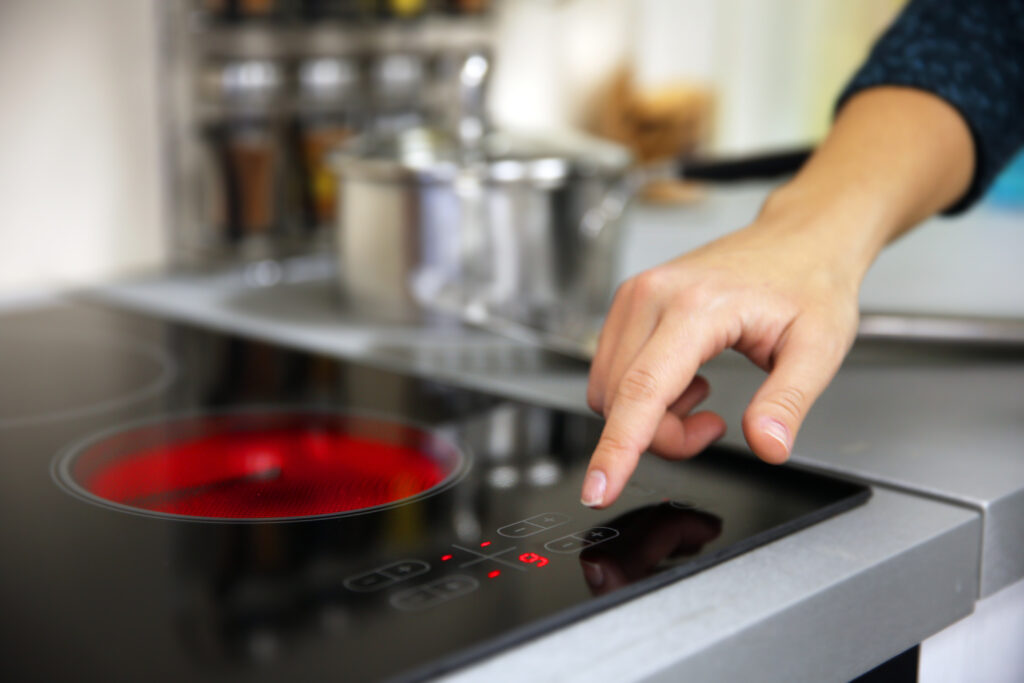
This is where things get genuinely interesting. Unlike gas stoves that use an open flame or electric coil stoves that heat a surface element, induction stoves use electromagnetic energy to heat your cookware directly. Beneath the smooth glass-ceramic surface sits a copper coil. When you turn on a burner, that coil generates a magnetic field. If you place a pot or pan made with a magnetic material on top, the field creates an electrical current inside the cookware itself, which produces heat. The stove surface? It stays relatively cool to the touch. The heat is happening inside the pan, not below it. It is a fundamentally different process, and once you understand it, the performance advantages start to make a lot of sense.
The Key Advantages of Induction Cooking
There are several reasons homeowners and professional chefs both have a lot of enthusiasm for induction technology. The benefits are practical and measurable, not just marketing language.
- Speed: Induction heats cookware significantly faster than both gas and traditional electric. Water boils in a fraction of the time.
- Precision: Temperature control on an induction stove is nearly instantaneous. Turn it down, and the heat drops immediately. There is no lag.
- Energy efficiency: Because heat is generated directly in the pan, very little energy is wasted. Studies suggest induction cooking is roughly 85 to 90 percent energy efficient compared to about 40 percent for gas.
- Safety: The cooktop surface does not get dangerously hot. Accidental burns from touching the stove surface are far less likely, which matters enormously in homes with young children.
- Easier cleaning: No grates, no burner rings, no coils. The flat surface wipes down quickly because spills do not burn onto a hot element.
The Drawbacks You Should Know Before You Buy
Induction stoves are impressive, but they are not without limitations. Being informed about the drawbacks is just as important as appreciating the advantages. The most immediate hurdle is cookware compatibility. Induction only works with magnetic materials, meaning cast iron and most stainless steel pans are fine, but aluminum, copper, and some ceramic cookware will not work unless they have a magnetic base. If your current cookware is not compatible, you are looking at an additional investment. Beyond that, induction stoves tend to carry a higher upfront cost than comparable gas or electric models. Installation may also require an electrical upgrade if your kitchen is not already wired for a 240-volt circuit, which adds to the total cost of switching. There is also a slight learning curve for cooks who are accustomed to the visual feedback of a gas flame.

Induction vs. Gas vs. Electric: A Practical Comparison
Choosing a stove type is one of those decisions that feels bigger than it probably is, but it does matter. Gas stoves remain popular for their visual control and compatibility with all cookware, but they come with concerns around indoor air quality and combustion byproducts. Traditional electric coil or radiant stoves are more affordable but slower and harder to clean. Induction sits at the premium end of the spectrum in terms of performance and efficiency. For homeowners who cook frequently and value precision, induction is genuinely hard to beat. For those who cook occasionally or are on a tighter budget, the investment may be harder to justify. Understanding where your priorities sit is the first step toward making the right call.
Is Your Kitchen Ready for an Induction Stove?
Before purchasing, it is worth doing a quick evaluation of your kitchen’s readiness. First, check your electrical panel. Induction stoves typically require a dedicated 240-volt circuit with a 40 to 50 amp breaker. If your kitchen does not have one, you will need an electrician to install it. Second, do the magnet test on your existing cookware. Hold a refrigerator magnet to the bottom of your pans. If it sticks firmly, the cookware is induction compatible. If it does not stick or barely holds, you will need new pots and pans. Third, consider the ventilation in your kitchen. While induction does not produce combustion gases like gas stoves do, good ventilation is still a sound practice for any cooking environment.
Installation and Maintenance Considerations
Induction stoves are relatively low maintenance compared to gas appliances, which have burners, igniters, and gas valves that can wear out or malfunction. The smooth glass-ceramic surface can scratch if abrasive cleaners are used or if heavy cookware is dragged across it, so care is warranted. It is also worth noting that the control electronics in an induction stove are more sophisticated than those in traditional models. That complexity means that when something does go wrong, repairs can be more involved and potentially more expensive. This is precisely the kind of scenario where having a home warranty in place can make a real difference in protecting your budget.
Common Induction Stove Problems Homeowners Experience
Like any appliance, induction stoves are not immune to issues. Some of the most frequently reported problems include burners that stop responding, error codes related to overheating or power fluctuations, cracked glass-ceramic surfaces from impact, and control panel malfunctions. Because induction stoves rely on electronic components rather than simple heating elements, diagnosing and repairing them usually requires a qualified technician. Repair costs can vary widely depending on the nature of the problem and the brand, but they can easily reach several hundred dollars for parts and labor. Knowing this ahead of time allows you to plan accordingly.
Practical Tips for Getting the Most Out of Your Induction Stove
Once you have made the switch, a few habits will help you get consistent, excellent results from your induction stove.
- Use flat-bottomed cookware: Induction works best when the magnetic base of the pan makes full contact with the cooking zone.
- Match your pan size to the burner zone: Using a small pan on a large zone can result in uneven heating or error readings.
- Clean spills promptly: Sugary spills in particular can bond to the glass surface if left to cool there. Wipe them while the surface is still slightly warm.
- Avoid sliding pans: Dragging cookware across the glass surface increases the risk of scratching. Lift and place instead.
- Read your manual: Induction stoves often have features like power boost modes and simmer settings that are easy to overlook.
Why Armadillo Home Warranty Is a Smart Pairing for Induction Stove Owners
Investing in an induction stove is a meaningful upgrade to your home, and like any significant appliance investment, it deserves protection. When your induction stove encounters an unexpected issue, repair costs can surface quickly and with little warning. That is where having the right home warranty coverage changes everything. Armadillo home warranty coverage for kitchen appliances and home systems is designed to give homeowners exactly the kind of financial backup they need when an appliance breaks down unexpectedly. The coverage is straightforward, the process is transparent, and the goal is simply to make homeownership less stressful. If you are ready to protect your induction stove and the rest of your home’s major systems, you can get a free home warranty quote for induction stove and appliance protection in just a few minutes. Armadillo takes the guesswork out of what is covered, so you can focus on cooking great meals without worrying about what happens if your stove decides to stop cooperating.

Frequently Asked Questions About Induction Kitchen Stoves
Homeowners considering an induction stove often have similar questions. Here are clear answers to the ones that come up most frequently.
Does an induction stove require special cookware?
Yes. Induction stoves only work with cookware that has a magnetic base. Cast iron and most stainless steel cookware are compatible. Aluminum, copper, and non-magnetic ceramic cookware will not function on an induction surface unless they include a magnetic layer in the base.
Is an induction stove safe to use around children?
Induction stoves are generally considered safer than gas or traditional electric stoves around children because the cooktop surface does not generate significant heat on its own. The surface heats only through contact with the cookware, so accidental burns from touching the stove surface are far less likely.
How much does an induction stove cost?
Entry-level induction ranges typically start around 700 to 900 dollars, while mid-range models fall between 1,000 and 2,000 dollars. Premium and professional-grade induction stoves can exceed 3,000 dollars. Installation costs vary depending on whether electrical upgrades are needed.
Does an induction stove use more electricity than a regular electric stove?
No. Induction stoves are more energy efficient than traditional electric stoves. Because heat is generated directly in the cookware rather than in a surface element, less energy is wasted. Induction cooking is typically 85 to 90 percent energy efficient compared to approximately 65 to 70 percent for radiant electric stoves.
Can an induction stove crack?
The glass-ceramic surface of an induction stove can crack if struck by a heavy object or if a pan is dropped on it. It can also scratch if abrasive cleaners are used or if cookware is dragged across the surface. Proper care and maintenance significantly reduce the risk of surface damage.
Does an induction stove make noise?
Some induction stoves emit a faint humming or buzzing sound during operation, which is normal. This is typically caused by the electromagnetic field interacting with the cookware. The noise is usually minimal and not disruptive during everyday cooking.
How long does an induction stove last?
With proper care, an induction stove can last between 10 and 15 years. The lifespan depends on the brand, frequency of use, and how well the appliance is maintained. Electronic components are often the first to show wear, so addressing minor issues promptly helps extend the appliance’s life.
Is an induction stove covered by a home warranty?
Coverage depends on the specific home warranty plan. Many home warranty providers cover built-in kitchen appliances, including induction stoves, under appliance protection plans. It is important to review the terms of your warranty to confirm what components and failure types are included.
Can I install an induction stove myself?
Slide-in or freestanding induction ranges can often be installed with minimal complexity if the proper electrical circuit is already in place. However, built-in induction cooktops typically require professional installation to ensure safe wiring and proper fit. Any required electrical panel upgrades must be performed by a licensed electrician.
What should I do if my induction stove stops working?
Start by checking that the stove is properly connected to power and that no circuit breakers have tripped. Consult the user manual for any error codes displayed on the control panel. If the issue persists, contact the manufacturer’s support line or a qualified appliance repair technician. If you have a home warranty, contact your provider to initiate a service request.