What Is an Inline Water Shut Off Valve and Why Does Every Homeowner Need to Know About It
Picture this: a pipe bursts under your kitchen sink at midnight. Water is spreading across the floor, and you have no idea how to stop it. That moment right there is exactly why inline water shut off valves deserve a permanent place in your home maintenance vocabulary. These small but remarkably important components give you direct control over the water supply to specific fixtures or appliances throughout your home, without requiring you to run to the main shut off every single time something goes wrong. Understanding how they work, where they are, and when they fail could genuinely save you thousands of dollars in water damage.
What Exactly Is an Inline Water Shut Off Valve
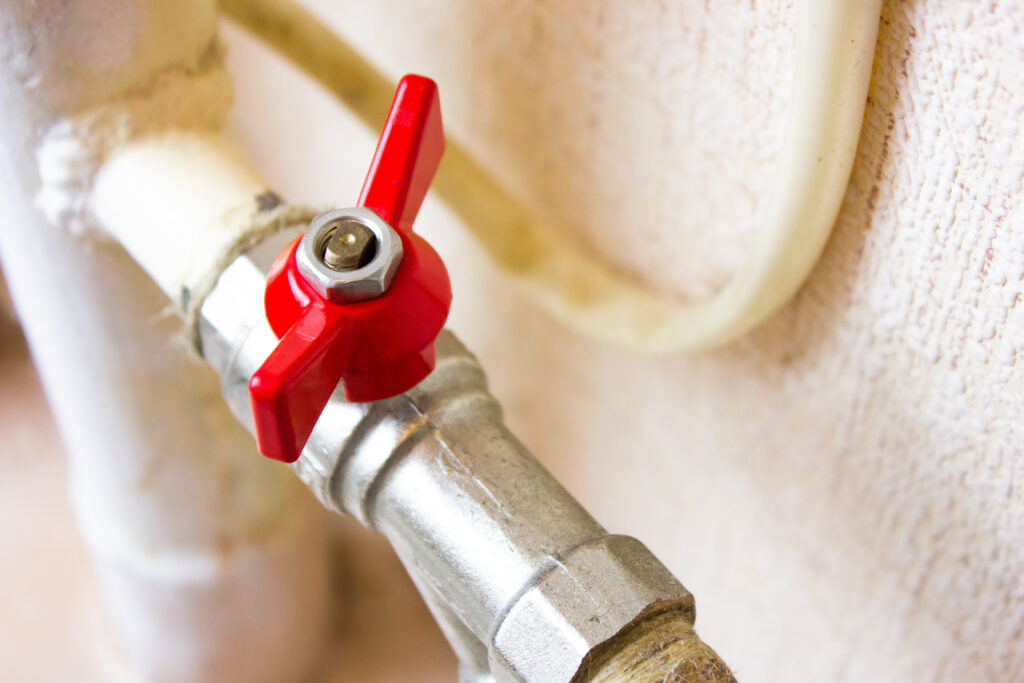
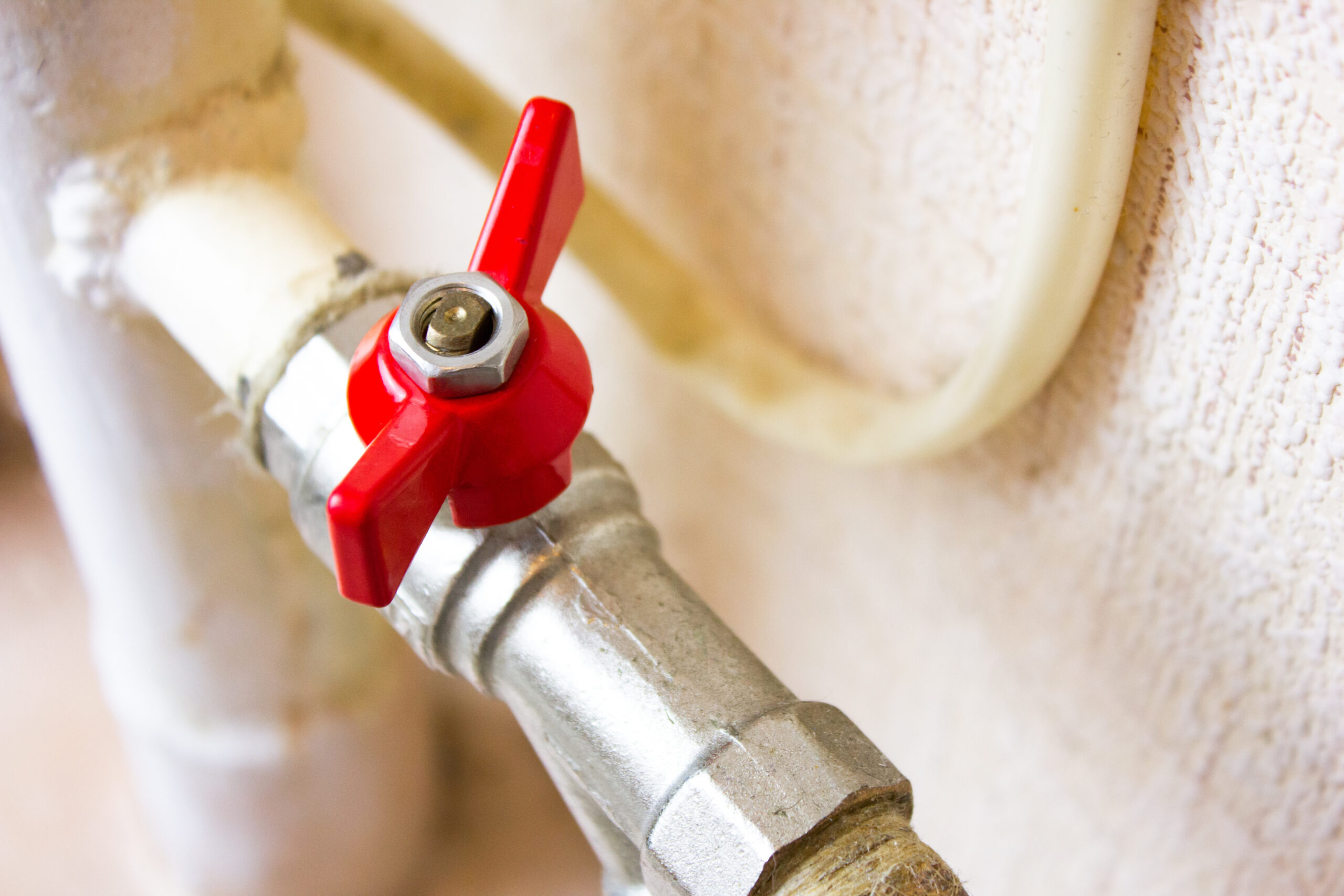
An inline water shut off valve is a plumbing device installed directly along a water supply line, positioned between the main water source and an individual fixture or appliance. You will find them tucked beneath sinks, behind toilets, near water heaters, and alongside washing machine connections. Their entire purpose is isolation. When something goes wrong with a specific fixture, you can turn off the water to just that area without disrupting water service to the rest of your home. Think of them as circuit breakers, but for your plumbing system. Each one governs a specific zone, and together they give your home’s water supply a layer of control that a single main shut off simply cannot provide on its own.
How an Inline Water Shut Off Valve Actually Works
The mechanics are simpler than they might seem. Inside the valve body, a movable component either a ball, gate, or compression disc sits within the flow path of the water line. When the valve is open, water passes through freely. When you rotate or press the handle to close it, that internal component shifts to block the flow completely. The most common type found in modern homes is the ball valve, which uses a hollow sphere with a hole through the center. A quarter turn aligns the hole with the pipe to allow flow, or rotates it perpendicular to cut it off. Gate valves, which use a rising stem and threaded gate, are older and slower to operate but still present in many homes built before the 1990s. Compression valves are typically found on older fixture connections and work by pressing a rubber washer against a seat to stop the flow.
Common Locations Where You Will Find These Valves in Your Home
- Under kitchen and bathroom sinks, attached to the hot and cold supply lines feeding the faucet
- Behind the toilet, on the cold water line that feeds the tank
- Near the water heater, on both the cold water inlet and sometimes the hot water outlet
- Behind or beside the washing machine, with separate valves for hot and cold connections
- Below dishwashers or adjacent to refrigerators with ice makers
- Along irrigation system supply lines entering from the main

The Real Advantages of Having Inline Shut Off Valves Throughout Your Home
The benefits go well beyond convenience. First and most practically, these valves allow repairs to happen without shutting down your entire home’s water supply. A plumber replacing a faucet under your bathroom sink does not need to turn off water to your kitchen, your laundry room, or your garden hose. Everyone keeps going about their day. Second, they serve as immediate damage control during plumbing failures. A burst supply hose on a washing machine can release over 500 gallons of water per hour. If you know where the shut off valve is and it is functioning properly, you can stop that within seconds. Third, for homeowners who travel or leave a property vacant, isolating individual appliances by closing their supply valves reduces the risk of slow leaks going undetected. The compounding effect of these benefits on your home’s long-term condition is substantial.
Common Problems and Drawbacks Homeowners Should Know About
Inline valves are not without their weaknesses, and ignoring them creates its own set of problems. One of the most frustrating issues is valve seizure, which happens when a valve sits in the open position for years without ever being operated. Mineral deposits and corrosion essentially fuse the internal components together, making the valve impossible to turn when you actually need it. Compression valves are particularly vulnerable to this. Another common failure point is the valve seat or packing, which can deteriorate over time and cause slow drips at the handle or connection point. Older angle stop valves, the type commonly found behind toilets, frequently develop leaks after decades of service and may crack if forced. Replacing a failed shut off valve is not always a small job, and in some cases requires turning off the main water supply and soldering new connections.
How to Maintain Inline Shut Off Valves Before They Fail You
Maintenance for these valves is genuinely straightforward, and most homeowners overlook it entirely. The single most effective habit is to fully open and close every inline valve in your home once or twice a year. This simple exercise keeps the internal components moving freely and prevents the mineral buildup that leads to seizure. While you are doing this, check for any moisture or discoloration around the valve body, the connection fittings, and the supply lines themselves. Corroded compression fittings, cracked braided hoses, or green mineral deposits around connections are early indicators that a valve or supply line needs replacement. If a valve is stiff to operate, do not force it aggressively. Applying excessive torque to an aging valve can crack the body or shear the stem, which turns a maintenance task into an emergency repair.
When It Is Time to Upgrade or Replace Your Shut Off Valves
If your home was built before the 1990s and the original valves have never been replaced, that alone is worth paying attention to. Gate valves and older compression valves have a service life, and once they start showing signs of corrosion or resistance to operation, replacement with modern quarter-turn ball valves is a sound investment. When a plumber is already on site for any reason, ask about the condition of nearby shut off valves. Upgrading to ball valves at that point usually adds minimal cost to the visit. Homeowners doing bathroom or kitchen renovations should always include valve replacement as part of the scope, since new supply lines and valves can be installed cleanly before walls are closed up or cabinetry is set. Proactive replacement is almost always less expensive than emergency repair.
What Home Warranty Coverage Means for Your Plumbing Components
Here is where things get nuanced. Home warranties can offer meaningful protection for plumbing systems, including internal water supply lines and shut off valves, but coverage details vary significantly between providers. Most standard home warranty plans cover the repair or replacement of plumbing system components that fail due to normal wear and use. Inline shut off valves, because they are integral to interior plumbing function, may fall within this scope depending on how your specific plan defines covered components. What home warranties typically do not cover is damage resulting from pre-existing conditions, lack of maintenance, or external factors like freezing temperatures. Understanding your coverage before a problem occurs is essential, because discovering what is not covered during an active leak is a poor time to be reading fine print.
Why Armadillo Is a Smart Choice for Protecting Your Home Plumbing
When it comes to protecting the systems that keep your home running, including the plumbing components that rarely get a second thought until they fail, having the right home warranty provider matters more than most homeowners realize. Armadillo was built with a clear understanding of how homes actually work, which means coverage that is straightforward, honest, and designed around real repair scenarios. If you have been thinking about what it means to be genuinely protected against plumbing failures like a seized shut off valve causing a supply line burst, exploring home warranty coverage for plumbing systems and appliances from a provider that keeps things simple is a logical next step. No confusing language, no frustrating claim processes built to delay payment. Just clear protection for the things that matter. If you are ready to see what coverage looks like for your specific home, you can get a personalized home warranty quote for your plumbing and home systems in minutes, with no pressure and no commitment required to see your options.

Frequently Asked Questions About Inline Water Shut Off Valves
What is an inline water shut off valve used for?
An inline water shut off valve is used to stop the flow of water to a specific fixture or appliance without turning off the main water supply to the entire home. It allows for isolated repairs and emergency water containment at the fixture level.
Where are inline shut off valves typically located in a home?
They are most commonly found under sinks, behind toilets, near water heaters, beside washing machine connections, and along supply lines to dishwashers and refrigerators with ice makers.
How do I know if my shut off valve is open or closed?
On a ball valve, the handle is parallel to the pipe when open and perpendicular when closed. On a gate valve, the handle must be turned multiple times, and an open position means the stem is fully raised. Compression valves are open when the handle is turned fully counterclockwise.
Can an inline shut off valve fail without warning?
Yes. Valves that have not been operated in years can seize, crack under pressure, or develop slow leaks at the packing or connection points without visible advance warning. Annual operation of each valve helps reduce this risk significantly.
How long do inline shut off valves last?
The service life depends on valve type, water quality, and how frequently they are used. Ball valves in good conditions can last 20 to 30 years or more. Older compression and gate valves may develop reliability issues after 10 to 15 years of inactivity.
Are inline water shut off valves covered under a home warranty?
Coverage depends on the specific home warranty plan. Many plans cover interior plumbing components that fail due to normal wear, which may include shut off valves. Reviewing your plan’s terms or contacting your provider is the best way to confirm what is included.
What type of shut off valve is best for residential plumbing?
Quarter-turn ball valves are widely considered the most reliable option for residential use. They operate quickly, resist seizing, and provide a complete seal when closed. Most plumbing professionals recommend them as a replacement choice for older valve types.
Can I replace an inline shut off valve myself?
Basic replacements are within the skill range of a confident DIYer, but the process typically requires turning off the main water supply and may involve cutting into existing supply lines. If there is any uncertainty about the process, hiring a licensed plumber is the safer choice.
What happens if an inline shut off valve is left in the closed position for too long?
Leaving a valve closed for extended periods is generally not harmful, but returning it to regular operation after a long closure can sometimes dislodge mineral deposits into the supply line. Operating valves regularly in both directions helps prevent buildup from settling.
How often should I check my home’s inline shut off valves?
Inspecting and operating each inline valve fully open and closed at least once a year is a recommended maintenance practice. This keeps components moving freely and gives you the opportunity to spot early signs of corrosion, dripping, or stiffness before a failure occurs.