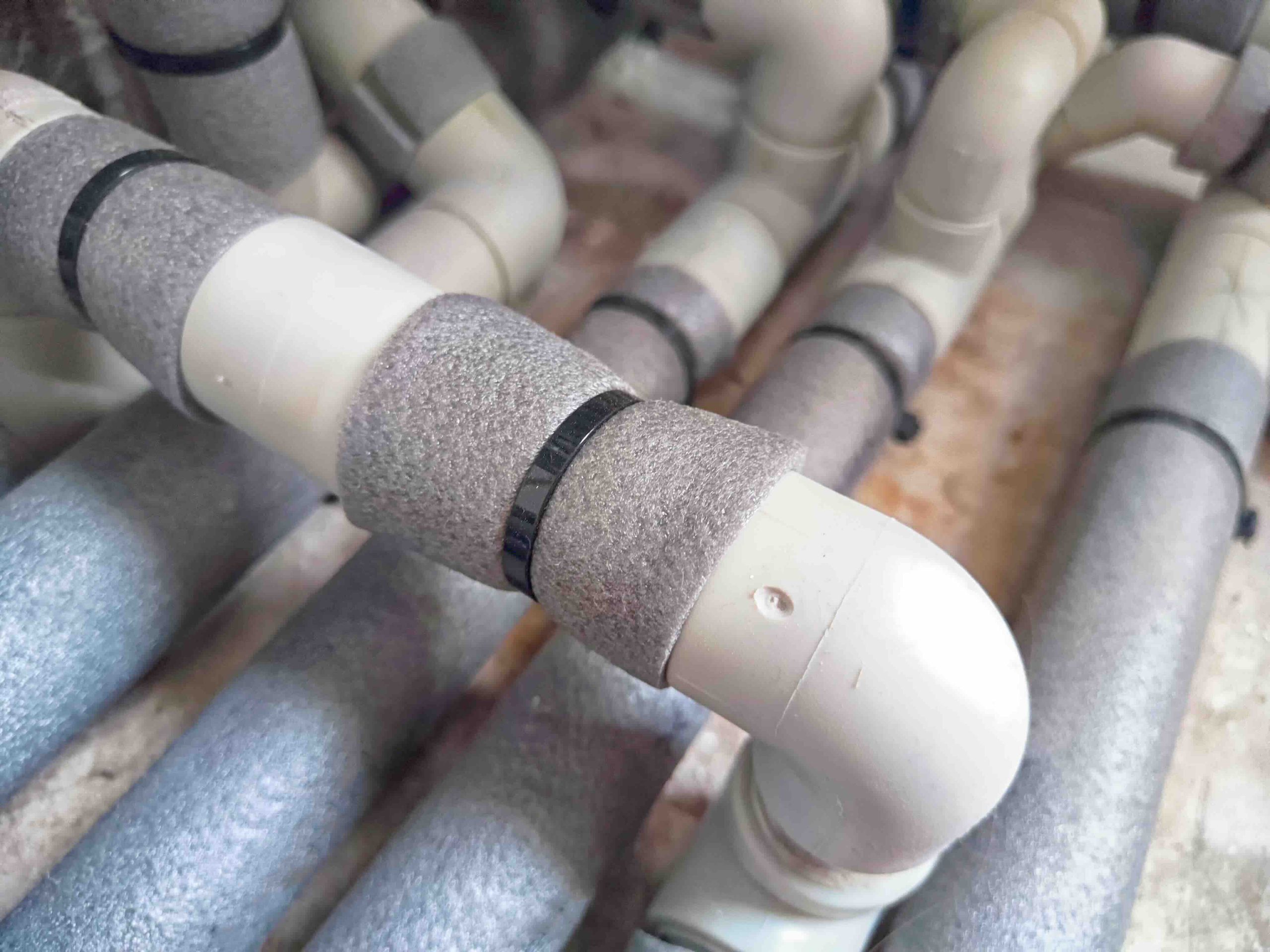
What Are Insulating Pipes and Why Should Homeowners Pay Attention to Them
Somewhere between the walls and under the floors of your home, a network of pipes quietly does some of the heaviest lifting in your daily life. Hot water for your morning shower, cold water for your dishwasher, the supply lines feeding your laundry room, all of it depends on plumbing that most homeowners never think twice about. That is, until something goes wrong. Pipe insulation is one of those home improvements that tends to fly under the radar, yet it plays a surprisingly significant role in energy efficiency, pipe longevity, and even preventing catastrophic water damage. If you have never given your pipes a second thought, this is a good time to start.
Understanding Pipe Insulation: The Basics Broken Down Simply
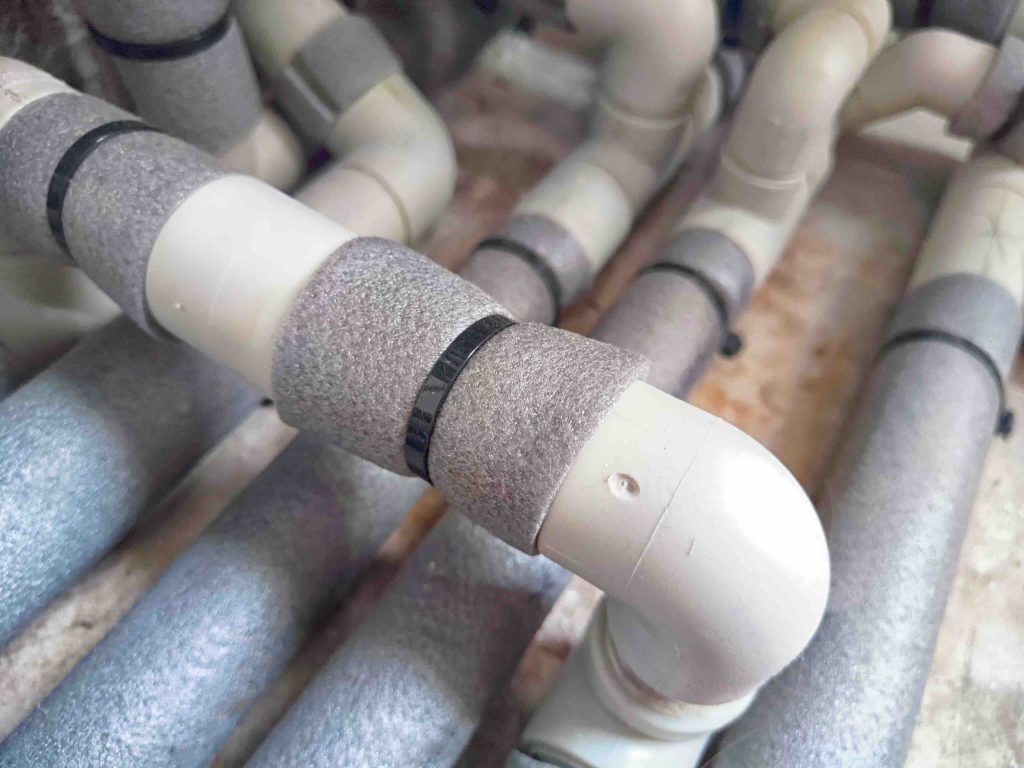
Pipe insulation is exactly what it sounds like: a protective material wrapped around your home’s water supply lines to regulate temperature and reduce energy loss. It is most commonly used on hot water pipes, cold water pipes in unheated spaces, and pipes running through exterior walls or uninsulated crawl spaces. The insulation acts as a thermal barrier, slowing down the transfer of heat between the pipe and the surrounding environment. In winter, this means your pipes are far less likely to freeze. In summer, it means your cold water lines stay cold longer without sweating condensation onto your walls or subflooring. It is a small detail with a surprisingly wide range of benefits.
The Different Types of Pipe Insulation Available
Not all pipe insulation is created equal, and the right choice depends on the pipe type, location, and temperature range involved. Here is a quick breakdown of the most common materials homeowners and contractors work with:
- Foam pipe insulation: The most widely used option for residential plumbing. It is affordable, easy to install, and available in pre-slit tubes that slip right over standard pipe diameters.
- Fiberglass pipe wrap: Best suited for high-temperature pipes, including those connected to water heaters. It offers excellent thermal resistance but requires protective coverings when installed in exposed areas.
- Rubber pipe insulation: A flexible, durable option often used in commercial settings but increasingly found in homes. It handles both high and low temperatures well and resists moisture absorption.
- Polyethylene foam: Lightweight and moisture resistant, this is a popular choice for cold water lines and pipes in humid environments like basements and crawl spaces.
Choosing the right material is less complicated than it seems once you know where your pipes run and what temperature conditions they face throughout the year.
How Pipe Insulation Actually Works
The science behind pipe insulation is straightforward. Heat naturally moves from areas of high temperature to areas of low temperature. When a hot water pipe runs through an unheated basement or an exterior wall cavity, the heat inside the pipe wants to escape into the cooler surrounding air. Insulation slows that transfer by adding a layer of low-conductivity material between the pipe and the outside environment. For cold water pipes, the same principle applies in reverse, preventing warm air from transferring heat into the pipe and causing condensation. The thicker the insulation and the lower its thermal conductivity, the more effective it will be at maintaining the desired pipe temperature over distance.

The Key Advantages of Insulating Your Home’s Pipes
There are several compelling reasons to invest in pipe insulation, and the benefits go well beyond just keeping water warm. Energy savings are one of the most immediate advantages. When hot water pipes are properly insulated, the water inside retains its heat as it travels from your water heater to the faucet. That means your water heater does not have to work as hard or as frequently to compensate for heat loss in transit. Over the course of a year, this can translate into measurable reductions on your utility bills. Beyond energy, insulated pipes are significantly more resistant to freezing during cold weather. A burst pipe from freezing temperatures is one of the most destructive and expensive plumbing events a homeowner can experience. Proper insulation is one of the most reliable preventive measures available. Additionally, insulating cold water pipes reduces condensation, which protects surrounding building materials from moisture damage and mold growth over time.
Common Drawbacks and Limitations to Know Before You Start
Pipe insulation is not without its limitations, and it is worth going in with realistic expectations. First, insulation alone will not prevent freezing in extreme cold conditions if the pipe is exposed to very low temperatures for extended periods. In regions that experience severe winters, insulation should be combined with other strategies like heat tape or maintaining consistent interior temperatures. Second, improperly sized insulation can leave gaps or fail to seal correctly, reducing its effectiveness significantly. Third, some pipe configurations in tight wall cavities or finished spaces are difficult or impossible to insulate without significant renovation. Finally, insulation on pipes that carry flammable gases, like natural gas lines, must be handled carefully and in compliance with local building codes. Not every pipe in your home is a good candidate for standard foam insulation.
How to Know If Your Pipes Are Already Insulated
Many older homes were built without pipe insulation, particularly on lines running through unheated spaces. A quick inspection of your basement, crawl space, attic, and garage can tell you a lot. Bare copper or PVC pipes with no surrounding material are uninsulated. If you notice condensation forming on cold water lines during warm months, or if your hot water takes a long time to arrive at distant faucets, those are common indicators that insulation is either absent or inadequate. An HVAC technician or licensed plumber can also assess your system during a routine service visit and flag areas where adding insulation would provide the most benefit.
DIY vs. Professional Installation: What Makes Sense for Your Home
Pipe insulation is one of the more approachable home improvement projects for DIY-minded homeowners, at least in accessible areas. Foam pipe sleeves are inexpensive, available at any home improvement store. These require nothing more than a utility knife and adhesive tape to install. However, pipes located inside finished walls, in tight crawl spaces, or in areas requiring code compliance are better left to a licensed plumber or contractor. Fiberglass insulation, in particular, requires protective gear and careful handling. If your home has older plumbing materials like galvanized steel or lead pipes, it is strongly advisable to involve a professional before adding any new materials. The cost of professional installation is generally modest, and the peace of mind is well worth it in more complex situations.
Pipe Insulation and Your Home Warranty: What to Expect
Here is something many homeowners overlook: the relationship between pipe insulation and home warranty coverage. A home warranty plan typically covers the repair or replacement of plumbing components that fail due to normal wear and tear. However, damage resulting from frozen pipes, condensation buildup, or neglected maintenance may fall into a different category depending on the terms of your plan. Keeping your pipes properly insulated is not just a smart energy move. It is also a form of proactive maintenance that can help you avoid situations where warranty claims get complicated. Insurers and warranty providers alike respond better to claims when there is clear evidence that a homeowner has taken reasonable steps to protect their systems.
Why Armadillo Is the Right Partner for Protecting Your Home’s Plumbing
When you invest time and money into improvements like pipe insulation, it makes sense to back that effort with a home warranty plan that actually holds up when things go wrong. Armadillo is built around a straightforward promise: real coverage, no runaround. Whether your plumbing system develops a leak, your water heater stops performing, or another covered component fails unexpectedly, Armadillo is there to help you get it resolved without the usual headaches. Homeowners who want reliable, transparent protection for their plumbing and major systems can explore what Armadillo’s home warranty coverage for plumbing systems and appliances looks like in practice. It is coverage designed with real homes in mind, not just the easy scenarios. If you are ready to see what a plan would cost for your specific property, you can get a personalized home warranty quote that covers your pipes and major home systems in just a few minutes. Your pipes are working hard for you every single day. It is only fair to give them the backup they deserve.

Frequently Asked Questions About Insulating Pipes at Home
Here are answers to some of the most common questions homeowners ask about pipe insulation, covering everything from materials to maintenance to cost.
Does pipe insulation actually lower my energy bills?
Yes, insulating hot water pipes can reduce heat loss between the water heater and the faucet, meaning your water heater runs less frequently. Studies suggest properly insulated pipes can improve water heater efficiency by several percentage points, which adds up over a full year of use.
Which pipes in my home should be insulated first?
Priority should go to hot water supply lines, pipes running through unheated spaces like basements and crawl spaces, any pipes in exterior walls, and cold water lines prone to sweating in humid conditions.
Can pipe insulation prevent pipes from freezing completely?
Insulation significantly reduces the risk of freezing by slowing heat loss from the pipe, but it is not a complete solution in extreme cold. For pipes in very exposed or unheated locations, insulation should be paired with heat tape or consistent indoor heating.
How long does foam pipe insulation last?
Foam pipe insulation typically lasts between five and ten years under normal conditions, though this can vary based on the material quality, moisture exposure, and temperature fluctuations in the surrounding environment. Periodic inspection is recommended.
Is it safe to insulate pipes near my water heater?
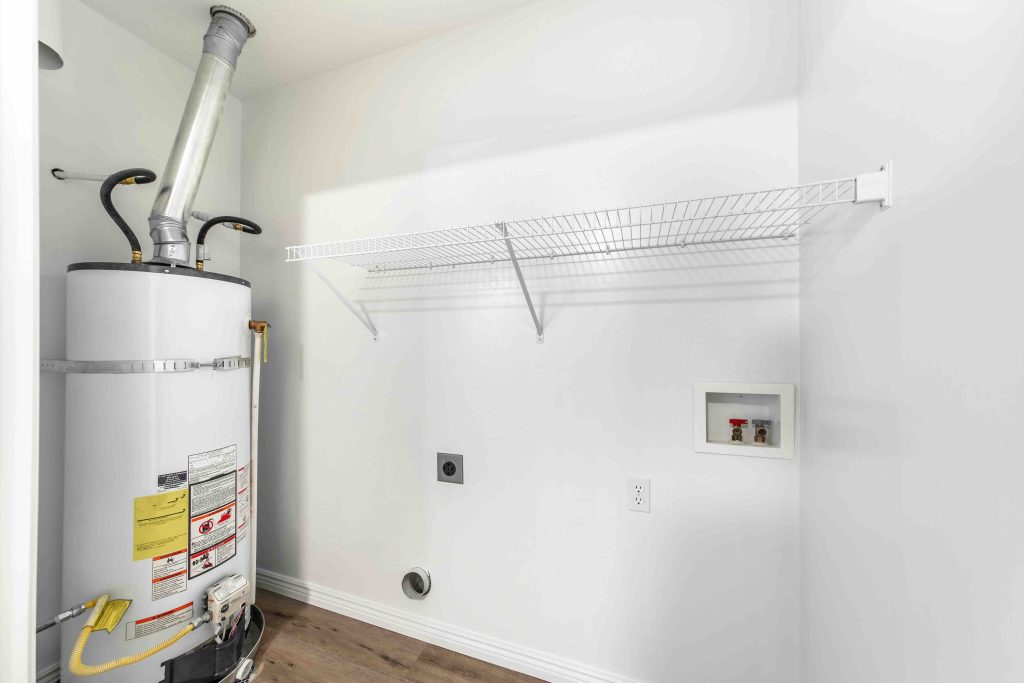
Yes, insulating the first few feet of hot and cold water pipes connected to your water heater is a common and recommended practice. Use insulation rated for high temperatures, and maintain the clearances specified in your water heater’s installation manual.
Can I insulate pipes myself or do I need a plumber?
Accessible pipes in basements, crawl spaces, and garages are generally suitable for confident DIY installation using foam sleeves. Pipes inside finished walls, in tight spaces, or involving older plumbing materials should be addressed by a licensed professional.
Will insulating my pipes affect my home warranty coverage?
Pipe insulation itself does not typically affect home warranty coverage. It can actually support your position in a claim by demonstrating proactive maintenance. However, always review your warranty terms to understand what plumbing-related damage is and is not covered.
What is the best pipe insulation for cold climates?
In colder climates, rubber pipe insulation or thicker foam options with higher R-values provide better protection. For extreme conditions, combining insulation with electric heat tape offers the most reliable freeze prevention.
Does pipe insulation help with noisy pipes?
In some cases, yes. Pipe insulation can dampen vibration and reduce the transmission of sound through walls. This may help with noise caused by water hammer or pipes that rattle during use. It is not a dedicated solution for plumbing noise but can provide minor acoustic benefit.
How much does it typically cost to insulate pipes in a home?
For a DIY approach, foam pipe insulation materials for an average home can cost between fifty and two hundred dollars depending on the scope. Professional installation for a full home inspection and insulation project typically ranges from two hundred to over one thousand dollars depending on pipe accessibility and regional labor rates.