





What Is Kitchen Drain Cleaner and Why Does It Matter for Your Home?
Kitchen drains take a lot of abuse. Grease, food scraps, soap residue, and mineral buildup all accumulate over time inside the pipes beneath your sink. Kitchen drain cleaner is any product or method designed to break down, dissolve, or remove these blockages and keep water flowing the way it should. Whether you reach for a bottle of chemical drain cleaner, a box of baking soda and vinegar, or call in an enzymatic solution, you are essentially trying to restore the function of one of the most used plumbing components in your home. Understanding how these products work and when to use them can save you from a messy, costly plumbing situation down the road.
How Kitchen Drain Cleaners Actually Work
Not all drain cleaners operate the same way, and knowing the difference matters. Chemical-based cleaners, often the most common kind found in hardware stores, use caustic or oxidizing agents to generate heat and dissolve organic material sitting in the pipe. Caustic cleaners typically contain sodium hydroxide, which converts grease into a soap-like substance that can be flushed away. Oxidizing cleaners, on the other hand, use compounds like bleach or peroxide to break down the molecular structure of the clog. There is also a third category called acid-based cleaners, which are far more aggressive and generally reserved for professional use. Enzymatic or biological cleaners take a completely different approach, using live bacteria or natural enzymes to slowly digest the organic material causing the blockage. These are slower but considerably gentler on your pipes.
Types of Kitchen Drain Cleaners at a Glance
Before you grab the first bottle on the shelf, it helps to know what your options actually are. Here is a quick breakdown of the main categories homeowners typically encounter:
- Caustic drain cleaners: Heavy-duty and fast-acting, great for grease clogs, but hard on older pipes
- Oxidizing drain cleaners: Effective on food-based blockages, generally safer than caustic options
- Enzymatic or biological cleaners: Slow-working but pipe-friendly, best for maintenance rather than emergencies
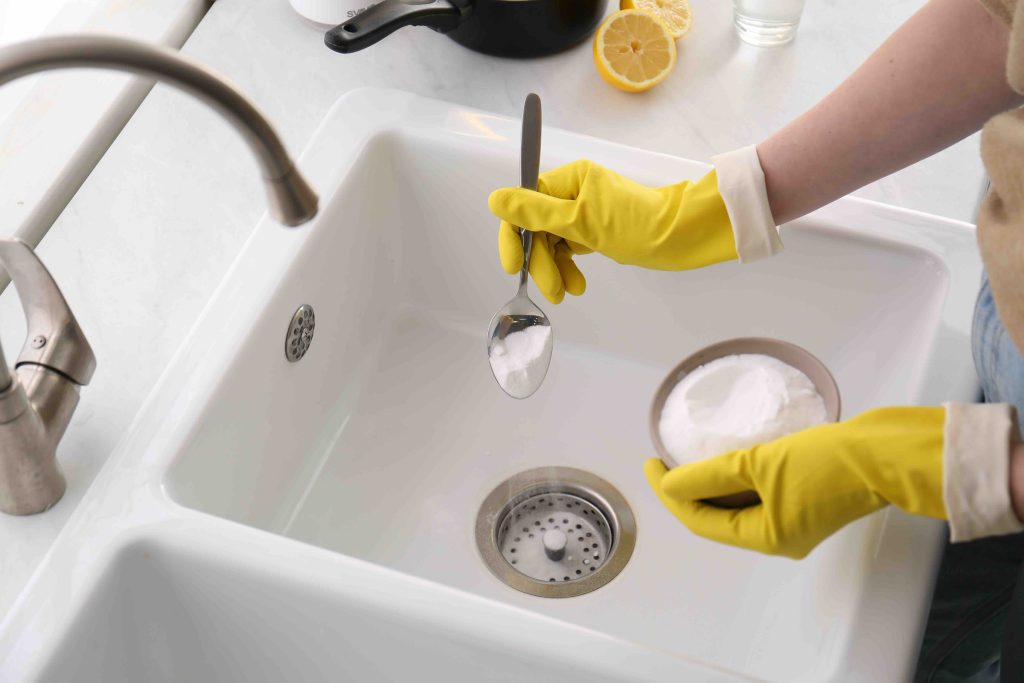
- Natural DIY methods: Baking soda and vinegar combinations, useful for minor clogs and regular upkeep
- Mechanical tools: Drain snakes and plungers, which physically remove the blockage rather than dissolving it
Choosing the right type depends on the severity of the clog, the age of your pipes, and how frequently you deal with drainage issues in the kitchen.

The Real Advantages of Using Kitchen Drain Cleaners
The most obvious benefit is convenience. A bottle of drain cleaner can often resolve a slow drain in under an hour without needing to call a plumber. For minor to moderate kitchen clogs, chemical cleaners are widely available, relatively inexpensive, and fast. Enzymatic cleaners, while slower, offer the advantage of being safer for both your pipes and the environment, making them an excellent choice for regular monthly maintenance. Using drain cleaner proactively, before a full blockage forms, can extend the life of your kitchen plumbing system and reduce the likelihood of a larger, more expensive repair surfacing later. This is especially important in homes with older plumbing infrastructure where clogs have the potential to cause pressure buildup and pipe damage over time.
Common Drawbacks and Risks You Should Know
Here is where things get a little more complicated. Chemical drain cleaners, despite their popularity, come with real downsides that homeowners often overlook. The same caustic properties that dissolve grease can also degrade certain pipe materials, particularly older PVC, rubber gaskets, and corroded metal pipes. Repeated use of harsh chemical products can weaken pipe joints over time, potentially turning a simple clog into a full pipe replacement. There are also safety concerns worth taking seriously. These products contain corrosive chemicals that can cause skin burns and serious eye damage if mishandled. Inhaling fumes in an enclosed space like a kitchen is also a legitimate health risk. And from an environmental standpoint, these chemicals eventually make their way into the water system, which is something to factor into your decision-making.
When Drain Cleaner Is Not Enough
Drain cleaner can handle a lot, but it has clear limitations. If your kitchen drain is completely blocked and standing water is not moving at all, chemical solutions may not even reach the clog effectively. Severe blockages caused by accumulated grease buildup deep in the pipe, foreign objects, or structural issues within the pipe itself require professional intervention. If you find yourself reaching for drain cleaner multiple times within a few weeks, that is a signal something more serious is going on beneath the surface. In those cases, a licensed plumber with professional-grade tools, such as hydrojetting equipment or a motorized drain snake, will be far more effective than any product available at the grocery store.
Practical Tips for Preventing Kitchen Drain Clogs
Prevention is always going to be more effective than treatment. A few simple habits can dramatically reduce how often you deal with kitchen drain problems in the first place. Never pour cooking grease or oil directly down the drain. Even when diluted with hot water, grease cools and solidifies inside your pipes, gradually restricting flow over time. Run hot water through the drain for at least thirty seconds after washing dishes or using the sink heavily. Use a sink strainer to catch food particles before they enter the pipe. Consider running an enzymatic cleaner through the drain once a month as a maintenance measure, not just when a problem appears. These small steps compound over time and make a real difference in the overall health of your kitchen plumbing.
What Your Home Warranty May Cover Related to Drain Issues
This is a detail many homeowners do not think about until they are already dealing with a problem. A home warranty plan can provide valuable coverage for plumbing system failures, including issues related to drains that go beyond a simple clog. If a drain line collapses, a pipe joint fails, or a plumbing component breaks down due to normal wear and tear, a home warranty may cover the cost of diagnosis and repair. It is worth understanding the specific terms of your plan because coverage for stoppages and drain lines varies between providers. Knowing what is and is not included before a problem occurs puts you in a much better position when something goes wrong.
Why Armadillo Is the Smart Choice for Protecting Your Home Plumbing
Dealing with a backed-up kitchen drain is frustrating enough without also having to worry about whether the repair is going to cost you hundreds or even thousands of dollars out of pocket. That is exactly the kind of situation a good home warranty is designed to handle. Armadillo home warranty coverage for kitchen plumbing and drain systems gives homeowners straightforward protection against the unexpected breakdowns that happen in real homes. No complicated fine print, no runaround when you need help. Whether it is a failing drain line or a larger plumbing system issue connected to your kitchen, Armadillo is built around making home protection feel simple and trustworthy. If you have been putting off getting covered, now is the right time to take that step. Get a free home warranty quote to protect your kitchen plumbing today and find out exactly what it would cost to keep your home covered.

Frequently Asked Questions About Kitchen Drain Cleaners
Here are answers to the most common questions homeowners have about kitchen drain cleaners, how to use them safely, and what to do when they are not enough.
Is it safe to use chemical drain cleaner regularly in my kitchen sink?
Regular use of harsh chemical drain cleaners is not recommended. Repeated exposure to caustic ingredients can degrade pipe materials over time, particularly in older plumbing systems. Using an enzymatic cleaner once a month is a safer approach for routine maintenance.
What is the best kitchen drain cleaner for grease clogs?
Caustic drain cleaners containing sodium hydroxide are generally the most effective for grease-based clogs because they convert fat into a water-soluble substance. For a gentler option, hot water combined with an enzymatic cleaner can also work well for minor grease buildup.
Can baking soda and vinegar actually clear a drain clog?
This combination can help with minor clogs and is a useful maintenance tool, but it is not strong enough to dissolve a serious blockage. The fizzing reaction helps loosen debris, but it does not generate the chemical activity needed for significant buildup.
How do I know if my kitchen drain problem requires a plumber?
If drain cleaner fails to restore water flow, if the clog returns repeatedly within a short period, or if multiple drains in the home are slow at the same time, you likely have a deeper plumbing issue that requires professional diagnosis and repair.
Are enzymatic drain cleaners effective for kitchen sinks?
Yes, enzymatic cleaners are effective for dissolving organic matter like food residue and grease, though they work slowly. They are best used as a preventive measure rather than an emergency fix for a fully blocked drain.
Can drain cleaner damage PVC pipes?
Certain chemical drain cleaners, particularly caustic ones, can soften or warp PVC pipes if used frequently or left in contact for extended periods. Always check the product label to confirm compatibility with your pipe material before use.
What should I do if drain cleaner does not work?
If a drain cleaner does not clear the blockage after following the product instructions, avoid adding more cleaner on top of it. Instead, use a drain snake to physically remove the obstruction or contact a licensed plumber for professional assistance.
Does a home warranty cover kitchen drain clogs?
Home warranty coverage varies by provider and plan. Most plans cover plumbing system failures related to pipe breaks or line collapses caused by normal wear and tear, but routine clogs are often excluded. Reviewing your specific plan terms is the best way to understand what applies to your situation.
How can I prevent kitchen drain clogs from forming in the first place?
Avoid pouring grease or cooking oil down the drain, always run hot water after heavy sink use, use a sink strainer to catch food debris, and apply an enzymatic cleaner monthly. These habits significantly reduce the frequency of drain problems over time.
Are there environmentally friendly kitchen drain cleaner options?
Yes. Enzymatic and biological drain cleaners are generally considered the most environmentally responsible option because they use natural bacteria and enzymes rather than harsh synthetic chemicals. DIY methods using baking soda and hot water are also low-impact alternatives for light maintenance.