What Is a Kitchen Sink Drain and Why Does It Matter More Than You Think?
The kitchen sink drain is one of those home components that nobody thinks about until it stops working. And then, suddenly, it is all anyone can think about. Water pooling in the basin, a strange gurgling noise, or a smell that does not belong anywhere near a meal — these are all signs that something beneath that stainless steel basin deserves a closer look. Understanding how your kitchen sink drain actually functions can save you money, prevent water damage, and help you make smarter decisions about maintenance, repairs, and home protection.
How a Kitchen Sink Drain System Actually Works
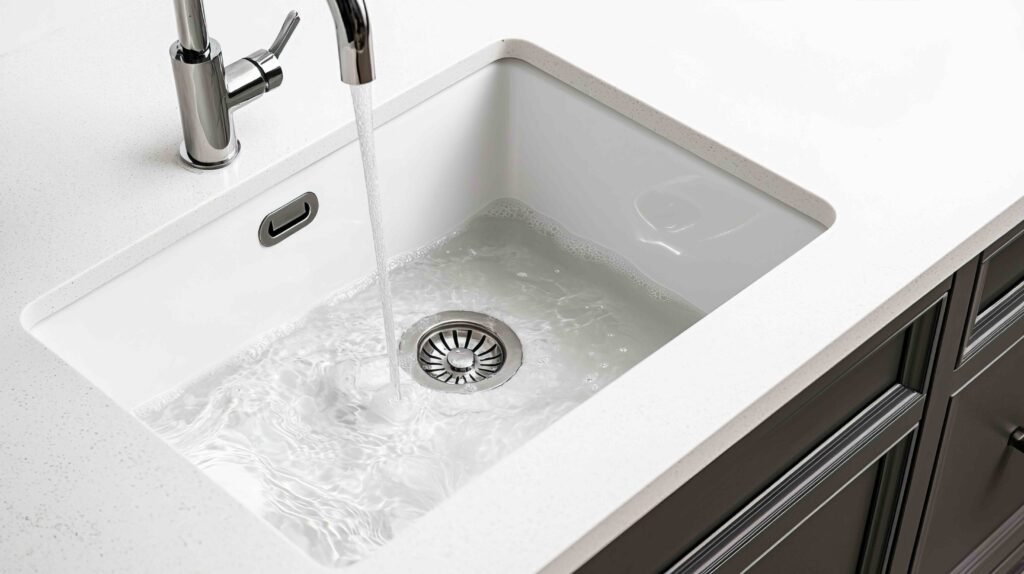
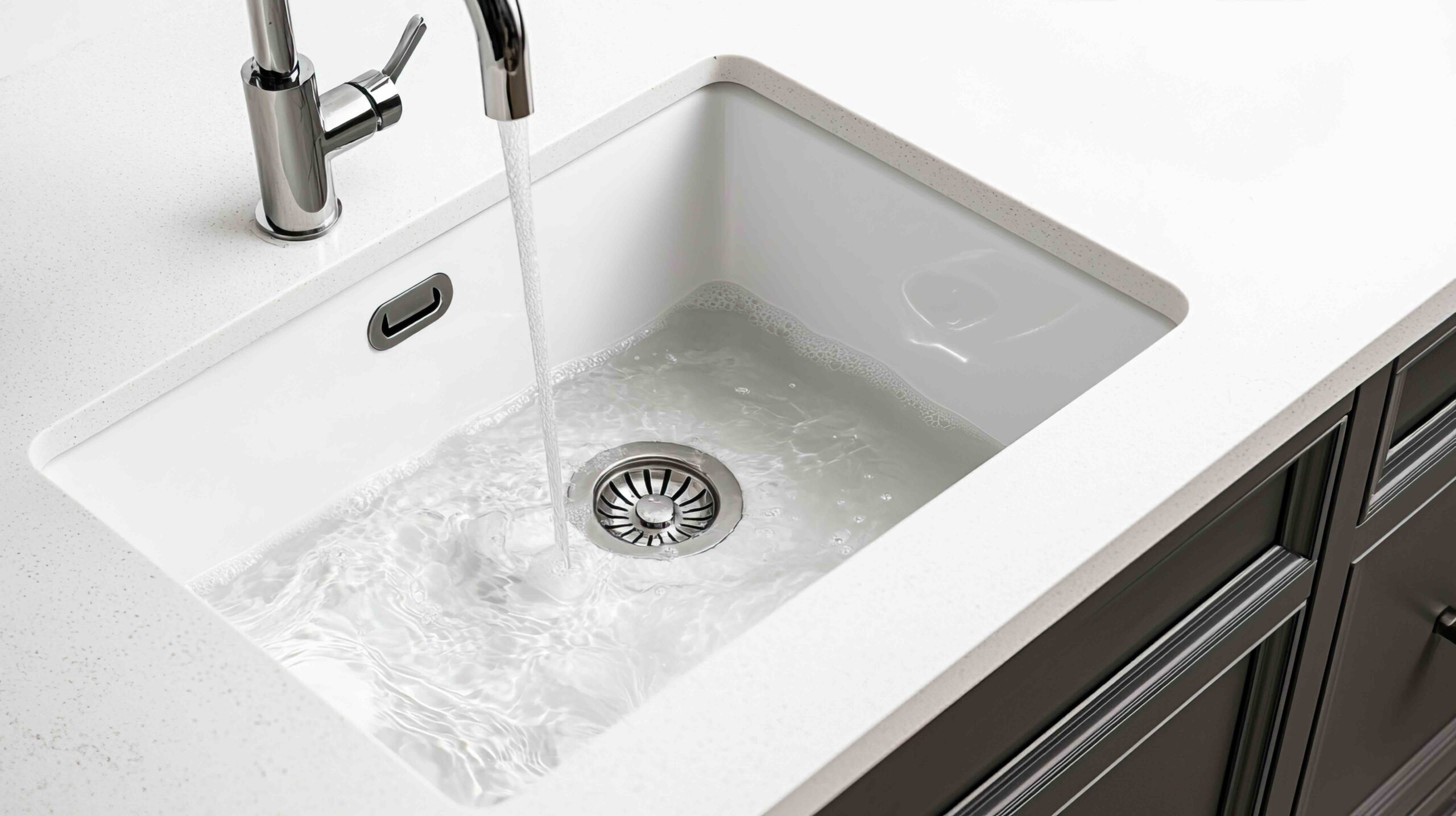
At its core, a kitchen sink drain is a straightforward plumbing system, though it has more moving parts than most homeowners realize. Water flows from the sink basin down through the drain opening, which is covered by a strainer basket that catches food particles and debris. From there, it passes through the drain tailpiece — a vertical pipe that connects to the P-trap, which is that curved pipe section under the sink. The P-trap is not just for show. It holds a small amount of water at all times, which creates a barrier that prevents sewer gases from drifting up into your home. Water then exits through the drain arm, which connects to your home’s main drain line. If you have a garbage disposal, it integrates directly into this system between the basin and the tailpiece.
The Key Components of a Kitchen Sink Drain
Knowing the individual parts makes troubleshooting and communication with a plumber significantly easier. Most kitchen sink drain systems include these essential components:
- Strainer basket — catches debris before it enters the drain line
- Drain body or basket housing — the fitting that connects the basket to the tailpiece
- Tailpiece — the vertical pipe section directly below the drain body
- P-trap — the curved pipe that retains water to block sewer gases
- Drain arm or trap arm — connects the P-trap to the wall drain stub-out
- Plumber’s putty or silicone sealant — used to create a watertight seal around the drain body
- Garbage disposal flange — used in place of a standard drain body when a disposal unit is installed
Each of these components plays a specific role in keeping water flowing efficiently and your home free from contamination. When one element fails, the effects can ripple through the entire system.
Common Kitchen Sink Drain Problems Homeowners Face
Clogs are the most frequent complaint, and they usually build up gradually. Grease, soap residue, and food particles accumulate on the interior walls of the drain pipe over time. Eventually, the passage narrows enough that drainage slows or stops entirely. Leaks are the next big issue — often found at the P-trap connections or at the drain body seal, particularly in older kitchens where putty has dried and cracked. A loose or corroded basket strainer is another common culprit. Homeowners also frequently encounter slow drains that seem fine one week and sluggish the next, which typically points to a partial clog forming deeper in the line.

Advantages of a Well-Maintained Kitchen Sink Drain
A properly functioning kitchen drain does more than just move water. It protects your cabinetry from moisture damage, prevents mold growth beneath the sink, maintains indoor air quality by keeping sewer gases sealed off, and supports the overall efficiency of your home’s plumbing system. A drain in good condition also reduces the risk of costly emergency plumbing calls. When everything is sealed correctly and draining freely, your kitchen functions the way it should — quietly and without interruption. Regular upkeep of the drain system is genuinely one of the higher-return maintenance habits a homeowner can develop.
Drawbacks and Limitations to Be Aware Of
Even a well-installed drain system has its weak points. PVC P-traps, while inexpensive and easy to install, can loosen over time and are vulnerable to impact damage. Chrome metal traps look great but are prone to corrosion, especially in homes with hard water. If your home has older cast iron or galvanized steel drain lines behind the wall, those are operating on borrowed time — corrosion and buildup inside those pipes is nearly impossible to address without professional intervention. Garbage disposals, while convenient, add complexity to the drain system and create additional connection points that can develop leaks. DIY repairs are manageable for surface-level clogs, but deeper issues inside the wall or under the slab require licensed plumbing work.
Practical Maintenance Tips for Your Kitchen Drain
Routine maintenance does not have to be complicated. A few consistent habits can dramatically extend the life of your kitchen drain system and reduce the frequency of service calls. Consider the following practices:
- Run hot water down the drain for 30 seconds after each use to help flush residual grease
- Clean the strainer basket weekly to prevent buildup from compressing and entering the pipe
- Use a drain enzyme product monthly to break down organic buildup inside the pipes
- Inspect the P-trap connections every few months for signs of moisture, corrosion, or drips
- Avoid putting grease, coffee grounds, fibrous vegetables, and starchy foods down the drain
- Check the drain body seal annually and replace the putty or silicone if cracking is visible
When to Call a Plumber Instead of Handling It Yourself
There is a clear line between what a homeowner can reasonably manage and what requires professional attention. Replacing a P-trap, tightening a loose drain basket, or clearing a surface clog with a drain snake — those are reasonable DIY tasks. But if you are dealing with water backing up into the other basin, gurgling that persists after clearing the trap, or drainage issues affecting multiple fixtures simultaneously, those signals point to a problem in the main drain line that needs a licensed plumber. Similarly, any leak originating from inside the wall or beneath the floor is not something to delay on. Water damage compounds quickly, and what starts as a minor drip can become a significant structural issue if left unaddressed.
How Home Warranties Factor Into Kitchen Drain Repairs
This is where a lot of homeowners get caught off guard. Not all home warranty plans cover plumbing drain lines, and the ones that do often have specific language about what qualifies. Some plans cover the drain lines themselves but exclude stoppages caused by misuse or foreign objects. Others include drain line coverage only up to the point where the pipe exits the foundation. It is worth reading the fine print carefully. When plumbing issues arise — and with kitchen drains, they will at some point — having coverage in place can mean the difference between a manageable service call and an unexpected expense that disrupts your budget entirely.
Why Armadillo Is the Right Partner for Protecting Your Kitchen Plumbing
Kitchen drain issues are rarely dramatic until they are. A slow drain becomes a backup. A small leak becomes cabinet damage. That gradual progression is exactly why having the right home warranty in place before something goes wrong is worth considering seriously. Armadillo home warranty coverage for kitchen plumbing and drain systems is built to give homeowners real protection without the maze of exclusions that make other plans frustrating to use. Armadillo focuses on transparency, fast service, and coverage that actually works when your sink drain backs up or your P-trap springs a leak at the worst possible moment. If you want to stop wondering whether a plumbing repair will drain your savings account, now is a good time to get a free kitchen plumbing home warranty quote from Armadillo and see exactly what your home could be covered for.

Frequently Asked Questions About Kitchen Sink Drains
These are the questions homeowners ask most often about kitchen sink drain systems, answered clearly and without the runaround.
What causes a kitchen sink drain to smell bad?
Foul odors from a kitchen drain are most commonly caused by organic buildup inside the drain pipe, a dry P-trap that is no longer holding water, or food debris trapped in the strainer basket. Cleaning the basket and running water regularly to keep the P-trap full usually resolves the issue.
How do I know if my kitchen drain has a clog or a deeper plumbing problem?
If only your kitchen sink drains slowly and all other fixtures are functioning normally, the clog is likely local — inside the P-trap or the drain arm. If multiple drains in your home are slow or backing up simultaneously, the problem is likely in a shared drain line and requires a plumber.
Can I replace a kitchen sink P-trap myself?
Yes, in most cases. P-trap replacement is a manageable DIY task. Turn off the water supply, place a bucket beneath the trap to catch residual water, unscrew the slip-joint nuts by hand or with pliers, and install the new trap. PVC traps are the easiest to work with and widely available at hardware stores.
How often should kitchen drain pipes be cleaned professionally?
Professional drain cleaning is generally recommended every one to two years for average households, or more frequently in homes where cooking grease is regularly introduced to the drain. Annual cleaning can significantly reduce the risk of blockages forming in the main line.
Does a home warranty cover kitchen sink drain repairs?
Coverage varies by plan and provider. Some home warranty plans include drain line stoppages and leaks, while others limit coverage to specific components or exclude clogs caused by foreign objects. Reviewing the contract terms carefully before purchasing is essential.
What is the best way to unclog a kitchen sink drain?
Start by removing and cleaning the strainer basket. If the drain is still slow, manually clear the P-trap. For deeper clogs, a hand-operated drain snake inserted through the drain arm can reach blockages further into the line. Avoid chemical drain cleaners, as they can damage pipe materials over time.
Why is there standing water in one basin of my double kitchen sink?
In a double-basin sink, both drains share a common drain line. If one side backs up, it often means the shared drain arm or the connecting pipe is clogged. Clearing the blockage at the shared connection point typically resolves both basins.
How long does a kitchen sink drain system typically last?
PVC components can last twenty to forty years with proper care. Chrome metal traps have a shorter lifespan, often ten to fifteen years, depending on water quality and usage. The drain body and basket can last for decades but may need resealing every five to ten years as the putty or silicone ages.
Is it normal for a kitchen drain to gurgle?
Occasional gurgling when water drains is common and usually indicates air moving through the system. Persistent gurgling, however, often signals a partial clog, a venting issue, or a failing P-trap seal. If the gurgling is consistent or worsening, it warrants a closer inspection.
What should never go down a kitchen sink drain?
Cooking grease and oils, coffee grounds, pasta and rice, fibrous vegetables like celery and artichoke leaves, potato peels, eggshells, and any non-food materials should never enter the kitchen drain. These items either solidify inside pipes, expand with water absorption, or create fibrous tangles that accumulate into serious blockages over time.