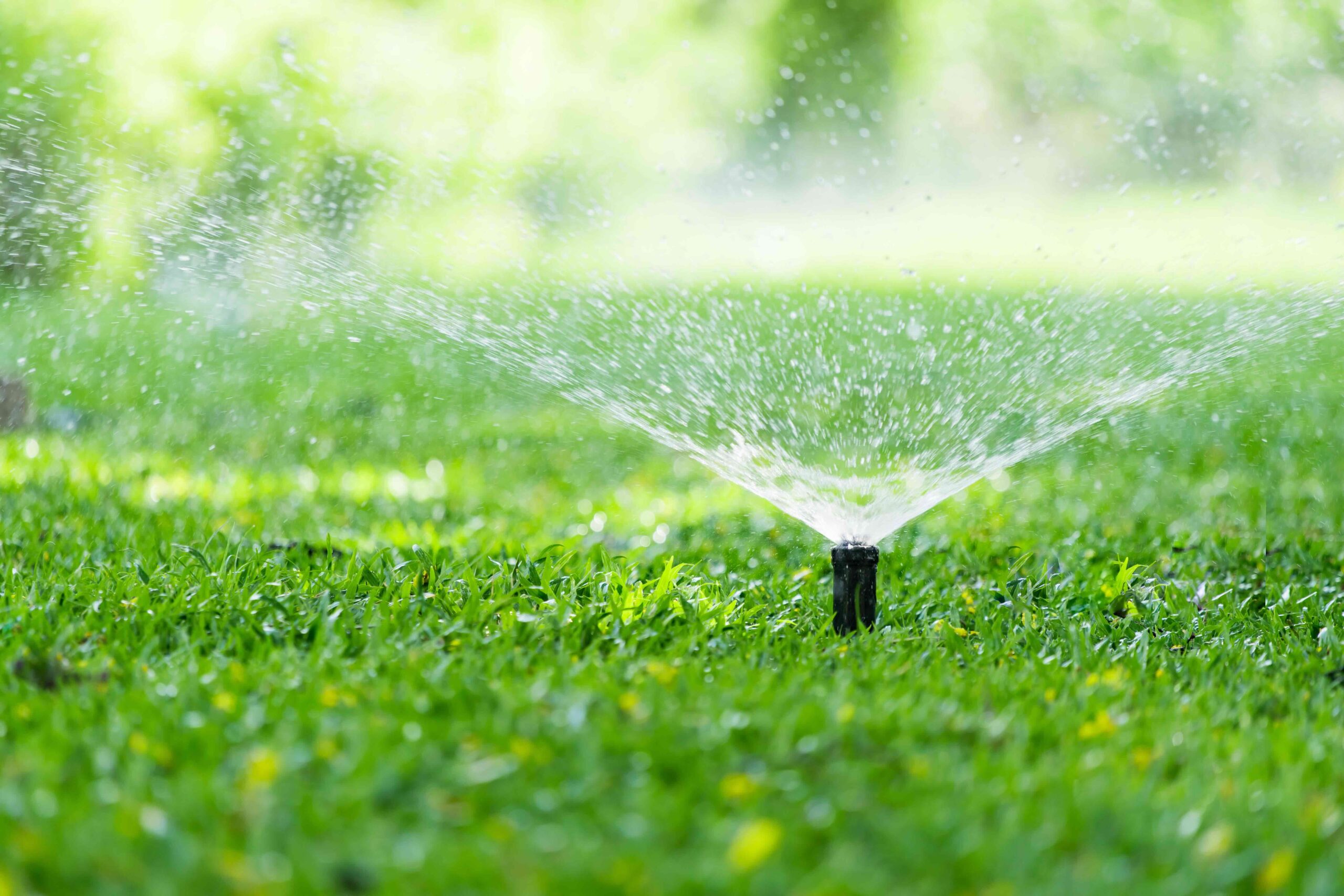
What Is a Home Sprinkler System and Why Does It Matter?
If you have ever stood in your yard watching water shoot sideways from a sprinkler head that is clearly not doing its job, you already know what a leaky or malfunctioning irrigation system feels like. It is one of those slow-burn frustrations that can quietly cost you a lot of money before you even realize something is wrong. Home sprinkler systems are designed to make lawn and landscape care easier, more efficient, and more consistent. But like any home system, they require upkeep — and when things go wrong, the consequences can range from brown patches on your lawn to serious water damage near your foundation. Understanding how these systems work is the first step toward protecting your home and your wallet.
How a Home Sprinkler System Actually Works
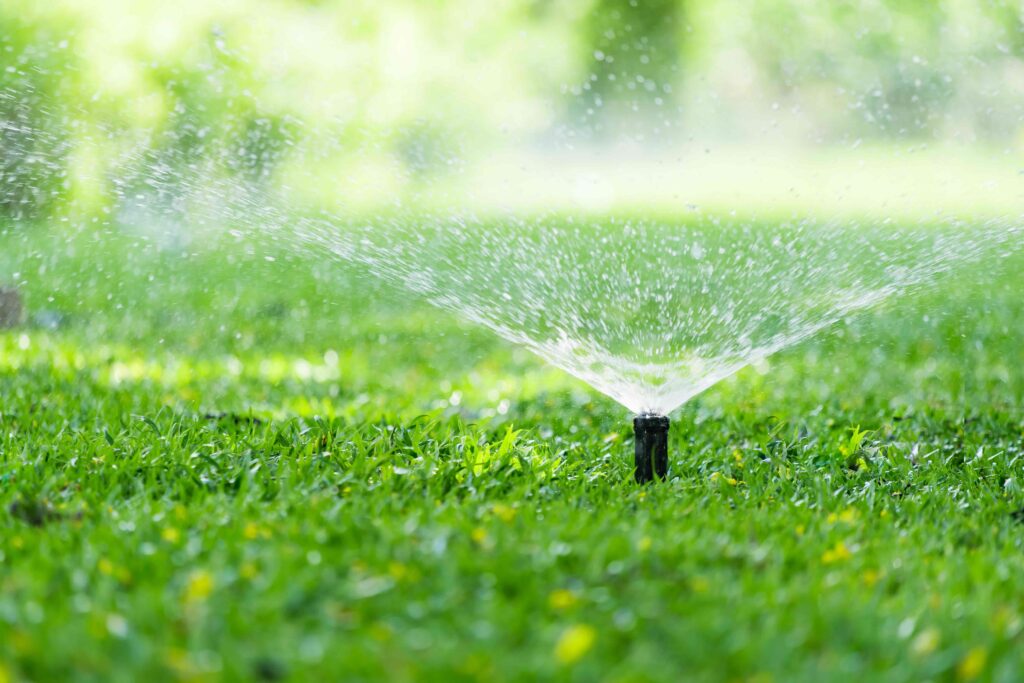
A residential irrigation system is essentially a network of underground pipes, valves, and sprinkler heads connected to your home’s main water supply. Most systems are divided into zones — each zone covering a specific section of your yard and controlled by an individual valve. A central controller, sometimes called a timer or smart hub, manages when each zone activates and for how long. When the system turns on, pressurized water flows through the pipes to each active zone, popping up the sprinkler heads and distributing water across your lawn or garden beds. It sounds simple enough, and for the most part it is. The complications tend to show up in the details — old pipes, worn valve seals, cracked heads, or a controller that lost its programming after a power outage.
The Anatomy of a Leaky Sprinkler System
A leaky sprinkler is rarely just one problem. It is usually a symptom of something wearing out somewhere in the system. The most common culprits include:
- Cracked or broken sprinkler heads from foot traffic, lawn mowers, or freeze-thaw cycles
- Worn valve diaphragms that fail to shut off water flow completely
- Loose pipe fittings or cracked lateral lines underground
- Faulty backflow preventers allowing pressure inconsistencies
- Incorrect water pressure that stresses the entire system over time
The tricky part is that many of these issues happen underground or inside valve boxes, meaning you may not notice a leak until your water bill spikes or you see a suspiciously soggy patch of grass. That delayed visibility is exactly what makes routine inspection so important for homeowners with irrigation systems installed on their property.
Key Advantages of a Home Sprinkler System
When a sprinkler system is working properly, it is genuinely one of the more convenient upgrades you can make to your home’s exterior. Automated watering schedules mean you are not dragging hoses around on a hot Tuesday afternoon. Smart controllers can integrate with local weather data and skip watering cycles when rain is in the forecast, saving water and money simultaneously. Drip zones can be configured for flower beds and garden areas, delivering moisture directly to root systems with minimal waste. Over the long term, a well-maintained irrigation system can actually improve your home’s curb appeal and resale value, since healthy landscaping is consistently ranked among the top factors buyers notice during a showing. There is real utility here, not just convenience.
Common Drawbacks and Hidden Costs to Know About
Here is where things get a little more honest. Sprinkler systems are not entirely low-maintenance, and the costs of neglecting one can add up faster than most homeowners expect. Installation for a new system can run anywhere from a few thousand dollars to well over ten thousand, depending on yard size and system complexity. Annual winterization — the process of blowing compressed air through the lines to prevent freeze damage — is an added expense that is easy to forget until a burst pipe reminds you. Repair costs for individual components vary, but a single valve replacement or head repair can run between one hundred and several hundred dollars depending on labor rates in your area. And if an underground pipe develops a slow leak that goes undetected for weeks, you could be looking at inflated water bills plus landscaping damage on top of the repair itself.

Signs Your Sprinkler System Needs Attention
Staying ahead of sprinkler problems means knowing what to look for before a small issue becomes a costly one. A few red flags worth watching include water pooling near valve boxes, sprinkler heads that are not retracting fully after a cycle, uneven coverage leaving dry spots in your lawn, and sudden increases in your monthly water usage. If your controller is displaying error codes or certain zones are simply not activating, that points toward an electrical or valve issue. Any time you see water actively spraying during a scheduled off period, that is a valve that is not closing properly — and it is worth addressing sooner rather than later.
Maintenance Tips to Keep Your System Running Efficiently
Consistent maintenance is genuinely the best protection against expensive repairs. A few habits that make a real difference include scheduling a professional inspection at the start of each irrigation season, cleaning or replacing clogged sprinkler heads annually, adjusting head alignment after mowing seasons, and testing all zones regularly for proper coverage and pressure. Programming your controller to water during early morning hours reduces evaporation and minimizes the stress on your system. Before winter, always have the lines professionally blown out if you live in a climate with freezing temperatures. These are not complicated steps, but skipping them is how a manageable system turns into a costly repair project.
Does a Home Warranty Cover Sprinkler Systems?
This is a question homeowners ask more often than you might think, and the answer depends entirely on the specific home warranty plan you have. Standard home warranty plans typically cover the major systems inside your home — heating, cooling, plumbing, electrical — and major appliances. Sprinkler systems are considered an exterior system, and many basic plans do not include them by default. However, some warranty providers offer optional add-on coverage or more comprehensive plans that extend protection to outdoor components including irrigation systems. If your sprinkler setup is aging or has a history of repairs, exploring that coverage option before something breaks is a genuinely smart financial move.
Why Sprinkler System Protection Is Worth Building Into Your Home Plan
A functional irrigation system quietly does a lot of work for your home — protecting your landscaping investment, maintaining curb appeal, and saving you time throughout the growing season. When it starts leaking or failing, that quiet efficiency turns into visible frustration and unexpected expense. Armadillo home warranty coverage built for modern homeowners is designed with exactly this kind of scenario in mind — the unexpected breakdown of a system you depend on but rarely think about until it stops working. Sprinkler repairs are not always dramatic emergencies, but they are real costs that real homeowners face every year. If you want to stop absorbing those costs out of pocket, now is a reasonable time to take a closer look at your options and get a free home warranty quote that covers your irrigation and home systems. Protecting your home does not have to be complicated — it just has to be intentional.

Frequently Asked Questions About Home Sprinkler Systems
Here are answers to some of the most common questions homeowners have about residential irrigation systems, leaks, maintenance, and warranty coverage.
What causes a sprinkler head to keep leaking after the system shuts off?
A sprinkler head that continues to drip or drain after a cycle typically indicates a faulty valve that is not sealing completely, or it could be a low-head drainage issue where water naturally drains out of the lowest head in a zone due to gravity. A valve replacement or a check-valve-equipped sprinkler head usually resolves the problem.
How do I know if I have an underground sprinkler leak?
Signs of an underground leak include unexplained wet or soggy areas in your yard that do not dry out between watering cycles, a noticeable drop in water pressure across one or more zones, and an unexpected increase in your monthly water bill without a change in usage habits.
How often should a residential sprinkler system be professionally inspected?
Most irrigation professionals recommend a full system inspection at least once per year, ideally at the start of the active watering season. If your system is more than ten years old or has experienced prior repairs, twice-yearly checkups are a reasonable precaution.
Is winterizing a sprinkler system really necessary?
In climates where temperatures drop below freezing, winterization is essential. Water left in irrigation lines can freeze and expand, cracking pipes, fittings, and valve bodies. The cost of a professional blow-out service is far less than the cost of repairing freeze-damaged components in the spring.
Can I repair a sprinkler head myself?
Replacing a damaged sprinkler head is generally a manageable DIY task. Most heads are available at hardware stores and can be swapped out by hand or with basic tools. However, valve repairs, pipe breaks, and controller issues are better handled by a licensed irrigation technician to avoid compounding the problem.
How long do residential sprinkler systems typically last?
A well-maintained irrigation system can last anywhere from fifteen to twenty-five years. Individual components like heads and valves may need replacement sooner, but the core infrastructure — including underground piping — tends to hold up for decades with proper seasonal care.
Does a home warranty typically cover sprinkler system repairs?
Standard home warranty plans do not always include sprinkler systems, as they are classified as exterior systems rather than interior plumbing. Some providers offer enhanced plans or optional add-ons that extend coverage to irrigation systems. Reviewing your plan documents carefully and asking about add-on options is the best approach.
What is a backflow preventer and why does it matter for my sprinkler system?
A backflow preventer is a device installed on your irrigation system to stop contaminated water from flowing back into your home’s potable water supply. It is a code requirement in most jurisdictions and plays an important role in keeping your drinking water safe. Backflow preventers should be tested annually by a certified professional.
How much does it typically cost to repair a sprinkler system?
Repair costs vary based on the type of issue and local labor rates. Replacing a single sprinkler head may cost between fifty and one hundred fifty dollars including labor. Valve replacements typically run between one hundred and two hundred fifty dollars. Underground pipe repairs are more variable and can exceed several hundred dollars depending on depth and access.
Can a leaking sprinkler system cause damage to my home’s foundation?
Yes, it can. A slow leak near your home’s foundation can saturate the soil and create hydrostatic pressure against foundation walls over time. In clay-heavy soils, this is a particularly significant concern. Keeping sprinkler heads near the foundation aimed away from the structure and addressing leaks promptly are both important preventive measures.