What Is an LED Oven Light and Why Does It Matter in Your Kitchen?
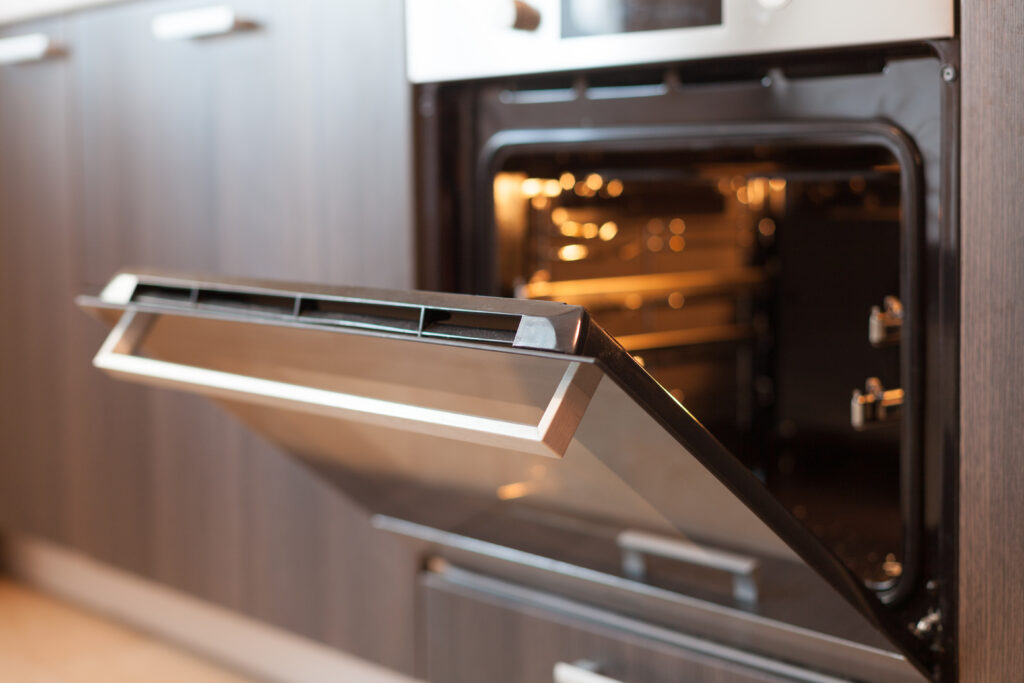
If you have ever squinted through a greasy oven door trying to figure out whether your roast is actually done or just looks done, you already understand the value of a good oven light. The LED oven light is an upgrade from the traditional incandescent bulb that most ovens have shipped with for decades. It is a small component, easy to overlook, but it plays a surprisingly meaningful role in how you interact with your appliance every single day. LED technology has made its way into nearly every corner of the modern home, and the oven is no exception. Understanding what this upgrade means, how it works, and what to watch out for can help you make smarter decisions about your appliances and the coverage protecting them.
How LED Oven Lights Work Compared to Traditional Bulbs
Traditional oven lights rely on incandescent technology, which generates light by heating a metal filament until it glows. It works, but it is not efficient, and the bulbs are not particularly durable under repeated heat exposure. LED, which stands for light-emitting diode, works differently. It passes electrical current through a semiconductor material, which then emits light directly. The process produces very little heat relative to the amount of light generated. In an oven environment, this matters because the bulb already has to withstand high ambient temperatures. A bulb that generates less of its own heat is under less cumulative stress, which translates to a longer lifespan. Most LED oven bulbs are also sealed or specially rated to handle the temperature ranges that a standard kitchen oven reaches during normal use.
The Key Advantages of LED Oven Lights for Homeowners
The benefits of LED oven lights extend beyond just better brightness, and it is worth walking through them clearly so homeowners can weigh the value properly.
- Longer lifespan: LED bulbs can last significantly longer than incandescent alternatives, sometimes up to 25 times longer under comparable conditions.
- Energy efficiency: LEDs consume a fraction of the electricity that incandescent bulbs require, which adds up over years of use.
- Brighter, cleaner light: LED produces a crisper, more consistent light output, which makes it easier to monitor food without opening the oven door.
- Reduced heat output: Because LEDs run cooler, they place less additional thermal stress on the oven cavity and surrounding components.
- Less frequent replacements: Fewer bulb changes mean less time fumbling with a hot oven interior and fewer instances of accidentally damaging the fixture or socket.
These advantages make LED oven lights a practical and genuinely worthwhile feature, whether your oven came with one installed or you are considering a retrofit upgrade.

Common Drawbacks and Limitations to Know Before You Commit
LED oven lights are not without their complications. The first thing to understand is that not every LED bulb is rated for oven use. A standard LED bulb from a hardware store will not survive the temperature range inside an active oven, and attempting to use one is a safety hazard. You need a bulb specifically rated for high-heat appliance use, which narrows your options and typically raises the cost. Beyond that, some older oven models are not designed with LED compatibility in mind, meaning the socket or the fixture may not interface correctly with newer LED formats. Replacement bulbs for specific oven models can also be difficult to source, particularly for appliances that are several years old or are manufactured by brands with limited parts availability in certain regions. These are solvable problems, but they require attention.
How to Tell If Your Oven Has an LED Light or an Incandescent Bulb
The easiest way to determine what type of bulb your oven uses is to check the owner’s manual or the appliance’s product specifications online using the model number, which is typically located on a label inside the oven door frame. If you no longer have the manual, searching the model number alongside the word “specifications” usually pulls up the relevant documentation. Visually, LED bulbs in ovens often have a slightly different profile than incandescent bulbs, and the light they emit tends to appear whiter and more uniform. Incandescent oven bulbs typically emit a warmer, yellowish glow. If you are still unsure, a licensed appliance technician can confirm the bulb type quickly during a routine service visit.
Replacing an LED Oven Bulb Safely at Home
Replacing an oven light bulb is a task most homeowners can handle, but it requires a few straightforward precautions. Always disconnect power to the oven before attempting any bulb replacement, either by unplugging the unit or switching off the corresponding circuit breaker. Allow the oven to cool completely if it has been in use recently. The bulb cover, usually a glass dome or protective shield inside the oven cavity, may require a quarter turn or a gentle twist to remove. Once you have the cover off, the bulb itself typically unscrews or pulls out depending on the socket type. When installing the replacement, confirm that the new bulb is rated for the appropriate temperature range and matches the wattage specification listed in your owner’s manual. Forcing an incompatible bulb into the socket can damage the fixture and create a larger repair issue.
When an Oven Light Problem Points to Something Bigger
Most of the time, a non-functioning oven light is exactly what it appears to be: a burned-out bulb. But occasionally, the issue runs deeper. If a new, properly rated bulb fails to illuminate after installation, the problem may lie with the light socket, the wiring connecting it, or the oven’s control board. These are no longer simple DIY fixes. Electrical issues inside an oven can be genuinely dangerous to diagnose without proper training, and they often require a certified appliance repair technician to assess safely. If the oven is also exhibiting other symptoms, like uneven heating, unusual smells, or error codes on the display panel, addressing all of those concerns together during a single service call is the more efficient and cost-effective approach.
LED Oven Lights and Home Warranty Coverage: What to Expect
Home warranties are designed to help homeowners manage the cost of unexpected appliance and system failures, and ovens are commonly included components in most standard plans. That said, coverage specifics vary. A home warranty will typically cover mechanical and electrical failures that affect an oven’s core functionality. Whether a failed oven light socket or associated wiring falls within coverage depends on how the failure is classified and how the plan defines covered components. A burned-out bulb on its own is generally considered a maintenance item and would not be covered, but a failed socket or wiring issue that prevents the light from functioning is more likely to fall within the scope of a covered repair. Reading your home warranty contract carefully and asking your provider direct questions about appliance component coverage is always the right move.
Why Armadillo Is the Right Home Warranty Partner for Appliance Owners
When something in your oven stops working, whether it is the light, the heating element, or a control board showing signs of failure, the last thing you want is to navigate the repair process alone while wondering what it is going to cost. Armadillo home warranty coverage for kitchen appliances and home systems is built around exactly that kind of peace of mind. Armadillo offers straightforward plans with transparent terms, so you are not guessing about what is covered when a repair situation actually arrives. If you are ready to protect your home’s appliances from unexpected repair costs, get a free home warranty quote for your oven and major appliances today and find out how simple coverage can be. Appliances work hard every day, and having a reliable warranty partner behind you makes the inevitable repair moments a lot less stressful.

Frequently Asked Questions About LED Oven Lights
Answers to the most common questions homeowners have about LED oven lights, replacement, compatibility, and coverage.
Can I use a regular LED bulb in my oven?
No. Standard LED bulbs are not rated for the high temperatures inside an oven and will fail quickly or pose a safety risk. You must use a bulb specifically rated for appliance or high-heat use, with a temperature tolerance that matches your oven’s operating range.
How long does an LED oven light bulb last?
Under normal use conditions, an LED oven bulb rated for appliance use can last significantly longer than a traditional incandescent bulb, often several years before needing replacement. Actual lifespan depends on usage frequency and the specific bulb’s quality rating.
Why is my oven light not working even after I replaced the bulb?
If a new, properly rated bulb still does not illuminate, the issue is likely with the light socket, the wiring connected to it, or the oven’s control board. These types of failures require professional diagnosis and should not be self-repaired without proper training.
Are LED oven lights covered under a home warranty?
A burned-out bulb is typically considered a routine maintenance item and is not covered. However, if the light socket or associated wiring has failed, that may qualify as a covered electrical component repair under many home warranty plans, depending on the specific contract terms.
What wattage LED bulb does my oven need?
The required wattage is specified in your oven’s owner’s manual or on the appliance’s specification label, usually located inside the door frame. Always match the replacement bulb to the manufacturer’s specified wattage to avoid damaging the fixture.
How do I safely replace an LED oven bulb?
Disconnect power to the oven and allow it to cool completely before starting. Remove the glass bulb cover inside the oven cavity, replace the bulb with a properly rated equivalent, reinstall the cover, and restore power. If the socket shows damage or the bulb still does not work, contact a qualified technician.
Do all ovens have an interior light?
Most modern residential ovens include an interior light as a standard feature, but some basic or older models may not. If your oven does not currently have a light, retrofitting one typically requires professional installation depending on the model’s design.
Is an LED oven light brighter than an incandescent oven light?
Generally, yes. LED technology produces a crisper, whiter light output compared to the warmer, dimmer glow of incandescent bulbs, making it easier to monitor food through the oven door without opening it and releasing heat.
Can a faulty oven light affect oven performance?
The light itself does not affect cooking performance. However, if the failure is linked to an underlying electrical issue, such as a wiring fault or control board problem, those components can influence other oven functions and should be evaluated by a professional.
Where can I find the right replacement LED bulb for my specific oven model?
The best starting point is your oven’s owner’s manual, which lists the bulb specifications. From there, appliance parts retailers and the manufacturer’s official parts website are reliable sources. Searching your oven’s model number alongside the term “replacement light bulb” will typically surface compatible options quickly.