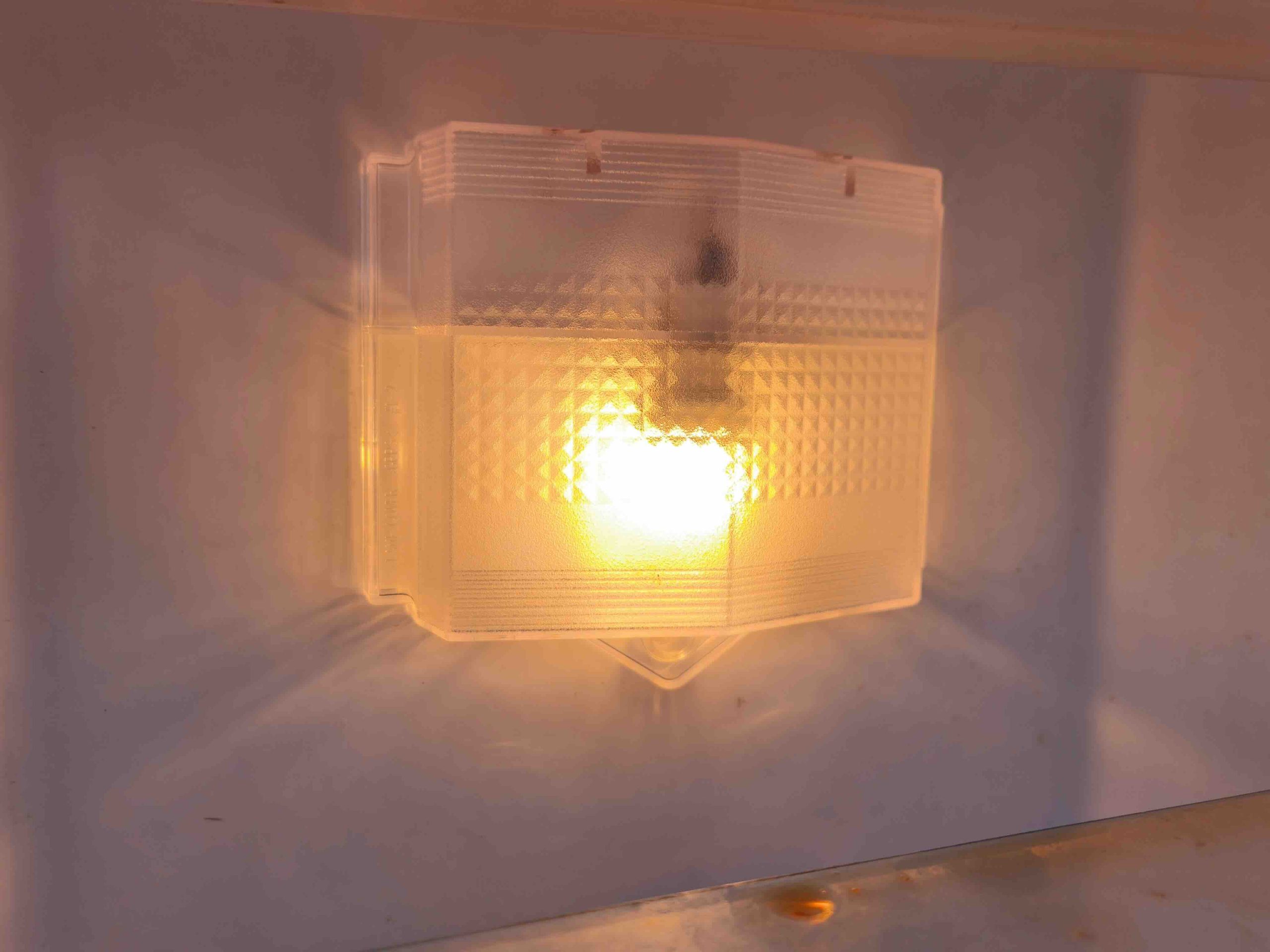
What Are LED Refrigerator Bulbs and Why Should You Care?
Most homeowners never think twice about the light inside their refrigerator. You open the door, the light comes on, you grab what you need, and you move on. But that small bulb tucked inside your fridge actually plays a more meaningful role than you might expect. It affects how well you can see your food, how much energy your appliance consumes, and even how long your refrigerator lasts. LED refrigerator bulbs have quietly become the preferred lighting solution in modern refrigerators, and for good reason. Understanding what they are and how they work can help you make smarter decisions about your appliance, your energy bill, and your home overall.
How LED Refrigerator Bulbs Actually Work
LED stands for light-emitting diode. Unlike traditional incandescent bulbs, which generate light by heating a filament until it glows, LED bulbs produce light through a semiconductor process that converts electrical energy directly into visible light. This process generates very little heat, which turns out to be a significant advantage when the bulb is operating inside a cold, enclosed space. In a refrigerator, excess heat from the lighting can actually interfere with the appliance’s ability to maintain consistent internal temperatures. LEDs sidestep that problem almost entirely. They emit a clean, bright light using a fraction of the energy that older bulb types require, and they are specifically engineered to function reliably in cold environments where traditional bulbs sometimes struggle or fail prematurely.
The Key Advantages of LED Lighting in Refrigerators
There is a reason appliance manufacturers have largely moved away from incandescent and fluorescent options. LED refrigerator bulbs bring several meaningful benefits to the table, and they add up quickly over the lifetime of the appliance.
- Energy efficiency: LED bulbs use up to 75 percent less energy than incandescent bulbs, which translates directly into lower electricity costs over time.
- Longer lifespan: A quality LED bulb can last 25,000 hours or more, compared to roughly 1,000 hours for a standard incandescent bulb.
- Low heat output: Because LEDs produce minimal heat, your refrigerator does not have to work as hard to maintain its set temperature.
- Better visibility: LEDs typically provide brighter, more even illumination inside the refrigerator compartment, making it easier to find items quickly.
- Cold-weather performance: LEDs are engineered to function reliably in low temperatures, whereas some other bulb types dim or take time to warm up in cold conditions.
Common Drawbacks Worth Knowing About
No technology is without its limitations, and LED refrigerator bulbs are no exception. The upfront cost of an LED replacement bulb is higher than that of a standard incandescent option. If you are replacing a failed bulb in an older refrigerator, that price difference might feel a bit steep at first glance. Additionally, not all LED bulbs are compatible with all refrigerator models. Some older units use proprietary sockets or require specific voltage ratings, meaning you cannot always grab the first LED option you see and expect it to work. There is also the matter of color temperature. LEDs come in a range of tones from warm white to cool white, and the wrong choice can make the interior of your refrigerator look slightly off. None of these are deal-breakers by any means, but they are worth factoring in before you head to the store or place an order online.

How to Choose the Right LED Bulb for Your Refrigerator
Choosing the correct replacement LED bulb for your refrigerator starts with checking your owner’s manual or the label typically found inside the fridge compartment near the existing bulb socket. You want to match the wattage equivalent, base type, and voltage requirements exactly. Most refrigerators use an appliance-rated LED bulb, which is different from a standard household LED. Appliance-rated bulbs are built to withstand vibration, humidity, and cold temperatures. Look for bulbs specifically labeled for appliance or refrigerator use to ensure longevity and safe operation. When in doubt, contact the manufacturer or reference the model number of your refrigerator to pull up the correct specifications. Getting this right the first time saves you from making multiple return trips to the hardware store.
Installing an LED Refrigerator Bulb the Right Way
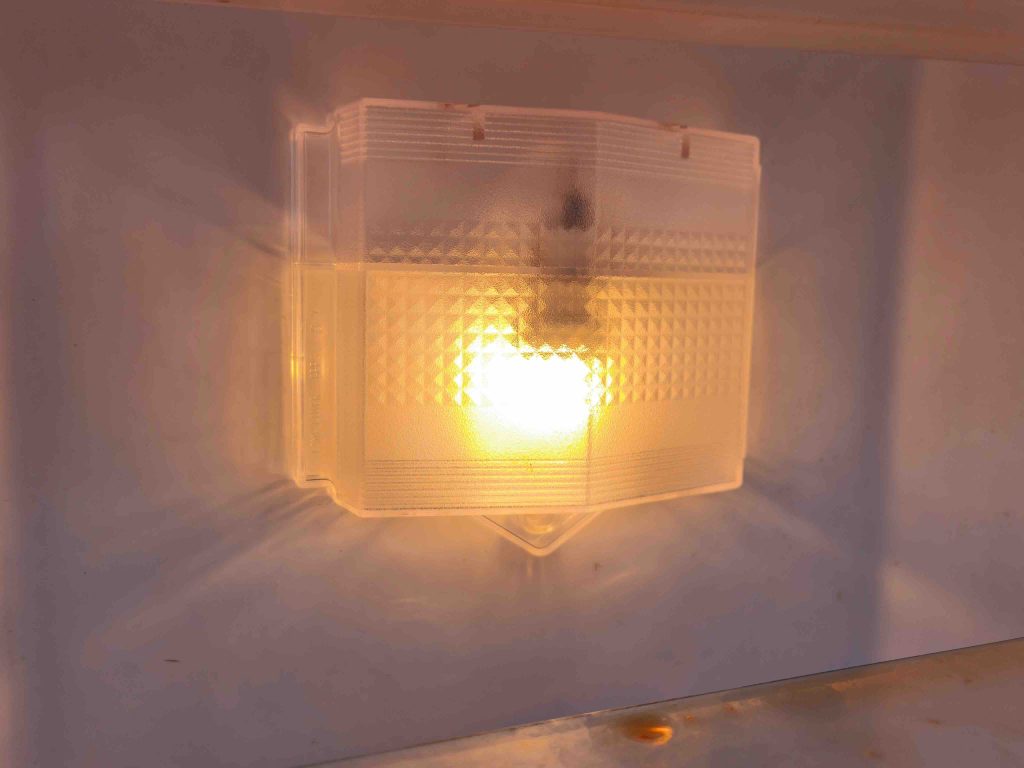
The installation process for an LED refrigerator bulb is straightforward, but a few precautions make the job cleaner and safer. Start by unplugging the refrigerator or switching off the circuit breaker that powers it. Locate the bulb housing, which is usually behind a plastic cover inside the refrigerator compartment. Gently remove the cover, unscrew or unplug the existing bulb, and insert the new LED replacement. Make sure it is seated securely before replacing the cover. Once everything is back in place, restore power and confirm the light functions correctly. The whole process typically takes less than ten minutes, and you should not need any special tools.
LED Refrigerator Bulbs and Their Impact on Energy Costs
The refrigerator is one of the most energy-intensive appliances in your home because it runs continuously, every hour of every day. While the light inside your refrigerator only activates when the door is open, the cumulative effect of inefficient bulbs still adds up over time, particularly in households where the fridge is accessed frequently throughout the day. Switching to an LED bulb reduces the energy draw during those moments of use and also reduces the heat load inside the compartment, which means the compressor does not have to cycle on as often to compensate. It is a small change that contributes to a measurably more efficient appliance overall. Over the course of several years, these savings can offset the slightly higher cost of the LED bulb itself several times over.
Signs Your Refrigerator Bulb Needs Replacing
It sounds obvious, but the clearest sign that your refrigerator bulb needs replacing is that the light simply does not come on when you open the door. Beyond the obvious failure, there are a few subtler indicators worth watching for. Flickering or dimming light can signal that the bulb is nearing the end of its lifespan or that there is a connection issue in the socket. A bulb that gets warm to the touch inside a refrigerator is likely an older incandescent type that should be upgraded. If your refrigerator seems to be running more frequently than usual or struggling to maintain temperature, a malfunctioning or improperly rated bulb generating excess heat could be a contributing factor, though that situation is relatively uncommon. Replacing a bulb proactively, rather than waiting for total failure, helps you avoid being caught off guard.
When the Problem Goes Beyond the Bulb
Sometimes what looks like a simple bulb issue is actually a sign of a deeper electrical or mechanical problem within the refrigerator. A bulb that burns out repeatedly in a short period could indicate a voltage irregularity or a faulty socket. If the light fails to function even after a confirmed good bulb replacement, the issue may lie with the door switch, the wiring, or the appliance’s control board. These are the moments when a straightforward home maintenance task turns into a more involved repair. Refrigerators are complex appliances, and when internal components fail, professional repair can get expensive quickly. This is where having a home warranty becomes genuinely valuable. It provides a financial safety net for the kinds of refrigerator repairs that go well beyond swapping out a light bulb.
Why Armadillo Is the Right Partner for Your Home Appliances
Staying on top of small things like LED refrigerator bulbs is a smart habit, but even the most attentive homeowners eventually face repairs they did not see coming. A refrigerator compressor failure, a malfunctioning thermostat, or an electrical issue inside the appliance can turn into a significant out-of-pocket expense without warning. That is exactly the kind of situation a home warranty is built for. Armadillo home warranty coverage for refrigerators and major appliances gives homeowners a straightforward, transparent layer of protection against the unexpected costs of appliance breakdowns. No confusing fine print, no runaround when you need service most. If you want to take control of what your home protection actually looks like, you can get a personalized home warranty quote for refrigerator and appliance coverage in just a few minutes. Armadillo makes it simple to know exactly what you are covered for before something goes wrong, which is always the best time to find out.

Frequently Asked Questions About LED Refrigerator Bulbs
Can I use a regular LED bulb in my refrigerator?
It is not recommended. Standard LED bulbs are not always rated for the cold temperatures, vibration, or moisture levels inside a refrigerator. You should use a bulb specifically labeled as appliance-rated or refrigerator-safe to ensure reliable performance and safe operation.
How long do LED refrigerator bulbs last?
Most quality LED refrigerator bulbs are rated for 15,000 to 25,000 hours of use. In practical terms, this means you could go many years before needing a replacement, depending on how often the refrigerator door is opened.
Are LED refrigerator bulbs energy efficient?
Yes. LED bulbs use significantly less energy than incandescent alternatives, often up to 75 percent less. Over the lifespan of the bulb, this reduction in energy use results in measurable savings on your electricity bill.
What wattage LED bulb should I use in my refrigerator?
The correct wattage depends on your specific refrigerator model. Check the owner’s manual or the label inside the bulb housing for the recommended wattage. Using a bulb with a higher wattage than specified can create excess heat and potentially damage the appliance.
Why does my refrigerator light keep burning out?
Frequent bulb burnout can indicate a voltage irregularity, a faulty door switch, or a damaged socket. If replacing the bulb does not resolve the issue, it is worth having the appliance inspected by a qualified technician to rule out a deeper electrical problem.
Do LED bulbs work well in cold environments like a refrigerator?
Yes. LEDs are actually better suited for cold environments than incandescent or fluorescent bulbs. Cold temperatures do not diminish LED performance and can even slightly extend bulb life, making them an ideal choice for refrigerator use.
Is a flickering refrigerator light a serious problem?
Flickering can signal that the bulb is failing, that the socket connection is loose, or that the door switch is malfunctioning. It is worth addressing promptly, especially if the flickering continues after replacing the bulb, as it may indicate a wiring or switch issue.
How do I know which LED bulb is compatible with my refrigerator?
Check your refrigerator’s owner’s manual or look for a specification label inside the appliance near the bulb housing. You can also search your refrigerator’s model number online to find the manufacturer’s recommended bulb replacement.
Can a faulty refrigerator bulb affect the appliance’s temperature?
In most cases, the impact is minimal. However, an incorrectly rated bulb that generates significant heat could force the refrigerator to work harder to maintain its set temperature. Using the correct appliance-rated LED bulb eliminates this concern almost entirely.
Does a home warranty cover refrigerator lighting issues?
Coverage varies by provider and plan. Some home warranties cover refrigerator electrical components, which may include wiring or switch failures related to interior lighting. It is important to review your specific plan terms or speak with your warranty provider to understand what is and is not included.