When Your Main Power Breaker Keeps Tripping: What Every Homeowner Needs to Know
There is something unsettling about losing power in your home, especially when it keeps happening over and over again. You reset the breaker, the lights come back on, and then — it trips again. If your main power breaker keeps tripping, that is not just an inconvenience. It is your electrical system trying to tell you something important. Understanding what is happening, why it matters, and what you can do about it is the kind of knowledge that genuinely protects your home and your family.
What Is a Main Power Breaker and What Does It Actually Do
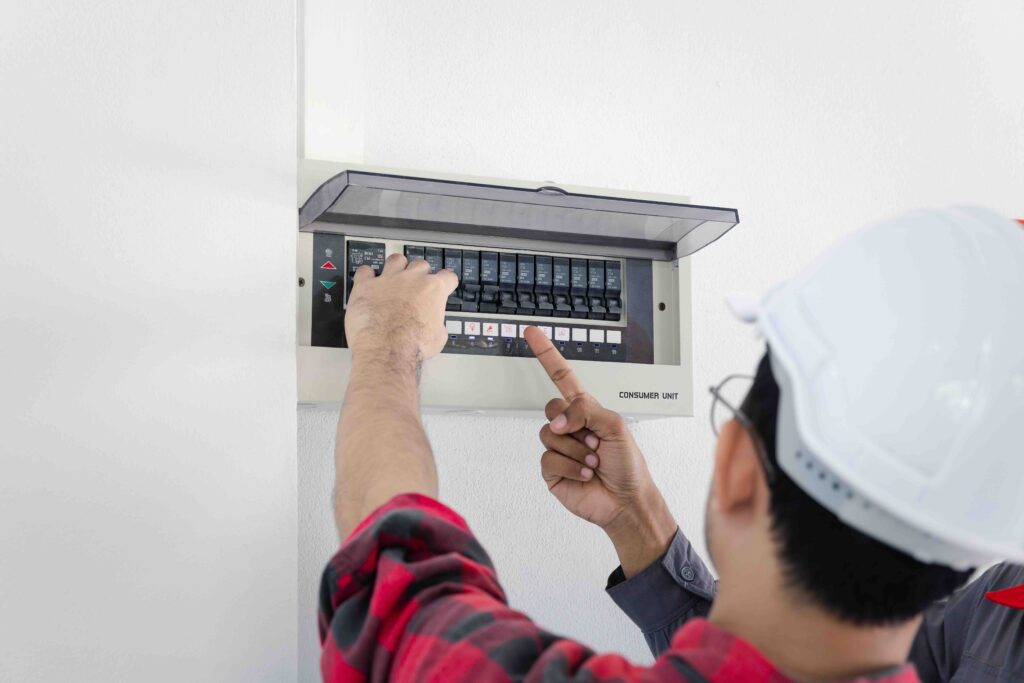
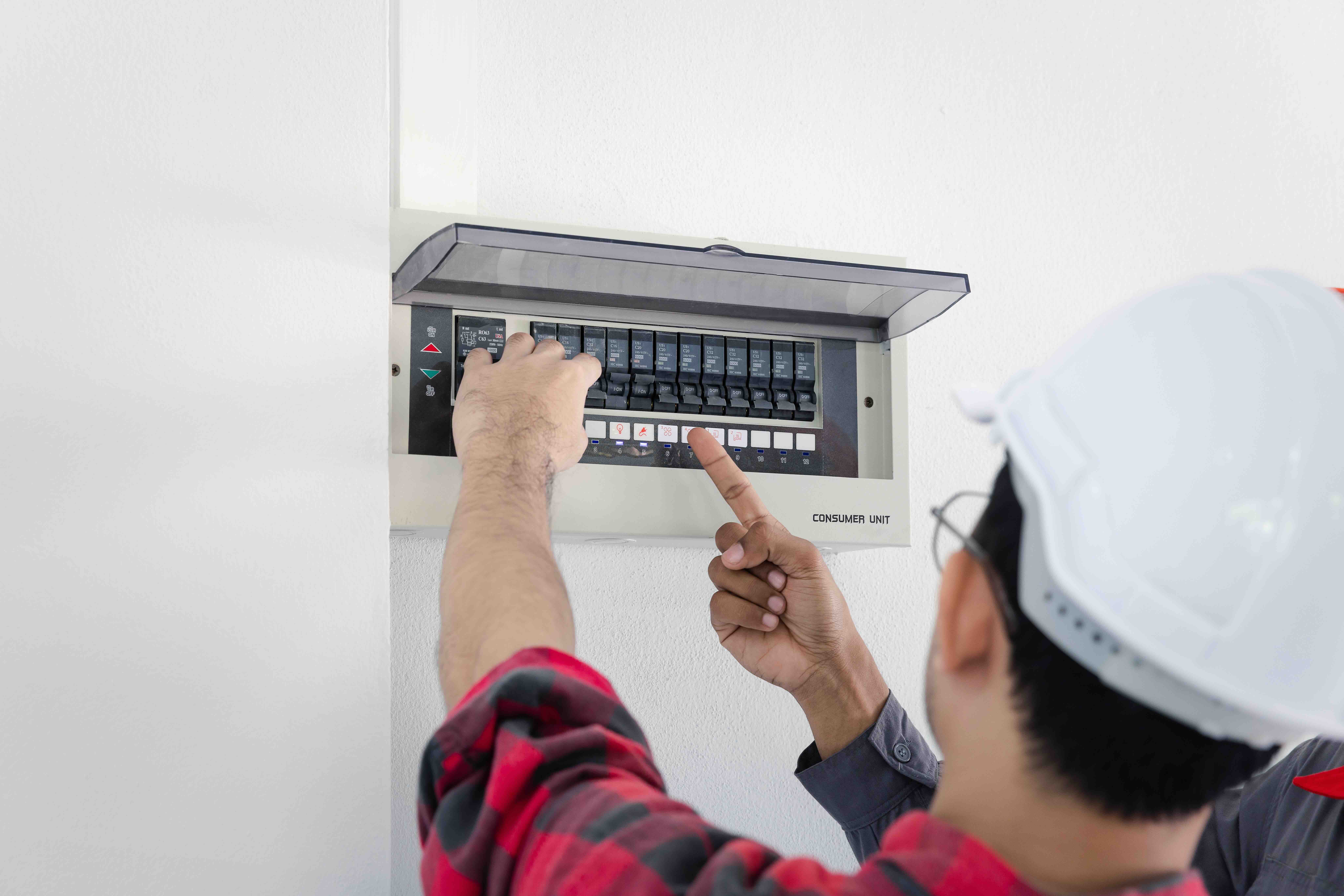
The main breaker is the large switch at the top of your electrical panel — also called the breaker box or load center — and it controls the flow of electricity into your entire home. Every circuit in your house runs through this panel, and the main breaker acts as the gatekeeper. When it detects a fault, an overload, or a dangerous surge, it cuts power automatically. That is not a malfunction. That is the system doing exactly what it was designed to do. The problem is when it keeps doing it repeatedly, because that points to an underlying issue that is not going away on its own.
The Most Common Reasons a Main Breaker Trips
There is rarely one single reason a main breaker trips — and honestly, that is what makes diagnosing it a bit tricky. The most frequent causes include circuit overloads, short circuits, ground faults, and a breaker that has simply worn out over time. An overload happens when too many appliances or devices pull more electricity than the circuit is rated to handle. A short circuit occurs when a hot wire comes into contact with a neutral wire, creating a sudden spike in current. Ground faults are similar but involve a hot wire touching a ground wire or a grounded surface. And then there are aging breakers — components that have tripped so many times they no longer reset reliably. Each of these scenarios has its own solution, which is why identifying the cause matters before taking any action.

What Grounding Has to Do With Your Electrical System
Grounding is one of those electrical concepts that sounds technical but is actually straightforward once you understand the purpose. A grounded electrical system provides a safe path for excess electricity to travel into the earth rather than through your home, your appliances, or you. Every modern home is required to have a properly grounded electrical system. When a home is not correctly grounded — or when the grounding path is compromised — it creates a serious safety risk. Ground faults can cause shocks, fires, and persistent breaker trips. If your main breaker keeps tripping and you also notice tingling sensations when touching appliances or outlets that feel warm, grounding could absolutely be part of the problem.
Warning Signs You Should Not Ignore
A tripping breaker is already a warning sign, but there are other signals that should prompt a faster response. Pay attention to these indicators that your electrical system needs professional evaluation:
- The main breaker trips immediately after being reset
- You notice a burning smell near the panel or any outlet
- Lights flicker or dim when large appliances cycle on
- The breaker panel feels warm or hot to the touch
- You hear buzzing, crackling, or popping sounds from the panel
- Outlets or switches have scorch marks or discoloration
Any one of these symptoms on its own warrants attention. More than one at the same time means you should call a licensed electrician promptly and avoid resetting the breaker until the system has been inspected.
Can You Troubleshoot This Yourself
There is a limited amount of safe, practical troubleshooting a homeowner can do before this becomes a job for a licensed electrician. You can unplug appliances and devices throughout the home, then attempt to reset the breaker to see if it holds. If it does, you can begin plugging things back in one at a time to identify what is causing the overload. You can also check whether the trip is isolated to a specific time of day — like when the HVAC kicks on or when multiple large kitchen appliances run simultaneously. What you should not do is open the electrical panel yourself, attempt to replace the breaker without proper training, or repeatedly force a breaker to reset when it will not stay on. These actions can cause serious injury and may create conditions for an electrical fire.
When to Call a Licensed Electrician
The moment the troubleshooting steps described above do not yield a clear answer, it is time to call a licensed electrician. This is especially true if the main breaker trips without any obvious overload, if you suspect a short circuit or ground fault, or if the panel itself is old. Electrical panels typically have a lifespan of 25 to 40 years, and older panels — particularly brands with known safety histories — may need to be replaced entirely. An electrician can perform a load calculation, inspect your wiring, test the breaker itself, and give you an accurate assessment of what is going on. This is not an area where guesswork is acceptable.
The Cost of Electrical Repairs and What to Expect
Electrical repair costs vary significantly depending on what is wrong. Replacing a single breaker might run between 150 and 300 dollars when you factor in parts and labor. A full panel replacement can cost anywhere from 1,500 to over 4,000 dollars depending on the size of the panel, local permit requirements, and labor rates in your area. Rewiring issues or ground fault repairs can add to that depending on the scope of the problem. These are not small expenses, and they tend to arrive without much warning — which is exactly the kind of situation a home warranty is built for.
How a Home Warranty Helps When Electrical Issues Strike
A home warranty is a service contract that covers the cost of repairing or replacing key home systems and appliances when they break down due to normal wear and tear. Electrical systems — including wiring, panels, and breakers — are often covered under comprehensive home warranty plans. That means when your main breaker fails or your panel needs attention, you are not writing a large unexpected check to an electrician. Instead, you file a claim, pay a service fee, and a qualified technician handles the rest. For homeowners who want predictability in their repair budgets, this kind of coverage is genuinely valuable. It does not replace preventive maintenance, but it absolutely cushions the financial impact of the repairs that happen anyway.
Why Armadillo Is the Right Partner for Electrical System Coverage
When your main breaker keeps tripping and the repair estimate arrives, the last thing you want is to navigate a complicated claims process or discover that your coverage has more exclusions than protections. That is where Armadillo home warranty plans for electrical systems and key home systems stand apart from the rest. Armadillo was built with homeowners in mind — transparent coverage, straightforward claims, and none of the fine-print surprises that have given the home warranty industry a complicated reputation. Whether you are dealing with a worn-out breaker, a grounding issue, or an aging electrical panel, having the right protection in place before something goes wrong is the smart move. Take a few minutes to get a free home warranty quote that covers electrical system breakdowns and see exactly what protection looks like for your home and your budget.

Frequently Asked Questions About a Tripping Main Breaker
Homeowners dealing with a tripping main breaker often have the same pressing questions. Here are clear answers to the ones that come up most often.
Why does my main breaker keep tripping even when nothing is plugged in?
If your main breaker trips with minimal or no load on the circuits, the breaker itself may be faulty or worn out. It could also indicate a wiring problem or a ground fault somewhere in your system that requires professional diagnosis.
Is it safe to keep resetting a tripping main breaker?
Resetting a tripping breaker once to assess the situation is reasonable. Repeatedly resetting it without identifying the cause is not safe. Persistent tripping signals an underlying problem that needs to be resolved, not bypassed.
How do I know if my home has a grounding problem?
Signs of a grounding issue include receiving mild shocks from appliances, outlets that feel warm, frequent ground fault circuit interrupter trips, and a breaker that trips without an obvious overload. An electrician can test your grounding system directly.
Can a faulty appliance cause the main breaker to trip?
Yes. A malfunctioning appliance with damaged internal wiring can create a short circuit or ground fault that triggers the main breaker. Unplugging appliances one at a time can help identify whether a specific device is causing the issue.
How long do main breakers typically last?
Main breakers can last 25 to 40 years under normal conditions, but they degrade with repeated trips, heat exposure, and age. If your panel is older than 20 years and the breaker trips frequently, having it inspected for replacement is a reasonable precaution.
Does a home warranty cover main breaker repairs or replacement?
Many comprehensive home warranty plans cover electrical system components including breakers and panels, provided the failure is due to normal wear and tear. Coverage specifics vary by provider and plan, so reviewing your contract details is essential.
What is the difference between a circuit breaker tripping and the main breaker tripping?
A circuit breaker controls a single circuit in your home. The main breaker controls the entire electrical load coming into the house. When the main breaker trips, all power to the home is cut. A tripping main breaker typically indicates a more significant issue than a single circuit trip.
Should I upgrade my electrical panel if my main breaker keeps tripping?
If your panel is outdated, undersized for your current electrical demand, or the breaker itself is damaged, an upgrade may be the most practical long-term solution. An electrician can assess whether repair or full replacement is the right course of action.
Can weather or temperature affect whether a main breaker trips?
Extreme heat can cause breakers to trip at lower loads than usual because heat reduces a breaker’s capacity to carry current. If your panel is located in a hot garage or utility space, temperature management in that area can make a difference.
How much does it cost to replace a main breaker?
Replacing the main breaker alone typically costs between 150 and 300 dollars including parts and labor. If the panel needs a full replacement, costs can range from 1,500 to over 4,000 dollars depending on panel size, local permits, and labor rates in your region.