What Is a Main Vent and Why Does It Matter in Your Home?
There are parts of your home you never think about until something goes wrong. The main vent — sometimes called the main stack vent or plumbing vent stack — is absolutely one of those things. It sits on your roof, it does its job quietly, and most homeowners have no idea it exists until a drain starts gurgling or a faint sewer smell drifts through the bathroom. That moment of realization is never fun. So let’s get ahead of it.
Understanding the Main Vent: The Basics You Should Know
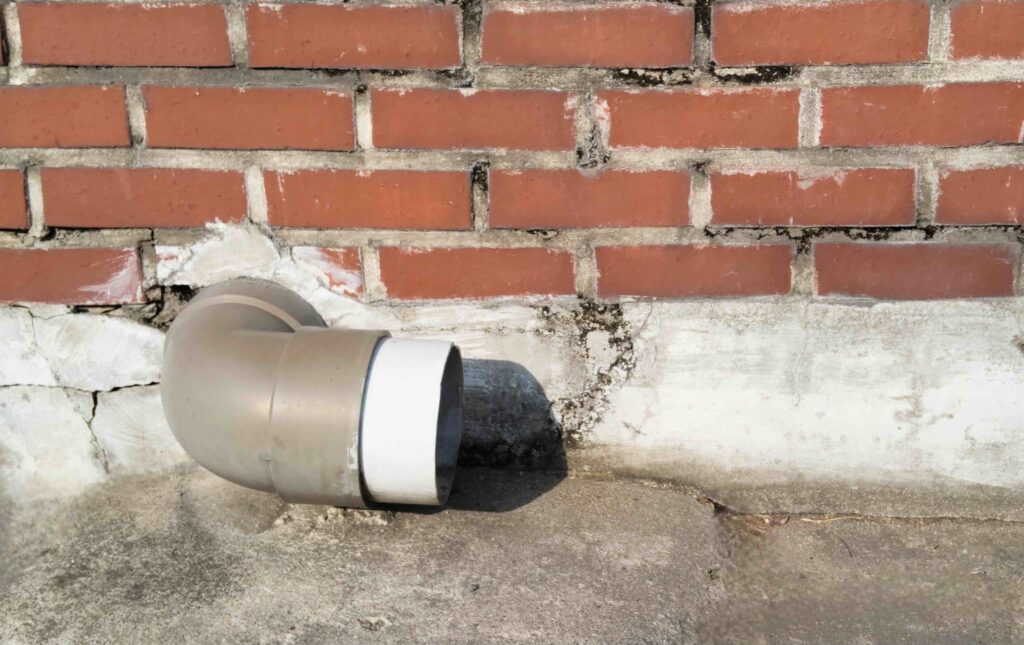
The main vent is a vertical pipe that runs from your home’s drain-waste-vent system up through the roof. Its job is to regulate air pressure in your plumbing system while simultaneously allowing sewer gases to safely escape the home. Think of it like this: when water drains, it needs air behind it to flow correctly. Without proper venting, you get slow drains, gurgling sounds, and in some cases, sewer gas being pushed back into your living space. The main vent is the pressure valve that keeps all of that from happening. It connects to the main drain line and typically serves the most heavily used plumbing fixtures in the house — toilets, tubs, and the kitchen sink are almost always tied into it.
How the Main Vent Works Inside Your Plumbing System
Your plumbing system is actually two systems operating together: the drain system that moves wastewater out, and the vent system that manages airflow. The main vent is the backbone of that second system. When you flush a toilet or drain a sink, water rushes down the pipe and displaces air. Without venting, that displaced air creates negative pressure — essentially a vacuum — that slows drainage and can even siphon water out of your P-traps. Those P-traps are the curved sections of pipe under sinks that hold water as a barrier against sewer gases. If the main vent is blocked or functioning poorly, those traps can get compromised, and that barrier disappears. The vent pipe draws fresh air from outside, maintains neutral pressure throughout the drain lines, and channels hazardous gases like methane and hydrogen sulfide up and out through the roof rather than into your home.
Key Advantages of a Properly Functioning Main Vent
When the main vent is doing its job, you rarely notice it. That invisibility is actually the goal. Here are the real benefits a functioning main vent delivers every single day in your home:
- Consistent, fast drainage from every plumbing fixture in the home
- Protection against sewer gas infiltration, which can pose serious health risks
- Prevention of P-trap siphoning that would otherwise allow odors to enter living spaces
- Reduced risk of pipe corrosion caused by trapped gases and moisture imbalances
- Extended life for drain lines due to proper pressure management throughout the system
The plumbing in your home is interconnected in ways that aren’t obvious at first glance. A well-functioning main vent protects that entire web of pipes by keeping air pressure balanced and gases moving in the right direction.
Common Problems That Affect the Main Vent
This is where things get interesting — or frustrating, depending on your perspective. The main vent is exposed to outdoor elements at the roofline, which means it can develop problems over time. Debris is the most common culprit. Leaves, bird nests, and even small animals can partially or fully block the vent opening. Ice can also form over the vent opening in cold climates, causing a temporary but disruptive blockage. Inside the pipe itself, grease buildup and mineral deposits from hard water can narrow the passage over time. A cracked or corroded vent pipe — especially in older homes with galvanized or cast iron plumbing — can allow gases to leak into wall cavities before they ever reach the roofline. Any of these issues can produce the same family of symptoms: sluggish drains, bubbling or gurgling sounds after flushing, and the occasional sewage smell that seems to come from nowhere.
Warning Signs Your Main Vent May Be Blocked or Damaged
Catching vent problems early can save you from a much bigger repair bill down the road. Here are the signs worth paying attention to:
- Slow drains throughout the house, not just in one fixture
- Gurgling or bubbling sounds coming from drains after water is used nearby
- Sewage or rotten egg smell near drains, especially in bathrooms
- Toilet water level fluctuating without any flushing occurring
- Water backing up in sinks when the washing machine drains
If you notice one of these signs occasionally, it may be a minor issue. If you notice multiple signs consistently, the main vent deserves a closer look from a licensed plumber.

Maintenance Tips to Keep Your Main Vent in Good Shape
Routine maintenance on a main vent is not complicated, but it does require a bit of attention on a seasonal basis. Inspecting the vent opening at the roofline at least twice a year is a reasonable starting point — once in the fall before leaves accumulate and once in early spring. A plumber can snake a camera through the vent stack to check for internal buildup or cracking without any invasive work. Installing a vent cap or screen can help keep debris and animals from entering the pipe, though any screen must be sized appropriately to avoid restricting airflow or icing over in winter. If your home uses older metal vent piping, periodic inspection for rust and corrosion is genuinely worth the time. Many issues that become expensive repairs started as minor corrosion caught too late.
When to Call a Professional Plumber
Some things fall squarely in the professional category, and main vent issues are often one of them. Accessing the vent opening typically means getting on the roof, which carries obvious safety considerations. Beyond access, diagnosing the source of a vent problem often requires specialized equipment — drain cameras, pressure testing tools, and the experience to interpret what those tools reveal. If you have persistent drain problems that do not resolve after clearing the individual drains, if the sewage smell is consistent rather than occasional, or if you see visible cracking or separation in exposed sections of the vent stack, a licensed plumber should assess the system. Attempting to clear a deep vent blockage without the right tools can push the obstruction deeper or damage the pipe lining in older systems.
How the Main Vent Connects to Your Home Warranty Coverage
Here is where homeowners often get surprised — in both good and bad ways. Home warranty plans vary significantly in how they handle plumbing coverage, and the main vent sits at an interesting intersection of plumbing and structural components. Most comprehensive home warranty plans include coverage for internal plumbing failures — leaks, breaks, and stoppages within the pipes themselves. However, blockages caused by external debris or issues originating at the roofline may fall into a different category depending on the plan. Understanding exactly what your home warranty covers within your plumbing system before a problem occurs is far more valuable than trying to sort it out after water is backing up in three different rooms. Reviewing your plan’s plumbing section and asking specific questions about vent stack coverage is a smart move for any homeowner.
Why Armadillo Has You Covered When Your Plumbing System Needs It Most
Plumbing problems have a way of arriving at the worst possible time, and when the main vent is involved, the symptoms can affect your entire home at once. That is precisely why having reliable home warranty coverage in place before something fails is not just convenient — it is genuinely smart homeownership. Armadillo home warranty plans for whole-home plumbing system protection are built with real homeowners in mind: straightforward coverage terms, no confusing loopholes, and a claims process that does not feel like a second job. If you have been putting off figuring out what your home is actually covered for, now is the right moment. get a free home warranty quote that covers your plumbing and more in just a few minutes and find out what a well-designed plan actually looks like.

Frequently Asked Questions About Home Main Vents
Answers to the questions homeowners ask most often about main vents, plumbing ventilation, and related coverage considerations.
What happens if my main vent is blocked?
A blocked main vent prevents proper air pressure regulation in your plumbing system, leading to slow drains, gurgling sounds from drain lines, and the potential for sewer gases to enter your home through compromised P-traps.
How do I know if my main vent is on the roof?
In most homes built after 1950, the main vent exits through the roof as a vertical pipe, typically located near the main bathroom or above the area where the main drain stack runs. A plumber can confirm its exact location if needed.
Can a clogged vent stack cause sewage smell inside the house?
Yes. When a vent stack is blocked, negative pressure in the drain lines can siphon water from P-traps, eliminating the water barrier that blocks sewer gases from entering living spaces.
How often should the main vent be inspected?
At minimum, a visual inspection of the vent opening at the roofline should happen twice a year. A professional inspection with a drain camera every few years is a worthwhile investment, especially in homes with older plumbing.
Is a gurgling toilet always a sign of a vent problem?
Not always, but it is one of the most common indicators. A single gurgling toilet could point to a localized blockage, while multiple gurgling fixtures throughout the home more strongly suggest a main vent or main drain issue.
Does a home warranty cover main vent repairs?
Coverage depends on the specific plan. Most home warranties cover internal plumbing failures and stoppages, but coverage for vent stack damage, blockages caused by external debris, or rooftop access may vary by provider. Reviewing your plan’s plumbing coverage details directly is the most reliable approach.
Can I clear a main vent blockage myself?
Minor debris at the vent opening can sometimes be cleared without professional help, but accessing the roof safely and clearing deeper blockages without the right tools carries real risk. A licensed plumber with a drain camera and snake is the safer and more effective option for anything beyond surface-level debris.
What causes a main vent to crack or corrode?
Age, material type, and prolonged exposure to moisture and sewer gases are the most common causes. Older galvanized steel and cast iron vent pipes are especially susceptible to corrosion over time, while PVC pipes in newer construction are more resistant but can crack under physical stress or extreme temperature changes.
How long does a main vent typically last?
The lifespan depends heavily on the pipe material. PVC vent pipes can last 50 years or more under normal conditions. Cast iron pipes typically last 50 to 100 years but require more monitoring for corrosion. Galvanized steel tends to have a shorter useful life, often 20 to 50 years depending on water quality and environmental conditions.
Does every home have a main vent?
Most homes built under modern plumbing codes have a main vent stack. Older homes may have non-standard or partially updated plumbing systems. If you are unsure whether your home has adequate venting, a licensed plumber can assess the system and identify any gaps in the existing configuration.