
What Is a Main Vent Stack and Why Does Your Home Depend on It?
There are systems in your home that you never think about until something goes wrong. The main vent stack is absolutely one of them. It is one of those behind-the-walls components that quietly keeps everything functioning the way it should, and most homeowners have no idea it even exists. But once it fails, you notice fast. Slow drains, gurgling pipes, sewer odors drifting through the house — these are the kinds of problems that send people searching for answers at inconvenient hours. Understanding what the main vent stack is, how it works, and what can go wrong with it puts you ahead of the curve in a meaningful way.
The Basic Definition: What Exactly Is a Main Vent Stack?
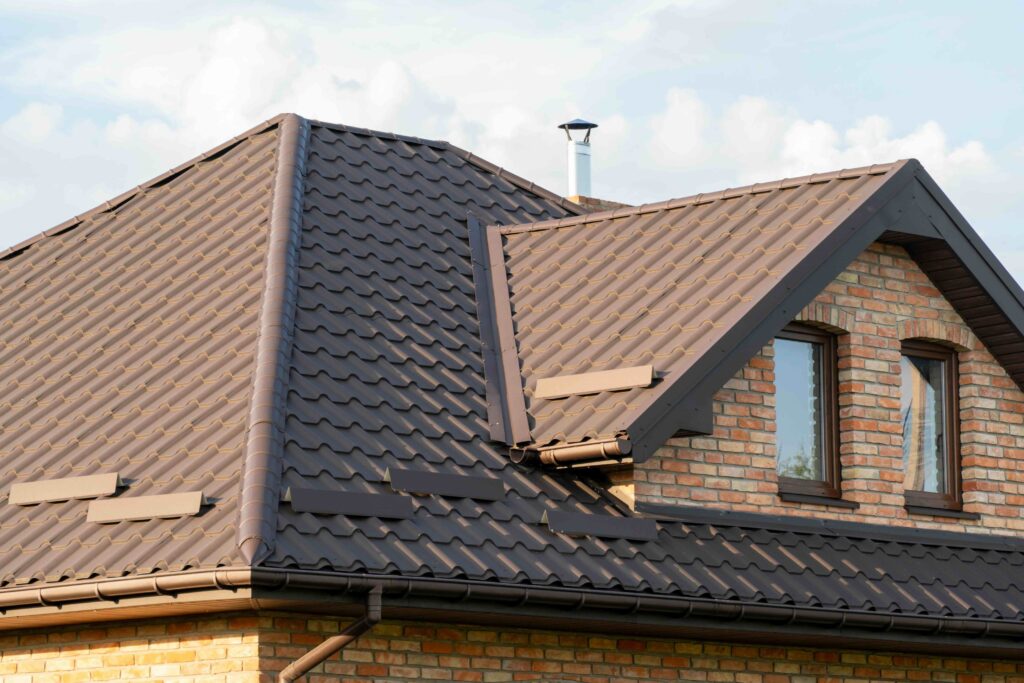
The main vent stack, sometimes called the soil stack or plumbing vent stack, is a vertical pipe that runs from your plumbing drainage system up through the roof of your home. It is the primary channel through which your entire drainage network breathes. Think of it as the lungs of your plumbing system. Without it, wastewater cannot flow freely, sewer gases cannot escape, and the water in your drain traps — the curved pipe sections that block odors — cannot maintain the pressure needed to do their job. The vent stack connects to smaller branch vents throughout the home and terminates above the roofline, allowing outside air to enter the system and equalize pressure as water drains.
How the Main Vent Stack Actually Works
This is worth slowing down on because the mechanics are genuinely interesting once you get into it. When water drains from a fixture — say, a toilet flushes or a sink empties — it creates a pressure differential in the pipe. Without proper venting, that moving water would act like a piston, creating negative pressure behind it. That suction effect pulls water out of the P-traps in nearby fixtures, and suddenly sewer gases have a direct route into your living space. The vent stack prevents this by introducing air into the system continuously, keeping pressure balanced on both sides of the water flow. Air comes in from the roof opening, travels down through the vent pipe network, and supports smooth, consistent drainage throughout the home. The whole system is passive — no moving parts, no power required — which is part of what makes it so reliable under normal conditions.

Key Advantages of a Properly Functioning Vent Stack
When the main vent stack is operating the way it should, the benefits extend across your entire plumbing system. Here is what a healthy vent stack delivers:
- Consistent drain flow throughout the home without sluggishness or backup
- Protection against sewer gas infiltration, including harmful methane and hydrogen sulfide
- Preserved water seals in every P-trap connected to the drainage network
- Reduced risk of pipe corrosion caused by trapped gases and moisture imbalance
- Quieter plumbing — no gurgling, bubbling, or knocking sounds from pressure irregularities
- Extended lifespan of drain pipes and associated fixtures due to balanced system pressure
These advantages are not minor conveniences. They represent the baseline of a functioning, safe plumbing system. The vent stack is not optional equipment — it is a code requirement in residential construction for precisely these reasons.
Common Problems That Affect the Main Vent Stack
Like any home system, the main vent stack can develop issues over time. Some are straightforward to address, while others require a licensed plumber to diagnose and repair properly. Blockages are the most frequent culprit. Leaves, bird nests, debris, and even dead animals can accumulate at the roof opening where the stack terminates. During winter, ice and snow can partially or fully obstruct the vent. These blockages create the same pressure imbalance that the vent stack is designed to prevent. You will often notice the problem first as slow drains or gurgling sounds from toilets and sinks, especially after heavy use. Cracks or deterioration in the vent pipe itself are another concern, particularly in older homes where cast iron or galvanized steel pipes have been in place for decades. Corrosion, ground movement, and the natural aging of materials can compromise the pipe’s integrity, allowing sewer gases to escape inside wall cavities before they ever reach the roofline.
Warning Signs Every Homeowner Should Recognize
The symptoms of a compromised vent stack are distinctive enough that most homeowners can identify the pattern once they know what to look for. Catching these early can save considerable expense and prevent the kind of water or sewer damage that escalates quickly.
- Persistent gurgling or bubbling sounds from drains after water use
- Slow drainage that does not resolve with standard drain cleaning
- Sewer odors inside the home, particularly near bathrooms or utility areas
- Toilet water that moves or fluctuates when nearby fixtures drain
- Visible debris accumulation around the vent stack opening on the roof
- Frequent drain backups across multiple fixtures simultaneously
Maintenance Tips to Keep Your Vent Stack in Good Shape
The main vent stack does not demand a lot of attention, but a little preventive care goes a long way. A yearly visual inspection of the roof opening is a reasonable habit — you are looking for debris, animal activity, or anything blocking the pipe’s termination point. Installing a vent cap or mesh screen can deter birds and prevent leaf accumulation, though these should allow adequate airflow and be checked periodically to ensure they have not become clogged themselves. If you live in a climate with heavy snowfall or freezing temperatures, checking the vent stack after significant weather events is smart practice. Inside the home, being mindful of what goes down drains reduces stress on the entire system. The vent stack is not involved in clog formation directly, but a healthy plumbing system is an interconnected one, and good habits throughout benefit everything.
When to Call a Professional Plumber
There is a threshold where homeowner maintenance ends and professional service begins, and the main vent stack typically sits close to that line. If you are comfortable on a roof and the issue appears to be surface-level debris, clearing the obstruction yourself is reasonable. But if symptoms persist after that, if you detect sewer odors inside the home, or if you suspect pipe damage within the wall or under the slab, a licensed plumber is the right call. Camera inspection technology allows plumbers to run a scope through the vent system and identify cracks, blockages, or corrosion without opening walls. This diagnostic approach is accurate and relatively non-invasive, and it gives you real information rather than guesswork. Repair costs vary significantly depending on the location and severity of the problem, which is exactly the kind of unpredictability that makes home warranty coverage worth having.
How a Home Warranty Protects You When Vent Stack Issues Arise
Plumbing repairs are among the more common and often more expensive claims homeowners face, and the vent stack is an underappreciated part of that picture. When a blockage turns into a cracked pipe, or when aging cast iron finally gives out, the repair bill can escalate quickly — especially when access requires cutting into walls or working on the roof. A comprehensive home warranty plan that includes plumbing systems can absorb much of that financial impact, connecting you with qualified service contractors and managing the repair process so you are not sourcing plumbers on short notice during a stressful situation. If you are evaluating home warranty options and plumbing coverage is a priority, Armadillo home warranty plans for plumbing system protection are worth a close look. Coverage terms matter, so reviewing what is and is not included in any plan before you need it is always the smarter approach. When you are ready to see what your coverage options actually look like, you can get a free home warranty quote for plumbing and vent stack coverage in just a few minutes — no obligation, no pressure.

Frequently Asked Questions About the Main Vent Stack
The following questions reflect what homeowners commonly want to know about their main vent stack, from basic function to repair and coverage considerations.
What is the main vent stack in a house?
The main vent stack is a vertical pipe that runs from the home’s drainage system up through the roof. It allows air to enter the plumbing system to equalize pressure, enabling wastewater to drain properly and preventing sewer gases from entering the home.
Where is the main vent stack located?
It typically runs vertically through the interior of the home, often near the primary bathroom or kitchen, and exits through the roof. The pipe is usually visible as a capped or open pipe extending above the roofline.
What happens if the vent stack is blocked?
A blocked vent stack disrupts air pressure in the drainage system. This causes slow drains, gurgling sounds from toilets and sinks, foul odors inside the home, and in some cases, water backing up through fixtures.
Can a blocked vent stack cause sewer smell in the house?
Yes. When the vent stack is blocked, negative pressure in the pipes can siphon water out of P-traps. Without that water seal, sewer gases including methane and hydrogen sulfide can enter living spaces directly through drain openings.
How do you unclog a main vent stack?
Minor blockages near the roof opening can sometimes be cleared by hand or with a garden hose. For deeper obstructions, a plumber’s snake or professional drain auger is typically required. Persistent blockages often need camera inspection to locate the source.
How often should the main vent stack be inspected?
A visual check of the roof opening annually is a reasonable baseline. If you notice any plumbing symptoms such as gurgling or slow drains, inspection should happen sooner. Homes in heavily wooded areas or cold climates may benefit from more frequent checks.
Does a home warranty cover the main vent stack?
Coverage varies by plan and provider. Many home warranty plans include interior plumbing systems, which can encompass vent stack repairs. Reviewing policy language carefully is essential to understand what specific components and failure types are covered.
How long does a main vent stack last?
PVC vent stacks used in modern construction can last several decades with minimal issues. Older cast iron or galvanized steel stacks may have a shorter functional lifespan due to corrosion and are more prone to cracking as they age.
Can I install a vent stack myself?
Vent stack installation and replacement involve cutting through roofing material, working with plumbing code requirements, and ensuring proper pipe sizing and connection. This work should be performed by a licensed plumber to ensure safety and code compliance.
What is the difference between a vent stack and a drain stack?
A drain stack carries wastewater downward toward the main sewer line. A vent stack carries air upward to equalize pressure in the drainage system. In many homes, these functions are served by the same pipe, referred to as the soil stack or main stack.