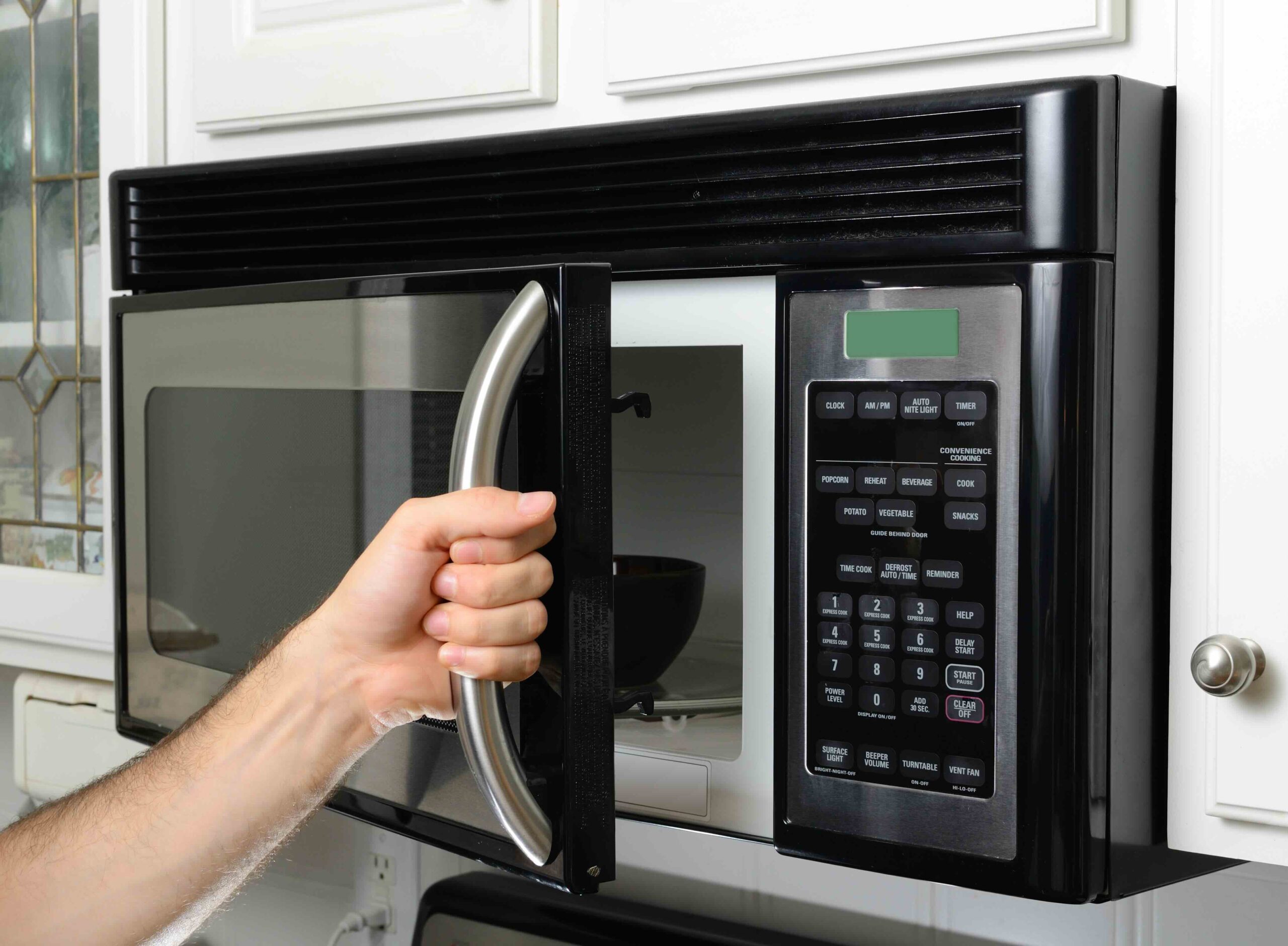
How Long Do Microwaves Last? What Every Homeowner Should Know
If your microwave has been acting up lately, you might be wondering whether it is time to repair it or just move on. That question actually starts with a more foundational one: how long do microwaves last in the first place? The answer is not one-size-fits-all, and the type of microwave you own, how often you use it, and whether you have kept up with basic maintenance all play a role. Understanding the typical lifespan of a microwave can help you make smarter decisions about repairs, replacements, and even what kind of home warranty coverage makes sense for your household.
The Average Lifespan of a Microwave
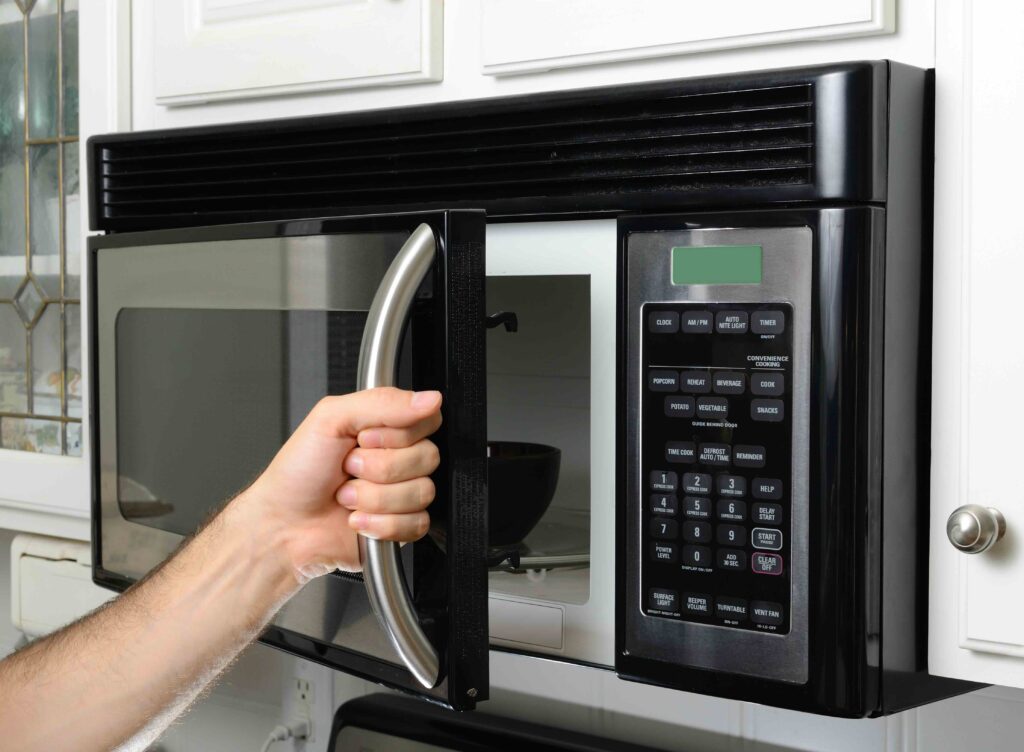
Most microwaves last somewhere between seven and ten years under normal use. That range shifts depending on the model and how hard you work it day to day. A countertop microwave in a household that uses it a few times a week will likely outlast one in a busy kitchen running multiple cycles every single day. Over-the-range microwaves, which double as ventilation systems, tend to have slightly shorter lifespans because they handle more mechanical stress. Built-in and drawer microwaves often sit at the higher end of that range simply because they are designed for more durable, integrated use. The seven-to-ten-year window is widely cited across appliance manufacturers and repair professionals, and it aligns with what home warranty providers see in real claims data.
What Affects How Long a Microwave Lasts
A few factors consistently separate a microwave that makes it to the ten-year mark from one that gives out by year five. Usage frequency is the most obvious one, but it is far from the only consideration. Build quality matters significantly, as does the brand and whether the unit was a budget or premium purchase. Proper ventilation around the unit, especially for countertop models, also has a real impact on longevity. Running the microwave while empty is one of the fastest ways to shorten its life, since it can damage the magnetron, which is the core component that generates heat. Keeping it clean and not slamming the door repeatedly also goes further than most people realize.
Signs Your Microwave May Be Nearing the End
Knowing the warning signs can save you from being caught off guard. Microwaves rarely fail all at once. Usually there is a progression of smaller symptoms that signal the unit is on its way out.
- The microwave runs but does not heat food properly or evenly
- You hear unusual humming, buzzing, or clicking sounds during operation
- The door latch feels loose or does not seal the way it used to
- The control panel is unresponsive or shows error codes frequently
- There is visible sparking or burning smells during use
- Heating takes significantly longer than it used to for the same tasks
Any one of these could point to a repairable issue, but when multiple symptoms appear together, especially in a microwave that is already past the seven-year mark, replacement tends to be the more practical path forward.
Repair vs. Replace: How to Think Through the Decision
The general rule in the appliance repair world is this: if a repair costs more than fifty percent of what a replacement would cost, it usually makes more sense to replace. For microwaves, this calculation happens pretty quickly. Microwave repair costs typically range from one hundred to two hundred fifty dollars depending on the part, and a decent replacement unit can be purchased for anywhere between one hundred fifty and six hundred dollars. If the magnetron fails, which is the most expensive internal component, repair costs can approach or exceed the cost of a new unit entirely. Age matters here too. A repair on a nine-year-old microwave is essentially buying time on a unit that was already close to retirement.

Microwave Types and How They Compare in Longevity
Not all microwaves age the same way. Countertop microwaves are the most common and generally the most affordable to replace. Their average lifespan is right around seven to nine years. Over-the-range microwaves carry a bit more mechanical complexity because they include exhaust fans and lighting systems in addition to the cooking components, which can introduce additional failure points. Built-in microwaves are typically higher quality units and tend to last closer to ten years or slightly beyond. Microwave drawer models, which are a newer design option, are still accumulating long-term data, but early indications suggest they fall into a similar range as built-in models when properly maintained.
How Home Warranty Coverage Applies to Microwaves
This is where a lot of homeowners get surprised. A standard home warranty plan often covers built-in microwaves as part of appliance coverage, but countertop microwaves are typically excluded because they are considered portable appliances rather than permanent fixtures. Over-the-range microwaves are more commonly included because they are hardwired or permanently installed. If you are reviewing your home warranty coverage or shopping for a new plan, it is worth paying close attention to how the policy defines built-in versus freestanding appliances. A warranty that covers your microwave can save you a meaningful amount when an unexpected repair or replacement comes up, particularly if you own a higher-end integrated unit.
Practical Tips to Extend Your Microwave’s Life
Getting the most out of your microwave does not require much effort, but consistency matters. A few simple habits can meaningfully add to the lifespan of the unit and reduce the chance of a premature breakdown.
- Clean the interior regularly to prevent food buildup, which can cause arcing and uneven heating
- Never run the microwave when it is empty
- Use microwave-safe containers only to prevent damage to internal components
- Check and clean the door seals periodically to ensure a proper close
- Make sure countertop units have adequate ventilation clearance on all sides
- Avoid slamming the door, which can damage the latch mechanism over time
These are small habits, but they add up. A microwave that is cleaned and used properly is far more likely to reach the ten-year mark than one that is neglected.
When It Is Time to Replace, What Should You Buy?
If your microwave has passed the seven-year mark and repairs are becoming a recurring conversation, starting fresh often makes more sense than prolonging the inevitable. When shopping for a replacement, think about whether you want to stick with the same installation type or make a change. Over-the-range models offer the convenience of a built-in ventilation system but require professional installation. Countertop models are easier to swap out and offer more flexibility. Built-in models tend to last longer and integrate cleanly into cabinetry but come at a higher price point. Look for models with solid manufacturer warranty terms, positive reviews on longevity, and features that actually match how you cook rather than just the highest wattage available.
Why Armadillo Is Worth Considering When Your Microwave Is Aging
When a built-in microwave stops working, the last thing you want is an unexpected repair bill hitting at an inconvenient time. That is exactly the kind of scenario a solid home warranty is designed to handle. Armadillo home warranty coverage for kitchen appliances and built-in systems is built around straightforward terms that homeowners can actually understand, without pages of fine print designed to create confusion at claim time. Whether your microwave is approaching the end of its typical lifespan or you simply want predictable coverage across multiple appliances, having a plan in place changes the entire experience of homeownership. If you are ready to stop wondering what a breakdown might cost you, get a free home warranty quote for microwave and appliance protection and see exactly what Armadillo covers in your area. The peace of mind is real, and the process takes only minutes.

Frequently Asked Questions About Microwave Lifespan
Here are answers to some of the most common questions homeowners ask when thinking through microwave longevity, repairs, and coverage options.
How long does the average microwave last?
Most microwaves last between seven and ten years depending on the type, usage frequency, and how well they are maintained. Over-the-range models may fall closer to seven years, while built-in models can reach ten or more.
Is it worth repairing a microwave that is over seven years old?
Generally, if the repair cost exceeds fifty percent of the replacement cost and the unit is already past seven years old, replacement is the more cost-effective decision.
What is the most common reason a microwave stops working?
Magnetron failure is one of the most common causes of a microwave that runs but does not heat. Door switch failures and blown fuses are also frequent culprits.
Does a home warranty cover microwave replacement?
Most home warranty plans cover built-in and over-the-range microwaves as part of appliance coverage. Countertop microwaves are typically excluded because they are portable rather than permanently installed.
How do I know if my microwave magnetron is failing?
The most telling sign is that the microwave runs a full cycle but food comes out cold or barely warm. You may also notice unusual humming or buzzing noises during operation.
Can I extend the life of my microwave?
Yes. Regular interior cleaning, avoiding running the unit empty, using microwave-safe containers, and ensuring proper ventilation around the unit all contribute to a longer operational life.
What type of microwave lasts the longest?
Built-in and drawer microwaves tend to have the longest lifespans, often reaching ten years or more, largely because they are manufactured to higher durability standards and are less subject to physical wear from moving or repositioning.
How much does it cost to repair a microwave?
Microwave repairs typically range from one hundred to two hundred fifty dollars for most common issues. Magnetron replacement can cost more and often approaches the price of a new unit, making replacement a better value in those cases.
What should I look for when buying a replacement microwave?
Prioritize installation type compatibility, reliable brand reputation, wattage appropriate for your actual cooking habits, and a strong manufacturer warranty. Avoid buying purely on price alone, as lower-cost units often have shorter usable lifespans.
Does microwave wattage affect how long it lasts?
Higher wattage does not directly determine lifespan, but it does affect how hard the unit works during regular use. A microwave with sufficient wattage for your cooking needs will run more efficiently and experience less strain than an underpowered unit working at full capacity for extended periods.