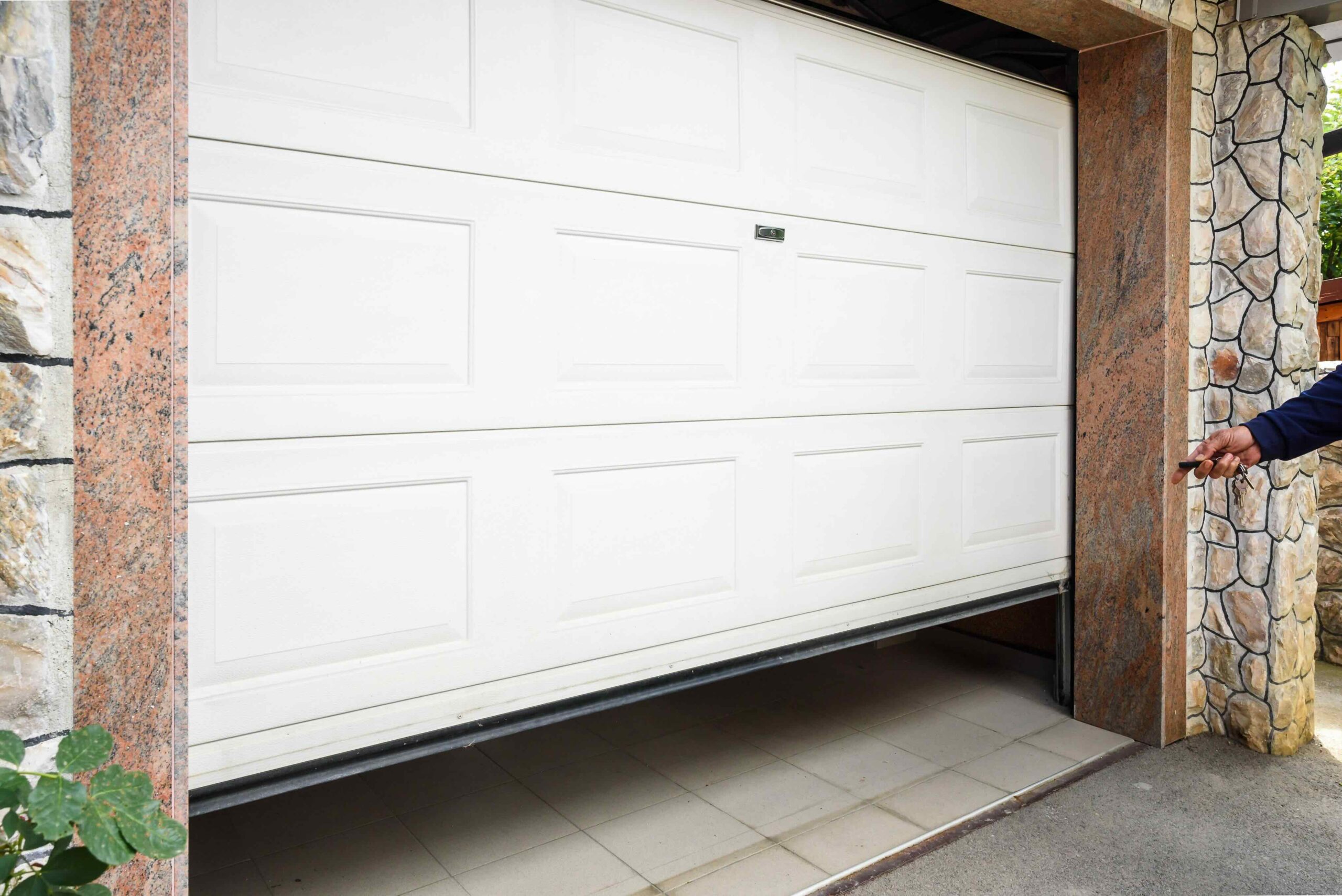
When Your Garage Door Stops Halfway: What It Means and What To Do
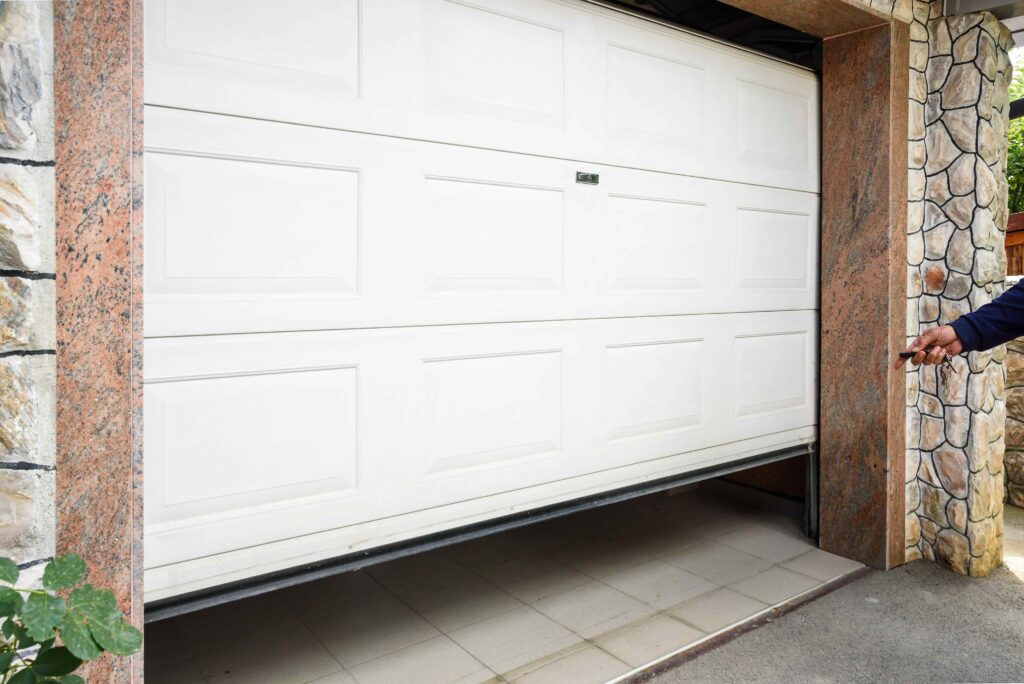
You press the button. The garage door groans, lifts a few feet, and just… stops. Not all the way up, not all the way down. Just hanging there, mid-air, like it changed its mind. It is one of those household moments that is equal parts frustrating and confusing. The good news is that a garage door that only opens part way is one of the more diagnosable problems a homeowner can face. The causes are usually mechanical, electrical, or related to a setting that has drifted out of alignment. Understanding what is happening under the hood — so to speak — can help you figure out your next move before calling for help or filing a home warranty claim.
How a Garage Door System Actually Works
Most residential garage doors operate on a fairly straightforward system. A motorized opener pulls or pushes a trolley along a rail, which is connected to the door via an arm. Springs — either torsion springs mounted above the door or extension springs running along the sides — do a lot of the heavy lifting by counterbalancing the door’s weight. Sensors near the floor detect obstructions. Limit switches or electronic settings inside the opener tell the motor when to stop. All of these components work together in a chain, and when any single link breaks down, the door can stall, reverse, or refuse to complete its travel. That partial-open problem? It usually comes down to one of those links failing.
The Most Common Reasons a Garage Door Stops Partway
There are several reasons this happens, and knowing the most likely culprits saves time. Here is a look at the most frequent causes:
- Limit switch settings that are miscalibrated, telling the motor to stop too soon
- A broken or worn torsion or extension spring reducing lifting capacity
- Misaligned or dirty safety sensors triggering a false obstruction signal
- An obstacle physically blocking the door’s path along the track
- A worn or damaged trolley carriage that loses grip partway through travel
- Electrical issues with the opener motor itself, including overheating
- Damaged or bent tracks causing the door to bind and stop
The reason it matters to identify which cause is at play is simple: some of these are quick DIY fixes, while others — particularly broken springs — require a professional. Springs under tension are genuinely dangerous to handle without the right tools and experience.
Limit Switch Issues: The Overlooked Culprit
Limit switches are small but mighty. They tell the garage door opener exactly where “open” and “closed” positions are. Over time, vibration, temperature changes, or an accidental bump to the unit can throw off these settings. If the open limit is set too low, the door will stop before it reaches the top. This is actually one of the easier fixes — most openers have adjustment screws or digital settings that let you extend the travel distance. Consult the owner’s manual for your specific model, because the adjustment method varies. But before you start turning dials, rule out the other causes first. Adjusting the limits when the real problem is a broken spring will not get you far.
Spring Problems and Why They Matter So Much
Springs are the unsung workhorses of a garage door system. A torsion spring on a standard residential door can complete somewhere between 10,000 and 20,000 cycles over its lifetime, which sounds like a lot until you realize the average garage door opens and closes three to five times a day. When a spring breaks or loses tension, the opener motor suddenly has to do significantly more work. In some cases, the door will not move at all. In others, it will open partway before the motor’s safety mechanism kicks in and stops the operation to avoid burning out the unit. If you hear a loud bang from the garage and the door stops working shortly after, a snapped torsion spring is almost always the explanation. Do not attempt to operate the door manually or repair the spring yourself. This is a job for a technician.

Safety Sensors: Small Components, Big Impact
Every modern garage door opener is equipped with photoelectric safety sensors located near the floor on either side of the door opening. They emit an invisible beam across the threshold. If anything interrupts that beam — a box, a bike, a leaf that blew in — the door will reverse or refuse to close. What homeowners sometimes overlook is that these sensors can also cause partial-open issues when they are misaligned, dirty, or have a loose wire connection. The indicator lights on the sensors are a useful diagnostic tool: both lights should be steady. If one is blinking or off entirely, the sensors need realignment or cleaning. Wipe the lenses with a dry cloth and check that both units are pointed directly at each other. It is a two-minute fix that sometimes resolves what feels like a serious problem.
Track and Roller Damage You Should Not Ignore
The tracks that guide the garage door from floor to ceiling need to be clean, properly aligned, and free of dents or bends. Even a minor dent or gap in the track can cause a roller to catch and stop the door mid-travel. You can do a visual inspection yourself — look along the length of the track for obvious damage, and check that the vertical and horizontal sections are properly connected and level. Rollers that are cracked or worn down can also cause binding. Lubricating the tracks and rollers with a garage door-specific lubricant (not WD-40, which can attract debris) is a good maintenance habit that extends the life of the entire system and reduces the chance of partial-open issues developing over time.
When the Opener Motor Is the Problem
Garage door opener motors are built to last, but they are not indestructible. Overheating is a real issue, particularly in climates with extreme summer temperatures or in garages with poor ventilation. Most modern openers have a thermal protection feature that shuts the unit down temporarily if it overheats. If the door stops partway and the opener seems unresponsive for a period of time before working again, overheating could be the cause. Older motors may also simply lose torque over time, struggling to complete a full cycle under normal load. If your opener is more than 10 to 15 years old and this problem is becoming more frequent, replacement may be the more cost-effective path compared to repeated repairs.
What Home Warranty Coverage Means for Garage Door Repairs
Here is where things get practically useful for homeowners who carry a home warranty plan. Garage door openers are commonly included in home warranty coverage, though the specifics vary by provider and plan. A good home warranty will typically cover the cost of repair or replacement of the opener mechanism when it fails due to normal wear and tear. That includes motor failures, circuit board issues, and the electrical components of the system. What many plans do not cover are cosmetic damage, structural issues with the door itself, or problems that result from improper installation. Springs are a nuanced area — some plans cover them, some do not, so it is worth reviewing your contract carefully. Knowing exactly what your plan includes before something breaks is always better than finding out after the fact.
Why Armadillo Is Worth Considering for Garage Door and Home Protection
When your garage door starts acting up, the last thing you want to deal with is the uncertainty of an expensive repair bill alongside a home warranty provider that makes you work for every claim. Armadillo was built with a different approach in mind: straightforward coverage, honest terms, and a process that does not feel like a second job. As a trusted home warranty provider that covers essential systems including garage door openers, Armadillo takes the guesswork out of home protection. If you have been on the fence about whether a home warranty is worth the investment, consider this: the average garage door opener repair runs between $150 and $350, and spring replacements can push beyond $400. Those costs add up fast, especially when you factor in other systems in the home that can fail in the same year. The smart move is to get ahead of it, and you can get a free home warranty quote for garage door and whole-home coverage in just a few minutes. Armadillo makes the process straightforward, with no confusing fine print designed to wriggle out of legitimate claims.

Frequently Asked Questions About Garage Doors That Only Open Partway
Here are answers to the most common questions homeowners ask when their garage door stops before fully opening.
Why does my garage door open a few inches and then stop?
This is often caused by misaligned or obstructed safety sensors near the floor. The sensors detect what they interpret as an obstruction and reverse or stop the door. Check that both sensor lights are steady and that nothing is blocking the beam path.
Can I still use my garage door if it only opens halfway?
You should avoid forcing the door open or closed manually when it is behaving abnormally. If the problem is a broken spring, operating the door can cause injury or further damage to the opener and tracks.
How do I know if my garage door spring is broken?
A broken torsion spring often produces a loud bang. After that, the door may not move at all or may feel extremely heavy when lifted manually. You can visually inspect the spring above the door for a visible gap or separation.
How do I adjust the limit settings on my garage door opener?
Most openers have adjustment screws labeled “open” and “close” on the back or side of the unit. Turning the open limit screw in the appropriate direction increases travel distance. Always consult your opener’s manual for model-specific instructions.
Does a home warranty cover a garage door that stops partway?
Home warranties typically cover the mechanical and electrical components of the garage door opener, including motor and circuit board failures. Coverage for springs and structural door components varies by plan, so review your contract carefully.
How long do garage door openers usually last?
Most residential garage door openers last between 10 and 15 years with regular maintenance. High-cycle households or openers exposed to temperature extremes may experience a shorter lifespan.
Why does my garage door stop partway only in cold weather?
Cold temperatures cause metal components to contract and lubricants to thicken. Springs lose tension more easily in the cold, and rollers can become stiff in freezing conditions. Applying a cold-weather garage door lubricant can help reduce this issue.
What maintenance steps can prevent a garage door from stopping mid-travel?
Lubricate rollers, hinges, and tracks twice a year, test the balance of the door by disconnecting the opener and lifting manually, clean sensor lenses regularly, and inspect springs and cables for wear annually.
Is it safe to replace garage door springs myself?
It is strongly advised against. Torsion springs are under significant tension and can cause serious injury if they release unexpectedly. Spring replacement should always be performed by a qualified garage door technician.
When should I replace my garage door opener instead of repairing it?
If your opener is more than 10 to 15 years old, requires frequent repairs, lacks modern safety features, or struggles to complete a full cycle reliably, replacement is typically the more practical and cost-effective decision.