What Is a Mini Split Air Conditioner and Why Are Homeowners Talking About It?
If you have spent any time researching home cooling options lately, you have probably come across the term mini split more than once. These systems have quietly become one of the most popular HVAC solutions in the country, and honestly, it is not hard to see why. A mini split air conditioner, sometimes called a ductless mini split, is a type of cooling and heating system that does not rely on a network of ducts to move air through your home. Instead, it delivers conditioned air directly into a specific room or zone, making it a targeted and often more efficient alternative to traditional central air systems. Whether you are cooling a sunroom addition, a garage conversion, or your entire house, the mini split is worth understanding before you make any decisions.
How a Mini Split System Actually Works
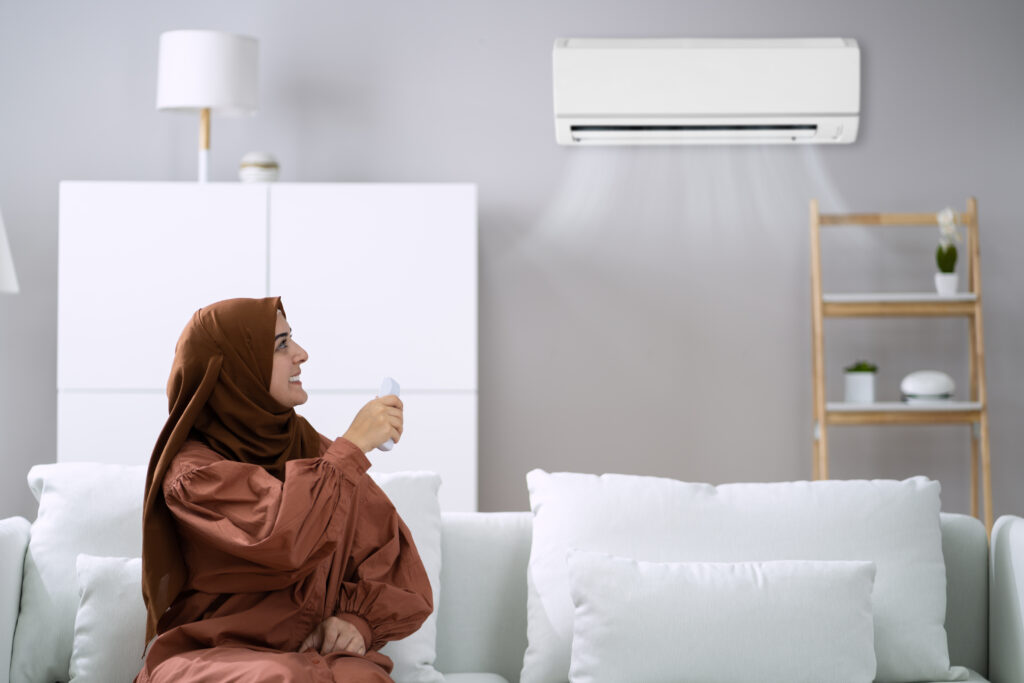
At its core, a mini split system has two main components: an outdoor compressor unit and one or more indoor air-handling units. These two parts are connected by a conduit that houses the refrigerant lines, electrical wiring, and a condensate drain. The outdoor unit does the heavy lifting by compressing refrigerant, and the indoor unit distributes the cooled or heated air directly into the space. Because there are no ducts involved, the system avoids the energy losses that are common in traditional forced-air setups. Most systems also include a remote control or smart thermostat integration, which makes managing temperatures in individual rooms genuinely convenient. You can also set up a multi-zone configuration, meaning one outdoor unit powers multiple indoor units across different rooms, each operating independently.
The Key Advantages of Installing a Mini Split System
There are several reasons homeowners lean toward mini splits, and most of them come down to flexibility, efficiency, and cost over time. Here is a closer look at what makes them stand out:
- No ductwork required, which eliminates installation complexity in older homes or room additions
- Higher energy efficiency compared to window units and sometimes even central air systems
- Zoned temperature control, so each room can be set independently
- Quieter operation, especially with the noisy compressor located outside
- Dual functionality as both a cooling and heating source in most models
- Cleaner air quality, since there are no ducts to collect dust, allergens, or mold
The energy efficiency point deserves a little extra attention. Mini splits use inverter technology, which allows the compressor to run at variable speeds rather than just on or off. That means the system adjusts its output to match demand, using only the energy it actually needs. Over a full cooling season, that can translate to meaningful savings on your utility bills.
Common Drawbacks You Should Know Before Buying
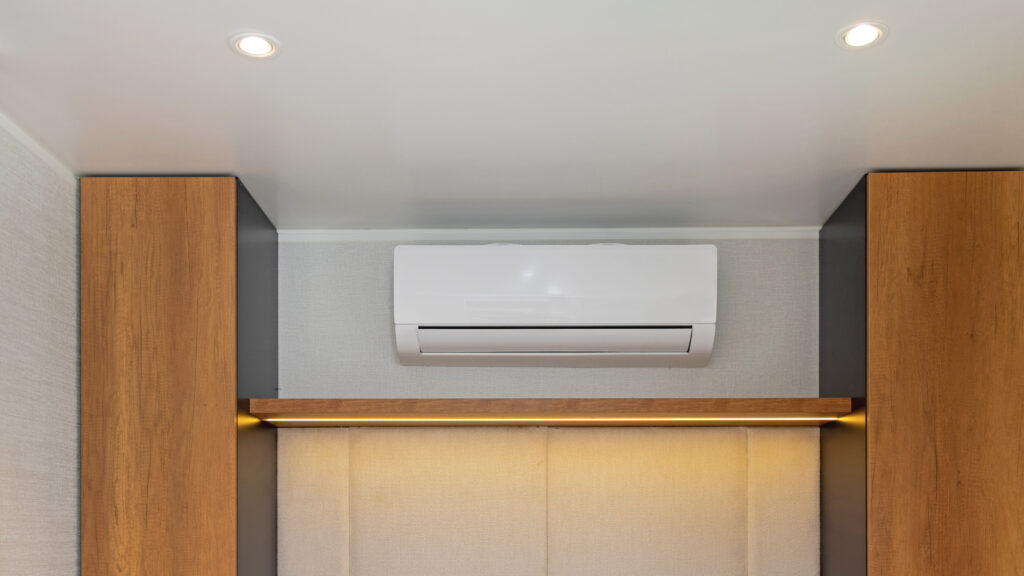
Mini splits are not a perfect solution for every home or every budget. The upfront installation cost is one of the most common concerns homeowners raise. A single-zone system can run anywhere from fifteen hundred to four thousand dollars installed, and a multi-zone setup covering an entire home can climb significantly higher. That is a real investment, and it is worth weighing against what you currently spend on cooling and heating each year. Beyond cost, the indoor units are wall-mounted and visible, which some homeowners find aesthetically disruptive. There is also the matter of maintenance — the filters need to be cleaned regularly, and the system requires periodic professional servicing to keep refrigerant levels correct and coils clean. Skipping that maintenance can shorten the system’s lifespan noticeably.

Mini Split vs. Central Air: Which One Makes More Sense?
This comparison comes up constantly, and the honest answer is that it depends on the specific circumstances of your home. Central air conditioning makes a lot of sense if you already have ductwork in place and want to cool a large, open floor plan uniformly. However, if your home lacks ducts, has rooms that never quite reach the right temperature, or includes spaces that were added after original construction, a mini split can solve those problems far more cleanly and affordably than retrofitting ductwork. Some homeowners use mini splits to supplement an existing central system rather than replace it entirely, which is a practical and cost-effective approach. The decision really comes down to your floor plan, your budget, and how much flexibility you want in controlling temperatures room by room.
What to Expect During Mini Split Installation
Installing a mini split is not a DIY project for most homeowners. It requires an HVAC technician who is EPA certified to handle refrigerants, and in many areas, permits are required. The process typically involves mounting the indoor unit on the wall, positioning the outdoor compressor unit in a well-ventilated area, drilling a small hole through the exterior wall to run the conduit, and connecting the electrical and refrigerant lines. For a single-zone install, the job can often be completed in a single day. Multi-zone systems take longer depending on how many indoor units are involved. Choosing an experienced installer is critical — an improperly charged refrigerant line or a poorly placed unit can undermine efficiency and increase the likelihood of future breakdowns.
Maintenance Tips to Extend the Life of Your Mini Split
Like any mechanical system in your home, a mini split performs better and lasts longer when it receives regular attention. Fortunately, the routine maintenance tasks are not particularly demanding. Clean or replace the indoor unit filters every four to six weeks during heavy-use seasons. Wipe down the exterior of the indoor unit to prevent dust buildup around the vents. Keep the outdoor unit clear of debris, leaves, and vegetation that could restrict airflow. Schedule a professional inspection at least once a year to check refrigerant levels, inspect electrical connections, and clean the evaporator and condenser coils. Following these steps consistently can extend the lifespan of a mini split system well beyond ten years, which is the general baseline expectation for a well-maintained unit.
How Long Do Mini Split Systems Last and When Do They Need Repair?
Most mini split systems are designed to last between fifteen and twenty years with proper maintenance. That said, components can and do fail within that window. Common repair issues include refrigerant leaks, sensor malfunctions, drainage clogs, and compressor problems. The compressor is typically the most expensive component to replace, and a failed compressor on an older unit can sometimes make full replacement more financially sensible than repair. Electrical issues, including problems with the circuit board or capacitors, also appear with some frequency. Being aware of the warning signs — reduced cooling output, unusual noises, ice forming on the unit, or error codes on the display — can help you catch problems early before they escalate into something more costly.
Why Mini Split Coverage Matters for Your Home Warranty Plan
When a mini split system breaks down unexpectedly, the repair bill can be jarring. Compressor replacements, refrigerant recharges, and control board repairs are not inexpensive, and they tend to happen at the least convenient times. That is exactly where a home warranty from Armadillo home warranty coverage for mini split systems becomes a genuinely smart financial decision. Armadillo offers straightforward, honest coverage built for real homeowners who want protection without the fine-print headaches. If your mini split compressor gives out mid-summer or your multi-zone system develops a refrigerant issue, having a plan in place means you are not scrambling to cover a large unexpected expense out of pocket. You can take a few minutes to get a free mini split home warranty quote and protect your HVAC investment today and see exactly what coverage looks like for your home. Armadillo keeps things simple, transparent, and actually useful — which is everything a home warranty should be.

Frequently Asked Questions About Mini Split Air Conditioners
Here are answers to the questions homeowners ask most often about mini split systems, from how they work to what it costs to keep them running well.
Can a mini split heat and cool a home?
Yes. Most modern mini split systems are heat pumps, meaning they can both cool your home in summer and provide heat in winter by reversing the refrigerant cycle. They are effective heating sources in mild to moderate climates, though performance can decrease in extremely cold temperatures without a cold-climate model.
How much does it cost to install a mini split system?
A single-zone mini split installation typically costs between fifteen hundred and four thousand dollars depending on the unit capacity and local labor rates. Multi-zone systems covering multiple rooms can range from five thousand to ten thousand dollars or more depending on the number of indoor units and installation complexity.
Do mini splits use a lot of electricity?
Mini splits are generally more energy efficient than window units and many older central air systems. Their inverter-driven compressors adjust output based on demand rather than cycling fully on and off, which reduces energy consumption. Exact usage depends on unit size, usage patterns, and local climate.
How often should mini split filters be cleaned?
Filters in mini split indoor units should be cleaned every four to six weeks during seasons of heavy use. Dirty filters restrict airflow, reduce efficiency, and can cause the unit to work harder than necessary, which increases wear on internal components over time.
Is a mini split a good option for a room addition or garage?
Absolutely. Mini splits are one of the most practical solutions for spaces that are not connected to existing ductwork. Room additions, converted garages, sunrooms, and basement finishing projects are all common applications where a ductless mini split provides efficient, targeted climate control without major construction.
How long does a mini split system last?
With consistent maintenance, a mini split system can last between fifteen and twenty years. Factors that influence lifespan include how frequently the unit is serviced, local climate conditions, and the quality of the original installation. Systems that are poorly installed or neglected tend to fail earlier.
Can a home warranty cover a mini split air conditioner?
Yes, home warranties can cover mini split systems, though coverage details vary by provider and plan. It is important to review what components are included, such as the compressor, refrigerant lines, and electrical parts, before selecting a plan. Always confirm that ductless systems are explicitly covered.
What are the most common mini split repair issues?
Common mini split repairs include refrigerant leaks, clogged drain lines, compressor failures, sensor malfunctions, and circuit board issues. Regular professional maintenance can identify many of these problems early before they result in a full system breakdown or require expensive component replacement.
Do mini splits work in very cold climates?
Standard mini splits can lose heating efficiency as temperatures drop below freezing. However, there are cold-climate mini split models specifically engineered to operate efficiently in temperatures as low as negative thirteen degrees Fahrenheit. If you live in a region with harsh winters, selecting a cold-climate model is important for year-round performance.
Is professional installation required for a mini split?
Yes. Mini split installation requires an EPA-certified technician to handle refrigerants legally and safely. Improper installation can void the manufacturer warranty, reduce system efficiency, and create safety hazards. Most local building codes also require permits for mini split installation, so working with a licensed HVAC professional is strongly recommended.