What Is Mold in an Air Handler and Why Should Homeowners Pay Attention
If you have a central HVAC system in your home, there is a component quietly doing a lot of work behind the scenes called the air handler. It circulates conditioned air throughout your living space, pulling air in, filtering it, and pushing it back out through your duct system. Sounds simple enough. But here is the part that catches a lot of homeowners off guard — the air handler operates in a consistently cool, often humid environment, which makes it one of the most common locations in any home for mold growth to take hold. Understanding what this means for your household, your HVAC system, and your air quality is genuinely important, and not something to set aside for later.
How the Air Handler Works and Where Mold Fits In
The air handler is typically housed in a cabinet and contains several components: a blower motor, an evaporator coil, an air filter, and drainage components. During cooling cycles, the evaporator coil gets cold, and when warm indoor air passes over it, moisture condenses on the coil surface. That condensation is supposed to drip into a drain pan and exit through a condensate drain line. When that system works perfectly, moisture is managed efficiently. When it does not — and this happens more than most people expect — water sits in the pan, humidity lingers inside the unit, and mold begins to develop on the coil, in the drain pan, or along interior cabinet surfaces. From there, the blower sends air right through that contaminated area and into every room of your home.
Why Air Handler Mold Is More Common Than You Think
There are several reasons this problem shows up with surprising regularity. First, air handlers are typically installed in spaces with limited airflow and natural light — attics, closets, utility rooms, and crawl spaces. These are exactly the kinds of environments where mold thrives. Second, the condensation process is a constant feature of normal HVAC operation, meaning moisture is always being introduced to the system. Third, air filters catch dust and organic particles that, when combined with moisture, create a food source for mold spores. Even a well-maintained system can develop mold if conditions align the wrong way during a particularly humid stretch of weather or after a minor drainage issue that goes unnoticed.
Signs That Mold May Be Present in Your Air Handler
Mold in an air handler does not always announce itself dramatically. In many cases, the signs are subtle and easy to attribute to other causes. Here are the most common indicators homeowners report:
- A musty or earthy odor that seems to follow the airflow through the home, especially noticeable when the system first turns on
- Visible dark spots or discoloration around supply vents or on the air handler cabinet itself
- Increased allergy symptoms, respiratory irritation, or unexplained headaches among household members
- A clogged or overflowing condensate drain pan
- Reduced airflow or system efficiency despite no obvious mechanical issue
If any of these sound familiar, it is worth scheduling an inspection rather than waiting to see whether the issue resolves on its own. It will not.

The Health and Indoor Air Quality Implications
This is the part that tends to get people’s attention quickly. Mold spores circulating through an HVAC system are not just an HVAC problem — they become a whole-home air quality problem. Every time the system runs, it distributes whatever is growing inside the air handler into your living areas. For healthy adults, this might manifest as mild irritation or general fatigue. For children, elderly family members, or anyone with asthma, allergies, or a compromised immune system, prolonged exposure to airborne mold can lead to more serious respiratory complications. Mold is not something to wait out or mask with air fresheners. Addressing it at the source — the air handler — is the only effective approach.
How to Address and Prevent Air Handler Mold
Remediation typically involves a licensed HVAC technician or mold remediation professional cleaning the evaporator coil, drain pan, and surrounding cabinet surfaces using appropriate antimicrobial treatments. In more severe cases, components may need to be replaced entirely. Prevention is a more manageable and considerably less expensive undertaking. Changing your air filter on schedule — every one to three months depending on usage and household conditions — reduces the organic material available for mold to consume. Ensuring the condensate drain line is clear and flowing properly is equally important. Some homeowners install UV light systems inside the air handler unit, which have demonstrated real effectiveness at inhibiting mold and microbial growth on the evaporator coil surface.
The Role of Regular HVAC Maintenance in Mold Prevention
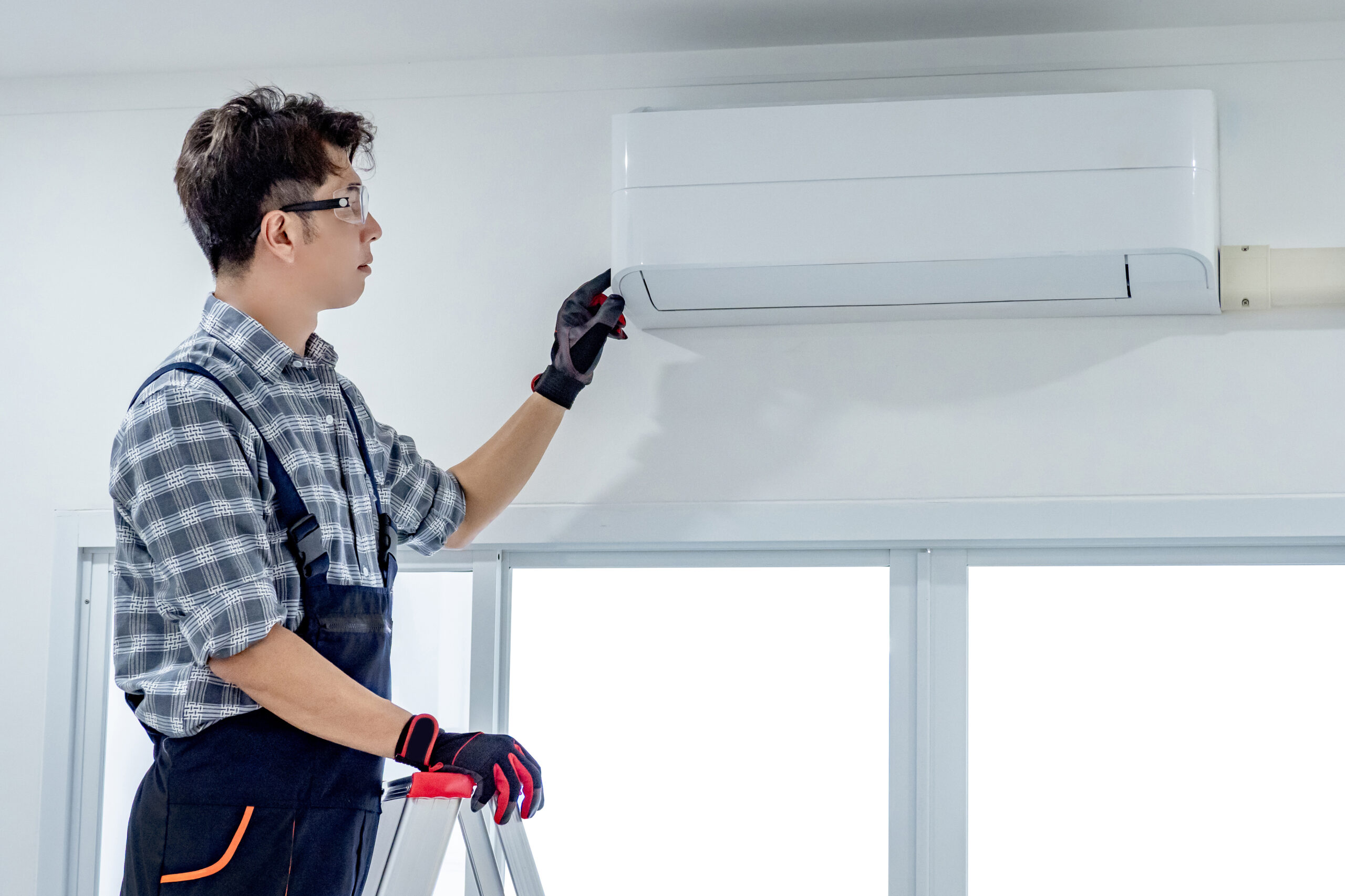
Routine HVAC maintenance is one of the most underutilized tools homeowners have when it comes to preventing air handler mold. A qualified technician performing a seasonal tune-up will inspect the evaporator coil for buildup, test the condensate drain, check for moisture accumulation, and flag any early signs of mold before they evolve into a larger problem. This kind of proactive attention costs a fraction of what a full mold remediation job runs. Scheduling maintenance twice a year — once before cooling season and once before heating season — is the professional standard and genuinely worth following.
What Home Warranties Typically Cover Regarding Air Handlers
Here is something that surprises a fair number of homeowners: mold itself, as a condition, is generally excluded from standard home warranty coverage. However, the mechanical components of the air handler — the blower motor, electrical components, and related parts — are typically covered when they fail due to normal wear and tear. If mold growth contributes to or results from a mechanical failure, such as a faulty condensate pump or a cracked drain pan, the warranty coverage conversation becomes more nuanced depending on the specific plan and provider. This is exactly why reading the terms of any home warranty carefully, and choosing a provider who communicates clearly about what is and is not covered, matters considerably more than most homeowners initially realize.
Why Armadillo Is Worth Considering for Your HVAC and Air Handler Protection
When a home system as critical as your HVAC starts showing signs of trouble — mold in the air handler, a struggling blower motor, drainage issues — the last thing you want is to be navigating an expensive repair bill without a plan in place. That is where having the right home warranty makes a genuine difference. Armadillo’s home warranty coverage for HVAC systems and air handlers is built around transparency and real support when homeowners need it most. The plans are straightforward, the coverage is clearly defined, and the process of getting help does not involve jumping through a frustrating series of hoops. If you want to see exactly what protection looks like for your home and your specific situation, you can get a personalized home warranty quote for your air handler and HVAC system in just a few minutes. Protecting the systems that keep your home comfortable does not have to be complicated — and with Armadillo, it genuinely is not.

Frequently Asked Questions About Air Handler Mold
Homeowners dealing with air handler mold tend to have very similar questions. Here are the most common ones, answered directly.
What causes mold to grow inside an air handler?
Mold grows in air handlers due to a combination of persistent moisture from the condensation process, limited light exposure, and the presence of organic particles captured by the air filter. When the condensate drainage system is not functioning properly, standing water accelerates the problem significantly.
Is mold in the air handler dangerous?
Yes, mold in the air handler poses a real health risk because the HVAC system actively distributes mold spores throughout the home every time it operates. The severity of health effects depends on the type of mold present and the sensitivity of individuals in the household.
How do I know if my air handler has mold?
The most common indicators include a persistent musty odor when the system runs, visible discoloration near vents or on the unit itself, unexplained worsening of allergy or respiratory symptoms, and visible moisture or overflow around the condensate drain pan.
Can I clean mold from my air handler myself?
Minor surface mold on accessible areas like the drain pan can sometimes be addressed with appropriate cleaning solutions, but cleaning the evaporator coil and interior cabinet surfaces safely and effectively typically requires a licensed HVAC technician or mold remediation professional.
How much does air handler mold remediation cost?
Costs vary based on the extent of the mold growth and the components affected, but professional air handler mold remediation generally ranges from a few hundred dollars for minor cleaning to over a thousand dollars when coil replacement or duct cleaning is involved.
Does a home warranty cover air handler mold?
Mold as a condition is typically excluded from home warranty coverage. However, mechanical failures within the air handler — such as a failed blower motor or defective condensate components — are commonly covered under standard plans, depending on the provider and the specific plan terms.
How often should I have my air handler inspected for mold?
HVAC professionals recommend a full system inspection at least twice per year. During these visits, technicians check the evaporator coil, drain pan, and condensate line for signs of moisture buildup and early mold development.
Do UV lights in air handlers actually prevent mold?
UV light systems installed inside the air handler have demonstrated meaningful effectiveness at reducing microbial growth on evaporator coils. They are not a complete substitute for maintenance, but they are a worthwhile investment for homeowners in humid climates or those with prior mold history.
Can mold in the air handler spread through the entire duct system?
Yes. Because the air handler is the origin point for all conditioned airflow, mold spores present in the unit can be distributed throughout the duct system and into every room. In advanced cases, duct cleaning may be necessary alongside air handler remediation.
What can I do to prevent mold from returning after treatment?
Consistent filter changes, regular condensate drain maintenance, scheduling biannual HVAC tune-ups, controlling indoor humidity levels, and considering the installation of a UV light system are all proven strategies for keeping mold from returning to the air handler after it has been professionally treated.