Mold on Air Ducts: What Every Homeowner Needs to Know
There are home problems you can see coming from a mile away, and then there are the ones quietly developing inside your walls, your ceilings, your HVAC system — completely out of sight. Mold on air ducts falls into that second category, and honestly, it is one of the more frustrating issues a homeowner can face because of how long it can go undetected. By the time you notice something is off, the problem has usually been building for a while. Understanding what mold in your ductwork actually is, how it gets there, and what it means for your home and health is the kind of knowledge that pays for itself.
What Is Mold on Air Ducts and Why Does It Happen
Mold is a fungal growth that thrives in environments with moisture, limited airflow, and organic material to feed on. Your HVAC ductwork checks a surprising number of those boxes. Ducts move conditioned air throughout your home, and in doing so, they naturally encounter temperature changes that produce condensation. That condensation — even minor, recurring amounts — can settle inside duct surfaces and create exactly the environment mold needs to establish itself. Dust, debris, and biological matter that accumulate in ducts over time give mold the food source it requires, and from there it spreads. It is not dramatic or fast, but it is consistent, and that is what makes it a genuine concern for homeowners who are not routinely inspecting their systems.
How to Tell If You Have Mold in Your Ductwork
The tricky part about mold in air ducts is that it lives somewhere most homeowners rarely look. That said, there are recognizable signs that point toward a problem worth investigating. Knowing what to look for is the first step toward addressing it before it escalates.
- A persistent musty or stale odor that gets stronger when the HVAC system is running
- Visible dark spots, fuzzy growth, or discoloration near vent covers or registers
- Unexplained allergy-like symptoms such as sneezing, eye irritation, or congestion that improve when you leave the home
- Increased dust around vents even after cleaning
- A history of moisture problems or flooding near your HVAC equipment
None of these signs are definitive on their own, but when multiple indicators are present at the same time, it is worth calling in a professional for an inspection rather than waiting to see what develops.
The Health Implications of Mold in Your HVAC System
This is where things get serious. When mold is present inside your ductwork, your HVAC system essentially becomes a distribution system for mold spores throughout every room in the house. Every time the system cycles on, it pushes air — and whatever is in that air — through the ducts and out through the vents. For most healthy adults, minor mold exposure may produce irritation and discomfort. For children, elderly individuals, or anyone with respiratory conditions or compromised immune function, the effects can be more significant. Prolonged exposure to certain mold types has been associated with chronic respiratory issues, neurological symptoms, and severe allergic responses. The point is not to cause alarm — it is to make sure homeowners understand that duct mold is not just a cosmetic issue. It is an air quality issue, and air quality affects everyone living under that roof.

Common Causes of Moisture Buildup in Ductwork
Understanding what triggers mold growth helps you prevent it from recurring after remediation. Moisture is always the root cause, but the sources of that moisture vary. A poorly insulated duct system in a humid climate is a classic setup for condensation problems. HVAC systems that are oversized for the space they serve tend to short-cycle, meaning they run in brief bursts that do not adequately dehumidify the air passing through. Leaky ducts can pull humid air from unconditioned spaces like attics or crawl spaces directly into the system. Clogged drain lines and dirty evaporator coils can cause excess moisture to back up and spread into surrounding ductwork. Any single one of these conditions is enough to create a mold-friendly environment, and unfortunately, many homes have more than one issue operating simultaneously.
How Mold in Air Ducts Is Treated and Removed
Mold remediation in ductwork is not a do-it-yourself project for most homeowners. The process typically involves a professional HVAC technician or certified mold remediation specialist who begins with a thorough inspection, often using cameras or air quality testing. Once the extent of the mold is identified, the affected duct sections are cleaned using EPA-approved biocidal agents, high-powered vacuuming equipment, and in some cases, physical scrubbing of interior surfaces. If the damage is extensive, sections of ductwork may need to be replaced entirely rather than cleaned. After remediation, addressing the underlying moisture source is essential — otherwise, mold will return. This often means repairing duct insulation, fixing leaks, servicing the HVAC system, or installing a whole-home dehumidifier depending on what the root cause inspection reveals.
Prevention Strategies That Actually Make a Difference
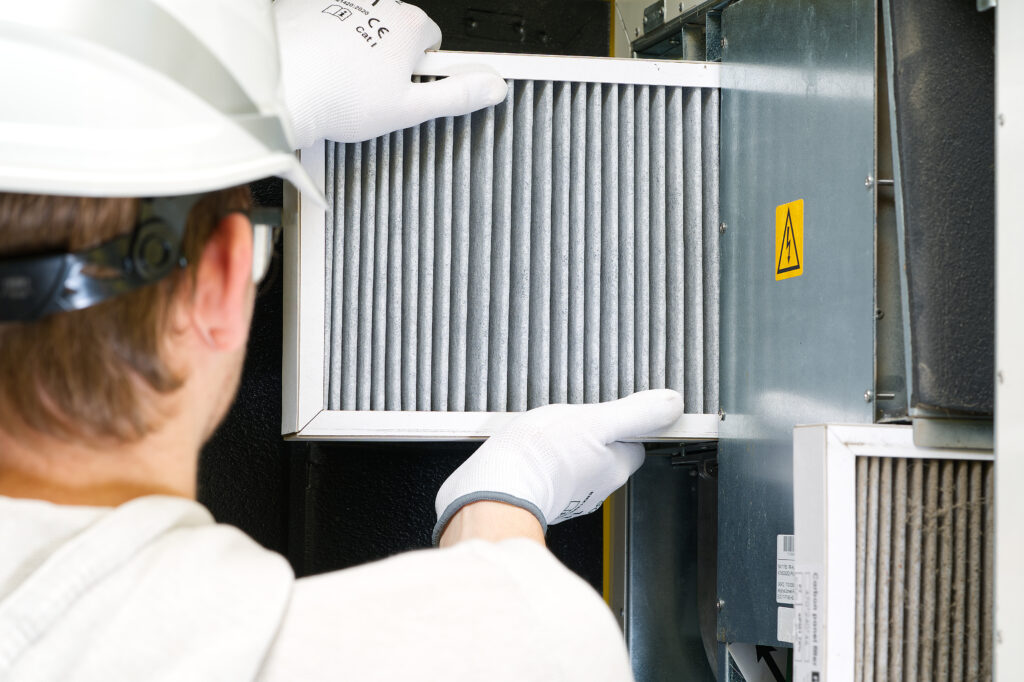
Preventing mold in your ductwork is largely about consistent maintenance and moisture management. Replacing air filters on schedule — typically every one to three months depending on your household — keeps debris levels low inside the system. Scheduling annual HVAC tune-ups ensures your system is running efficiently and that components like coils and drain lines are in good shape. Keeping indoor humidity between 30 and 50 percent, using a dehumidifier in particularly damp spaces, and ensuring attic and crawl space ventilation is adequate all contribute to a less mold-friendly environment. Duct sealing and insulation upgrades are worth considering if your system has known leakage issues. These are not dramatic interventions, but they compound over time into real protection against one of the more disruptive home problems you can face.
What It Costs to Deal With Duct Mold
Costs vary considerably based on the severity of the contamination and the size of the duct system, but homeowners should plan for a meaningful expense. Professional duct cleaning for a standard-sized home typically runs between $300 and $700 without mold involvement. When mold remediation is required, costs frequently climb into the $1,500 to $3,000 range, and more extensive cases involving duct replacement can push well beyond that. Air quality testing adds another layer of cost, as does any HVAC repair work required to address the moisture source. None of these numbers are meant to be alarming — they are meant to give homeowners a realistic sense of what they are dealing with so they can make informed decisions about coverage, budgeting, and maintenance priorities.
The Role of a Home Warranty When HVAC Problems Lead to Mold
Here is something worth thinking about carefully. A home warranty does not typically cover mold remediation itself — that tends to fall under homeowners insurance territory, particularly when mold results from a covered water damage event. However, a home warranty can be genuinely valuable in the context of mold on air ducts because it covers the HVAC components that so often contribute to the problem in the first place. When a failing evaporator coil, a malfunctioning drain line, or a broken blower motor is creating the moisture conditions that allow mold to develop, having warranty coverage on those parts and repairs means you can address the root cause without taking the full financial hit out of pocket. That distinction matters — fixing the symptom without covering the cause is how the same problem comes back.
Why Armadillo Is Worth Considering When Your HVAC System Needs Backup
When mold shows up in your air ducts, the conversation quickly turns to your HVAC system — what failed, what contributed to the moisture buildup, and what it is going to cost to fix it. That is precisely where having reliable home warranty coverage becomes less of a nice-to-have and more of a financial necessity. Armadillo home warranty plans for HVAC systems and ductwork are built around the reality that these systems break down and that homeowners should not be caught off guard when they do. Armadillo covers major HVAC components with straightforward terms and no convoluted fine print designed to work against you at claim time. If the mechanical failure inside your air system is what set the stage for a mold problem, having that repair covered is the difference between a manageable situation and a costly crisis. You can get a free home warranty quote that covers your heating and cooling system in just a few minutes and finally have a plan in place before the next unexpected repair lands in your lap.

Frequently Asked Questions About Mold on Air Ducts
Homeowners dealing with duct mold — or trying to avoid it — tend to have a lot of the same questions. Here are clear answers to the ones that come up most often.
Can mold in air ducts make you sick?
Yes. Mold spores distributed through your ductwork can cause respiratory irritation, allergic reactions, and more serious health effects in individuals with asthma, compromised immunity, or mold sensitivities. Symptoms often improve when leaving the home, which is a key indicator to watch for.
How do I know if I have mold in my air ducts?
Common signs include a musty odor when the HVAC runs, visible dark growth near vents, unexplained allergy symptoms indoors, and a history of moisture issues near the HVAC equipment. Professional air quality testing provides a definitive answer.
Is it safe to run my HVAC system if I suspect mold in the ducts?
Running the system while mold is present can spread spores throughout the home. If you have strong reason to believe mold exists in your ductwork, limiting HVAC use until an inspection is completed is a reasonable precaution.
Can I clean mold from air ducts myself?
Minor surface mold on accessible vent covers can be cleaned by a homeowner, but mold inside the duct system itself requires professional remediation equipment and expertise. Attempting interior duct cleaning without proper tools can disturb spores and worsen air quality.
What type of mold is commonly found in air ducts?
Cladosporium, Aspergillus, and Penicillium are among the most frequently identified mold types in HVAC systems. Black mold, or Stachybotrys chartarum, is less common but particularly concerning and requires professional remediation when found.
How long does duct mold remediation take?
For most residential systems, professional mold remediation in ductwork takes between one and three days depending on the size of the system and the severity of contamination. More extensive cases involving duct replacement may take longer.
Does homeowners insurance cover mold in air ducts?
Coverage depends heavily on the cause. If mold resulted from a sudden, covered water damage event, homeowners insurance may cover remediation. Mold caused by long-term neglect or maintenance failures is typically excluded. Review your policy carefully and consult your insurer directly.
Does a home warranty cover mold in ductwork?
Home warranties generally do not cover mold remediation itself, but they can cover the HVAC components and mechanical failures that contribute to moisture buildup and mold conditions. Addressing those covered root causes can prevent mold from developing or returning.
How can I prevent mold from growing in my air ducts?
Key prevention measures include changing air filters regularly, scheduling annual HVAC maintenance, keeping indoor humidity below 50 percent, sealing duct leaks, and ensuring proper insulation on ductwork that runs through unconditioned spaces.
How often should air ducts be professionally cleaned?
The EPA and NADCA generally recommend professional duct cleaning every three to five years under normal conditions. Homes with pets, recent renovations, occupants with allergies, or a history of moisture problems may benefit from more frequent cleaning.