What Are Outdoor Electric Outlets and Why Does Every Home Need Them?
If you have ever tried to plug in a power tool in the backyard only to run an extension cord through a cracked window or propped-open door, you already understand the problem. Outdoor electric outlets solve that problem entirely. These are weatherproof electrical receptacles installed on the exterior of your home, designed specifically to handle exposure to rain, humidity, dust, and temperature swings. They look similar to the outlets inside your house, but they are built tougher and wired to meet specific safety codes for outdoor use. Whether you are stringing up holiday lights, running a pressure washer, charging outdoor power equipment, or powering a backyard speaker setup, outdoor outlets make it all cleaner, safer, and more convenient.
How Outdoor Electric Outlets Actually Work
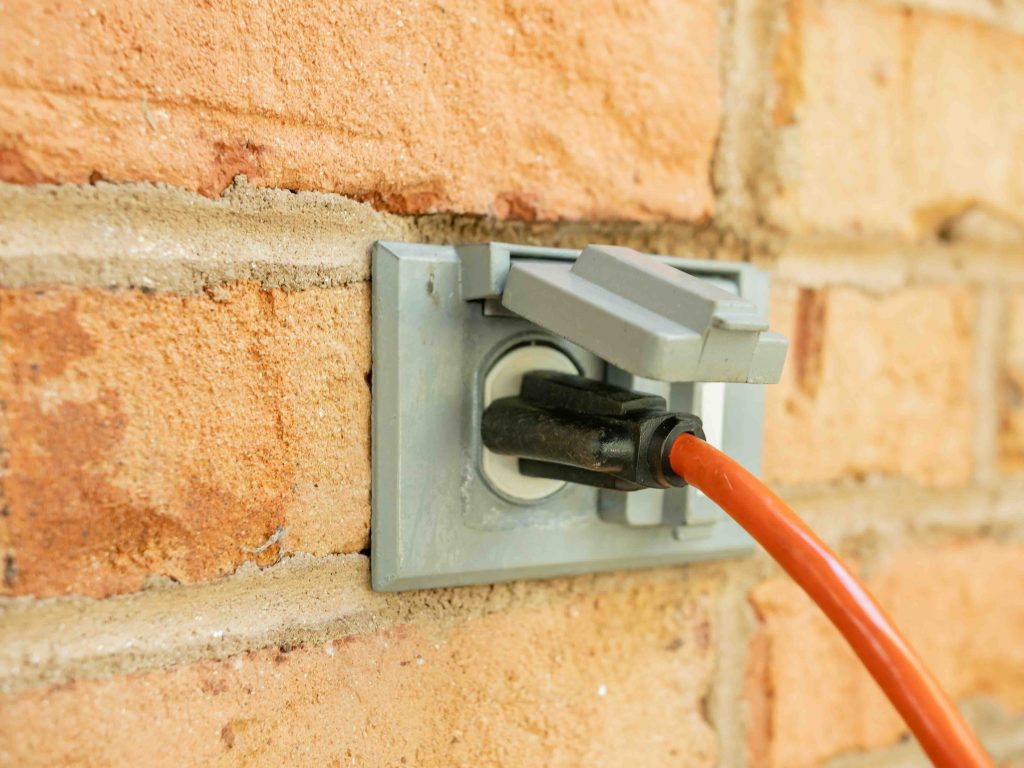
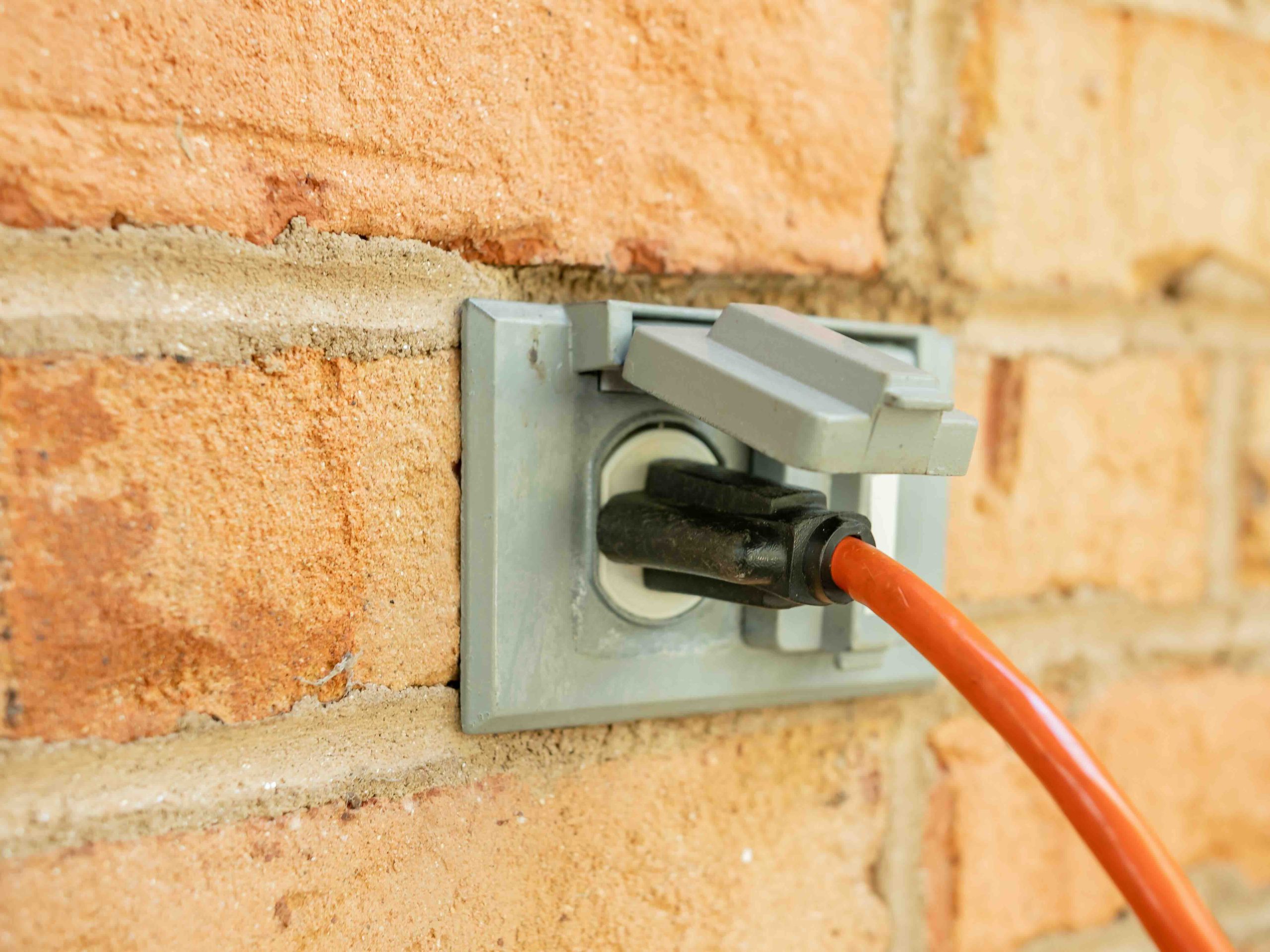
Outdoor outlets are hardwired into your home’s electrical system, just like any interior receptacle. The difference is in how they are protected. Most outdoor outlets installed today are GFCI outlets, which stands for Ground Fault Circuit Interrupter. A GFCI outlet monitors the flow of electricity and shuts off power in milliseconds if it detects an imbalance, like what happens when electricity is about to travel through a person instead of through the proper circuit path. That rapid response is what makes them safe for outdoor use where moisture is a constant variable. The outlet is also housed inside a weatherproof cover, typically a metal or hard plastic casing with a hinged lid or bubble cover that keeps water out whether or not something is plugged in. Some covers are rated for in-use protection, meaning they shield the outlet even while a cord is plugged in, which is important for anything left connected during rain.
Where Outdoor Outlets Should Be Installed
Placement matters more than most homeowners initially expect. The National Electrical Code requires at least one outdoor outlet at the front and one at the rear of the home. However, what the code requires as a minimum and what actually serves your lifestyle can be very different things. A practical installation considers the full scope of how you use your outdoor space. Common and highly functional locations include near the garage, along a deck or patio, close to the driveway, near the garden, and adjacent to any outdoor kitchen or entertainment area. If you have a detached garage, workshop, or storage shed, running a dedicated outdoor circuit to power those structures can be a worthwhile investment. Height matters too. Outlets should generally be installed at least one foot above grade to avoid flooding issues, and any outlet within reach of a water source should be GFCI protected without exception.

The Real Advantages of Installing Outdoor Electric Outlets
The benefits go well beyond simple convenience, though convenience alone is a compelling reason. Here is what homeowners consistently gain from having properly installed outdoor outlets.
- Eliminated tripping hazards from extension cords running through doors or across walkways
- Improved electrical safety through GFCI protection in moisture-prone environments
- Greater flexibility for seasonal lighting, outdoor entertaining, and landscaping equipment
- Added resale value and buyer appeal, since modern buyers expect functional outdoor spaces
- Code compliance, which matters significantly during home inspections and insurance assessments
There is also a practical safety argument to be made here. Using indoor outlets for outdoor appliances by running cords under doors or through windows is genuinely risky. It bypasses the GFCI protection, can damage cords over time, and creates a pinch point that wears down insulation. Outdoor outlets eliminate that workaround entirely.
Common Drawbacks and Limitations to Know Before You Install
Outdoor outlets are not without their challenges. Installation costs can vary widely depending on how far the new outlet is from your electrical panel, what wiring already exists in the walls, and whether your current panel has capacity for additional circuits. Older homes in particular can present complications, especially those with aluminum wiring or panels that are already at capacity. Weatherproof covers, while highly effective, are not invincible. They require periodic inspection because seals and gaskets can degrade over time, letting moisture infiltrate the housing. GFCI outlets also trip more readily than standard outlets, which can be frustrating when you are mid-project and the outlet cuts power unexpectedly. That said, a tripping GFCI is doing its job, and the fix is usually as simple as pressing the reset button. The real drawback is not in the outlet itself but in neglecting maintenance or skipping professional installation to save money.
DIY vs. Professional Installation: What You Should Know
This is where a lot of homeowners get into trouble. Outdoor electrical work is not a simple DIY project for most people. Running a new circuit requires pulling permits in most jurisdictions, working inside your electrical panel, and understanding load calculations to avoid overloading existing circuits. The stakes of getting it wrong include fire hazards, failed inspections, voided homeowner’s insurance claims, and real physical danger. A licensed electrician brings the knowledge, tools, and permitting relationships to do the job correctly and up to code. The cost of professional installation for a single outdoor outlet typically ranges from a few hundred dollars on the low end to significantly more if conduit needs to be run across a long distance or through finished walls. It is money well spent compared to the liability of a code violation or an electrical fire.
Maintenance Tips to Keep Outdoor Outlets Safe and Functional
Once your outdoor outlets are installed, a little routine attention goes a long way. Inspect the weatherproof covers at least once a year, ideally before each high-use season. Look for cracks, missing gaskets, discoloration from heat or UV exposure, and any signs of moisture inside the cover. Test your GFCI outlets monthly by pressing the test button and confirming the outlet loses power, then pressing reset to restore it. If an outlet fails this test or trips repeatedly without an obvious cause, call an electrician. Do not ignore it and assume it is fine. Keep the outlet areas clear of debris, mulch, and standing water. If you live in a region with harsh winters, consider installing outlet covers with tighter seals or using in-use weatherproof covers year-round as a precaution.
How Outdoor Outlets Connect to Your Home Warranty Coverage
This is a question homeowners do not always think to ask, but it is worth understanding before something goes wrong. Home warranties typically cover the electrical system in a home, but coverage specifics vary significantly by provider and plan. Some home warranty plans cover wiring, panels, and outlets as part of a broader electrical system component. Others may limit coverage based on how outlets were installed, whether permits were pulled, or whether a pre-existing condition exists. Outdoor outlets, because they exist at the intersection of electrical systems and exterior exposure, sit in a category that warrants close attention when reviewing your warranty terms. Understanding what your plan covers before a problem occurs is always the smarter move.
Why Armadillo Is the Right Home Warranty Partner for Homeowners Who Take Their Systems Seriously
When you invest in your home’s electrical infrastructure, including the outdoor outlets that power your lifestyle, you deserve a home warranty that actually keeps up with that level of care. Armadillo was built for homeowners who want straightforward, honest protection without confusing exclusions buried in fine print. If you are thinking seriously about home warranty coverage that protects your electrical system and outdoor outlet installations, Armadillo brings a level of transparency and responsiveness that most traditional providers simply do not match. The process is simple, the coverage is clear, and the support is real. When something trips, fails, or breaks down, you want a partner who moves quickly and communicates honestly. You can get a free home warranty quote for outdoor electrical and full home system coverage in minutes and see exactly what protection is available for your home right now.

Frequently Asked Questions About Outdoor Electric Outlets
Answers to the questions homeowners ask most often about outdoor outlets, installation, safety, and maintenance.
Are outdoor electric outlets required by code?
Yes. The National Electrical Code requires at least one outdoor outlet at the front and one at the rear of a dwelling. Many local jurisdictions may have additional requirements, so it is worth checking with your local building department before planning an installation.
Do outdoor outlets need to be GFCI protected?
Yes. Any outlet installed in a wet or damp location, including all outdoor receptacles, must be GFCI protected per the National Electrical Code. This protection is not optional and exists specifically to prevent electrocution in moisture-prone environments.
Can I install an outdoor outlet myself?
Technically possible, but not recommended for most homeowners. Outdoor electrical work typically requires permits, panel access, and knowledge of load capacity. Improper installation can create fire hazards, void insurance coverage, and fail inspections. A licensed electrician is the safer and more reliable choice.
How much does it cost to add an outdoor outlet?
Costs vary depending on location, distance from the electrical panel, and whether conduit or new wiring is needed. Most homeowners can expect to pay somewhere between two hundred and five hundred dollars for a straightforward installation, with more complex projects running higher.
Why does my outdoor GFCI outlet keep tripping?
Frequent tripping can be caused by moisture inside the outlet, a faulty appliance plugged into the circuit, an overloaded circuit, or a failing GFCI device. If the outlet trips repeatedly without an obvious cause, have a licensed electrician inspect it rather than simply resetting it each time.
What is the difference between a weatherproof cover and an in-use cover?
A standard weatherproof cover protects the outlet when nothing is plugged in. An in-use or bubble cover provides protection even while a cord is connected, which is important for any outlet that powers equipment during rain or outdoor conditions. In-use covers are strongly recommended for most outdoor applications.
How often should outdoor outlets be inspected?
At minimum, inspect outdoor outlets once a year, ideally before peak usage seasons. Test GFCI functionality monthly. Look for cracked covers, degraded seals, discoloration, or any sign of moisture infiltration inside the housing during each inspection.
Does a home warranty cover outdoor electric outlets?
Coverage depends on the specific warranty provider and plan. Many home warranties cover electrical systems including outlets, but terms vary. It is important to review your policy carefully for exclusions related to outdoor components, improper installation, or pre-existing conditions.
How high above the ground should outdoor outlets be installed?
The general recommendation is to install outdoor outlets at least twelve inches above grade to minimize flood or water pooling exposure. In areas prone to flooding or heavy rainfall, installing them higher is a reasonable precaution.
Can outdoor outlets handle high-wattage equipment like pressure washers or power saws?
Yes, if they are wired on an appropriately rated circuit. A standard fifteen-amp circuit handles most household outdoor tools, but high-demand equipment may require a dedicated twenty-amp circuit. Always check the wattage requirements of your equipment against the circuit capacity before plugging in.