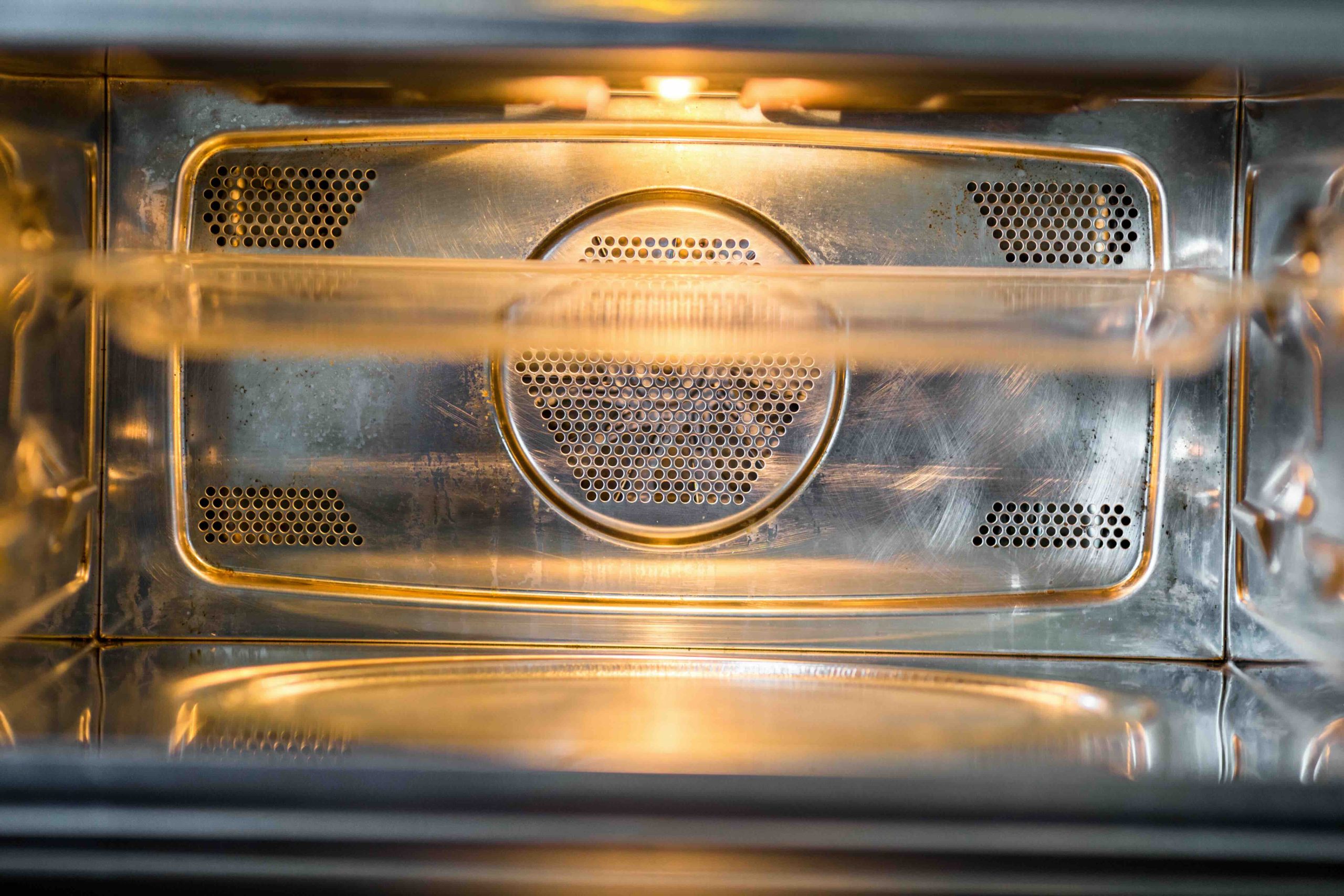
What Is an Oven Appliance Bulb and Why Does It Matter in Your Home?
Most homeowners spend a lot of time thinking about their oven’s heating elements, temperature accuracy, and cleaning cycles. Almost nobody thinks about the small bulb tucked inside the oven cavity — until it burns out at the worst possible moment. The appliance bulb oven, meaning the specific light bulb designed to function inside an oven’s interior, is one of those components that quietly does its job every single day. It handles extreme heat, survives repeated thermal cycles, and gives you a clear view of whatever you are cooking without having to open the door. Small? Yes. Easy to overlook? Absolutely. But understanding it properly can save you frustration, protect your appliance, and help you make smarter decisions about maintaining your home long-term.
How an Oven Appliance Bulb Actually Works
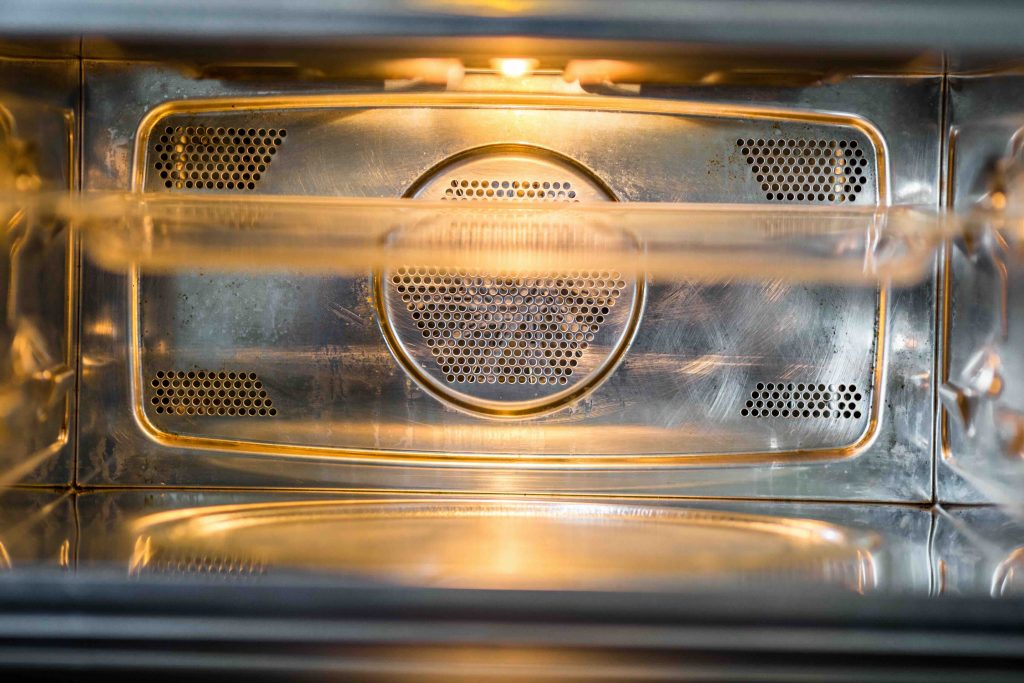
Standard household light bulbs are not built for oven conditions. A typical incandescent bulb is rated for ambient temperatures around room level — put one inside an oven cavity and it will fail quickly, sometimes dangerously. Appliance bulbs designed for ovens are built differently. They use heat-resistant glass envelopes and filaments engineered to withstand sustained temperatures that can reach 300 to 500 degrees Fahrenheit or higher during self-cleaning cycles. The bulb socket inside the oven is usually protected by a glass cover or shield, which keeps grease and food debris away from direct contact with the bulb. When you turn on the oven light, electricity flows through the filament, produces light, and the heat-tolerant construction keeps the bulb from failing prematurely. Some newer oven models use LED appliance bulbs specifically rated for high-heat environments, though traditional incandescent appliance bulbs remain common across many oven brands.
Types of Oven Appliance Bulbs You Should Know About
Not all oven bulbs are interchangeable, and using the wrong type can lead to premature failure or even damage to the socket. Here are the primary types homeowners encounter:
- Incandescent appliance bulbs: The most common type, typically 40 watts, with an E26 or E14 base depending on the oven brand and model. These are widely available and affordable.
- Halogen appliance bulbs: Used in some European and higher-end oven models, halogen bulbs offer brighter light and a slightly longer lifespan in high-heat environments.
- LED appliance bulbs: Newer oven designs are beginning to incorporate LED technology, though only bulbs specifically rated for high-temperature appliance use should ever be installed in an oven.
- G9 or T8 specialty bulbs: Some wall ovens and range models use smaller specialty base formats, so always consult your owner’s manual before purchasing a replacement.
Key Advantages of a Functioning Oven Appliance Bulb
It might seem like a small convenience, but a properly functioning oven bulb offers real practical value. The most obvious benefit is visibility. Being able to monitor food without opening the oven door preserves internal temperature, which directly affects baking and roasting outcomes. Every time you open an oven door, you can lose 25 to 50 degrees of heat, disrupting cooking consistency. The light also helps you quickly identify spills, bubbling, or browning that might otherwise go unnoticed. For households with children, being able to check on food without handling a hot oven door repeatedly adds a layer of everyday safety. Beyond convenience, a working oven light signals that the appliance’s internal electrical components are functioning properly, which matters from a home maintenance perspective.
Common Drawbacks and Problems With Oven Appliance Bulbs
The most common issue is simple burnout. Even heat-rated appliance bulbs have a finite lifespan, and frequent on-off cycles, exposure to self-cleaning cycle temperatures, and normal wear will eventually cause them to fail. Some homeowners notice the bulb flickers before fully burning out, which can indicate socket corrosion or a loose connection rather than bulb failure itself. Another common problem is the glass shield or cover cracking due to thermal stress or being bumped during oven cleaning. If the cover breaks, the exposed bulb becomes vulnerable to grease and moisture, which shortens its life significantly. In some older oven models, the socket itself corrodes over time, making bulb replacement more involved than expected. Forgetting to use the correct wattage is also a frequent mistake — installing a higher-wattage bulb than the oven is rated for can damage the socket or cause inconsistent performance.

How to Replace an Oven Appliance Bulb Safely
Replacing an oven bulb is a task most homeowners can handle independently, but doing it correctly matters. Start by unplugging the oven or switching off the dedicated circuit breaker — never work inside a live appliance. Allow the oven to cool completely before reaching inside, as the bulb cover and surrounding metal retain heat long after the oven turns off. Remove the glass shield carefully, typically by turning it counterclockwise, and set it aside. Unscrew the old bulb, taking note of the base size and wattage rating printed on the bulb itself. Install the replacement bulb by hand-tightening only — overtightening can crack the socket. Replace the glass cover, restore power, and test the light before closing up. Always wear dry, clean gloves when handling halogen bulbs, as skin oils can cause hot spots that shorten bulb life.
When an Oven Bulb Problem Points to a Bigger Issue
Sometimes a repeatedly failing oven bulb is not really about the bulb at all. If you find yourself replacing the bulb every few weeks, the problem is likely electrical. A faulty light switch inside the oven control panel, a deteriorating socket, or wiring issues within the appliance can all cause abnormal bulb failure patterns. Additionally, if the oven light circuit shares a connection with other internal electrical components, a deeper wiring fault can manifest first as a lighting problem before affecting heating performance. If standard troubleshooting does not resolve the issue after one or two bulb replacements, it is worth having a qualified appliance technician inspect the oven’s electrical system. Catching an underlying electrical issue early can prevent a minor inconvenience from becoming a costly repair — or worse, a safety hazard.
Practical Maintenance Tips for Oven Appliance Bulbs
A few simple habits can meaningfully extend the life of your oven appliance bulb and reduce the frequency of replacements. Keep the glass bulb cover clean by wiping it down during regular oven cleanings — buildup of grease and residue traps heat around the bulb, accelerating wear. Avoid using the oven light unnecessarily; leaving it on for extended periods when the oven is not in active use adds thermal stress over time. When running a self-cleaning cycle, check your oven’s manual — some manufacturers recommend removing the bulb before a self-clean cycle because the extreme temperatures involved can exceed even an appliance bulb’s rated tolerance. Always keep a spare appliance bulb in the correct wattage and base size on hand so that a burnout does not interrupt your cooking at an inconvenient moment.
How Home Warranties Relate to Oven Appliance Bulbs and Appliance Care
Understanding individual components like the oven appliance bulb is part of a broader picture of appliance ownership. While a single bulb replacement is a low-cost task, oven repairs that involve electrical components, heating elements, control boards, or internal wiring can become expensive quickly. This is where home warranty coverage becomes genuinely relevant. A home warranty plan that covers kitchen appliances can help offset the cost of covered repairs when your oven experiences a malfunction beyond routine maintenance. The distinction matters: bulb replacements and cleaning are considered routine homeowner maintenance and are typically not covered under warranty plans. But when the issue is a failed control switch causing the light circuit to malfunction, or a wiring fault that requires a technician, that is exactly the kind of repair a solid home warranty is designed to address.
Why Armadillo Is the Right Home Warranty Partner for Appliance Coverage
When your oven starts showing signs of deeper problems — beyond a simple bulb swap — having reliable appliance coverage in place makes all the difference. Armadillo offers straightforward, homeowner-friendly home warranty plans built around protecting the systems and appliances you rely on most. If you want a home warranty provider that approaches appliance coverage with transparency and genuine support, Armadillo home warranty plans for kitchen appliances and home systems are worth understanding before you need them, not after something breaks. Coverage for your oven and other major kitchen appliances means that when a repair exceeds a simple DIY fix, you are not facing unexpected out-of-pocket costs. Take a few minutes to get a free home warranty quote for oven and appliance protection and see what plan fits your home and budget. Protecting your appliances proactively is simply good homeownership.

Frequently Asked Questions About Oven Appliance Bulbs
Find answers to the most common questions homeowners have about oven appliance bulbs, replacements, and related appliance care.
What wattage bulb does an oven use?
Most standard home ovens use a 40-watt appliance bulb, though some models require 25-watt or 15-watt bulbs. Always check your oven’s owner’s manual or the label near the bulb socket before purchasing a replacement to ensure compatibility.
Can I use a regular light bulb in my oven?
No. Standard household light bulbs are not rated for the high temperatures inside an oven cavity. Using a regular bulb can cause it to shatter or fail quickly. Always use a bulb specifically labeled as an appliance bulb rated for oven use.
Why does my oven bulb keep burning out?
Frequent burnout usually points to an underlying issue such as a corroded socket, a faulty light switch in the control panel, or exposure to self-cleaning cycle temperatures. If the bulb fails repeatedly after standard replacement, have a technician inspect the oven’s electrical components.
Is it safe to use an oven with a broken bulb cover?
Using the oven for cooking with a broken cover is possible in the short term, but the exposed bulb becomes vulnerable to grease, steam, and food debris, which can cause it to fail prematurely or shatter. Replace the glass cover promptly to protect the bulb and maintain safety.
Should I remove the oven bulb before running a self-cleaning cycle?
Many oven manufacturers recommend removing the bulb before a self-cleaning cycle, as the extreme temperatures involved can exceed the bulb’s rated tolerance and cause premature failure. Check your specific oven’s manual for guidance on this.
What is the difference between an appliance bulb and a regular incandescent bulb?
Appliance bulbs are constructed with heat-resistant glass and filament materials designed to withstand high and sustained temperatures. Regular incandescent bulbs use standard materials not rated for appliance environments and will fail quickly under oven heat.
Can I use an LED bulb in my oven?
Only if the LED bulb is specifically rated for high-temperature appliance use. Standard LED bulbs are not designed for oven temperatures and will fail. Look for LED appliance bulbs that explicitly state compatibility with oven or high-heat environments on the packaging.
Does a home warranty cover oven light bulb replacement?
Typically, no. Light bulb replacement is considered routine homeowner maintenance and is excluded from home warranty coverage. However, if the bulb failure is tied to a covered electrical component such as a faulty switch or wiring issue, those repair costs may be covered depending on your plan terms.
How do I know what size base my oven bulb uses?
Check the existing bulb for any printed specifications, or refer to your oven’s owner’s manual. Common base sizes for oven bulbs include E26, E14, and G9, depending on the oven brand and model. When in doubt, bring the old bulb to the hardware store for direct comparison.
How long should an oven appliance bulb last?
Under normal use conditions, a standard incandescent oven appliance bulb typically lasts between one and three years. Usage frequency, exposure to self-cleaning cycles, and the quality of the specific bulb all influence actual lifespan.