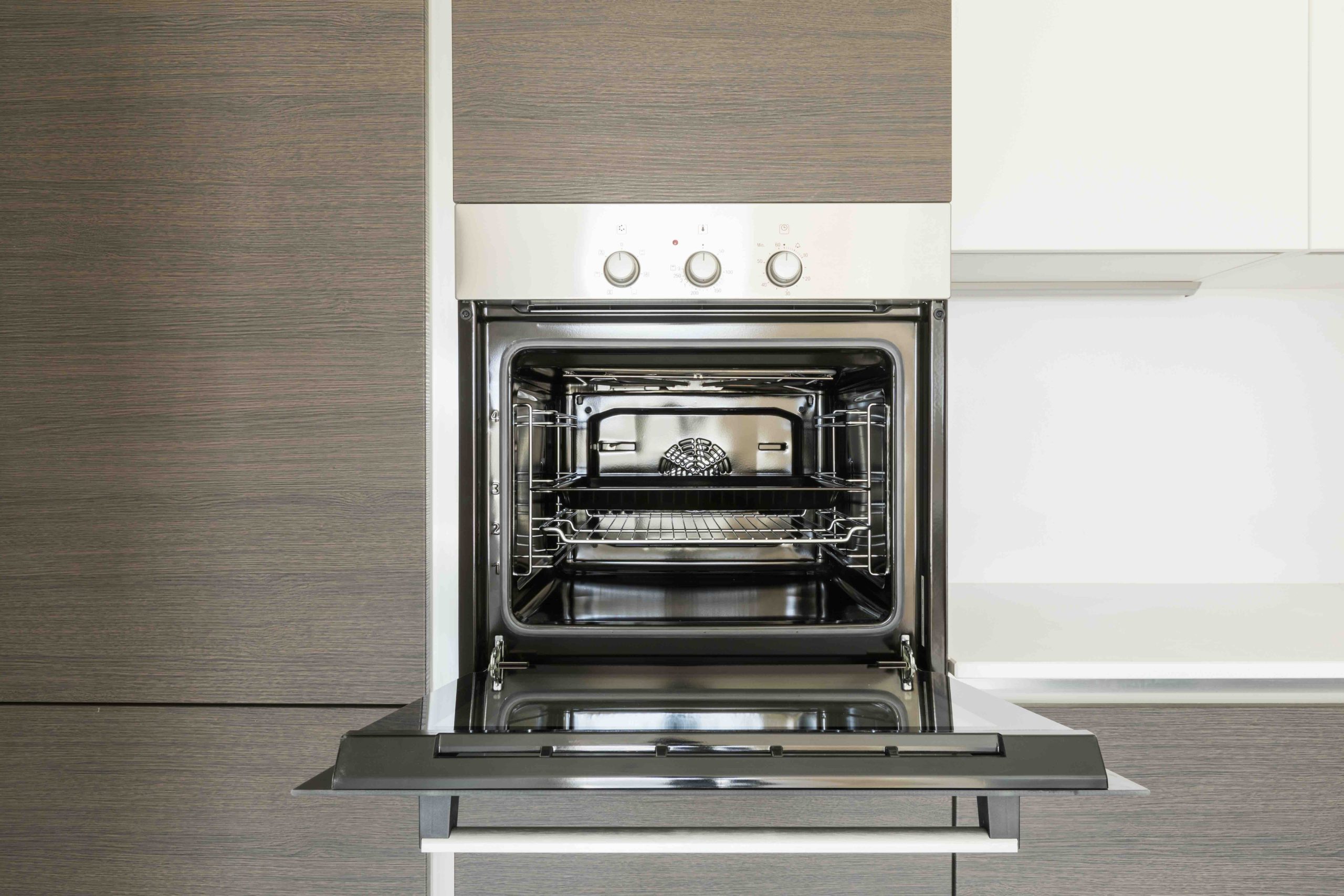
When Your Oven Stops Heating But the Stove Still Works
You preheat the oven, walk away, come back fifteen minutes later, and it is still cold. Meanwhile, the burners on the stovetop fire up just fine. This particular combination of working and not-working is confusing for a lot of homeowners, and understandably so. If electricity or gas is flowing to the stove, why is the oven completely unresponsive? The good news is that this is one of the more common range issues out there, and in many cases, the cause is identifiable without calling in a repair technician immediately. This article walks through why this happens, what the likely culprits are, what it costs to fix, and when it makes sense to lean on a home warranty instead of paying out of pocket.
Why the Oven and Stove Can Fail Independently
It seems strange at first. The oven and stovetop are part of the same appliance, but they actually operate through different components, different circuits, and in some cases, different power supplies entirely. Electric ranges, for example, often run the stovetop burners on a 120-volt circuit while the oven itself requires a full 240-volt connection to generate enough heat. If one leg of that 240-volt circuit trips or fails, the burners can function perfectly while the oven gets nothing. Gas ranges have their own version of this problem. The burners on top can ignite manually or through a spark igniter, but the oven typically depends on an electronic ignition system, a safety valve, and a temperature sensor that all have to cooperate. If any one of those components fails, the oven will not heat even though the burners work without issue.
The Most Common Reasons an Oven Stops Heating
Once you understand that the oven and stovetop are essentially separate systems sharing the same appliance body, the list of possible causes starts to make more sense. These are the components most likely responsible when an oven stops heating but the stove continues to work normally.
- Bake element failure (electric ovens): This is probably the most frequent culprit. The bake element is the coil at the bottom of the oven cavity that generates heat. When it burns out, the oven produces no heat. Sometimes you can see visible damage, like a crack or a spot where the element has burned through.
- Broil element failure: If only the broil function fails, the broil element at the top of the oven is likely the problem rather than the bake element.
- Tripped circuit breaker: As noted above, a 240-volt range uses two circuit breakers. One tripping can knock out the oven while leaving the burners operational.
- Faulty oven igniter (gas ovens): The igniter does two jobs in a gas oven. It creates the spark or glow to light the burner, and it also signals the gas valve to open. A weak or failed igniter means no gas, no flame, no heat.
- Temperature sensor issues: The oven temperature sensor monitors heat levels inside the cavity. If it malfunctions, the oven may not heat at all, or it may heat inconsistently.
- Defective control board: The control board is essentially the oven’s brain. A failure here can disable oven functions entirely while leaving the rest of the range unaffected.
- Broken safety valve (gas ovens): If the safety valve that controls gas flow to the oven burner fails, the oven will not receive fuel regardless of whether the igniter works.
How to Check a Few Things Before Calling for Help
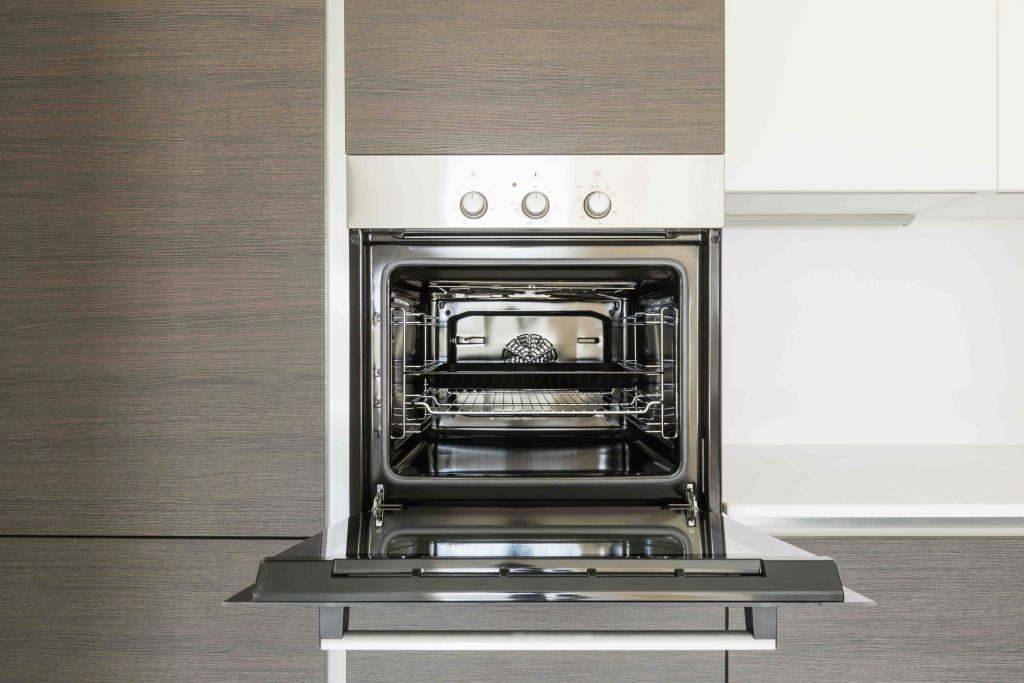
Before scheduling a service visit, there are a few simple checks worth doing. First, go to your electrical panel and look for any tripped breakers. A tripped breaker often sits in a middle position between on and off. Reset it by pushing it fully to off, then back to on. If the oven still does not heat, the breaker is likely not the issue. Second, for electric ovens, visually inspect the bake element. Open the oven door and look at the coil running along the bottom. If you see any dark spots, blistering, or visible breaks in the element, that is your answer. Third, if you have a gas oven and you can hear clicking when the oven is turned on but no flame appears, that is a reasonable indicator of an igniter problem. If you hear nothing at all, the control board or a wiring issue may be involved. These checks do not replace a professional diagnosis, but they can help you have a more informed conversation with a technician and potentially identify whether the fix is minor or more involved.

What It Typically Costs to Repair an Oven That Will Not Heat
Repair costs vary significantly depending on the component that has failed and whether you have an electric or gas range. Replacing a bake element is one of the more affordable repairs, often falling in the range of one hundred to two hundred dollars including labor. An oven igniter replacement on a gas range tends to run similarly. Temperature sensor replacements are generally in that same ballpark. Control board replacements, however, are where costs can climb quickly. Depending on the brand and model, a new control board alone can run several hundred dollars before labor is factored in. For older appliances where parts may need to be sourced carefully, costs can push even higher. At that point, the repair-versus-replace conversation becomes very real, particularly if the range is more than ten years old.
Electric vs. Gas Ovens: Does the Cause Differ
Yes, and it matters for diagnosing the problem correctly. With electric ovens, heating failures almost always come down to a failed element, a wiring issue, or a faulty control board. The absence of moving parts or fuel lines makes the diagnostic process a bit more straightforward. Gas ovens introduce additional variables. The igniter, the safety valve, and the gas supply all have to be functioning together for the oven to heat. It is also worth noting that in a gas range, the oven typically uses a different ignition system than the surface burners, which is precisely why the burners can light manually or through a standard spark igniter while the oven remains completely non-functional. If you smell gas but the oven will not light, turn off the appliance and call a professional immediately. That is a situation that goes beyond DIY troubleshooting.
When to Repair and When to Replace
There is a rough rule of thumb in the appliance repair world: if the cost to repair exceeds fifty percent of the cost to replace the appliance, replacement starts to make more financial sense. For ovens, this calculation depends heavily on the age of the range and the specific component involved. A five-year-old range with a failed bake element is almost always worth repairing. A twelve-year-old range with a failed control board that costs four hundred dollars to replace is a much harder call. Brand reliability, parts availability, and energy efficiency of newer models all factor into that decision. A technician can help you assess this, but it is worth walking into that conversation with some awareness of your appliance’s age and approximate replacement cost.
How Home Maintenance Habits Can Extend Oven Life
Some oven failures are genuinely unavoidable, but others develop gradually due to neglect or misuse. Keeping the oven clean is more important than it sounds. Heavy grease buildup around elements can cause them to overheat and burn out prematurely. Using the self-cleaning function too frequently can generate extreme temperatures that stress the control board and other components. Slamming the oven door repeatedly puts unnecessary wear on hinges and door gaskets, and a door that does not seal properly causes the oven to work harder to maintain temperature, putting additional strain on the heating components. Avoiding foil-lined oven floors is also worth mentioning, as this practice can disrupt airflow and cause uneven or failed heating. Small habits over time make a measurable difference in how long your oven performs reliably.
The Role of a Home Warranty When Your Oven Breaks Down
A home warranty can be genuinely useful in this exact situation. When an oven stops heating due to a mechanical or electrical failure of a covered component, a home warranty plan typically steps in to cover the cost of diagnosis, repair, or replacement, depending on the terms of the plan. This is distinct from homeowners insurance, which covers damage from events like fires or flooding but does not cover appliance breakdowns from normal wear and tear. Home warranties are specifically designed for the kind of failure described in this article: a component inside a functioning appliance simply stops working over time. If you have an older range or multiple aging appliances in your home, a home warranty plan can offer meaningful financial protection against the kind of unexpected repair bills that tend to arrive at the worst possible time.
Why Armadillo Stands Out When Your Oven Stops Working
When your oven fails and the repair bill lands somewhere between inconvenient and genuinely painful, having the right home warranty plan in place can make all the difference. Armadillo offers straightforward, honest coverage built for exactly these moments. No confusing fine print, no runaround when you file a claim, just real protection for the systems and appliances that your home depends on every day. If you are searching for reliable home warranty coverage for oven repairs and kitchen appliance failures, Armadillo is worth a serious look. The plans are designed with homeowners in mind, covering components that break down from normal use, which is precisely what happens when an oven igniter burns out or a bake element fails. Getting started takes about two minutes, and you can get a personalized home warranty quote that covers your oven and other major appliances without sitting through a sales call. For homeowners who want to stop absorbing unexpected repair costs and start protecting their budget, Armadillo is the kind of coverage that actually delivers when something goes wrong.

Frequently Asked Questions About an Oven Not Heating But Stove Works
These answers address the most common questions homeowners ask when their oven stops producing heat while the stovetop continues to function normally.
Why is my oven not heating up but my stove burners still work?
The oven and stovetop use different components and sometimes different electrical circuits. A failed bake element, a tripped circuit breaker leg, or a faulty igniter can disable the oven without affecting the burners at all.
Can a tripped circuit breaker cause only the oven to stop working?
Yes. Electric ranges draw from a 240-volt circuit that uses two breakers. If one trips, the oven may lose power while the stovetop burners continue to work on the remaining circuit leg.
How do I know if my oven bake element is bad?
Open the oven and visually inspect the coil element at the bottom. If you see burn marks, cracks, blistering, or a visible break in the element, it has likely failed and needs to be replaced.
How do I know if my gas oven igniter is failing?
Signs of a failing igniter include the oven taking much longer than usual to heat up, a clicking sound without ignition, or the oven failing to heat at all while the stovetop burners still light normally.
Is it safe to use my stove if the oven is not working?
In most cases, yes. If the stovetop burners are functioning normally and you do not smell gas, using the surface burners while the oven issue is diagnosed is generally safe. If you smell gas, do not use any part of the appliance and call for service immediately.
How much does it cost to fix an oven that is not heating?
Costs vary by component. Bake element replacements typically run one hundred to two hundred dollars. Igniter replacements fall in a similar range. Control board replacements can cost several hundred dollars depending on the make and model of the range.
Can I replace a bake element myself?
Some homeowners with basic comfort around appliance repair do replace bake elements on their own, as the process can be relatively straightforward on many models. However, working with electrical components carries risk, and if you are unsure, a qualified technician is always the safer choice.
Does a home warranty cover an oven that stops heating?
Many home warranty plans do cover oven failures that result from mechanical or electrical breakdown of covered components. Specific coverage depends on the plan terms, so it is important to review what components are included before assuming coverage applies.
How long do oven bake elements typically last?
Bake elements generally last between ten and fifteen years, though heavy use, grease buildup, and other environmental factors can shorten their lifespan considerably.
Should I repair or replace my oven if it stops heating?
If the repair cost is less than half the price of a comparable new range and the appliance is fewer than ten years old, repair is usually the smarter choice. For older ovens facing expensive component replacements, replacement may offer better long-term value.