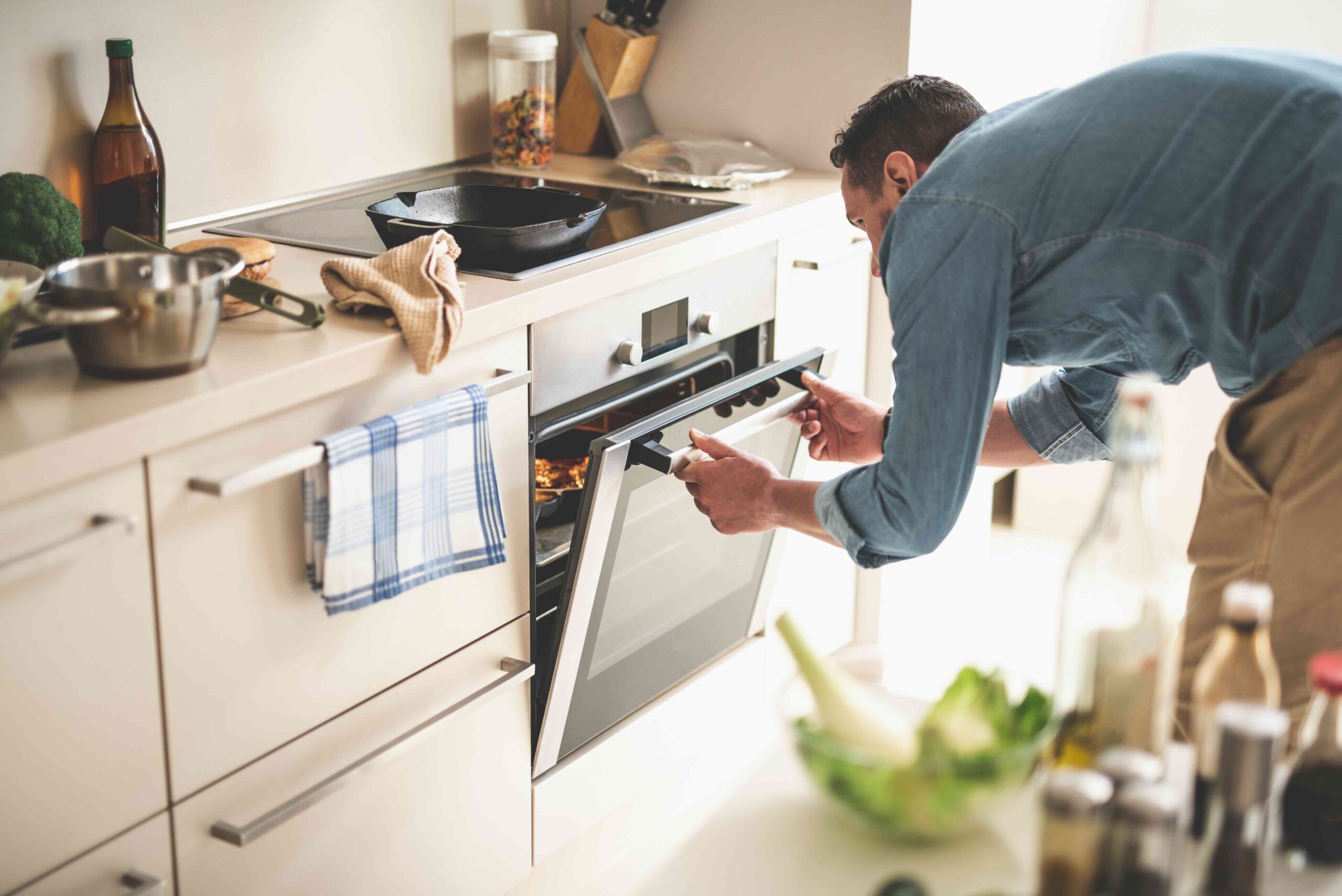
When Your Oven Won’t Heat Up All the Way: What’s Really Going On
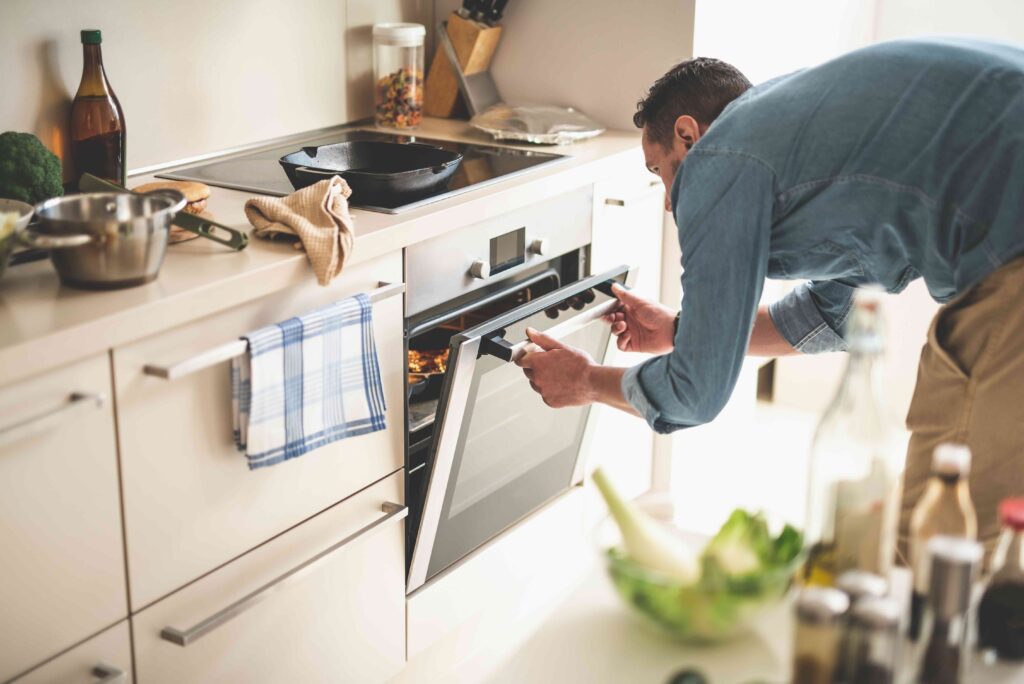
You set the oven to 375 degrees, give it twenty minutes to preheat, and then slide in a casserole dish only to find that an hour later, dinner is still raw in the middle. Sound familiar? An oven that won’t reach or hold the right temperature is one of the most frustrating kitchen problems a homeowner can face — and it’s more common than most people realize. The good news is that this issue usually has a clear cause, and once you understand what’s happening inside your appliance, you can make smarter decisions about whether to repair it, replace it, or protect yourself before the next breakdown happens.
How Your Oven Actually Works
Whether you have a gas range or an electric oven, the basic idea is the same: a heat source brings the interior cavity up to a target temperature, and a thermostat or control board regulates that temperature over time. In an electric oven, one or two heating elements — usually a bake element at the bottom and a broil element at the top — convert electrical energy into heat. In a gas oven, a burner ignites beneath the oven floor and a separate igniter or pilot light controls the flame. A temperature sensor inside the cavity constantly communicates with the control board, which cycles the heat source on and off to maintain whatever temperature you set. When any part of this system fails or degrades, the oven either can’t get hot enough or can’t stay hot long enough to cook food properly.
The Most Common Reasons an Oven Won’t Heat Up Fully
There are several likely culprits when an oven underperforms, and knowing the difference can save you time and money before you call a technician.
- A failing bake or broil heating element — visible damage like blistering or breaks are signs it has burned out
- A faulty oven temperature sensor — if the sensor is reading the cavity temperature incorrectly, the oven won’t know it’s too cool
- A worn-out or miscalibrated thermostat — older ovens especially are prone to thermostat drift over time
- A damaged igniter in gas ovens — a weak igniter may not produce enough heat to open the gas valve fully
- A failing control board — the electronic brain of the oven may be sending incorrect signals
- Poor door seals — if heat is escaping from around the door, the oven will struggle to maintain temperature
Each of these issues presents differently, but they all lead to the same result: inconsistent cooking, longer preheat times, and a lot of guesswork in the kitchen. A simple oven thermometer, which costs just a few dollars, is actually one of the fastest ways to confirm whether your oven is heating accurately or running significantly below your set temperature.
Diagnosing the Problem Before Calling a Repair Technician
You don’t need to be an appliance expert to do a little preliminary investigation. Start with an oven thermometer placed on the center rack. Set your oven to 350 degrees, wait a full fifteen minutes after the preheat signal, and check the reading. If there’s a gap of more than 25 degrees between the set temperature and the actual temperature, something is off. Next, visually inspect the heating elements when the oven is completely cool and unplugged. Look for any dark spots, visible cracks, or areas where the element appears to have burned through. On a gas oven, watch whether the igniter glows orange before the burner lights — if it glows weakly or takes longer than 90 seconds to ignite, the igniter is likely failing. These observations give any repair technician a useful starting point and may save you a diagnostic fee.

Repair Costs: What to Expect When the Technician Arrives
Repair pricing varies depending on your location, the age of the appliance, and the specific component that needs replacing. A heating element replacement is generally on the lower end of the cost spectrum, often ranging from $150 to $300 including parts and labor. A temperature sensor swap is similarly affordable. However, if the issue is a faulty control board, costs can rise considerably — sometimes reaching $400 to $600 or more. Gas oven igniter replacements tend to fall somewhere in the middle, typically between $150 and $300. Keep in mind that labor rates in higher cost-of-living areas will push these numbers up, and if your oven is an older model, parts availability can be a challenge that drives up both cost and wait time.
Repair Versus Replace: Making the Right Call
The general rule of thumb in the appliance world is that if a repair costs more than half the price of a new unit, replacement is worth serious consideration. A standard freestanding range costs anywhere from $600 to over $2,000 depending on the brand and features, so it’s worth getting a repair estimate before assuming the worst. That said, age matters significantly. An oven that’s under ten years old is usually worth repairing. One that’s pushing fifteen or twenty years and requiring its second or third major fix is probably on borrowed time. Factor in energy efficiency as well — newer ovens, particularly those with convection technology, can cook food faster and more evenly while using less energy than aging units struggling to maintain temperature.
Preventive Maintenance Tips to Keep Your Oven Running Right
Ovens are one of the more durable kitchen appliances, but they still benefit from regular attention. Clean your oven regularly to prevent grease buildup that can interfere with heating elements and sensors. Avoid lining the oven floor with foil, which traps heat and can damage the bake element or affect airflow. Check door gaskets periodically for cracks or hardening — a compromised seal lets heat escape and forces the oven to work harder. If you notice your oven is consistently running hot or cool, most modern ovens allow for temperature calibration through the settings menu, which can correct minor thermostat drift without a service call. These small habits extend the life of your appliance and reduce the likelihood of a sudden breakdown at the worst possible time.
How Oven Failures Affect Your Daily Life More Than You’d Expect
It’s easy to underestimate how central a working oven is to household routines until it stops functioning properly. Meal planning becomes unreliable. Food safety becomes a concern when dishes aren’t reaching proper internal temperatures. Takeout and dining out become default options that quietly strain the household budget. For families with young children or anyone managing dietary needs at home, a malfunctioning oven isn’t just inconvenient — it’s genuinely disruptive. The emotional cost of an unreliable appliance adds up just as quickly as the financial one, which is why addressing oven issues promptly and having a plan in place for unexpected repairs makes practical sense.
What a Home Warranty Covers When Your Oven Stops Working
A home warranty is a service contract that covers the repair or replacement of major home systems and appliances when they break down due to normal wear and tear. Most comprehensive home warranty plans include kitchen appliances, and that typically means your oven, range, and cooktop are covered. When your oven fails, instead of searching for a technician and paying full price out of pocket, you contact your home warranty provider, pay a service fee, and a pre-screened technician is dispatched to diagnose and repair the issue. Coverage specifics vary by provider and plan, so it’s worth reviewing exactly what components are included — some plans cover parts and labor for heating elements, igniters, and control boards, while others may have limitations around cosmetic components or certain failure types.
Why Armadillo Is the Right Home Warranty Partner When Your Oven Lets You Down
When your oven stops heating and dinner plans fall apart, the last thing you want is to navigate a confusing claims process or wait days for a callback. That’s where having the right home warranty provider makes all the difference. Armadillo home warranty coverage for kitchen appliances and home systems is built around transparency, speed, and simplicity — so when something breaks, you’re not left guessing about what’s covered or how long help will take. Armadillo’s plans are straightforward, their service network is reliable, and their pricing is honest. If you’ve been dealing with oven issues or just want to protect yourself before the next appliance breakdown catches you off guard, now is a smart time to get a free home warranty quote for oven and appliance protection and see what a plan looks like for your home. Being prepared isn’t about being pessimistic — it’s about being practical.

Frequently Asked Questions About Ovens That Won’t Heat Up
Here are answers to the questions homeowners ask most often when their oven isn’t reaching the right temperature.
Why is my oven not reaching the set temperature?
The most common causes are a failing heating element, a faulty temperature sensor, or a miscalibrated thermostat. A quick test with an oven thermometer can help you confirm whether the oven is actually underheating before calling a technician.
Can I still use my oven if it won’t heat up all the way?
You can use it with caution, but it’s not recommended for foods that require precise temperatures to be safe, such as poultry or pork. Undercooked food presents a genuine food safety risk, so repairs should be prioritized.
How do I know if my oven heating element is bad?
Visually inspect the element when the oven is cool and unplugged. Look for visible breaks, blistering, or dark burn marks along the element. If it’s visibly damaged, it needs to be replaced.
How long does it take to repair an oven that won’t heat?
Most oven repairs, including element and sensor replacements, can be completed in a single service visit of one to two hours. Parts availability may extend the timeline in some cases.
Is it worth repairing an oven or should I replace it?
If the oven is less than ten years old and the repair costs less than half the price of a comparable new unit, repair is generally the better financial choice. Older appliances requiring repeated repairs are usually better candidates for replacement.
Does a home warranty cover oven repairs?
Most comprehensive home warranty plans do cover oven and range repairs, including parts like heating elements, igniters, and temperature sensors. Coverage details vary by provider and plan, so reviewing your contract terms is important.
What is the typical lifespan of a household oven?
Most ovens last between 13 and 15 years with regular use and basic maintenance. Gas ovens tend to last slightly longer than electric models on average.
Why does my gas oven take so long to preheat?
A weak or failing igniter is a common culprit. When the igniter doesn’t generate enough heat to fully open the gas valve, the burner may produce a reduced flame, leading to longer preheat times and lower maximum temperatures.
Can a bad oven door seal cause heating problems?
Yes. A cracked or hardened door gasket allows heat to escape the oven cavity continuously, making it very difficult for the appliance to reach and sustain the target temperature. Replacing the door seal is usually an affordable fix.
How can I temporarily compensate for an oven that runs cool?
Increase your set temperature by 25 to 50 degrees as a short-term workaround and use an oven thermometer to monitor actual heat levels. This is not a permanent solution, but it can get you through a meal while you schedule a repair.