Why Your Garage Door Opener Stops Responding and What to Do About It
You pull into the driveway after a long day, hit the button on your remote, and nothing happens. The garage door just sits there. Before you assume the worst and start budgeting for a replacement, there is a very good chance that a simple reset is all your overhead garage door opener needs. This is one of those home systems that most people use multiple times a day without thinking about it — until it stops working. Understanding how your garage door opener functions, why resets become necessary, and what limitations come with the territory can save you real money and a lot of unnecessary stress.
What Is an Overhead Garage Door Opener and How Does It Work
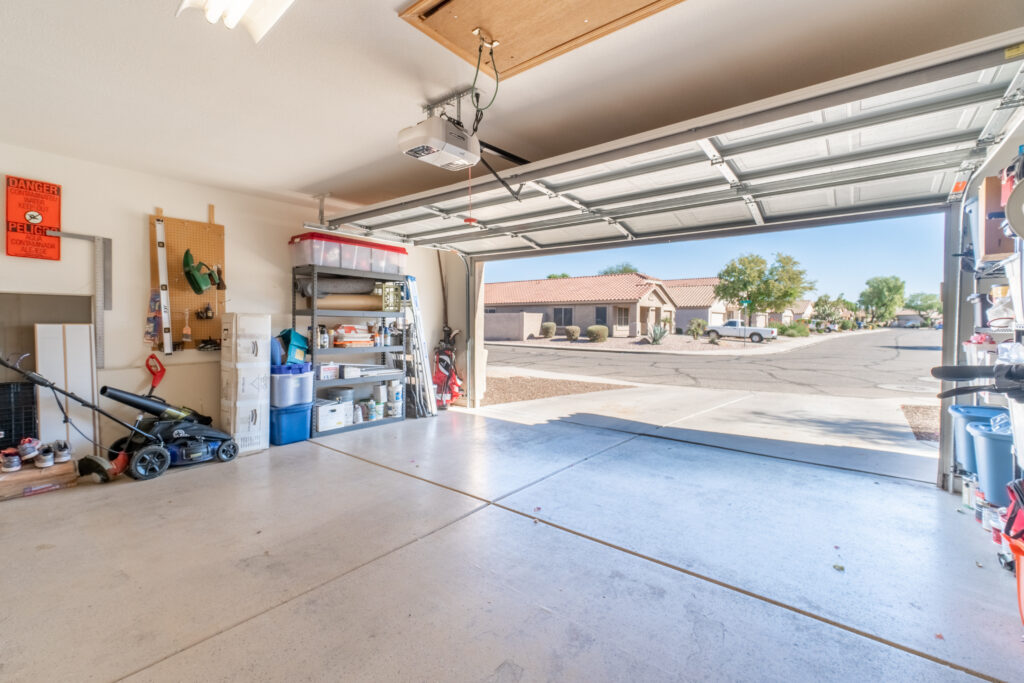
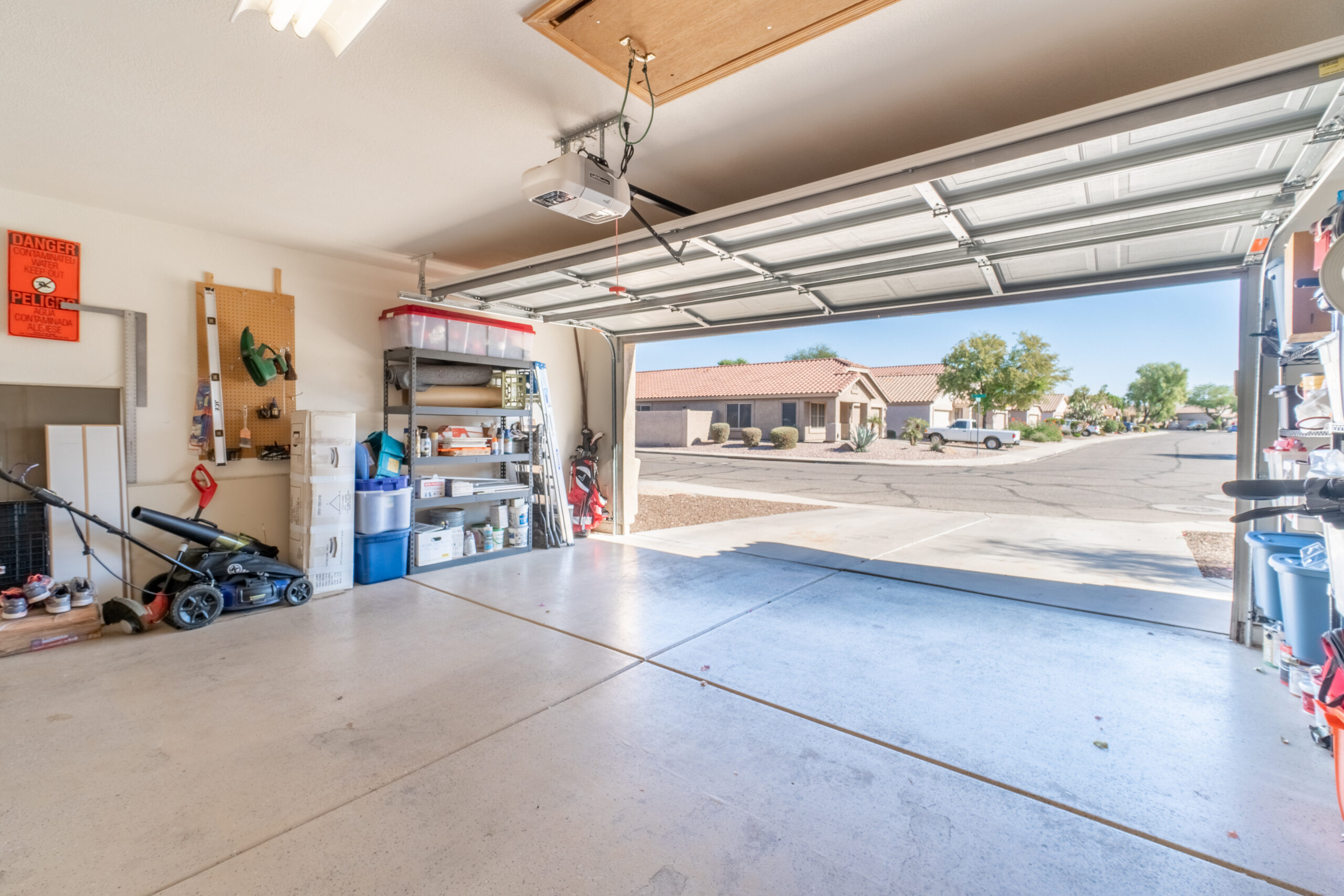
An overhead garage door opener is a motorized device that automates the lifting and lowering of your garage door. The system typically includes a motor unit mounted to the ceiling of the garage, a drive mechanism that moves the door along a track, and a series of sensors, remotes, and wall-mounted controls that communicate with the unit. Most modern openers use one of three drive types: chain drive, belt drive, or screw drive. Each has its own noise profile and maintenance characteristics, but they all operate on the same fundamental principle — a motor receives a signal, activates the drive, and the door moves. The opener also connects to safety sensors positioned near the floor on both sides of the door. These sensors create an invisible beam, and if anything interrupts that beam while the door is closing, the door reverses automatically. It is a straightforward system, but it has enough moving parts and electronic components that occasional hiccups are completely normal.
Common Reasons a Garage Door Opener Needs to Be Reset
Power outages are probably the most frequent trigger for needing a reset. When power is cut and then restored, the opener’s internal logic board can lose its programmed settings, including the codes synced to your remotes and keypads. Beyond that, there are a few other situations that commonly lead to reset territory. Radio frequency interference from nearby devices can scramble communication between the remote and the motor unit. A misaligned or dirty safety sensor will cause the opener to behave erratically or refuse to close the door entirely. Firmware glitches in smart-enabled openers — yes, those exist now — can also create response issues that a reset clears up quickly. Sometimes the logic board just needs a fresh start, the same way a computer benefits from a reboot. None of these scenarios necessarily indicate that something is broken beyond repair. They are part of normal ownership.
How to Reset Your Overhead Garage Door Opener Step by Step
The exact reset process varies by brand and model, but the general approach is consistent across most units. Start by locating the Learn button on your opener’s motor unit — it is usually on the back or side panel and may be labeled or color-coded. Pressing and holding this button for approximately six seconds will erase all previously programmed remote codes and restore the unit to a factory-like state. From there, you can re-sync your remotes by pressing the Learn button once, then pressing the button on your remote within 30 seconds until the opener’s light flashes or you hear a click. For smart openers connected to an app, you may also need to re-link the unit to your home Wi-Fi network through the manufacturer’s app. Always consult your owner’s manual for model-specific instructions, and if you have lost the manual, most manufacturers post them online using the model number printed on the motor unit.
Key Advantages of Modern Garage Door Openers
Today’s overhead garage door openers offer a surprising number of features that go well beyond just opening and closing a door. Here is a quick look at what makes the modern units genuinely useful for homeowners:
- Smart home integration allows you to monitor and control your garage door from anywhere using a smartphone app
- Battery backup systems keep the opener functional during power outages, which is especially valuable if your garage is your primary entry point
- Auto-close timers let you set the door to close automatically after a defined period, reducing the chance of leaving it open overnight
- Improved safety sensors with better sensitivity and alignment tolerance reduce false reversals and improve child and pet safety
- Quieter belt drive and DC motor options have made modern openers significantly less disruptive in attached garage situations
These advances have turned the garage door opener into one of the more underappreciated smart home components in a modern house. The convenience factor is real, and for homes where the garage is used as the main entry point, reliability matters a great deal.
Common Drawbacks and Limitations Homeowners Should Know
No home system is without its challenges, and garage door openers are no exception. The motor and drive components wear down over time, especially with heavy daily use. Chains stretch, belts fray, and the logic boards that control smart features are sensitive to power surges. Sensor alignment is another persistent issue — even a small shift caused by something bumping the sensor bracket can make your door behave as though it is haunted. Cold climates add another layer of complexity, as low temperatures can affect the motor’s performance and cause metal components to contract in ways that disrupt normal operation. Wi-Fi-dependent features are only as reliable as your home network, meaning a router reboot or internet outage can temporarily knock out smart functionality. The average lifespan of a garage door opener motor unit is roughly 10 to 15 years, and repair costs can climb depending on whether the issue is mechanical or electronic.
When a Reset Is Not Enough and Repair Becomes Necessary
There are situations where a reset will not resolve the problem, and it is worth knowing the difference between a software issue and a mechanical one. If your opener runs but the door does not move, the drive mechanism may be broken or the door itself may be off track. If the motor hums but produces no movement, the gears inside the unit may be stripped. Grinding noises during operation often point to worn or damaged drive components. Sensor issues that persist after cleaning and realigning the sensors may indicate a wiring problem or a failed sensor unit. In any of these cases, professional service is the appropriate next step. Attempting to repair drive mechanisms or rewire sensors without experience can create safety hazards, particularly given the tension involved in garage door spring systems, which are separate from but connected to the opener’s operation.
Maintenance Tips to Keep Your Garage Door Opener Running Smoothly
Preventive care goes a long way with this system. Lubricating the chain or belt drive once or twice a year with a product designed for garage door systems reduces friction and wear. Testing the auto-reverse feature monthly by placing a small object under the door as it closes confirms the safety sensors are functioning correctly. Wiping down the sensor lenses periodically prevents dirt accumulation from interfering with the beam. Checking the remote battery every six months and replacing it proactively avoids the frustration of a dead remote at an inconvenient time. For smart openers, keeping the firmware updated through the manufacturer’s app ensures you have the latest bug fixes and security patches. These small habits extend the life of your opener and reduce the likelihood of needing a repair at the worst possible moment.
How a Home Warranty Can Protect Your Garage Door Opener Investment
A garage door opener is exactly the kind of home system that catches people off guard when it fails. It works perfectly for years, then one day it simply does not, and the cost of diagnosis, parts, and labor adds up faster than most homeowners expect. This is where having reliable home warranty coverage makes a meaningful difference. When your opener’s motor fails or the logic board gives out, you should not have to spend time negotiating with repair companies or worrying about whether the bill fits your budget that month. That is the entire value proposition of a home warranty — predictable coverage for unpredictable breakdowns. Armadillo home warranty coverage for garage door openers and essential home systems is built around the idea that homeowners deserve straightforward protection without confusing exclusions or frustrating claim processes. If you are ready to stop leaving your home systems to chance, you can get a free home warranty quote that covers your garage door opener and more in just a few minutes. Armadillo keeps things simple, honest, and genuinely useful — the way home protection should work.
Frequently Asked Questions About Overhead Garage Door Opener Resets
How do I know if my garage door opener needs a reset or a repair?
If the opener is unresponsive to remotes and wall controls but shows power, a reset is usually the right first step. If the motor runs but the door does not move, or if you hear grinding or unusual noises, a repair is likely needed.
Will resetting my garage door opener erase all my remote pairings?
Yes. A full reset using the Learn button clears all programmed remote codes. You will need to re-sync each remote, keypad, and any vehicle HomeLink systems after completing the reset.
How long does it take to reset a garage door opener?
The reset itself takes about 10 to 15 seconds. Re-programming all of your remotes and keypads afterward typically takes no more than 10 to 20 minutes depending on how many devices need to be re-synced.
Why does my garage door opener keep losing its programming?
Frequent loss of programming is often caused by power surges, a failing logic board, or interference from nearby radio frequency sources. Installing a surge protector on the outlet powering your opener can help prevent this.
Can I reset my garage door opener without the Learn button?
On most models, the Learn button is the standard method for resetting. Some older units without this feature may require unplugging the unit for 30 seconds and then reprogramming remotes manually. Check your owner’s manual for model-specific guidance.
Do smart garage door openers reset differently than standard ones?
Smart openers typically require both a hardware reset using the Learn button and a software reset through the manufacturer’s app, which disconnects the unit from your Wi-Fi network and account before you can set it up again.
Is it safe to reset a garage door opener myself?
Resetting the electronic components of a garage door opener is safe and does not require any tools or technical experience. However, any work involving the door’s springs, cables, or track should always be handled by a professional.
Why are my garage door sensors blinking after a reset?
Blinking sensors after a reset usually indicate a misalignment between the two sensor units. Adjust both sensors until they point directly at each other and the indicator lights show solid rather than blinking to resolve this.
How often should I reset my garage door opener?
There is no need to reset your opener on a scheduled basis. Resets are situational responses to issues like lost programming, unresponsive remotes, or post-power-outage behavior. Performing unnecessary resets offers no maintenance benefit.
Does a home warranty cover garage door opener repairs and replacements?
Coverage depends on the specific plan. Many home warranty plans include garage door opener motors and related mechanical components. Always review the coverage details before purchasing to confirm what is and is not included in your plan.