What Is a PVC Plumbing Stack and Why Does It Matter in Your Home?
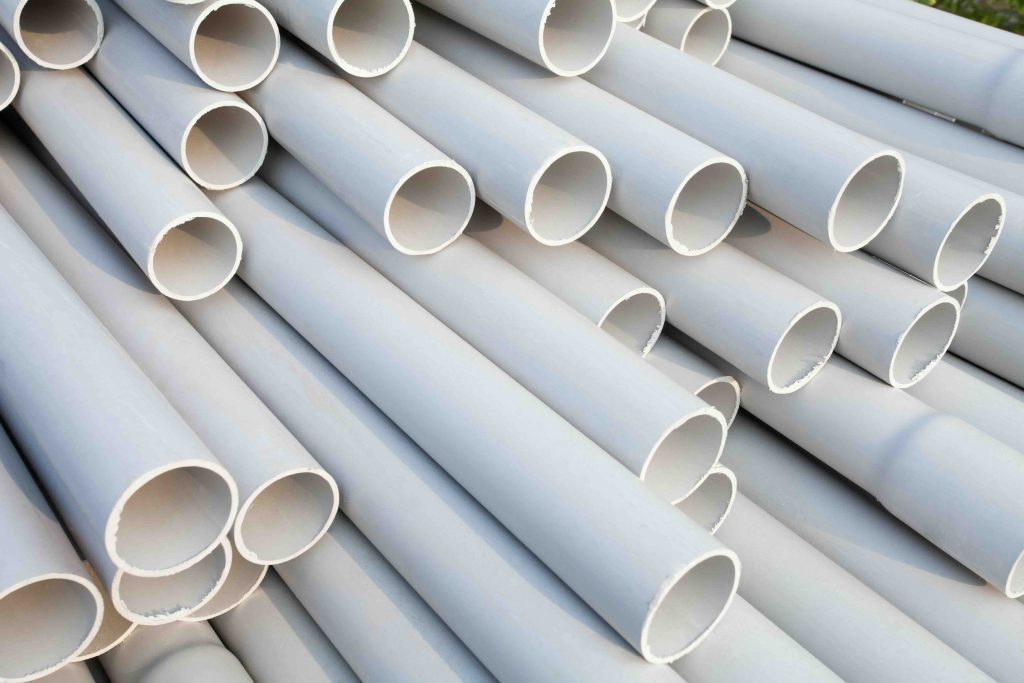
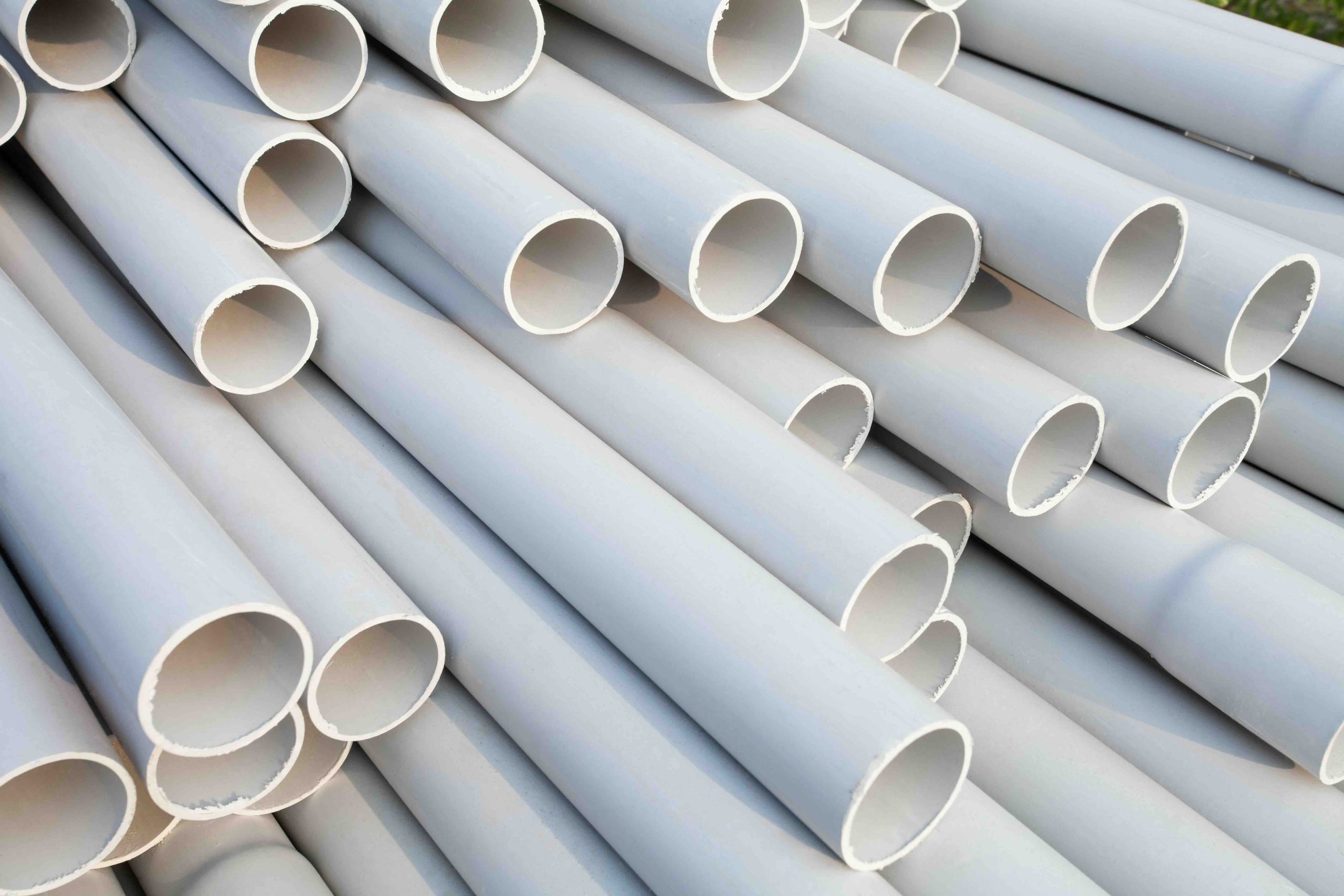
If you have ever wondered what that large vertical pipe running through the interior of your home actually does, you have found the right article. That pipe is most likely your plumbing stack, and if your home was built or replumbed in the last several decades, there is a strong chance it is made from PVC. The plumbing stack is one of the most essential components in your entire drain, waste, and vent system. It connects every drain in your home to the main sewer line and also vents sewer gases safely out through your roof. PVC, which stands for polyvinyl chloride, has become the go-to material for these stacks in residential construction. It is lightweight, durable, cost-effective, and relatively easy to work with. Understanding how it functions and what can go wrong is genuinely useful knowledge for any homeowner.
How a PVC Plumbing Stack Actually Works
The plumbing stack operates on two principles simultaneously: gravity and air pressure. Wastewater from your toilets, sinks, showers, and appliances flows downward through the stack toward the main drain line, which exits the home and connects to either a municipal sewer system or a septic tank. At the same time, the stack vents upward through the roof, which allows air to enter the drain system so water flows freely without creating a vacuum or pulling water out of your fixture traps. Those traps, the curved sections of pipe under your sinks, hold water that blocks sewer gases from entering your living space. Without proper venting through the stack, those traps fail, and the results are unpleasant. PVC handles both the drainage and venting functions efficiently, making it a reliable choice from a performance standpoint.
Why Builders and Plumbers Prefer PVC for Plumbing Stacks
The shift toward PVC in residential plumbing was not accidental. Builders and licensed plumbers gravitated toward it for very practical reasons that still hold up today. PVC is resistant to corrosion, which is a significant advantage over older cast iron or galvanized steel stacks that can rust and deteriorate over time. It is also much lighter, which makes installation faster and less physically demanding. The material does not react with most household chemicals, including common drain cleaners, at normal concentrations. On top of all that, PVC is considerably less expensive than alternatives like copper or ABS plastic in most markets. The fittings are standardized, widely available, and bond together with solvent cement rather than requiring heat or specialized tools. For residential plumbing stacks, it checks nearly every box.

Key Advantages of PVC Plumbing Stacks for Homeowners
When you are evaluating the systems inside your home, knowing the strengths of your PVC stack helps you appreciate what you have and maintain it properly. The advantages are worth laying out clearly.
- Long service life: PVC plumbing stacks can last 50 to 100 years under normal conditions with minimal maintenance.
- Smooth interior surface: The inside of PVC pipe is smooth, which reduces buildup and keeps water flowing efficiently without significant scaling.
- Low maintenance requirements: Unlike older metal pipes, PVC does not corrode, rust, or require chemical treatment to stay functional.
- Cost-effective repairs: When damage does occur, PVC sections are relatively inexpensive to cut out and replace compared to metal alternatives.
- Noise reduction over ABS: PVC is somewhat quieter than ABS plastic during water flow, which matters in multi-story homes where stacks run through interior walls near living spaces.
Common Drawbacks and Limitations Worth Knowing
No material is perfect, and PVC plumbing stacks come with a handful of limitations that homeowners should be aware of. First, PVC does not handle extreme heat well. While it manages normal hot water temperatures from household fixtures without issue, exposing PVC to very high temperatures, such as near water heater connections or commercial-grade equipment, can cause warping or degradation over time. Second, PVC can become brittle in freezing conditions, which is more relevant in unheated spaces like crawl spaces or exterior-adjacent walls in cold climates. Third, the pipe can expand and contract with temperature fluctuations, and over many years that movement can stress joints if they were not properly installed with expansion in mind. Finally, PVC is not fire-rated, and in certain commercial or multi-family residential applications local codes may require a different material. Always check local building codes when replacing or adding to a plumbing stack.
Signs Your PVC Plumbing Stack May Have a Problem
Catching issues early with a plumbing stack can prevent significant water damage and costly repairs. The stack is largely hidden behind walls and under floors, but there are warning signs that surface if something goes wrong. Slow drains throughout the home, not just at one fixture, often point to a blockage or venting issue within the main stack rather than a localized clog. Gurgling sounds coming from toilets or sink drains after flushing indicate a venting problem where air is being pulled through the traps. Persistent sewer odors inside the home suggest a failed trap or a crack in the stack that is allowing gases to escape. Visible staining, moisture, or soft drywall near the stack’s path through interior walls can indicate a leak. If you notice any combination of these signs, it is worth calling a licensed plumber for an inspection before the situation escalates.
PVC Stack Maintenance Tips Every Homeowner Should Follow
Maintaining a PVC plumbing stack does not require a lot of effort, but a few consistent habits go a long way toward preventing problems. Avoid pouring grease, fats, or oils down any drain in the home, as these solidify in the pipe and create blockages that can back up into the stack. Be cautious with chemical drain cleaners since overuse of highly caustic products can degrade pipe joints over time, even in PVC systems. Have a licensed plumber perform a camera inspection of your main stack every several years, especially if your home is older or if you have experienced repeated drain issues. Ensure the roof vent opening at the top of your stack remains clear of debris, leaves, or bird nests, as a blocked vent cap is a surprisingly common cause of whole-house drain and odor problems.
PVC Plumbing Stacks and Home Warranty Coverage: What Homeowners Should Understand
This is where things get especially relevant for homeowners who carry or are considering a home warranty. A home warranty is a service contract that covers the repair or replacement of major home systems and appliances when they fail due to normal wear and tear. Plumbing systems, including interior drain lines and the plumbing stack, are commonly included in home warranty plans. However, coverage specifics vary by provider and plan. Most home warranty companies cover failures that result from normal deterioration, but may exclude damage caused by pre-existing conditions, improper installation, or physical damage. Understanding what your plan covers before something breaks is far more useful than reading the fine print during an emergency. Review your contract carefully, and do not hesitate to ask your provider directly which plumbing components are included.
Why Armadillo Is the Right Home Warranty Partner for Plumbing Coverage
When a plumbing stack issue surfaces, the last thing you want is to navigate a confusing claims process or discover your coverage has more gaps than protections. That is where working with a straightforward, homeowner-first warranty provider genuinely makes a difference. Armadillo home warranty coverage for plumbing systems and major home components is built around transparency, fair pricing, and plans that actually make sense for real homeowners. There are no confusing exclusion lists designed to catch you off guard, and the claims process is designed to be simple rather than obstructive. If you are ready to protect one of your home’s most critical systems, you can get a free home warranty quote that covers your plumbing stack and essential systems in just a few minutes. Homeownership comes with enough surprises. Your warranty provider should not be one of them.

Frequently Asked Questions About PVC Plumbing Stacks
Answers to the most common questions homeowners ask about PVC plumbing stacks, how they work, and how to protect them.
What is a PVC plumbing stack?
A PVC plumbing stack is the main vertical pipe in a home’s drain, waste, and vent system. It carries wastewater from all fixtures down to the main sewer line while also venting sewer gases out through the roof. The pipe is made from polyvinyl chloride, a durable and corrosion-resistant plastic material widely used in residential plumbing.
How long does a PVC plumbing stack last?
Under normal residential conditions, a PVC plumbing stack can last between 50 and 100 years. Longevity depends on installation quality, local water chemistry, usage patterns, and whether the pipe is exposed to temperature extremes or physical stress.
Can a PVC plumbing stack crack or break?
Yes. PVC can crack if exposed to freezing temperatures, significant physical impact, or improper installation that creates stress at joints. Cracks often present as persistent moisture, staining, or sewer odors near interior walls where the stack runs.
Is PVC or ABS better for a plumbing stack?
Both are acceptable materials for residential plumbing stacks. PVC is generally slightly quieter and more widely accepted under a broader range of local building codes. ABS is easier to cut and work with in colder conditions. Local code requirements often determine which material is appropriate for a specific project.
Does a home warranty cover a PVC plumbing stack?
Many home warranty plans include coverage for interior plumbing systems, which can include the main plumbing stack. Coverage typically applies to failures caused by normal wear and tear. Pre-existing conditions, physical damage, or code violations may be excluded, so reviewing your specific contract is essential.
What causes a plumbing stack to get blocked?
Blockages in a plumbing stack are most commonly caused by accumulated grease, paper products not designed for flushing, mineral deposits in hard water areas, or debris that has entered the vent opening at the roof. A blocked vent can also mimic a blockage by disrupting airflow and causing slow or gurgling drains throughout the home.
How do I know if my plumbing stack has a venting problem?
Signs of a venting problem include gurgling sounds from toilets or sink drains after use, slow drainage across multiple fixtures simultaneously, and sewer gas odors inside the home. A blocked roof vent is one of the most common culprits and is often overlooked during routine plumbing troubleshooting.
Can I repair a PVC plumbing stack myself?
Minor repairs, such as replacing a small damaged section of exposed pipe, are within the skill range of some experienced DIYers. However, work on the main plumbing stack often involves opening walls, working near the main drain connection, or addressing code-regulated vent lines. For most homeowners, a licensed plumber is the safer and more reliable option.
How much does it cost to replace a PVC plumbing stack?
The cost of replacing a residential plumbing stack varies widely depending on the home’s size, the stack’s accessibility, local labor rates, and whether wall or floor opening is required. Full stack replacements can range from several hundred to several thousand dollars. A home warranty with plumbing coverage can significantly offset these costs when the failure qualifies under the plan terms.
Does a PVC plumbing stack require regular maintenance?
PVC stacks are low-maintenance by design, but a few practices help extend their service life. Keeping roof vent openings clear of debris, avoiding grease disposal down drains, and scheduling periodic plumbing inspections are the most effective routine measures. Camera inspections every few years can identify early-stage issues before they develop into costly failures.