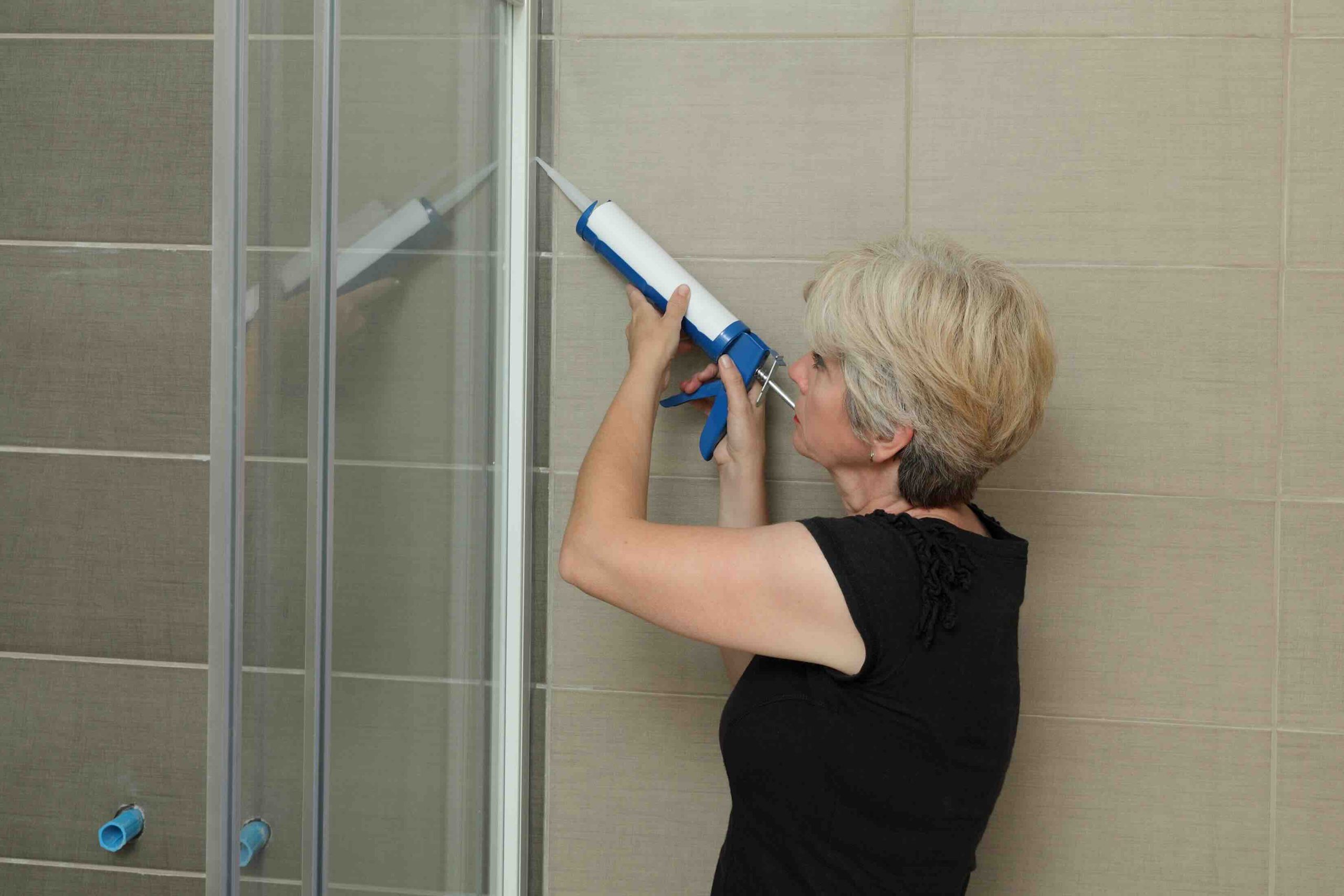
What Is Quick Drying Caulk and Why Does It Matter for Your Shower?
If you have ever noticed a thin line of cracked, discolored, or missing sealant along the edges of your shower, you already understand why caulk matters. Quick drying caulk is a type of sealant designed to cure significantly faster than traditional formulas, making it a popular choice for bathroom renovations, repairs, and maintenance projects. For homeowners who do not want to wait 24 to 48 hours before using their shower again, this product offers a practical, time-saving alternative. It fills gaps between tiles, fixtures, and walls to block water intrusion, prevent mold growth, and keep your bathroom looking clean and well maintained.
How Quick Drying Shower Caulk Actually Works
Standard silicone or latex caulk requires time to off-gas and cure before it becomes waterproof. Quick drying formulas are engineered with accelerated curing agents that dramatically reduce that window, often reaching a touch-dry state in as little as 30 minutes and a fully waterproof seal within a few hours. Most quick drying shower caulks are silicone-based, acrylic-latex-based, or a hybrid of both. Silicone formulas offer superior flexibility and water resistance, while acrylic-latex versions are easier to apply, paintable, and clean up with water. The hybrid options aim to deliver the best of both worlds. When applied correctly to clean, dry surfaces, the sealant adheres to tile, porcelain, fiberglass, and stone to create a durable, watertight barrier.
Key Advantages of Using Quick Drying Caulk in Your Shower
There are several compelling reasons homeowners reach for fast-curing caulk when tackling bathroom repairs or upgrades. Speed is the most obvious benefit, but it is far from the only one worth considering.
- Faster project turnaround means your shower is back in service the same day in many cases
- Reduced exposure time to moisture during the curing process lowers the risk of seal failure
- Many formulas include built-in mildewcides to resist mold and mildew growth over time
- Quick drying caulk is widely available at hardware stores and is generally affordable for most budgets
- The fast cure time makes it ideal for rental properties or households with only one bathroom
Beyond convenience, using the right caulk consistently helps protect the structural integrity of your bathroom. Water that seeps behind tiles or into wall cavities can cause wood rot, subfloor damage, and costly repairs that go far beyond a simple recaulking job. Preventing that kind of damage starts with a proper seal, and quick drying formulas make it easier to stay on top of maintenance without disrupting your daily routine.

Common Drawbacks Homeowners Should Know Before They Buy
Quick drying caulk is genuinely useful, but it is not without its limitations. Understanding those trade-offs helps you choose the right product and avoid common application mistakes. The shortened working time is actually a double-edged sword. Because the material sets quickly, you have a narrower window to smooth, adjust, and tool the bead before it begins to skin over. For inexperienced applicators, this can result in a sloppy finish that is difficult to correct. Additionally, some fast-curing formulas sacrifice long-term flexibility for speed, which means they may crack sooner in areas subject to movement or thermal expansion, such as where the tub meets the wall. Adhesion can also be a concern if the surface is not thoroughly clean and dry before application, which is true of all caulks but is amplified when you have less time to work.
How to Prepare Your Shower for a Successful Caulk Application
Surface preparation is the single most important factor in how well any caulk performs, fast-drying or otherwise. Start by completely removing the old caulk using a caulk removal tool or utility knife. Any remaining residue needs to go, and that step alone can take more time than the actual application. Once the old material is cleared, clean the area thoroughly with a mildew-killing bathroom cleaner, rinse well, and allow the surface to dry completely. If there is any moisture trapped in the joint when you apply the new caulk, adhesion will be compromised from day one. Some homeowners use a hair dryer on low heat to speed up the drying process, which is a perfectly reasonable approach. Tape the edges of the joint with painter’s tape if you want clean, professional-looking lines, especially important with quick drying products where correction time is limited.
Tips for Applying Quick Drying Caulk Like a Professional
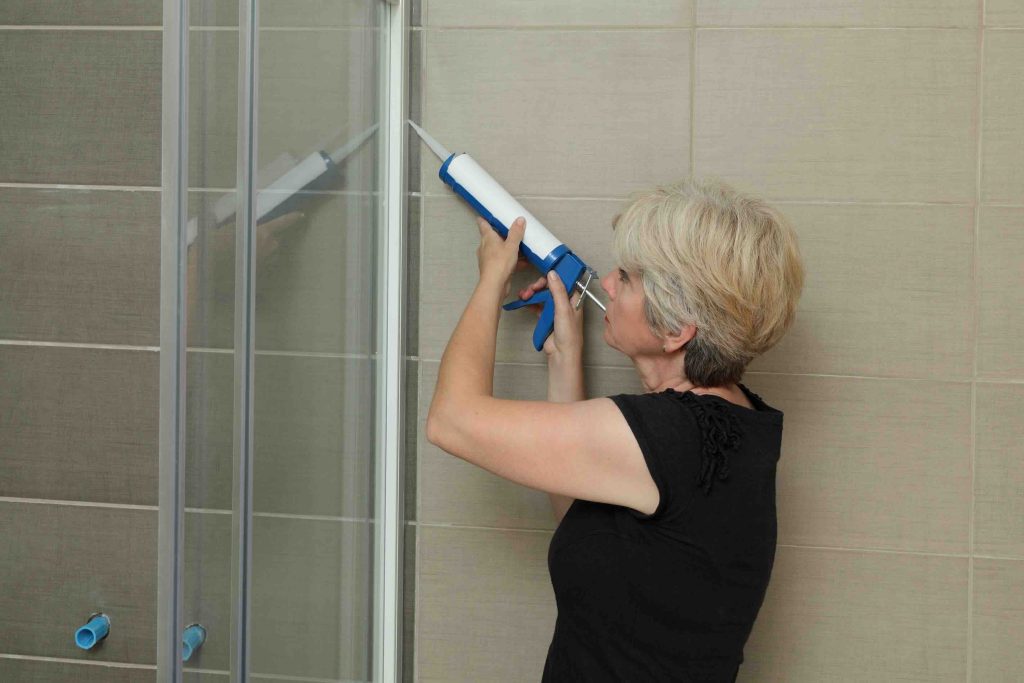
Application technique matters more than most people realize. Cut the caulk tube tip at a 45-degree angle and keep the opening small, roughly the size of the gap you are filling. Apply steady, consistent pressure as you move along the joint in one smooth pass. Work in manageable sections rather than trying to run the entire length of a wall in one go. Immediately after application, wet your fingertip or a caulk smoothing tool and run it along the bead to create a concave, finished surface that directs water away from the joint. Work quickly and confidently. With fast-curing products, hesitation leads to drag marks and uneven finishes. Remove the painter’s tape before the caulk begins to skin, and allow the full recommended cure time before exposing the area to water.
How Long Does Quick Drying Shower Caulk Actually Last?
This depends on the formula, the application quality, and the conditions the caulk is exposed to. In a regularly used shower, even well-applied caulk will typically need replacement every three to five years. High-traffic bathrooms, steam showers, and areas with hard water or heavy chemical cleaners may see degradation sooner. Signs that it is time to recaulk include visible cracking, peeling edges, discoloration that does not clean off, or a soft and spongy texture that suggests the seal has broken down. The good news is that recaulking is a manageable DIY project for most homeowners, and catching it early prevents far more serious water damage down the line.
When Shower Caulk Issues Signal a Bigger Problem
Sometimes failing caulk is just failing caulk. But other times, it is a symptom of something more significant happening behind your walls. If you are recaulking the same area repeatedly and it keeps failing, that is worth paying attention to. Chronic caulk failure can indicate excessive movement in the underlying structure, substrate damage, or ongoing moisture intrusion that has compromised the wall behind the tile. Mold that reappears quickly after cleaning, soft spots in the wall near the shower, or grout that is consistently deteriorating alongside the caulk lines are all signals to look closer. In those situations, the repair extends beyond sealant and may involve tile work, waterproofing membrane replacement, or even drywall remediation.
How a Home Warranty Fits Into Your Bathroom Maintenance Plan
Maintaining your shower caulk is a homeowner responsibility, and most home warranty plans are upfront about that. Routine maintenance items like caulking, grout, and cleaning are generally outside the scope of coverage, which is exactly as it should be. Where a home warranty earns its place is in protecting the systems and components that connect to your bathroom and make it functional. Plumbing systems, water heaters, and even certain built-in fixtures can be covered under a solid warranty plan, meaning that when a repair goes beyond the caulk line and into the pipes or fixtures behind the wall, you have financial protection. If you are a homeowner who takes maintenance seriously, pairing good habits with trusted home warranty coverage for your plumbing and bathroom systems is a smart, layered approach to protecting your investment. Armadillo makes it straightforward to understand exactly what is covered, with transparent plans built for real homeowners. When water damage turns into a plumbing repair, you will be glad you already have a plan in place, and you can get a home warranty quote to protect your shower plumbing and fixtures in just a few minutes.

Frequently Asked Questions About Quick Drying Caulk for Showers
Here are the most common questions homeowners ask when choosing, applying, and maintaining quick drying caulk in their bathrooms.
How long does quick drying shower caulk take to fully cure?
Most quick drying shower caulk formulas become touch-dry within 30 minutes and reach a fully waterproof cure in 2 to 6 hours, though manufacturers recommend waiting a full 24 hours before heavy water exposure for best results.
Can I use quick drying caulk over old caulk?
Applying new caulk directly over old caulk is not recommended. The existing material must be fully removed and the surface cleaned and dried before applying a fresh bead, or adhesion will be unreliable from the start.
What is the best type of quick drying caulk for a shower?
Silicone-based or siliconized acrylic-latex hybrid formulas labeled specifically for kitchen and bath use are generally the best choice for showers. Look for products that list mildew resistance and waterproofing on the label.
Is quick drying caulk as durable as standard caulk?
High-quality quick drying formulas can be very durable, but some sacrifice flexibility for speed. In high-movement areas like the tub-wall junction, a flexible silicone formula is usually the better long-term choice regardless of cure time.
How do I remove old shower caulk before applying a new bead?
Use a plastic caulk removal tool or a utility knife to cut and peel away the old material. A commercial caulk remover gel can soften stubborn residue. Always clean the joint with a mildew-killing cleaner and allow it to dry completely before reapplying.
Does quick drying caulk prevent mold in the shower?
Many quick drying shower caulk products contain mildewcides that inhibit mold and mildew growth on the surface of the sealant. However, no caulk eliminates mold entirely if moisture is allowed to penetrate or pool behind the surface.
How often should shower caulk be replaced?
Shower caulk typically lasts three to five years under normal use. Signs that replacement is needed include cracking, peeling, persistent discoloration, or a soft texture that indicates the seal has broken down.
Can failing shower caulk cause water damage to my home?
Yes. Gaps in shower caulk allow water to penetrate behind tiles and into wall cavities, which can lead to wood rot, subfloor damage, mold growth, and structural issues that are significantly more costly to repair than a routine recaulking job.
Is recaulking a shower something a homeowner can do themselves?
Recaulking is a manageable DIY project for most homeowners. The most important steps are thorough removal of the old caulk, proper surface preparation, and working quickly during application to accommodate the faster cure time.
Does a home warranty cover shower caulk repairs?
Routine maintenance items like caulking are typically not covered by home warranty plans. However, warranty coverage may apply to plumbing systems, water lines, and fixtures connected to your shower if those components fail due to normal wear and tear.