Radiant Heat Flooring: What Every Homeowner Should Know Before Installing It
There is something genuinely satisfying about stepping onto a warm floor on a cold morning. No scrambling for slippers, no shock of cold tile against bare feet — just warmth. That is the promise of radiant heat flooring, and honestly, it delivers. But before you start tearing up your floors or budgeting for a full installation, there is quite a bit worth understanding. Radiant heating is one of those home systems that sounds simple on the surface but involves real decisions around cost, compatibility, and long-term maintenance. This guide breaks it all down in plain language so you can decide whether it makes sense for your home.
What Is Radiant Heat Flooring and How Does It Actually Work
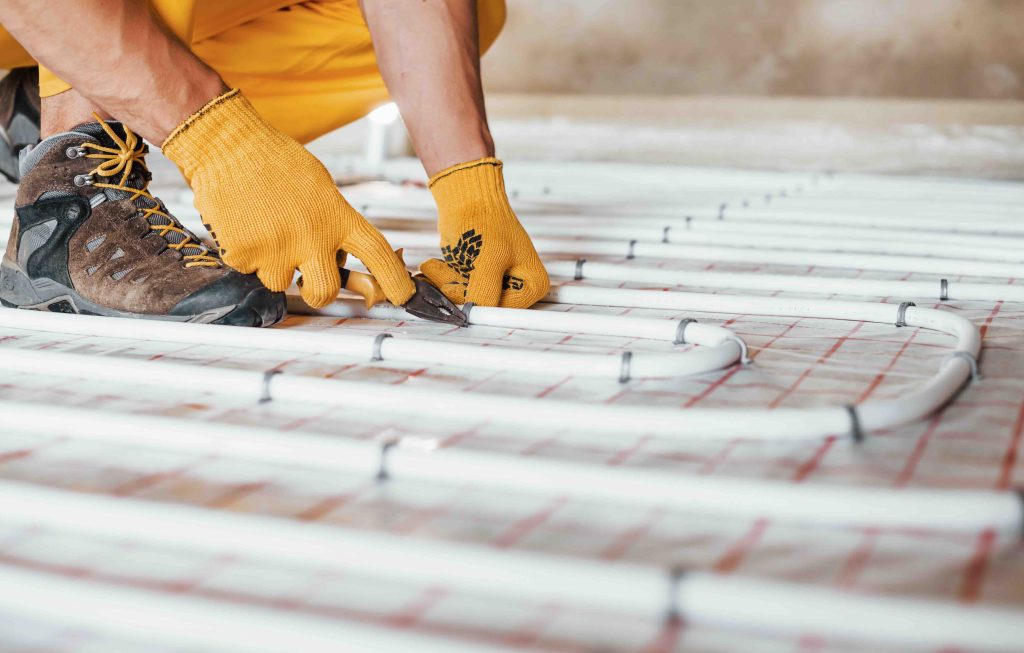
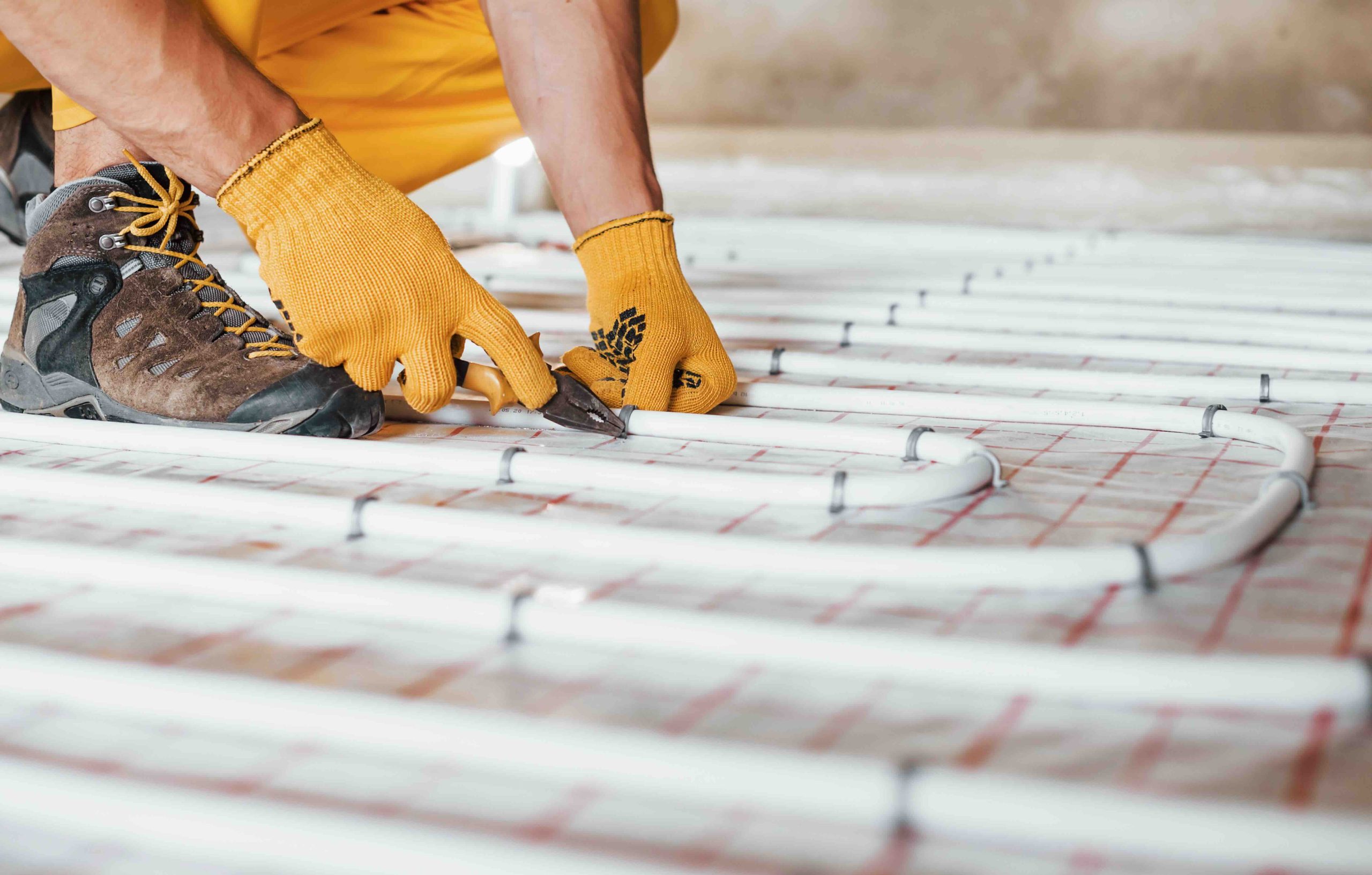
Radiant floor heating is a system that delivers heat directly from the floor surface upward, rather than blowing warm air through ducts or vents. The concept has been around for centuries — the ancient Romans used a version of it — but modern systems are far more efficient and controllable. There are two primary types: electric radiant systems, which use heating cables or mats installed beneath flooring materials, and hydronic systems, which circulate warm water through tubing laid beneath the floor. Electric systems are generally easier and less expensive to install in smaller areas, while hydronic systems are more cost-effective at scale and tend to be the preferred choice for whole-home heating. Both work on the same principle: heat rises from the floor and warms objects and people in the room rather than just heating the air.
The Real Cost of Radiant Heat Per Square Foot
Cost is where most homeowners start paying close attention, and for good reason. Radiant heat installation costs vary depending on the system type, flooring material, and whether it is new construction or a retrofit project. For electric radiant systems, installation typically runs between eight and fifteen dollars per square foot when factoring in materials and labor. Hydronic systems cost more upfront, often ranging from ten to twenty dollars per square foot installed, and sometimes higher in retrofit situations where subfloor work is required. Operating costs differ as well — electric systems tend to be more expensive to run daily, while hydronic systems, once installed, generally cost less per month to operate. It is worth getting quotes specific to your region and floor plan, because square footage alone does not tell the whole story.

Which Flooring Materials Work Best With Radiant Heat Systems
Not every flooring material plays well with radiant heat, and this is one of the more practical considerations homeowners overlook. Tile and stone are the top performers — they conduct heat efficiently and retain warmth well, making them the natural pairing for radiant systems. Engineered hardwood is generally compatible, though it requires careful temperature management to prevent warping. Solid hardwood is more temperamental and requires specific conditions. Laminate and vinyl plank flooring can work with some systems, but product-specific compatibility always needs to be verified. Thick carpet is typically a poor choice because it acts as insulation and limits how effectively heat transfers into the room. If you already have a flooring preference in mind, confirm compatibility before installation begins.
Key Advantages of Installing Radiant Floor Heating
The benefits of radiant floor heating go well beyond comfort, though comfort is certainly part of the appeal. Here is what genuinely sets this system apart from conventional forced-air heating:
- Even heat distribution eliminates the cold spots and temperature swings common with duct-based systems
- No blowing air means reduced circulation of dust, allergens, and airborne particles — a meaningful benefit for households with allergy concerns
- Silent operation with no vents, fans, or blower noise
- Energy efficiency improvements, particularly with hydronic systems, can reduce heating costs over time
- The absence of radiators or baseboard heaters frees up wall space and simplifies room design
- Compatible with renewable energy sources like solar thermal systems when paired with hydronic setups
Common Drawbacks You Should Weigh Before Committing
No home system is without tradeoffs, and radiant floor heating is no exception. The upfront installation cost is the most significant barrier for most homeowners. Retrofitting an existing home is far more disruptive and expensive than incorporating radiant heat into new construction. Hydronic systems in particular require professional installation of tubing, a boiler or water heater, and manifold controls — all of which add to the project timeline and cost. There is also a response time consideration: radiant systems heat slowly compared to forced air, so they work best when left running consistently rather than toggled on and off. If a component fails — whether a heating cable, a section of tubing, or a thermostat — diagnosis can be complicated since much of the system is beneath the floor. That brings up a point worth noting early: knowing what your home warranty covers before a repair becomes necessary is more valuable than figuring it out after.
Electric vs Hydronic Radiant Systems: A Closer Comparison
Choosing between electric and hydronic radiant heat often comes down to the size of the space and how the system will be used. Electric systems are the more practical choice for a single bathroom, a kitchen, or a small addition. Installation is faster, less invasive, and does not require a separate boiler. However, running costs are higher because electricity is a more expensive energy source than gas or water-based heating. Hydronic systems require a larger upfront investment but deliver lower monthly operating costs across larger areas. They integrate with existing boiler infrastructure in some homes, which can reduce installation complexity. For new construction, hydronic systems embedded in a concrete slab are a particularly efficient configuration. For a finished home with existing flooring, the calculus changes considerably.
Thermostat Controls and Smart Home Integration for Radiant Floors
Modern radiant heat systems pair well with programmable and smart thermostats, which is important given that these systems perform best when managed consistently. A smart thermostat allows you to schedule heat based on occupancy patterns, reducing energy consumption during off hours without sacrificing comfort when you return home. Floor temperature sensors, which are often included with radiant system thermostats, monitor actual floor surface temperature rather than just ambient air temperature — this prevents overheating and protects flooring materials from heat damage. If you are already invested in a smart home ecosystem, most leading radiant thermostat brands integrate with major platforms, making this a fairly seamless addition.
Maintenance Expectations and Long-Term Reliability
One of the genuine selling points of radiant floor heating — particularly electric systems — is that they have very few moving parts, which typically means less that can go wrong over time. A properly installed electric system can last twenty years or more with minimal intervention. Hydronic systems have more components that require periodic attention, including the boiler, pump, and manifold connections. Annual inspections are recommended for hydronic setups. For both system types, thermostat failures and sensor issues are among the more common service calls. If a heating element or section of tubing fails beneath the floor, repair can be invasive and costly depending on the flooring material installed above it. Documenting your system layout at installation — including photos and schematics — is a practical step that makes future repairs significantly easier.
How Armadillo Helps Protect Your Home Heating Investment
Installing radiant heat flooring is a meaningful investment, and like any home system, it deserves real protection. When something goes wrong beneath the floor — a failing component, an unexpected repair, or a system that stops responding — the last thing you want is to be sorting out coverage details while dealing with the disruption. That is where a trusted home warranty makes a tangible difference. Armadillo home warranty plans designed for whole-home system protection are built around straightforward coverage, transparent terms, and a claims process that does not make you work to use what you paid for. Whether your radiant system is electric or hydronic, having coverage in place before you need it is the kind of decision that pays for itself. If you are planning an installation or already have radiant heat in your home, now is a smart time to get a home warranty quote that covers your radiant heating system and see exactly what protection looks like for your specific home.

Frequently Asked Questions About Radiant Heat Flooring
These are the questions homeowners ask most often when researching radiant floor heating systems.
How much does radiant floor heating cost per square foot to install?
Electric radiant systems typically cost between eight and fifteen dollars per square foot installed, while hydronic systems range from ten to twenty dollars per square foot or more, depending on the complexity of the installation and local labor rates.
Is radiant floor heating energy efficient?
Hydronic radiant systems are generally considered highly energy efficient, particularly in well-insulated homes, because they operate at lower temperatures than forced-air systems and deliver heat more directly. Electric systems are efficient in how they distribute heat but can be more costly to run depending on local electricity rates.
Can radiant heat be installed under existing flooring?
In some cases, yes. Certain thin electric mat systems can be installed beneath tile or floating floor products without significantly raising the floor height. Hydronic systems require more invasive work and are typically better suited to new construction or major renovation projects.
What type of flooring is best for radiant heat?
Tile and stone are the most compatible flooring materials because they conduct and retain heat effectively. Engineered hardwood is also a good option with proper temperature controls. Thick carpet and some solid hardwood products are generally less compatible.
How long does radiant floor heating last?
Electric radiant systems can last twenty years or more with proper installation and minimal maintenance. Hydronic systems have a similar or longer lifespan for the tubing, though boiler and pump components typically require more regular servicing.
Does radiant heat work as a primary heating source?
Yes, radiant floor heating can serve as a primary heat source, particularly hydronic systems in well-insulated homes. In some climates or home configurations, a supplemental heat source may still be advisable for extreme cold conditions.
How does radiant heat affect indoor air quality?
Radiant systems do not blow air, which means they do not circulate dust, allergens, or airborne particles the way forced-air systems do. This makes them a favorable option for households with allergies or respiratory sensitivities.
Is radiant floor heating covered by a home warranty?
Coverage depends on the home warranty provider and the specific plan. Some providers include built-in heating systems under their coverage terms, while others may treat radiant systems as optional add-ons. Reviewing policy details carefully before purchasing is always recommended.
Can I install radiant floor heating myself?
Some electric mat systems are marketed as DIY-friendly for experienced homeowners, but professional installation is strongly recommended to ensure proper thermostat wiring, sensor placement, and compliance with local building codes. Hydronic systems should always be installed by a licensed professional.
How long does it take for radiant floors to heat up?
Radiant systems heat slowly compared to forced-air systems, often taking thirty minutes to several hours to reach a comfortable temperature. This is why they perform best when operated continuously on a programmed schedule rather than switched on and off reactively.